

.png)
7 Mistakes Small Businesses Make with Web3 Payments (And How Larecoin's Receivables Token Fixes Them)
![Writer: [[[Free!!]<<<<]] Watch: 스포르팅 - 토트넘 Live Stream 13 September 2022](https://lh3.googleusercontent.com/a/AItbvmktwQc0wCdd3ZEETSYItRQubwwBzOyjD_dcigRf=s96-c)
February 2026. Small businesses are bleeding money on Web3 payments.
Not because crypto is broken. Because they're using the wrong infrastructure.
Legacy platforms like NOWPayments and CoinPayments were built in 2020. They're charging 2020 fees for 2026 problems. And merchants are paying the price.
Here's what's actually happening on the ground: and how Larecoin's Receivables Token solves it.
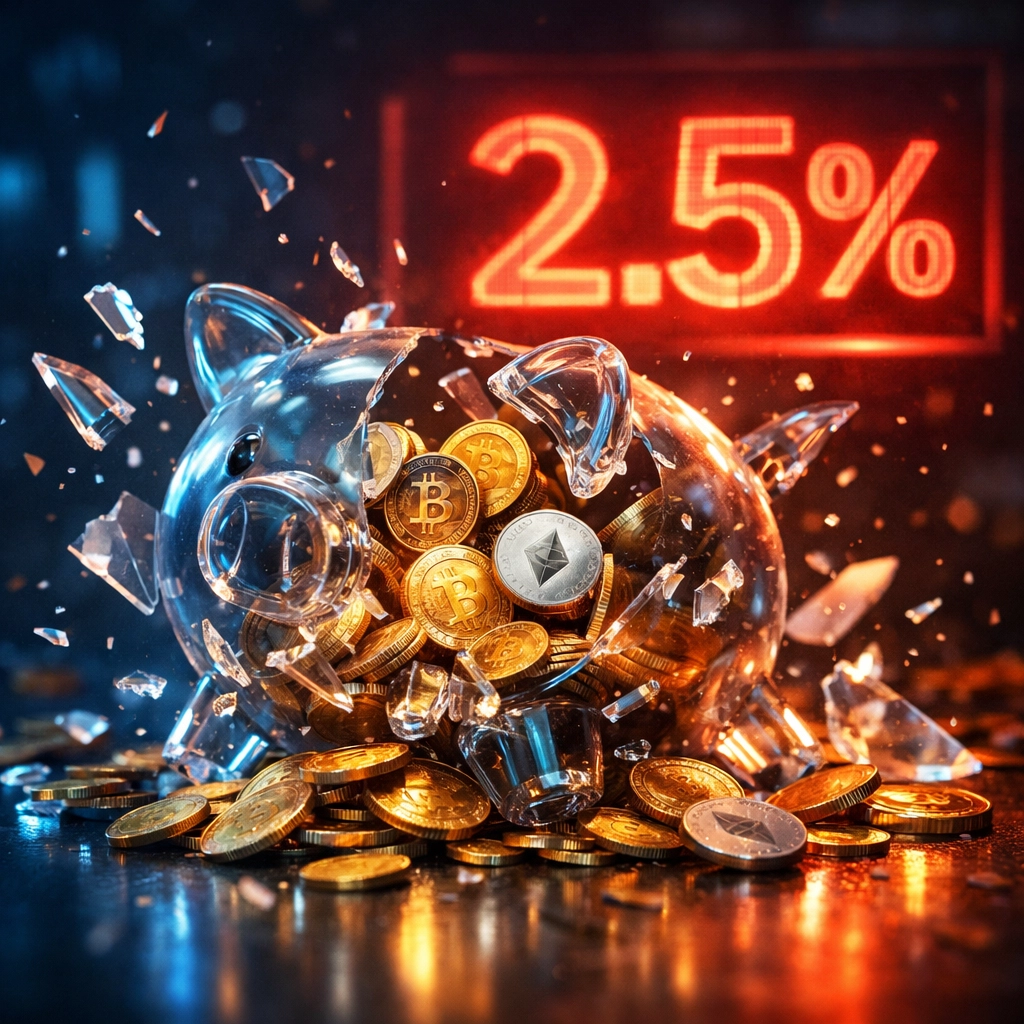
Mistake #1: Paying Sky-High Transaction Fees
Traditional credit card processors charge 2.5% to 3% per transaction. Sometimes higher.
Merchants switched to crypto expecting relief. Instead? Hidden fees everywhere.
Conversion costs. Withdrawal charges. Network fees passed through at markup. NOWPayments charges 0.5% plus network fees. CoinPayments hits you with 0.5% plus withdrawal fees up to 0.5%. Stack them up and you're back at traditional payment friction.
The Larecoin Fix: Gas-only transfers. No percentage cuts. No hidden conversion fees. Just the actual blockchain cost. For a $10,000 transaction, you're saving hundreds compared to legacy crypto processors.
Plus LUSD: Larecoin's stablecoin version: minimizes gas even further on compatible chains.
That's real fee savings. Not repackaged extraction.
Mistake #2: Accounting Nightmares Without NFT Receipts
You get a transaction hash. Maybe a confirmation email. That's it.
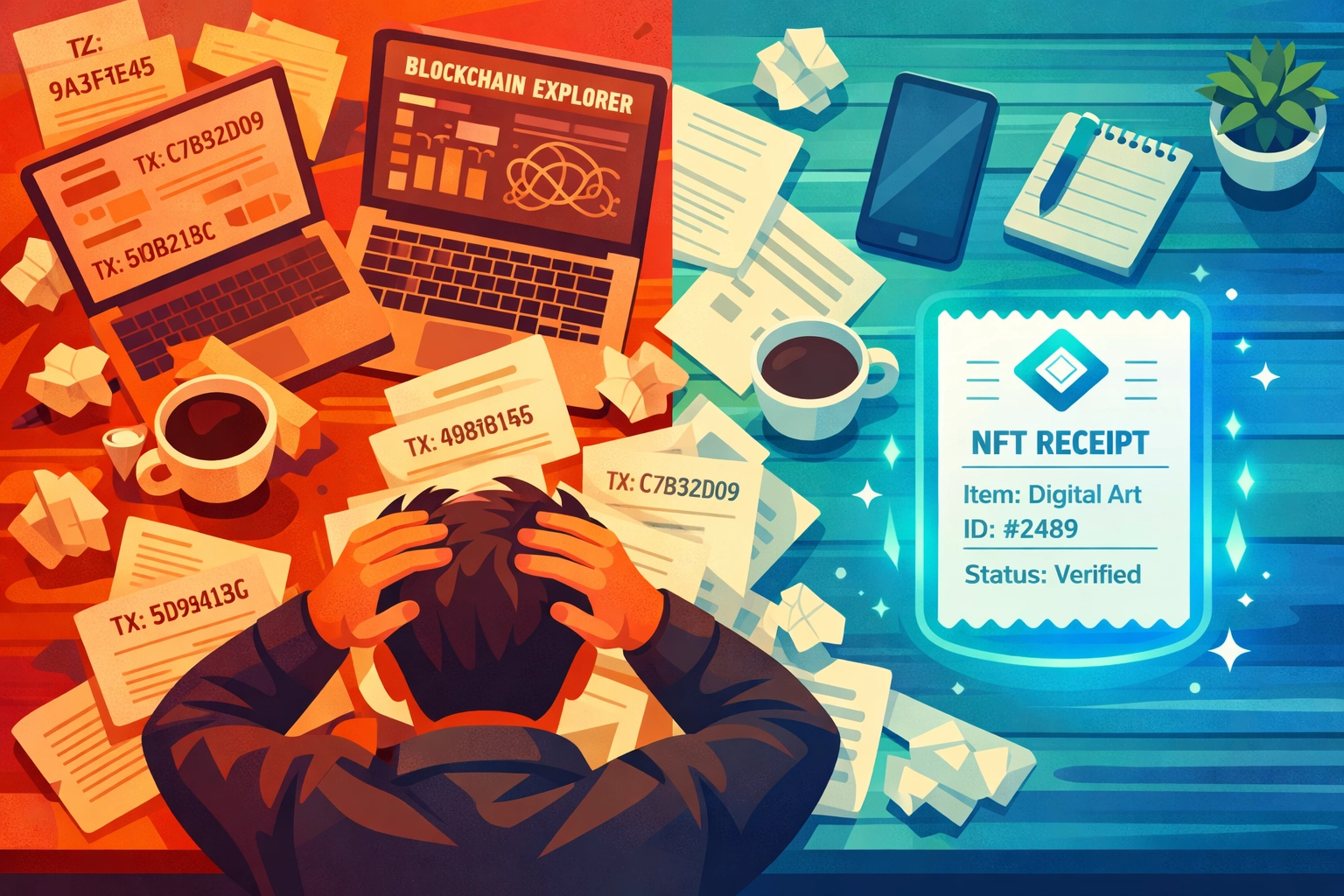
Tax season arrives. Your accountant needs documentation. You're hunting through blockchain explorers at 2 AM with spreadsheets and wallet addresses.
Missing fee calculations. No clear paper trail. Audit flags everywhere.
The Larecoin Fix: Built-in NFT receipts. Every transaction generates an immutable, timestamped receipt stored on-chain. Your accounting software pulls clean data. Your CPA doesn't hate you. Audits become simple lookups instead of archaeological expeditions.
NOWPayments and CoinPayments? Still sending you CSV exports like it's 2015.
Mistake #3: Getting Wrecked by Volatility
Accepting Bitcoin. Price swings 8% overnight. Your $5,000 invoice is now worth $4,600.
You wanted to modernize payments. Instead you're running an unhedged crypto trading desk.
The Larecoin Fix: LUSD settlement option. Accept payment in any supported crypto. Settle immediately in LUSD: Larecoin's stable digital dollar. Lock in your revenue without volatility exposure.
You're not speculating. You're accepting payment. There's a difference.
Mistake #4: Limited Payment Options = Lost Customers
You only accept Bitcoin. Customer wants to pay in Ethereum. Sale dies.
Or worse: you accept five cryptos but your checkout flow is clunky. Different wallets. Different confirmation times. Customer abandons cart.
The Larecoin Fix: Multi-chain support with unified checkout. Bitcoin. Ethereum. Solana. USDC. LUSD. All through one interface. Customer chooses. System handles routing.
Behind the scenes, Larecoin's swap and bridge infrastructure handles the complexity. Customer sees simplicity. You receive payment.
CoinPayments supports multiple coins but their 2020-era interface feels like using a fax machine. NOWPayments is slightly better but still lacks modern UX polish.
Mistake #5: Cash Flow Death by Receivables
You extend payment terms. Net 30. Net 60. Net 90.
Your customer loves it. Your cash flow is strangled.
Traditional factoring? Sell your receivables at 10-20% discount. Give up $2,000 on a $10,000 invoice just to access your own money early.
The Larecoin Fix: Receivables tokenization. Convert your invoice into a tradeable token. Sell it at minimal discount: or use it as collateral for instant liquidity.
Here's how it works: You issue a $10,000 invoice with 60-day terms. Larecoin tokenizes it. You list it on the marketplace. Another business buys it at 2-3% discount. You get $9,700 immediately instead of waiting two months and losing $2,000 to a factoring company.
Or keep the token. Use it as collateral. Borrow against it. Your receivable becomes liquid capital without selling at a loss.
This is what receivables tokens actually solve. Legacy crypto payment platforms don't even touch this problem.
Mistake #6: Checkout Friction That Kills Conversions
QR code doesn't load. Wallet won't connect. Transaction sits pending for 15 minutes.
Customer gives up. You lose the sale.
Crypto payments promise speed. Deliver frustration instead when infrastructure is outdated.
The Larecoin Fix: Optimized checkout with gas fee sponsorship options. Clear confirmations. Responsive QR codes. Wallet connection that actually works. Sub-5-second checkout initiation.
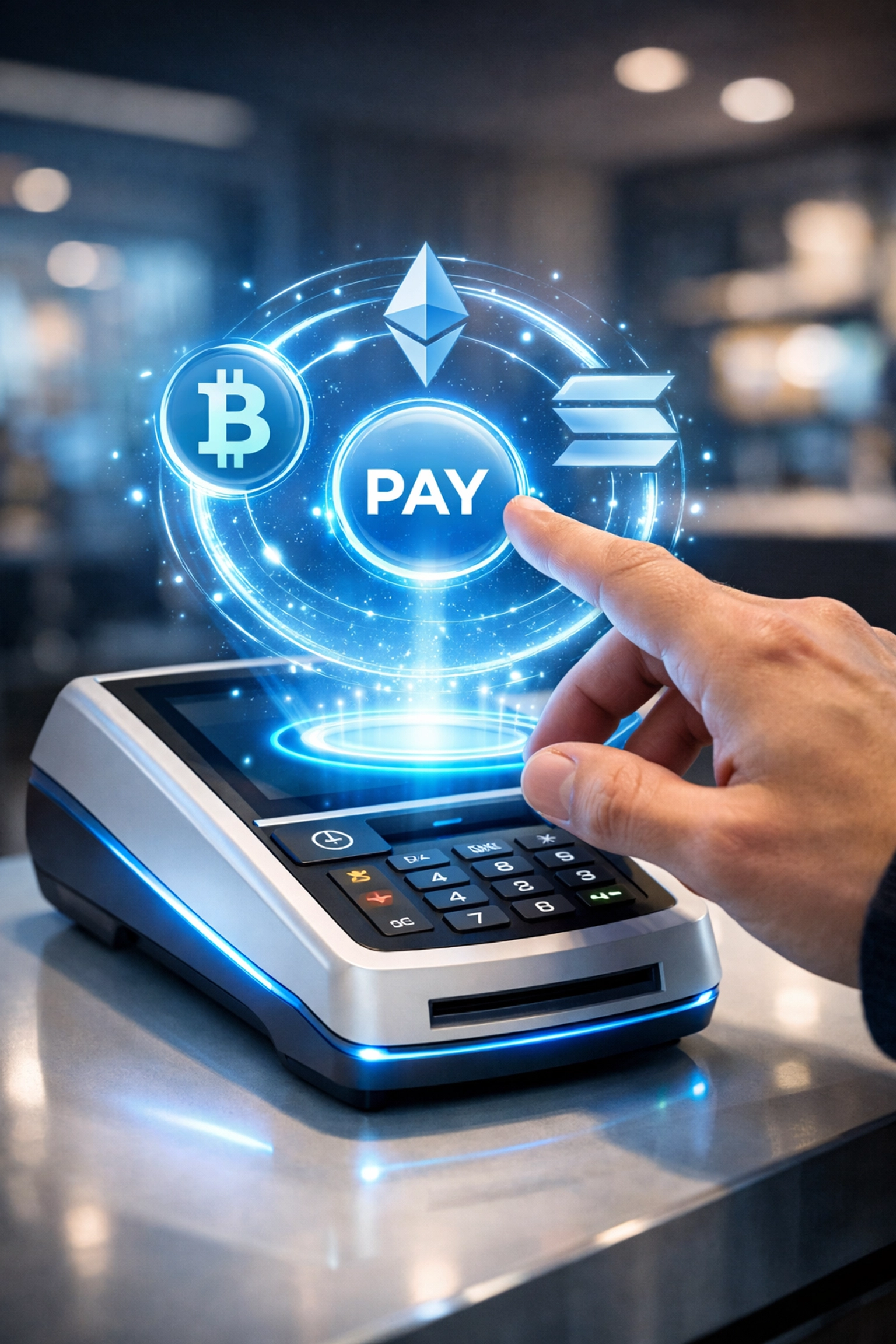
For high-value merchants, Larecoin offers gas fee sponsorship: you cover the network cost to eliminate customer friction completely. Customer clicks pay, transaction confirms, done.
NOWPayments and CoinPayments force customers through multi-step wallet connection flows that feel like early 2020s DeFi. Larecoin's 2026 infrastructure handles complexity invisibly.
Mistake #7: Running 2020 Infrastructure in 2026
Legacy platforms were fine when crypto payments were experimental. Now they're growth bottlenecks.
No modern blockchain support. Clunky merchant dashboards. Zero innovation roadmap. You're competing with businesses using 2026 technology while running 2020 systems.
The Larecoin Fix: Built for the current market. Solana integration for sub-second settlements. Layer 1 blockchain in development. AI/ML-powered merchant portal. Real-time analytics. Push-to-card functionality for instant fiat conversion.
Plus self-custody options: your crypto, your keys, your control. NOWPayments and CoinPayments hold your funds in their custodial wallets. Larecoin lets you choose: custodial convenience or self-custody sovereignty.
The Compliance Advantage Nobody Talks About
Here's what separates Larecoin from crypto payment platforms that might disappear in regulatory crackdowns:
Rigorous US compliance. MSB registration. State-by-state MTL (Money Transmitter License) strategy. Not hiding in offshore jurisdictions. Not hoping regulators look the other way.
Operating legally in the world's largest economy.
NOWPayments operates from Estonia. CoinPayments from Canada. Nothing wrong with that: until US regulations tighten and they can't serve American merchants anymore.
Larecoin is building compliance-first. When regulations clarify, we're positioned to expand: not scramble to survive.
What To Do Right Now
Audit your current payment setup. Calculate actual fees: not advertised rates, real all-in costs.
Check if your provider offers self-custody. Most don't.
Test your checkout flow. Time it. Identify friction points where customers could abandon.
Research NFT receipt solutions before tax season makes it urgent.
Compare Larecoin against your current provider. Run the numbers on fee savings. Consider receivables tokenization if you extend payment terms.
The Bottom Line
Small business crypto payments in 2026 shouldn't feel like 2020.
Fee transparency. NFT receipts. Stablecoin settlement. Multi-chain support. Receivables tokenization. Self-custody options. US regulatory compliance.
That's not innovation. That's baseline infrastructure for modern commerce.
Legacy platforms can't deliver this because they weren't built for it. They're retrofitting 2020 architecture for 2026 problems.
Larecoin was designed from the ground up to solve these exact issues.
The receivables token alone changes cash flow management for any business extending payment terms. Add in LUSD stability, gas-only fee structure, and NFT accounting: and you're operating at a completely different level than competitors stuck with NOWPayments or CoinPayments.
Your customers are ready for Web3 payments. Your current platform probably isn't.
Time to upgrade your infrastructure.
Comments