

.png)
7 Mistakes You're Making with Crypto POS Systems (and How Larecoin Fixes Them)
![Writer: [[[Free!!]<<<<]] Watch: 스포르팅 - 토트넘 Live Stream 13 September 2022](https://lh3.googleusercontent.com/a/AItbvmktwQc0wCdd3ZEETSYItRQubwwBzOyjD_dcigRf=s96-c)
Running a crypto POS system sounds simple. Accept digital payments. Lower fees. Done.
Not quite.
Most merchants are bleeding money through hidden mistakes they don't even see. Your crypto payment processor might be costing you thousands while competitors keep more of what they earn.
Let's break down the seven biggest crypto POS mistakes: and how Larecoin actually fixes them.
Mistake #1: Paying Ridiculous Processing Fees
The Problem
NOWPayments charges 0.5% per transaction. CoinPayments hits you with 0.5% plus network fees. Sounds small until you calculate annual volume.
Process $500,000 yearly? That's $2,500+ straight to your payment processor.
For what? Moving bits across a blockchain that costs pennies.
Traditional crypto POS systems pocket the difference. They charge percentage-based fees while actual blockchain costs remain microscopic.
How Larecoin Fixes It
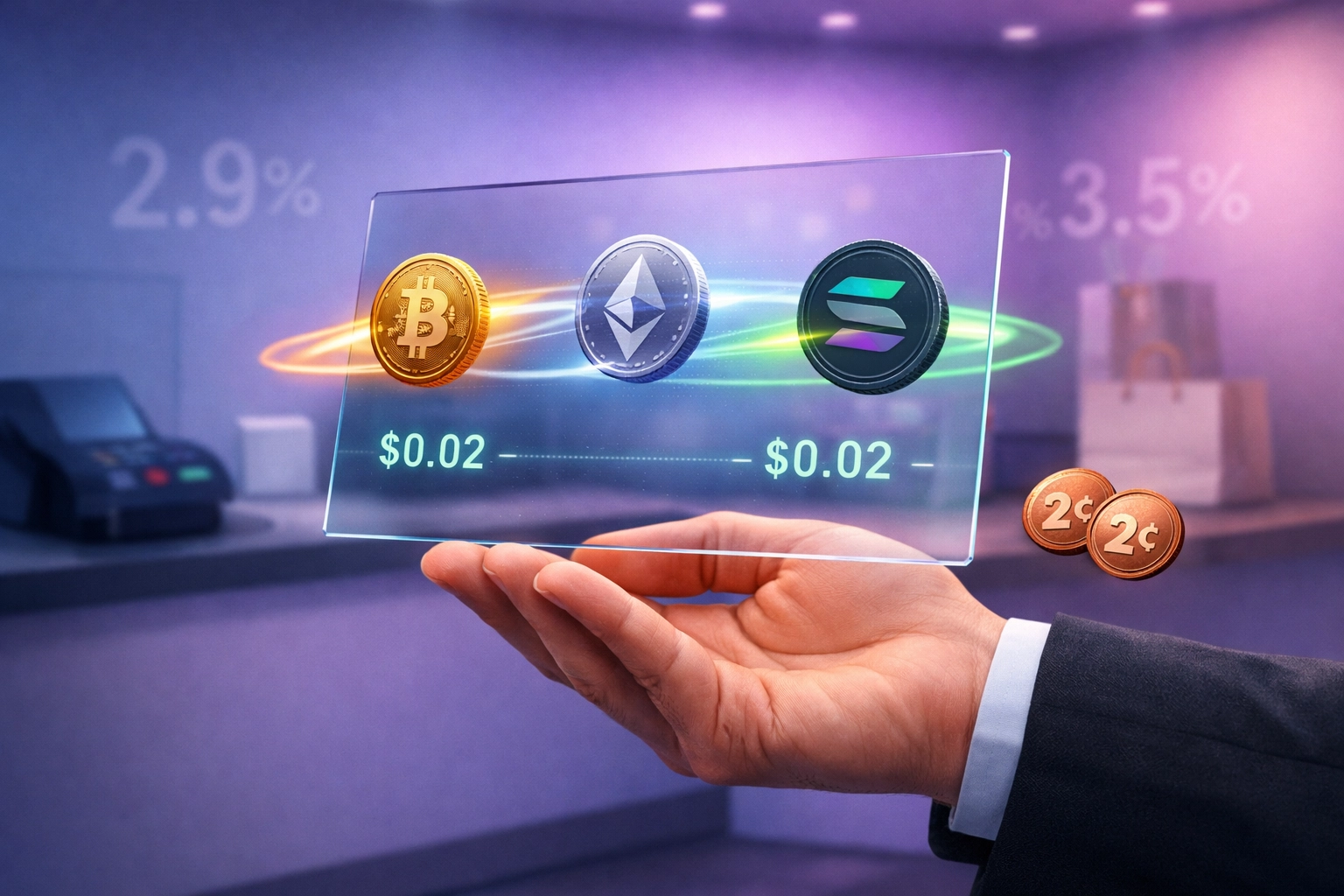
Gas-only transfers. Pay only network fees: nothing extra.
Larecoin's ecosystem eliminates percentage-based processing fees entirely. You pay what the blockchain charges. Period.
On Solana, that's fractions of a cent per transaction. No hidden markups. No percentage cuts. Just pure, transparent blockchain economics.
The savings compound fast. Merchants keep 99.9% of revenue instead of surrendering percentages to middlemen.
Mistake #2: Surrendering Custody of Your Crypto
The Problem
Most crypto payment processors force custody transfers. Your customer pays. Funds hit the processor's wallet. Eventually, you get paid: minus fees, minus delays, minus control.
NOWPayments and CoinPayments both require funds to flow through their systems before reaching you. They hold your crypto. You wait for payouts.
Not your keys, not your crypto. Remember that rule?
It applies to payment processors too.
How Larecoin Fixes It
Self-custody built into the core architecture.
Payments flow directly to your wallet. No intermediaries. No waiting periods. No third-party control over your funds.
Larecoin's smart wallet technology enables true peer-to-peer transactions through your POS. Customer pays. You receive. Done in seconds.
Full custody. Full control. Full merchant freedom.
That's how crypto payments should work.
Mistake #3: Ignoring NFT Receipt Innovation
The Problem
Paper receipts waste resources. Digital receipts get ignored in email spam folders.
Traditional crypto POS systems treat receipts as afterthoughts. CoinPayments sends basic email confirmations. NOWPayments provides transaction IDs. Neither leverages blockchain's actual capabilities.
You're using Web3 payment infrastructure with Web2 receipt technology.
How Larecoin Fixes It
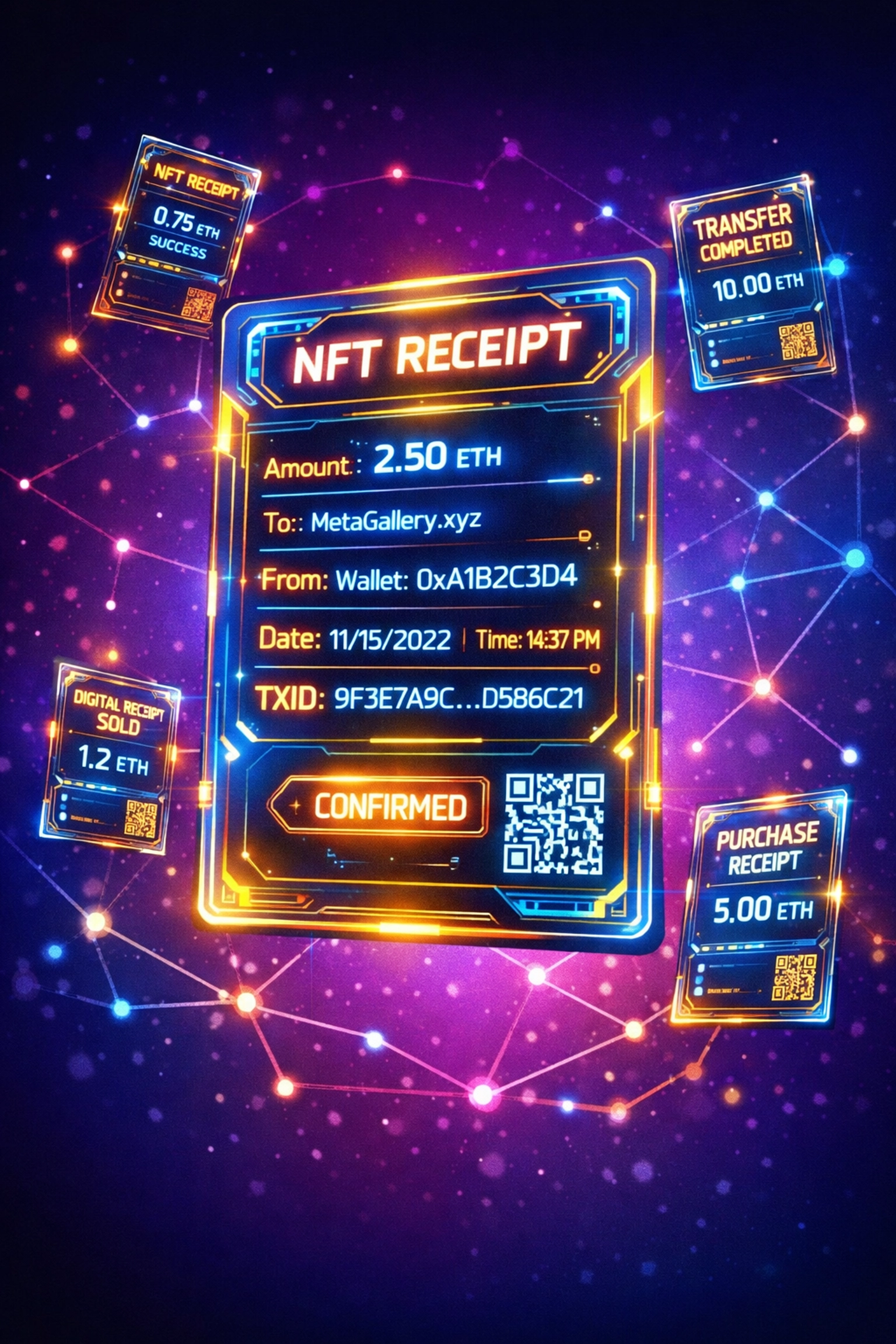
NFT receipts transform every transaction into a collectible, verifiable, permanently stored blockchain record.
Each purchase mints a unique NFT receipt containing transaction details, timestamps, and merchant information. Customers receive blockchain-verified proof of purchase that can't be lost, forged, or deleted.
NFT receipts unlock new possibilities:
Loyalty programs tied to NFT collections
Exclusive access for customers holding specific receipt NFTs
Gamified shopping experiences
Verifiable proof for warranties and returns
Secondary market potential for limited edition purchases
Your receipts become assets, not trash.
Mistake #4: No Stablecoin Flexibility
The Problem
Crypto volatility terrifies merchants. Accept Bitcoin today, it drops 10% tomorrow.
Most crypto POS solutions offer limited stablecoin options. You're stuck with USDT or USDC: both centralized stablecoins controlled by corporations that can freeze your funds.
CoinPayments supports multiple coins but lacks true decentralized stablecoin infrastructure. NOWPayments offers stablecoins without addressing centralization risks.
You escaped traditional payment processors to maintain independence, then adopted centralized stablecoins?
How Larecoin Fixes It
LUSD integration provides truly decentralized stablecoin stability.
Larecoin's ecosystem features LUSD: a decentralized stablecoin backed by Ethereum collateral with no central authority controlling supply or freezing accounts.
Merchants can:
Accept volatile crypto like BTC or ETH
Instantly convert to LUSD within the ecosystem
Maintain purchasing power without centralization risks
Preserve crypto's core values while managing volatility
Decentralized stability. Real merchant independence.
Mistake #5: Wrestling with Complicated Integrations
The Problem
Setting up crypto payment systems shouldn't require a blockchain developer.
Yet traditional crypto POS platforms demand extensive technical configuration. API integrations. Webhook setups. Custom coding for basic functionality.
CoinPayments requires developers to implement their API properly. NOWPayments needs technical knowledge for seamless integration. Both create barriers for merchants who just want to accept crypto.
The learning curve kills adoption before it starts.
How Larecoin Fixes It
Contactless POS technology designed for actual merchants.
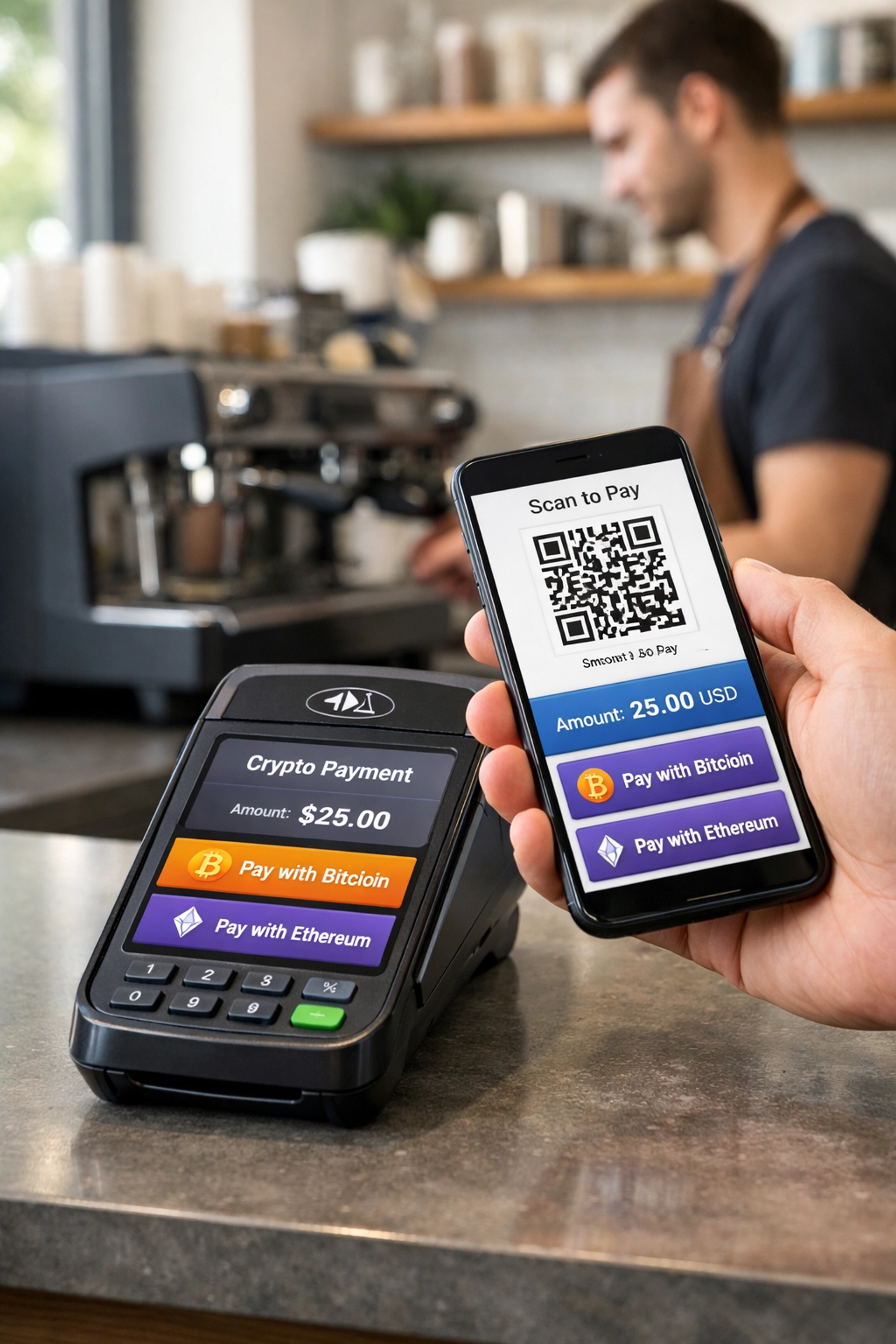
Larecoin's merchant portal simplifies crypto payments to tap-and-go simplicity. No coding required. No API complexity. No technical hurdles.
Merchants access:
Plug-and-play POS terminals
Instant QR code generation
Simple dashboard management
Automatic crypto-to-fiat conversion options
One-click integration with existing systems
Setup takes minutes, not weeks. Your barista can operate it, not just your IT team.
Mistake #6: Limited Payment Flexibility
The Problem
Customers want options. Some hold Bitcoin. Others prefer Ethereum, Solana, or niche altcoins.
Traditional crypto processors support popular tokens but lack true flexibility. You accept what they offer or nothing.
CoinPayments supports numerous cryptocurrencies but restricts merchant control over which specific tokens to accept. NOWPayments offers decent variety without customization power.
Your payment options get dictated by your processor, not your market.
How Larecoin Fixes It
Multi-chain ecosystem with swap and bridge functionality.
Larecoin accepts payments across blockchains through integrated DEX technology. Customers pay with any supported token. The system automatically swaps to your preferred currency: all behind the scenes.
Features include:
Cross-chain payment acceptance
Automatic token swapping at market rates
Bridge technology for seamless blockchain transfers
Custom token selection by merchants
Real-time FX calibration for accurate pricing
Accept everything. Receive what you want. Let the technology handle the complexity.
Mistake #7: Getting Locked into Centralized Platforms
The Problem
Centralized crypto payment processors control your business relationship.
They set fees. They determine supported coins. They implement policy changes. They freeze accounts. They require KYC. They access your customer data.
NOWPayments operates as a centralized service. CoinPayments functions as a centralized company. Both can change terms, increase fees, or suspend services at will.
You traded Visa's control for a crypto processor's control. Different master, same chains.
How Larecoin Fixes It
Decentralized infrastructure puts merchants in charge.
Built on blockchain technology with DAO governance, Larecoin distributes control across the ecosystem. No single entity decides fees, policies, or terms.
Merchant benefits:
DAO voting rights on platform changes
Community-driven fee structures
Decentralized governance preventing arbitrary decisions
Open-source transparency
Censorship-resistant payment processing
True merchant freedom requires decentralized infrastructure. Larecoin delivers it.

Stop Making These Mistakes
Crypto POS systems promised to liberate merchants from traditional payment processor tyranny.
Instead, most recreated the same problems with blockchain window dressing.
High fees? Check. Custody loss? Check. Centralized control? Check. Technical complexity? Check.
Larecoin breaks the pattern.
Gas-only fees save thousands annually. Self-custody keeps your crypto yours. NFT receipts innovate customer experience. LUSD provides decentralized stability. Simple integration removes technical barriers. Multi-chain flexibility accepts any payment. DAO governance ensures merchant freedom.
These aren't incremental improvements. This is how crypto payments should have worked from day one.
Your competitors are already switching. Merchants who understand fee structures don't overpay percentage-based processors. Businesses prioritizing independence choose decentralized infrastructure.
The question isn't whether to fix these mistakes. It's how much longer you can afford not to.
Check out Larecoin's merchant solutions and see the difference yourself.
Your POS system should work for you( not against you.)
Comments