

.png)
7 Mistakes You're Making with Merchant Interchange Fees (and How to Fix Them with Web3 Payments)
- [[[Free!!]<<<<]] Watch: 스포르팅 - 토트넘 Live Stream 13 September 2022
- Jan 22
- 4 min read
![Writer: [[[Free!!]<<<<]] Watch: 스포르팅 - 토트넘 Live Stream 13 September 2022](https://lh3.googleusercontent.com/a/AItbvmktwQc0wCdd3ZEETSYItRQubwwBzOyjD_dcigRf=s96-c)
Interchange fees are eating your margins alive.
Every swipe. Every tap. Every online checkout. You're bleeding 1.5% to 3.5% per transaction. And that's before the hidden fees hit.
Most merchants accept this as "the cost of doing business." They're wrong.
The traditional payment system is rigged against you. Card networks, issuing banks, payment processors: everyone takes a cut. You're at the bottom of the food chain.
But here's the thing. Web3 payments exist now. Decentralized. Transparent. Dramatically cheaper.
Let's break down the 7 costly mistakes you're making with interchange fees: and how to fix them with crypto payments.
Mistake #1: Assuming You Understand the Pricing Offer
"Interchange Plus" sounds straightforward. It's not.
Processors love ambiguity. They'll quote you a clean-sounding rate, then bury the real costs in:
Assessment fee markups
Network access fees
PCI compliance charges
Monthly statement fees
Batch processing fees
You think you're paying 2.4% + $0.10. Reality? Closer to 3.2% when everything's tallied.
The Web3 Fix: Blockchain transactions are transparent by design. With Larecoin, you see exactly what you pay: gas fees only. No hidden markups. No mysterious "assessment" line items. What you see is what you get.
Mistake #2: Letting Processors Hide Margins in "Assessments"
Here's a dirty secret.
Even with "cost-plus" pricing, processors embed extra margins in assessment categories. They label these charges as interchange fees on your statement. They're not.
You're paying processor profit disguised as network costs.
Good luck auditing it. The card networks publish interchange tables with 300+ rate categories. Your processor knows you won't check.
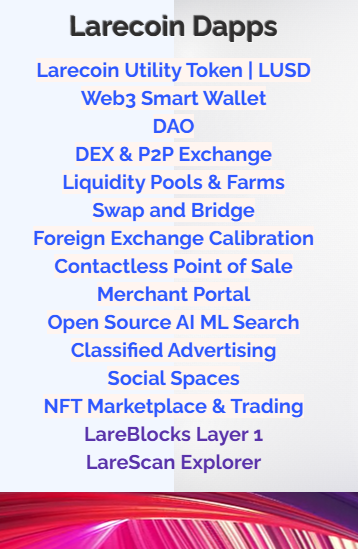
The Web3 Fix: Decentralized payments eliminate the middleman markup. Larecoin's ecosystem runs on LUSD (our stablecoin) and LARE tokens. Peer-to-peer. No processor sitting between you and your revenue.
Platforms like NOWPayments and CoinPayments offer crypto processing, sure. But they still charge 0.5% to 1% per transaction. Larecoin's self-custody model? You hold your funds. You control the flow. Minimal fees.
Mistake #3: Misclassifying Transactions
Transaction classification matters more than you think.
A card-present chip transaction costs less than a keyed-in transaction. Makes sense: lower fraud risk.
But here's where merchants get burned:
POS system misconfigured
EMV chip reader glitching
Staff manually entering card numbers
Every misclassified transaction bumps you into a higher interchange tier. Small errors compound into thousands in unnecessary fees annually.
The Web3 Fix: Crypto payments don't have "classification tiers." A blockchain transaction is a blockchain transaction. No card-present vs. card-not-present distinctions. No downgrades. No surprise rate hikes because your terminal malfunctioned.
Mistake #4: Not Settling Transactions Same-Day
Timing kills margins.
Card networks penalize delayed settlement. Batch your transactions at end-of-week instead of end-of-day? Higher interchange rates.
The logic: delayed settlement = higher risk = higher fees.
Most merchants don't even know this rule exists. They're paying the penalty every single month.
The Web3 Fix: Blockchain settlement is near-instant. Larecoin transactions on Solana finalize in seconds. Not hours. Not days. Seconds.

No batching required. No settlement windows. No penalties for "late" processing. Your funds arrive in your self-custody wallet immediately.
Mistake #5: Failing to Submit Level II/III Data
Want lower interchange rates on B2B transactions? Submit enhanced data.
Level II data includes:
Sales tax amount
Customer code
Merchant postal code
Level III goes deeper:
Line-item details
Product codes
Freight amounts
Card networks reward this data with lower rates. Why? More data = better fraud detection = lower risk.
Most merchants skip it. Too complicated. Too time-consuming. So they overpay.
The Web3 Fix: NFT receipts change everything.
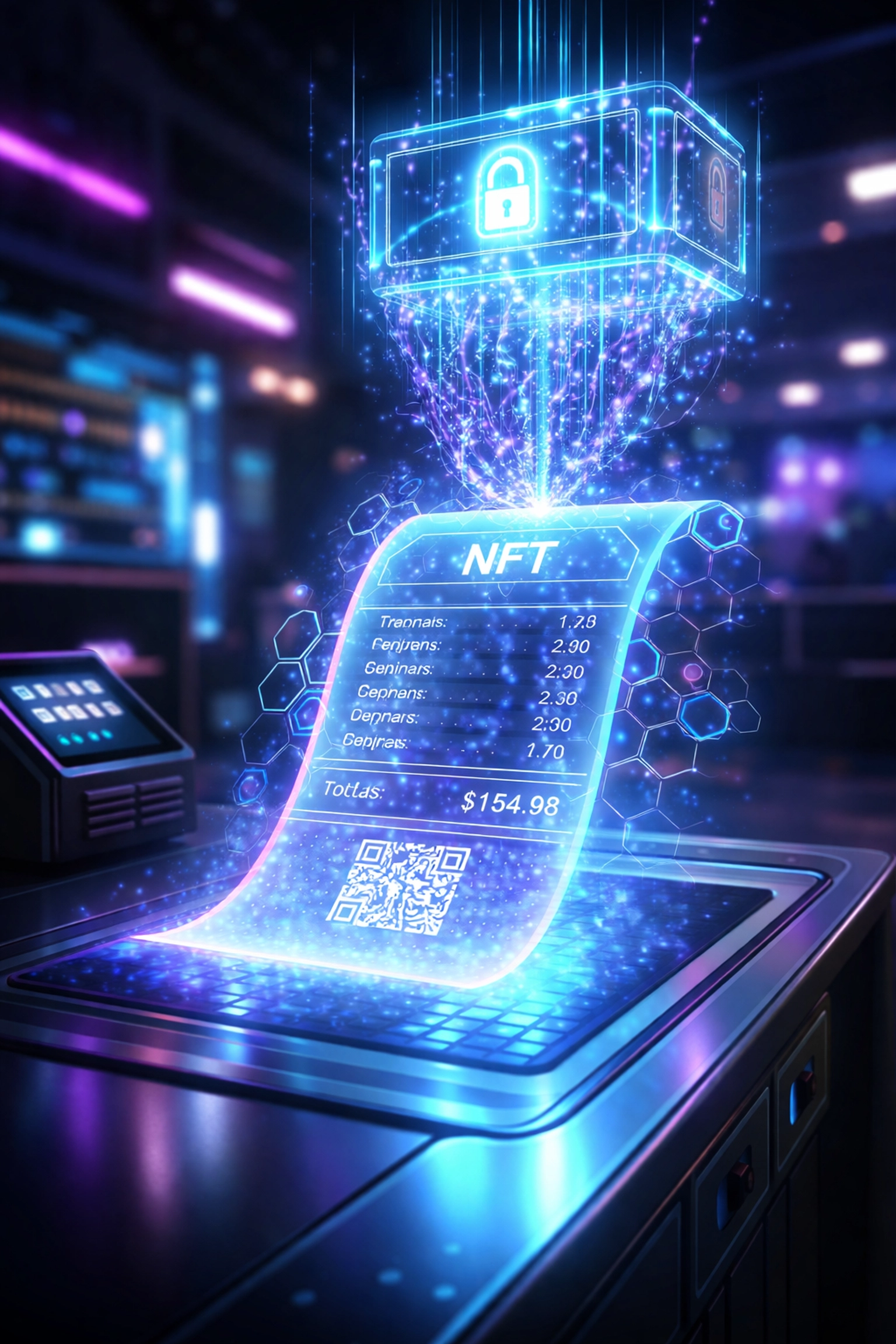
Larecoin's NFT receipt system captures transaction data on-chain. Every purchase. Every line item. Immutable. Verifiable. Automatic.
No manual data entry. No hoping your POS system formats things correctly. The blockchain handles it.
Plus, NFT receipts eliminate chargeback disputes. The transaction record exists forever, tamper-proof. Try disputing that.
Mistake #6: Staying Locked Into Centralized Processors
CoinPayments charges 0.5% per transaction. NOWPayments takes 0.5% to 1%. Both require you to trust their custody.
Your crypto sits in their wallets until withdrawal. Their servers. Their rules. Their potential security vulnerabilities.
That's not Web3. That's Web2 with a crypto skin.
True decentralization means self-custody. Your keys. Your coins. Your independence.
The Web3 Fix: Larecoin is built for merchant freedom.
Self-custody wallets: Funds go directly to you
LUSD stablecoin: Price stability without fiat conversion delays
LARE token: Ecosystem rewards and governance rights
Gas-only transfers: Pay network fees, nothing else
No intermediary holding your revenue hostage. No withdrawal limits. No "pending" status while a processor reviews your account.
Mistake #7: Ignoring Web3 Payments Entirely
The biggest mistake? Thinking crypto payments are "too complicated" or "too niche."
Reality check:
Crypto market cap: $2+ trillion
Global crypto users: 500+ million
Merchants accepting crypto: Growing exponentially
Your competitors are already onboarding. Every day you wait, you lose customers who prefer paying with digital assets.
And those customers? They're typically higher-value. Tech-savvy. Loyal to merchants who meet them where they are.
The Web3 Fix: Start accepting crypto today.
Larecoin makes it simple:
Set up your merchant wallet
Generate payment addresses or QR codes
Accept LUSD, LARE, SOL, and more
Funds hit your wallet instantly
No interchange fees. No chargebacks. No three-day settlement delays.
Just peer-to-peer commerce the way it should be.
The Numbers Don't Lie
Let's run quick math.
Average merchant processing $50,000/month in card transactions:
Cost Category | Traditional Cards | Larecoin |
Interchange fees | $1,250 (2.5%) | $0 |
Processor markup | $250 (0.5%) | $0 |
Monthly fees | $50 | $0 |
Chargeback costs | $100 | $0 |
Total Monthly | $1,650 | ~$25 gas |
Annual savings: $19,500+
That's real money. Back in your pocket. Funding growth instead of feeding intermediaries.
Make the Switch
Interchange fees aren't going away. Card networks have zero incentive to lower them. Processors have zero incentive to simplify pricing.
The system works perfectly: for everyone except you.
Web3 payments flip the script. Transparent fees. Instant settlement. Self-custody. True merchant independence.
Larecoin is building the infrastructure for this future. LUSD for stability. LARE for ecosystem participation. NFT receipts for bulletproof transaction records. Solana for speed.
Stop bleeding margin to middlemen.
Explore the Larecoin ecosystem and start keeping more of what you earn.
Key Takeaways
Hidden fees are everywhere in traditional payment processing
Transaction classification and settlement timing silently inflate your costs
Centralized crypto processors still take cuts and hold your funds
Self-custody Web3 payments eliminate interchange entirely
NFT receipts provide immutable proof against disputes
LUSD + LARE offer stable, decentralized payment rails
The future of merchant payments is decentralized. The question isn't if you'll adopt Web3: it's whether you'll lead or follow.
Comments