

.png)
7 Mistakes You're Making with Crypto POS Systems (and How Larecoin Fixes Them)
![Writer: [[[Free!!]<<<<]] Watch: 스포르팅 - 토트넘 Live Stream 13 September 2022](https://lh3.googleusercontent.com/a/AItbvmktwQc0wCdd3ZEETSYItRQubwwBzOyjD_dcigRf=s96-c)
Crypto POS systems promise freedom from card networks and instant global payments. Reality? Most merchants are losing money on hidden fees, giving up custody, and creating checkout nightmares.
You're probably making at least three of these mistakes right now.
Let's fix them.
Mistake #1: Paying Ridiculous Processing Fees
The Problem: Traditional crypto payment processors like NOWPayments charge 0.5-1% plus withdrawal fees. CoinPayments hits you with 0.5% transaction fees plus network costs. Add currency conversion and you're bleeding 2-3% per transaction.
That's nearly as bad as credit cards.
How Larecoin Fixes It: Gas-only transfers. No middleman percentage cuts.
You pay blockchain transaction costs: typically $0.02-$0.50 on Solana: and that's it. No monthly fees. No percentage cuts. No surprise withdrawal charges.
A $1,000 sale costs you fifty cents instead of $15-$30.
That's $150-$300 saved per $10,000 in revenue.
Real merchant freedom means keeping your money.

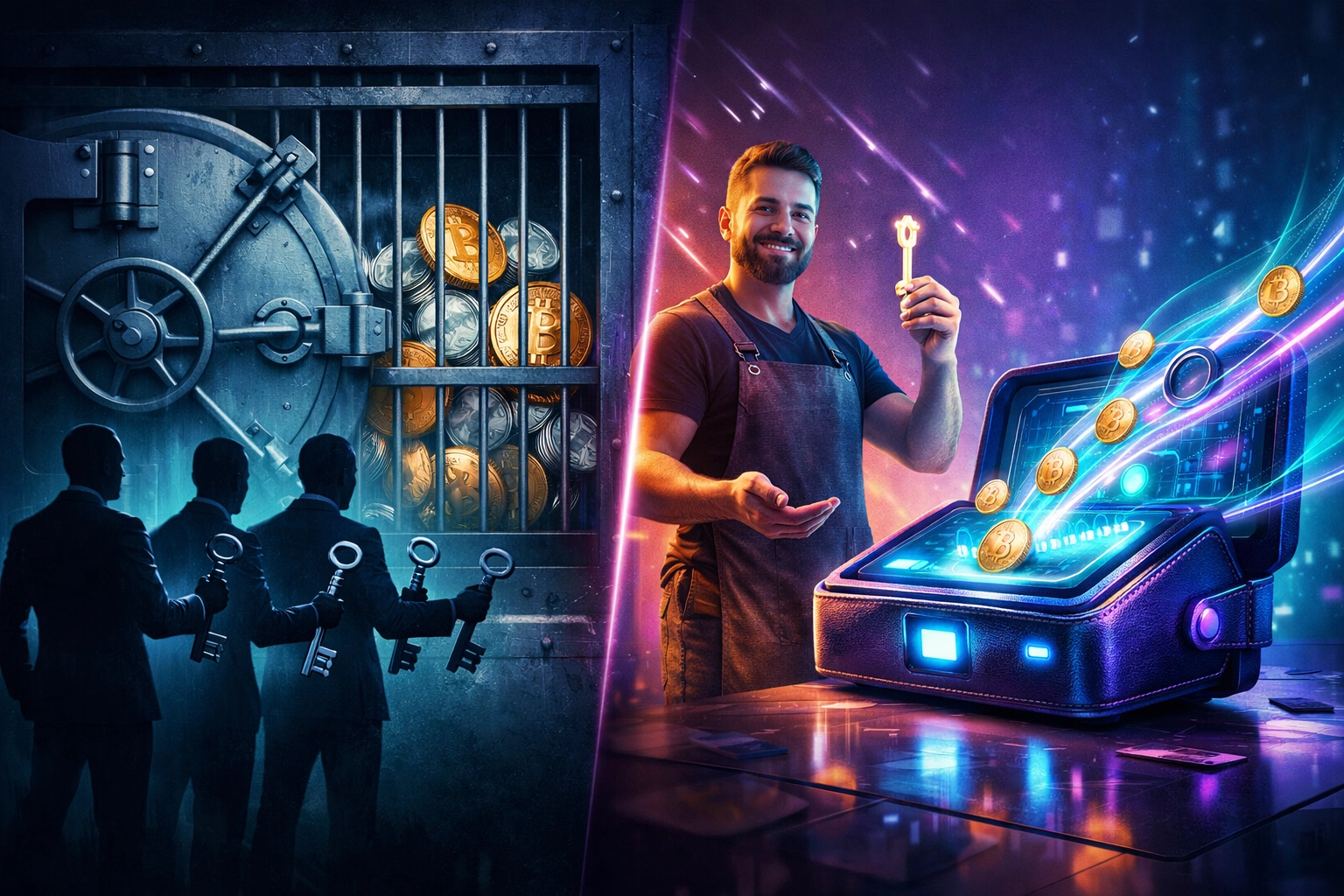
Mistake #2: Surrendering Custody to Payment Processors
The Problem: NOWPayments, CoinPayments, and similar platforms hold your crypto in their wallets. You're trusting a third party with your funds until they release payments to you.
Sound familiar? That's exactly the banking system you tried to escape.
When FTX collapsed, merchants learned the hard way: not your keys, not your coins.
How Larecoin Fixes It: Complete self-custody from transaction one.
Payments flow directly to your wallet. No intermediary holds your funds. No waiting for batch withdrawals. No KYC delays.
Your crypto. Your control. Your timeline.
The Larecoin ecosystem operates on decentralized infrastructure: you're the sole authority over your receivables. This is Web3 payments as they were meant to function.
Mistake #3: Accepting Every Token Under the Sun
The Problem: Your POS system supports 150+ cryptocurrencies.
Sounds impressive. Actually creates chaos.
85-90% of crypto transactions happen in Bitcoin, Ethereum, and stablecoins. Supporting obscure altcoins adds complexity, increases security risks, and complicates accounting.
Most of those tokens never get used.
How Larecoin Fixes It: Strategic token focus with LUSD stablecoin integration.
LARE token for the ecosystem. LUSD for stable transactions without volatility risk. Solana for lightning-fast settlement.
Three focused options that cover 99% of merchant needs:
LARE for crypto-native customers
LUSD for price stability (perfect for inventory and payroll)
Cross-chain swaps when needed
Simple. Secure. Manageable.
No spreadsheet nightmares tracking 47 different tokens at tax time.
Mistake #4: Creating Checkout Friction That Kills Conversions
The Problem: Customer scans QR code. Waits. Confusion. Where's the confirmation?
Did it work? Should they scan again?
Conversion rates drop 20-40% when checkout flows lack clarity. Mobile abandonment skyrockets when customers can't tell if their payment processed.
Traditional processors prioritize their dashboard over your customer experience.
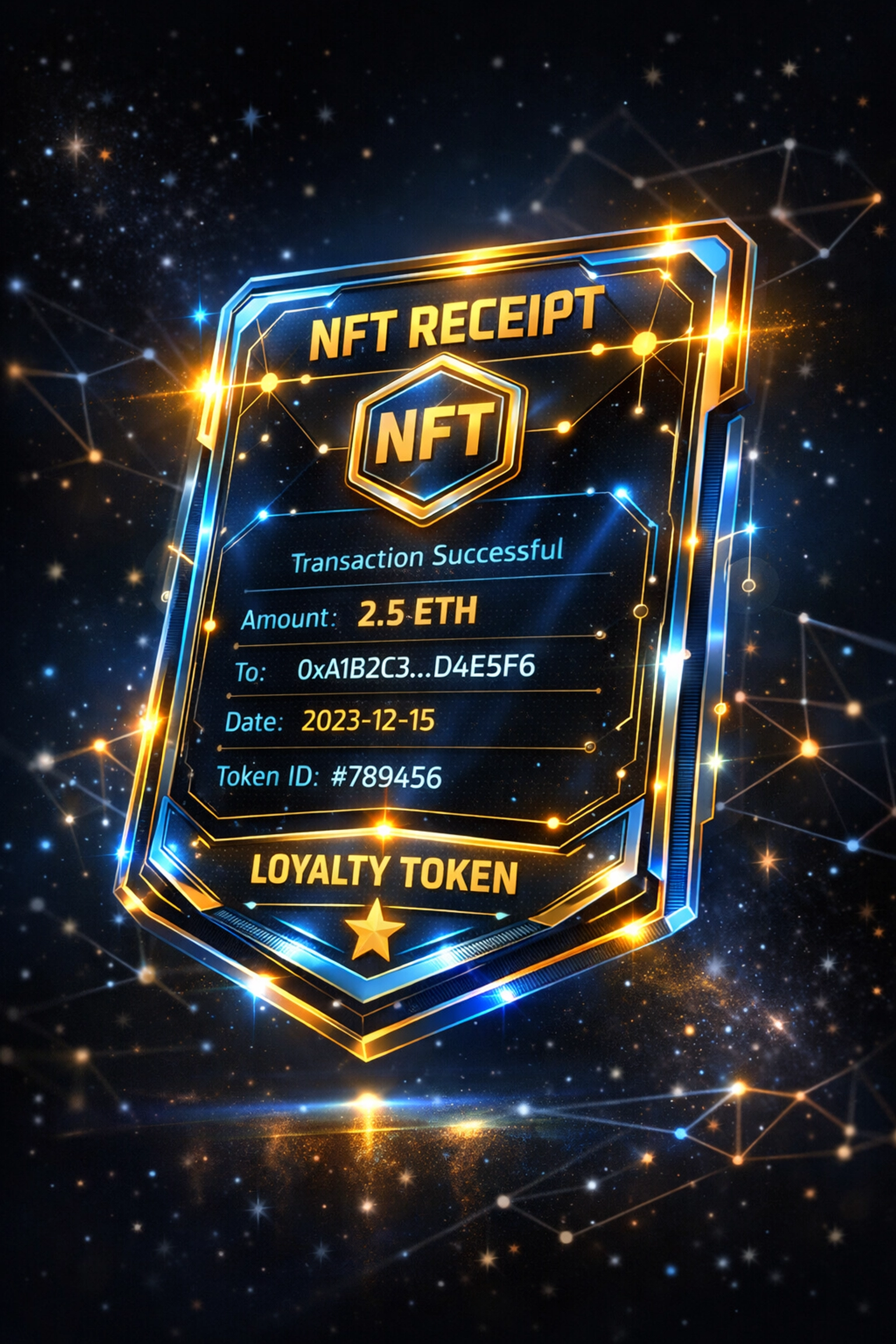
How Larecoin Fixes It: NFT receipt system that transforms confirmations into value.
Every transaction generates an NFT receipt: instant, verifiable, collectible.
Customers see immediate confirmation. You get permanent transaction records. Both parties hold cryptographic proof.
But here's the innovation: those NFT receipts become loyalty rewards, membership tokens, or exclusive access passes.
Transform boring payment confirmations into engagement opportunities.
Your competitors send boring email receipts. You're building a community.
Mistake #5: Operating Without Proper Refund Protocols
The Problem: Crypto transactions are irreversible.
Customer wants a refund. Your support ticket takes 2-3x longer than card refunds. No established protocol. Manual wallet transfers. Accounting nightmares.
CoinPayments and NOWPayments offer refund features: but they require maintaining balance in their custody, defeating the purpose of crypto independence.
How Larecoin Fixes It: Smart contract refund protocols with full transparency.
Set refund rules at the transaction level. Automated processes reduce support time by 60%. All refunds tracked on-chain with complete audit trails.
Self-custody means you control refund timing without intermediary approval. Push refunds directly to customer wallets from your system.
Clear policies. Fast execution. Zero custody sacrifice.
Mistake #6: Treating Crypto as an Island
The Problem: Your crypto POS doesn't talk to your accounting software. Sales data lives in one system. Crypto transactions in another. Inventory tracking in a third.
You're manually reconciling everything monthly.
Integration gaps cost you 10-15 hours monthly on administrative work that should be automated.
How Larecoin Fixes It: Open ecosystem designed for interoperability.
API access to merchant portal. Webhook notifications for real-time updates. Export formats compatible with QuickBooks, Xero, and standard accounting platforms.
The Larecoin merchant dashboard consolidates transaction data, inventory management, and customer analytics in one interface.
Your POS system should enhance operations: not create data silos.
Connect everything. Automate reconciliation. Focus on growth instead of spreadsheets.
Mistake #7: Assuming Customers Know How to Pay With Crypto
The Problem: Customer wants to use crypto. They don't have a funded wallet. They've never dealt with network fees. Private key management seems scary.
You lose the sale.
The biggest adoption barrier isn't technology: it's education. Most crypto POS providers hand you a QR code and call it done.
How Larecoin Fixes It: Built-in educational tools and simplified onboarding.
The Larecoin smart wallet reduces technical complexity to phone-app simplicity. One-tap payments without managing gas fees manually. Clear confirmation states that match customer expectations from card payments.
Merchant resources include in-store signage templates, customer guides, and video tutorials.
More importantly: the Larecoin ecosystem attracts crypto-native users already comfortable with Web3 payments. When you accept LARE, you're joining a community: not just adding a payment option.
The Real Cost of These Mistakes
Let's calculate what these mistakes actually cost:
Merchant A using NOWPayments:
$50,000 monthly volume
1% processing fee: $500
Withdrawal fees: $75
Customer service for refund issues: 8 hours monthly ($240 at $30/hour)
Lost sales from checkout friction: $2,000 (conservative 4% abandonment)
Total monthly cost: $2,815
Merchant B using Larecoin:
$50,000 monthly volume
Gas fees: approximately $25
Refund automation saves: 5 hours monthly ($150)
Improved conversion from NFT receipts: +$1,000 additional sales
Net benefit: $3,790 monthly difference
That's $45,480 annually.
For a single decision.
Why This Matters in 2026
Payment processor dominance is ending.
Merchants are discovering that "crypto-friendly" processors still operate like banks: taking percentages, holding custody, controlling access.
Larecoin represents actual decentralization:
Direct wallet-to-wallet transactions
Zero intermediary control
Merchant-first fee structures
Self-custody as default
NOWPayments and CoinPayments served an important purpose when crypto was new. They made adoption easier by mimicking traditional payment flows.
But we're past that phase.
Merchants don't need training wheels anymore. They need independence.
The Bottom Line
Stop paying processors to be your crypto middleman.
Stop surrendering custody of your earnings.
Stop accepting payment systems designed for 2018.
The seven mistakes outlined here aren't just inefficiencies: they're telling you that your current POS system was built for payment processors to profit, not for merchant freedom.
Larecoin flips that model.
You keep more money. You control your funds. You own the customer relationship through NFT receipts. You operate on truly decentralized infrastructure.
This is Web3 payments without compromise.
Ready to fix these mistakes? Explore Larecoin's merchant solutions and see what crypto POS systems should have been from the start.
The revolution isn't coming.
It's already here.
Comments