

.png)
7 Mistakes You're Making with Crypto POS Systems (And How NFT Receipts Fix Them)
![Writer: [[[Free!!]<<<<]] Watch: 스포르팅 - 토트넘 Live Stream 13 September 2022](https://lh3.googleusercontent.com/a/AItbvmktwQc0wCdd3ZEETSYItRQubwwBzOyjD_dcigRf=s96-c)
You switched to crypto payments to escape legacy finance. Yet somehow you're still bleeding fees, surrendering custody, and playing by someone else's rules.
Here's the reality: Most crypto POS systems are just PayPal with blockchain stickers slapped on top.
Let's break down the seven critical mistakes merchants make, and why NFT receipts aren't just a gimmick, they're the infrastructure upgrade you didn't know you needed.
Mistake #1: Burning Cash on Processing Fees
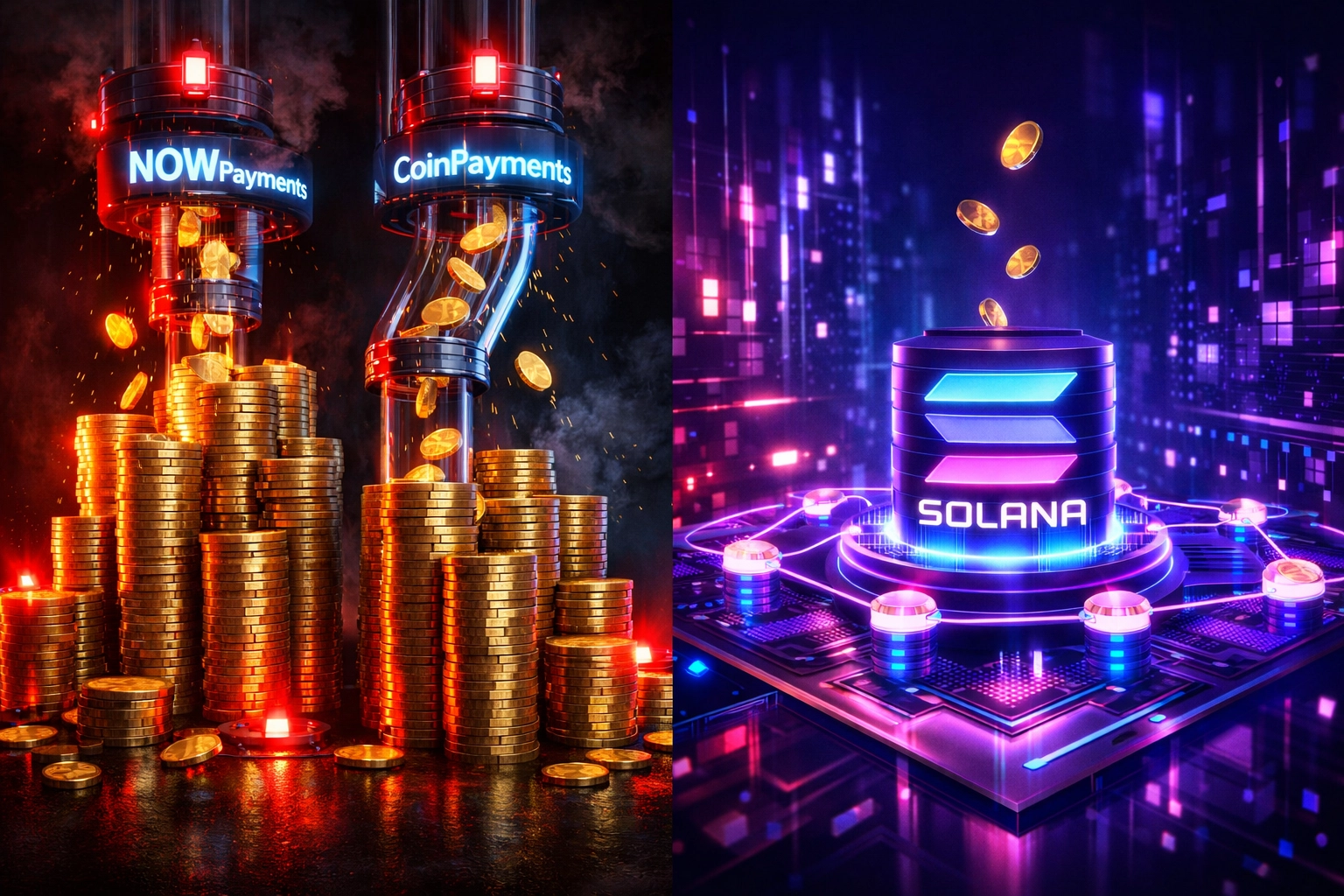
NOWPayments charges 0.5% per transaction. CoinPayments? Same deal.
Run the numbers: $500K annually = $2,500 in fees. Hit $2M in volume? You're handing over $10,000 to intermediaries.
For what exactly? Permission to accept internet money?
The Fix: True Web3 infrastructure charges zero processing fees. Larecoin operates on gas-only transfers, you pay network costs, not middleman margins. On Solana, that's fractions of a penny per transaction.
Mistake #2: Surrendering Self-Custody
Most processors hold your crypto before "releasing" it. Batched payouts. Minimum withdrawal thresholds. Processing delays.
Sound familiar? That's because it's identical to traditional payment processors, just with extra steps and blockchain buzzwords.
The Fix: Payments land directly in your self-custody wallet. No intermediary. No holding period. No "we'll get to it in 2-3 business days."
This isn't just philosophical purity, it's operational efficiency. When customers pay, you receive. Instantly. That's how blockchain is supposed to work.
Mistake #3: Using Stone Age Receipt Systems
Paper receipts destroy forests. Email receipts live in spam folders. Both systems exist outside the blockchain ecosystem you're supposedly embracing.
Here's what traditional receipts can't do:
Prove authenticity without trusting the issuer
Include programmable loyalty rewards
Enable secondary market trading
Provide verifiable proof of purchase years later
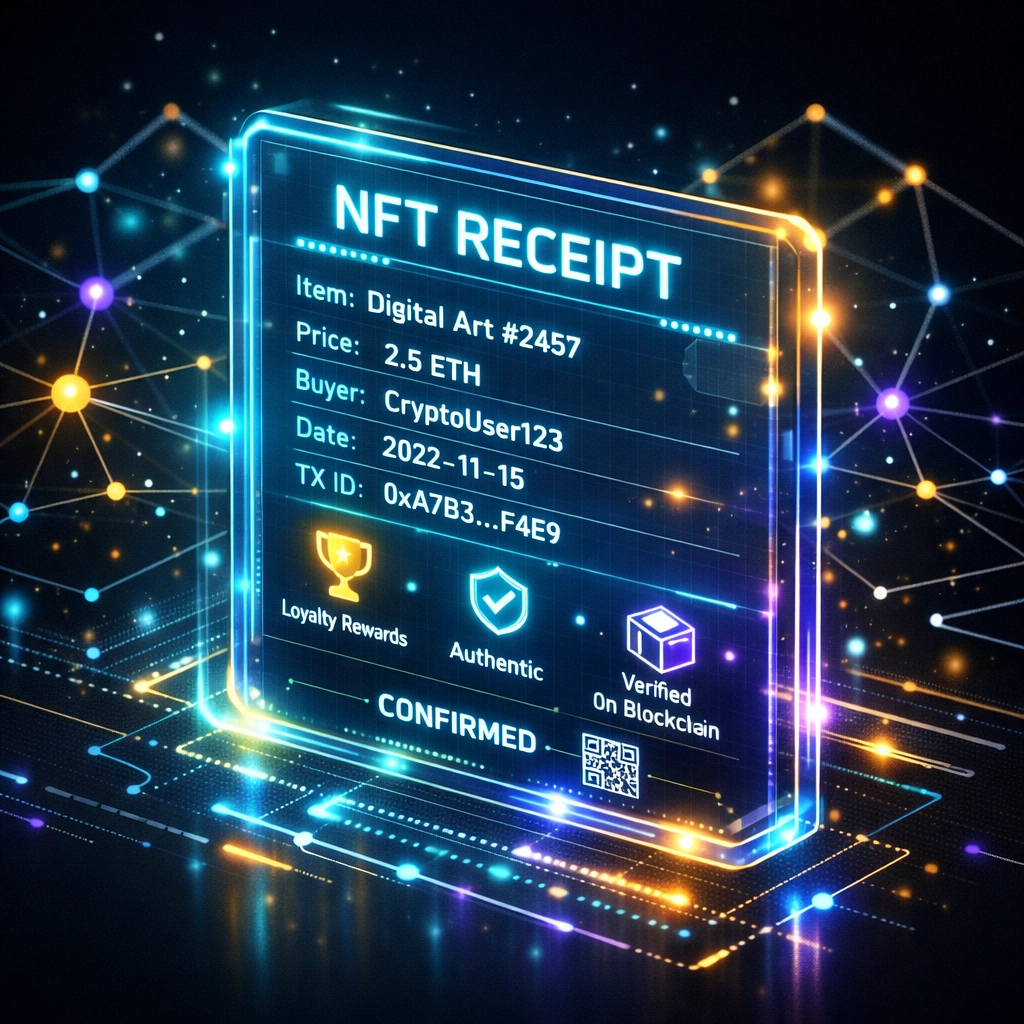
The Fix: NFT receipts transform transaction records from disposable garbage into permanent, verifiable digital assets. Each receipt mints as an immutable blockchain record, impossible to forge, easy to verify, and ready for Web3 integration.
Plus? Customers can showcase purchases, redeem embedded perks, or even resell limited-edition receipts in secondary markets. Try doing that with a crumpled paper slip.
Mistake #4: Accepting Only Centralized Stablecoins
USDT and USDC dominate most processors. Both are controlled by single entities that can freeze funds and blacklist addresses on demand.
You escaped Visa's compliance department just to hand control to Tether? That's not decentralization, that's swapping masters.
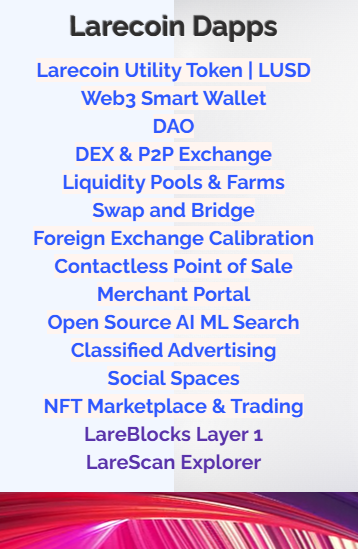
The Fix: Larecoin supports LUSD, the decentralized stablecoin backed by ETH collateral with zero centralized control. No company can freeze your LUSD. No government can pressure a CEO to block transactions.
Plus, Larecoin accepts multiple tokens across chains while maintaining compliance through rigorous US regulatory frameworks including MSB registration and state-level MTL strategies. You get freedom without sacrificing legitimacy.
Mistake #5: Making Setup a Technical Nightmare
Traditional crypto processors demand API integrations. Developer resources. Technical expertise most small businesses don't have.
The barrier to entry is deliberately high because complexity justifies fees.
The Fix: Larecoin's contactless POS requires zero coding. Download the merchant app. Generate your wallet. Start accepting payments.
The entire setup takes under 10 minutes. No APIs. No developer hours. No excuses.
Mistake #6: Limiting Customer Payment Options
Most processors support BTC, ETH, and 2-3 stablecoins. Why? Because supporting diverse tokens requires actual infrastructure investment.
Yes, 85-90% of crypto payments use major coins. But that remaining 10-15%? That's real customers with real money you're rejecting because your processor can't handle token diversity.
The Fix: Larecoin's multi-chain architecture accepts payments across Solana, Ethereum, and expanding networks. Customers pay with their preferred tokens while you receive settlements in your chosen currency.
Swap and bridge functionality happens behind the scenes through integrated liquidity pools. Your customer experience stays smooth while technical complexity disappears.

Mistake #7: Trading One Middleman for Another
Crypto processors set fees unilaterally. Determine supported coins without merchant input. Change policies whenever convenient. Freeze accounts at their discretion.
You ditched Visa's control structure just to rebuild it with blockchain aesthetics.
The Fix: Web3 payments should operate through decentralized infrastructure, not recreate centralized chokepoints.
Larecoin's DAO structure gives merchants actual governance participation. You're not a customer: you're an ecosystem participant with voting rights on protocol changes, fee structures, and network evolution.
Plus, Larecoin's US compliance strategy isn't about seeking permission from centralized entities: it's about meeting regulatory standards while maintaining decentralized architecture. MSB registration and state MTL frameworks prove you can be both compliant and truly decentralized.
The Infrastructure Upgrade You Actually Need
Here's what separates marketing hype from genuine innovation:
Traditional Processors: Charge fees → Control your funds → Limit token support → Require complex setup → Operate centrally
Larecoin: Zero processing fees → Instant self-custody → Multi-chain support → 10-minute setup → Decentralized governance
The difference isn't incremental. It's architectural.

Why NFT Receipts Matter More Than You Think
NFT receipts aren't gimmicks: they're the infrastructure layer that makes everything else possible.
Each transaction generates an immutable record containing:
Purchase details
Timestamp
Wallet addresses
Product metadata
Embedded loyalty rewards
This creates verifiable transaction history without trusting any central authority. It enables loyalty programs that operate across merchants. It allows secondary markets for limited editions.
Most importantly? It proves crypto payments can deliver experiences impossible in traditional finance: not just replicate existing systems with extra steps.
Compliance Without Compromise
Larecoin operates with full US regulatory compliance through MSB registration and state-level MTL strategies. This isn't about asking permission: it's about meeting standards while maintaining decentralization.
Competitors like NOWPayments and CoinPayments operate in regulatory gray areas or compromise on decentralization to achieve compliance. Larecoin proves you can have both.
The rigorous compliance framework protects merchants from regulatory risk while maintaining the self-custody and fee-free structure that makes crypto payments worth adopting.
Make the Switch
You didn't embrace crypto payments to recreate Visa with blockchain stickers.
Stop accepting 0.5% fees as inevitable. Stop surrendering custody to processors. Stop settling for centralized stablecoins and limited token support.
Explore Larecoin's merchant solutions at larecoin.com and discover what Web3 payments should actually look like.
Zero processing fees. Instant self-custody. Multi-chain support. NFT receipts. Decentralized governance.
That's not the future of payments. That's available infrastructure today.
Your current POS system is making seven mistakes. Time to fix all of them at once.
Comments