

.png)
Are Centralized Crypto Payment Processors Dead? Why Merchants Are Switching to Self-Custody in 2026
- [[[Free!!]<<<<]] Watch: 스포르팅 - 토트넘 Live Stream 13 September 2022
- Jan 30
- 5 min read
Dead? Not quite. But bleeding out? Absolutely.
Centralized crypto payment processors like NOWPayments and CoinPayments are still processing transactions in 2026. They cleared regulatory approvals. They adapted to MiCA and the GENIUS Act. They're compliant.
But here's what they're not: your payment processor.
They're middlemen taking cuts. Controlling your funds. Setting withdrawal limits. Blocking countries. Changing terms overnight.
Merchants are waking up to a simple truth: Why hand over 0.5-1% fees plus withdrawal charges when you can process payments for gas only?
That's the self-custody revolution. And Larecoin is leading it.
The Real State of Centralized Processors in 2026
Let's kill the clickbait premise right now.
Centralized processors aren't disappearing. BVNK, CoinsPaid, Triple A, Stripe's Bridge acquisition: all active. All growing.
Three payment models dominate the landscape:
Wallet-to-wallet for crypto-native businesses
Hybrid crypto-to-fiat for merchants wanting stability
Embedded infrastructure where crypto works behind the scenes
The shift isn't about death. It's about control.
Regulatory compliance drove centralization. MiCA in Europe. California's DFAL. The CLARITY Act debates in the U.S. Senate.
Centralized platforms embedded real-time monitoring, custody solutions, and proof-of-reserves to survive. That's expensive. Those costs get passed to merchants.

Three Reasons Merchants Are Ditching Centralized Gateways
1. The Fee Trap
NOWPayments charges 0.5% on transactions. Sounds reasonable until you process $50K monthly.
That's $250 in fees. Every month. Plus withdrawal fees. Plus currency conversion spreads if you want fiat.
CoinPayments? 0.5% plus network fees. Plus their withdrawal minimums. Plus KYC delays if you want to move YOUR money.
Larecoin? Gas-only transfers.
You pay Solana network fees: a few cents per transaction. That's it. No platform cuts. No monthly subscriptions. No surprise charges when volume spikes.
A merchant processing $50K monthly saves $3,000 annually just on platform fees. That's inventory. That's payroll. That's actual business growth.
2. Custody Means They Own Your Money
Using NOWPayments or CoinPayments means your crypto sits in their wallets. Not yours.
They control withdrawals. They set limits. They freeze accounts for "security reviews."
One merchant waited 48 hours for a withdrawal approval during a crypto price swing. Lost 8% of their payment value just sitting in someone else's wallet.
Larecoin runs on self-custody wallets. Your keys. Your crypto. Your control.
Payments flow directly to your Solana wallet. No intermediary holding period. No approval process. No begging customer support to release YOUR funds.
When you need liquidity? Instant. Swap LARE to LUSD for stability. Push to your debit card. Convert to fiat on your timeline.
3. Platform Risk Is Real
Centralized processors can:
Change fee structures mid-contract
Add new compliance requirements
Block certain countries or products
Shut down without notice (see: multiple 2024-2025 processor exits)
Every centralized gateway is a single point of failure. A regulatory target. A business dependency you don't control.
Larecoin operates on Solana's decentralized blockchain. No CEO can shut it down. No board can pivot the business model. No regulator can freeze the network.
The protocol is the product. And it's censorship-resistant.

What Self-Custody Actually Looks Like for Merchants
Self-custody sounds technical. It's not.
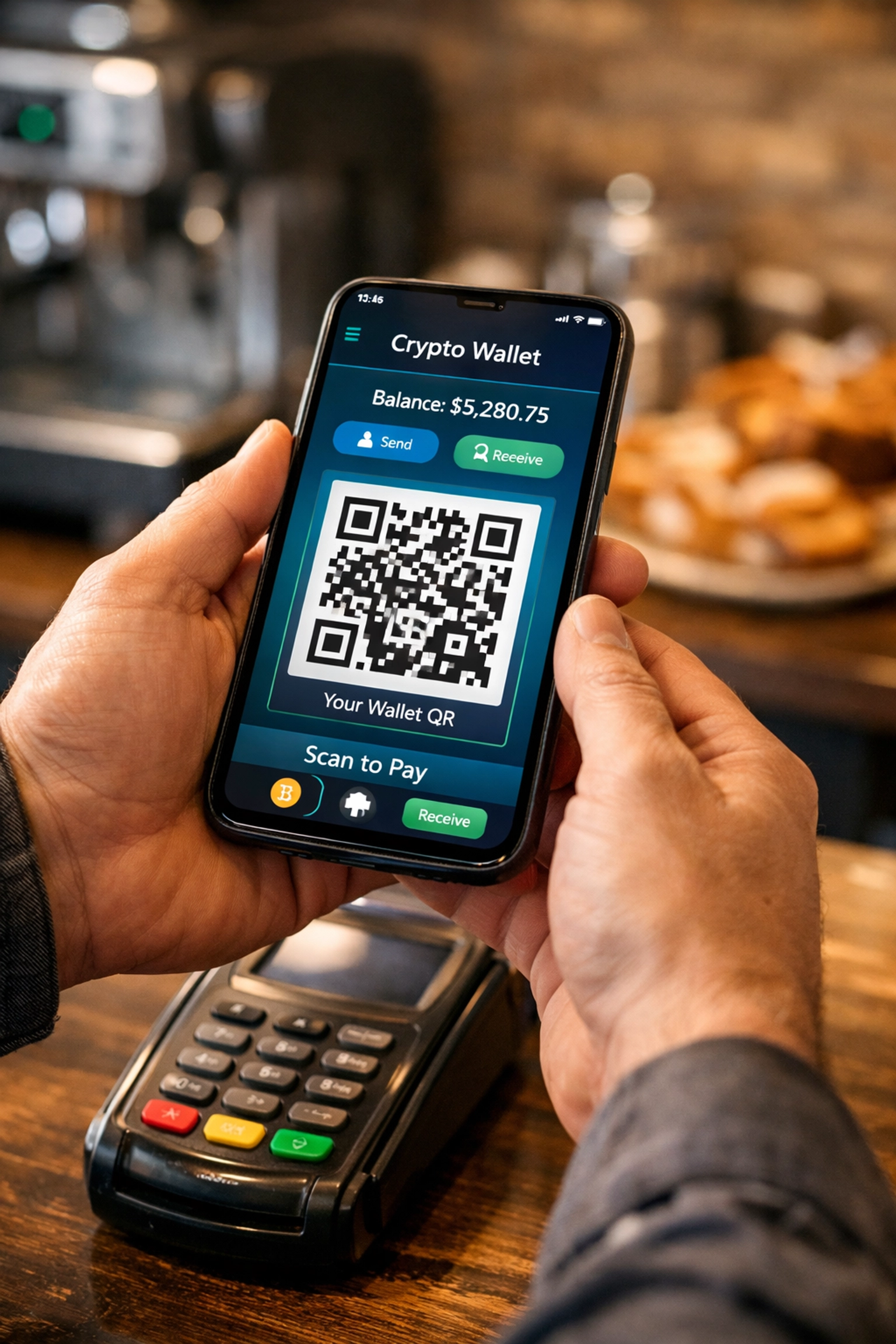
You download a Web3 wallet. Phantom or Solflare work perfectly. You generate a receiving address.
That's your payment terminal.
Customer wants to pay in crypto? They scan your QR code or copy your address. They send LARE, LUSD, SOL, or any SPL token. Transaction settles in seconds.
You receive the payment directly. No third party. No holding period. No approval workflow.
Your wallet shows the balance immediately. You control the next step:
Hold LARE for appreciation
Convert to LUSD for stability
Swap to SOL for liquidity
Push to your bank card via Larecoin's card services
LUSD: The Stability Bridge
Merchant adoption dies on volatility. You can't run a business on 10% daily price swings.
LUSD solves this. Larecoin's integrated stablecoin maintains dollar parity. It's built for merchant settlements.
Accept crypto payments in LARE, SOL, or any token. Instantly swap to LUSD at point of sale. Your payment value stays stable.
Push LUSD to your debit card when you need fiat. Or hold it on-chain for future purchases. Your choice. Your timeline.
No centralized processor gatekeeping your access to stability.
NFT Receipts: Proof That Actually Matters
Every Larecoin transaction can generate an NFT receipt. On-chain. Permanent. Unfakeable.
Why does this matter for merchants?
Accounting becomes auditable. Your CPA can verify every transaction on the blockchain. No reconciliation nightmares. No missing receipts.
Disputes disappear. Customer claims they didn't receive their order? The NFT receipt shows the timestamp, amount, and wallet addresses. Immutable proof.
Loyalty programs get real. Issue NFT receipts with reward metadata. Customers who hold 10 receipt NFTs get 15% off. Gamify your entire customer experience.
Centralized processors give you CSV files. Larecoin gives you programmable, verifiable, tradeable proof of commerce.
That's not a payment processor. That's infrastructure for the next generation of retail.
The Real Cost Comparison: Centralized vs. Self-Custody
Let's run actual numbers.
$10,000 Monthly Volume Scenario:
NOWPayments:
Platform fee (0.5%): $50
Withdrawal fee: ~$5-25 depending on coin
Monthly cost: $55-75
CoinPayments:
Platform fee (0.5%): $50
Network withdrawal fees: $5-30
Monthly cost: $55-80
Larecoin Self-Custody:
Gas fees (Solana): ~$0.02 per transaction
100 transactions: $2
Withdrawal to card: Minimal network fees
Monthly cost: ~$5-10
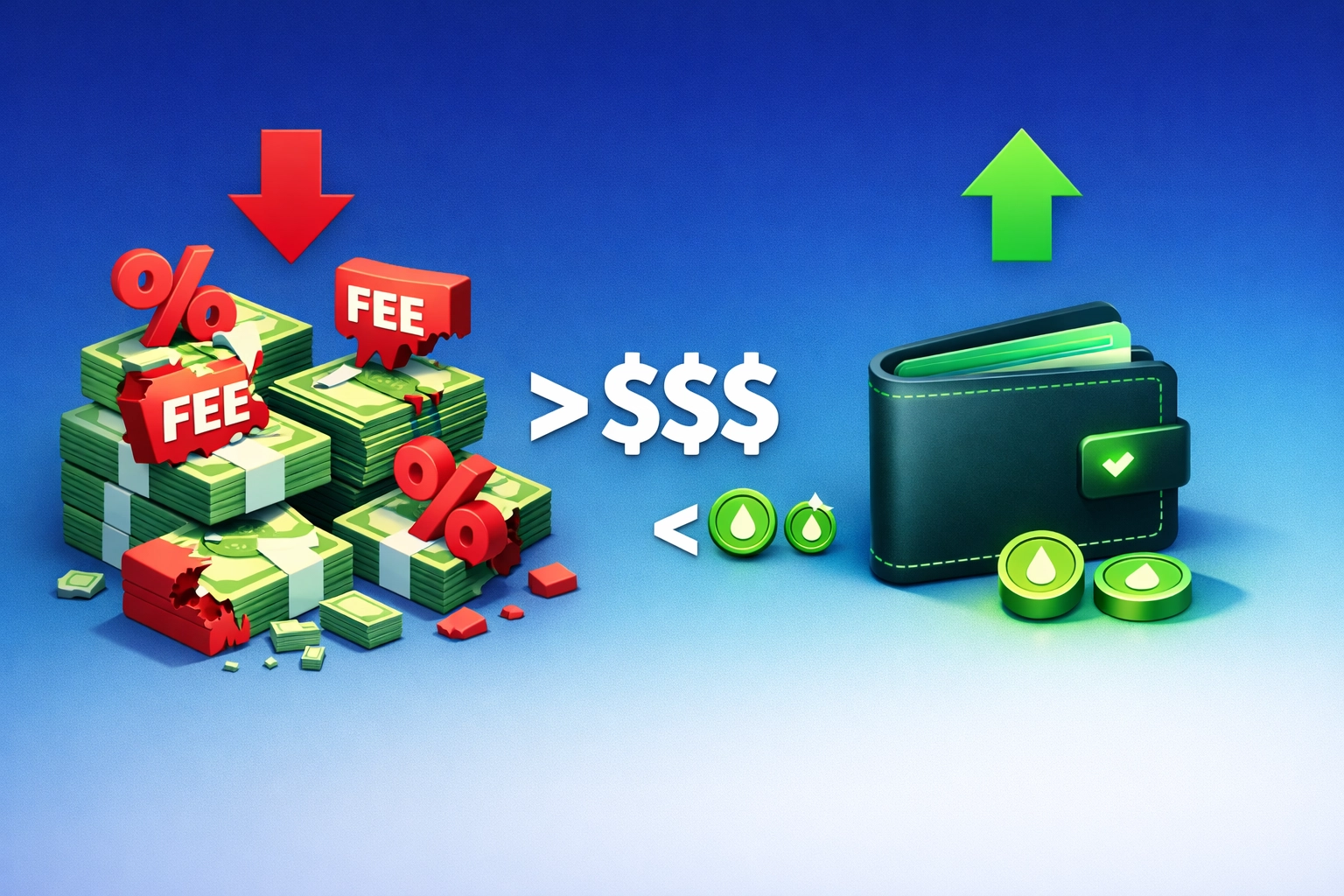
You save 85-90% on payment processing. Over a year? That's the difference between profitability and shutdown for small merchants.
Scale this to $100K monthly volume. Centralized processors cost $500-800 monthly. Larecoin costs $50-100.
The math is brutal. And merchants are calculating.
The CLARITY Act Changes Everything
The Digital Asset Market Clarity Act just flipped the board.
Utility tokens like Larecoin now fall under CFTC oversight. Not SEC securities laws. That's massive regulatory relief.
Payment-focused ecosystems get clearer operating guidelines. Stablecoins like LUSD get dedicated frameworks. Self-custody rights get protected by statute.
Merchants adopting Larecoin aren't just saving money. They're building on the right side of 2026's regulatory landscape.
Centralized processors had to build compliance infrastructure. Expensive infrastructure. That cost gets passed down.
Larecoin's decentralized model avoids that entire cost center. Lower overhead means lower merchant costs. Forever.
Who's Actually Making the Switch?
Small businesses move fastest. Coffee shops. Online boutiques. Service providers tired of Stripe's 2.9% credit card fees.
They're discovering crypto payments cut costs without sacrificing UX. QR code payments are faster than card swipes. No chargebacks. No processing delays.
One merchant at Larecoin's community forum reported $800 monthly savings after switching from CoinPayments to self-custody with LARE.
Another handles international orders without currency conversion fees. Customer pays in LARE from Japan. Merchant receives it in real-time. Converts to LUSD. Stable value regardless of borders.
Freelancers love the instant settlement. No waiting for PayPal's 2-3 day holds. Client sends LARE. Invoice marked paid. Cash flow moves at blockchain speed.
The Future Is Already Here
Centralized crypto processors aren't dead. They're just becoming obsolete.
Like landlines. Like fax machines. Still functional. Still used by some. But not the future.
Merchants who want control are moving to self-custody. They're choosing Larecoin for:
Gas-only transaction fees
Direct wallet payments
LUSD stability integration
NFT receipt innovation
Zero platform cuts
The technology works today. Not in some roadmap. Not after the next update.
Right now. On Solana. With Larecoin.
The question isn't whether centralized processors will survive. They will. For merchants who want someone else managing compliance, they'll stay relevant.
The real question: Do you want to own your payment infrastructure? Or rent it forever?
Self-custody isn't just cheaper. It's merchant freedom.
Ready to cut the middleman?
Join the Larecoin community and start accepting crypto payments on your terms. Your wallet. Your control. Your business.