

.png)
Are Traditional Crypto Payment Gateways Dead? 5 Reasons Larecoin's Receivables Token Model Crushes NOWPayments
![Writer: [[[Free!!]<<<<]] Watch: 스포르팅 - 토트넘 Live Stream 13 September 2022](https://lh3.googleusercontent.com/a/AItbvmktwQc0wCdd3ZEETSYItRQubwwBzOyjD_dcigRf=s96-c)
The crypto payment gateway space is fracturing. Hard.
Traditional solutions like NOWPayments and CoinPayments built their empires on custodial rails and percentage-based fees. Merchants tolerated it because there weren't better options.
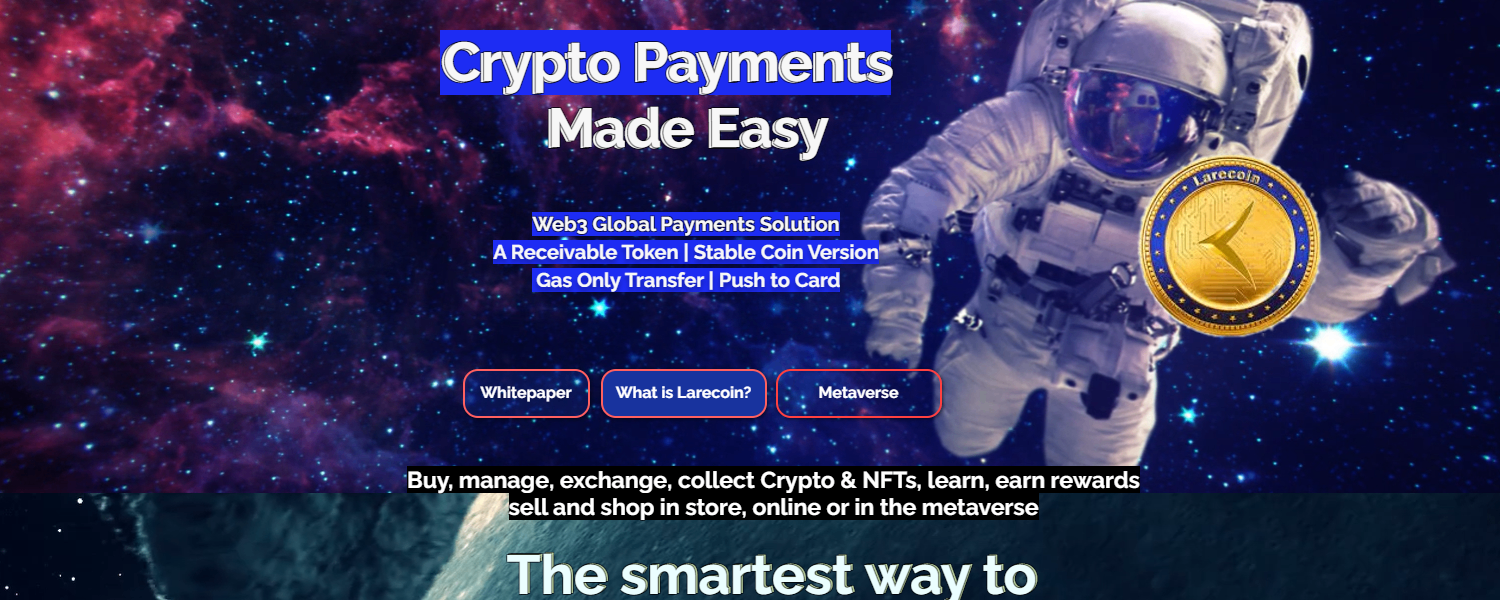
That changed when Larecoin launched its receivables token model.
We're not here to play nice with legacy payment infrastructure. We're here to replace it entirely with Web3-native architecture that actually makes sense for 2026 and beyond.
Here's why traditional gateways are becoming obsolete: and how Larecoin's receivables token model is leading the charge.
The Fundamental Problem with Traditional Crypto Gateways
NOWPayments charges 0.5% per transaction. CoinPayments takes up to 0.5% plus network fees. Both hold your crypto in custodial wallets.
You're paying them to control YOUR money.
The receivables token model flips this completely. Instead of losing value with every transaction, merchants generate tradeable assets that represent future receivables. These tokens are NFT-based receipts with actual financial utility.
No middleman custody. No percentage cuts. Just gas fees and complete ownership.
Reason #1: Fee Structure That Actually Respects Your Bottom Line
Traditional gateways bleed you dry with percentage-based pricing models.
Process $100,000 in crypto payments through NOWPayments? You're handing over $500. Scale to $1 million? That's $5,000 gone: just for payment processing.
Larecoin's receivables token model operates on gas-only transfers. You pay blockchain transaction fees. That's it. No percentage cuts. No hidden processing charges. No monthly platform fees.
The math is brutal for traditional gateways:
NOWPayments: 0.5% per transaction + withdrawal fees
CoinPayments: 0.5% per transaction + network fees
Larecoin: Only network gas fees
For high-volume merchants, this difference compounds into six-figure annual savings.
The receivables token itself becomes a financial instrument. You can hold it, trade it, or use it as collateral. Traditional gateways give you nothing but a transaction confirmation email.
Reason #2: NFT Receipts Unlock Programmable Commerce
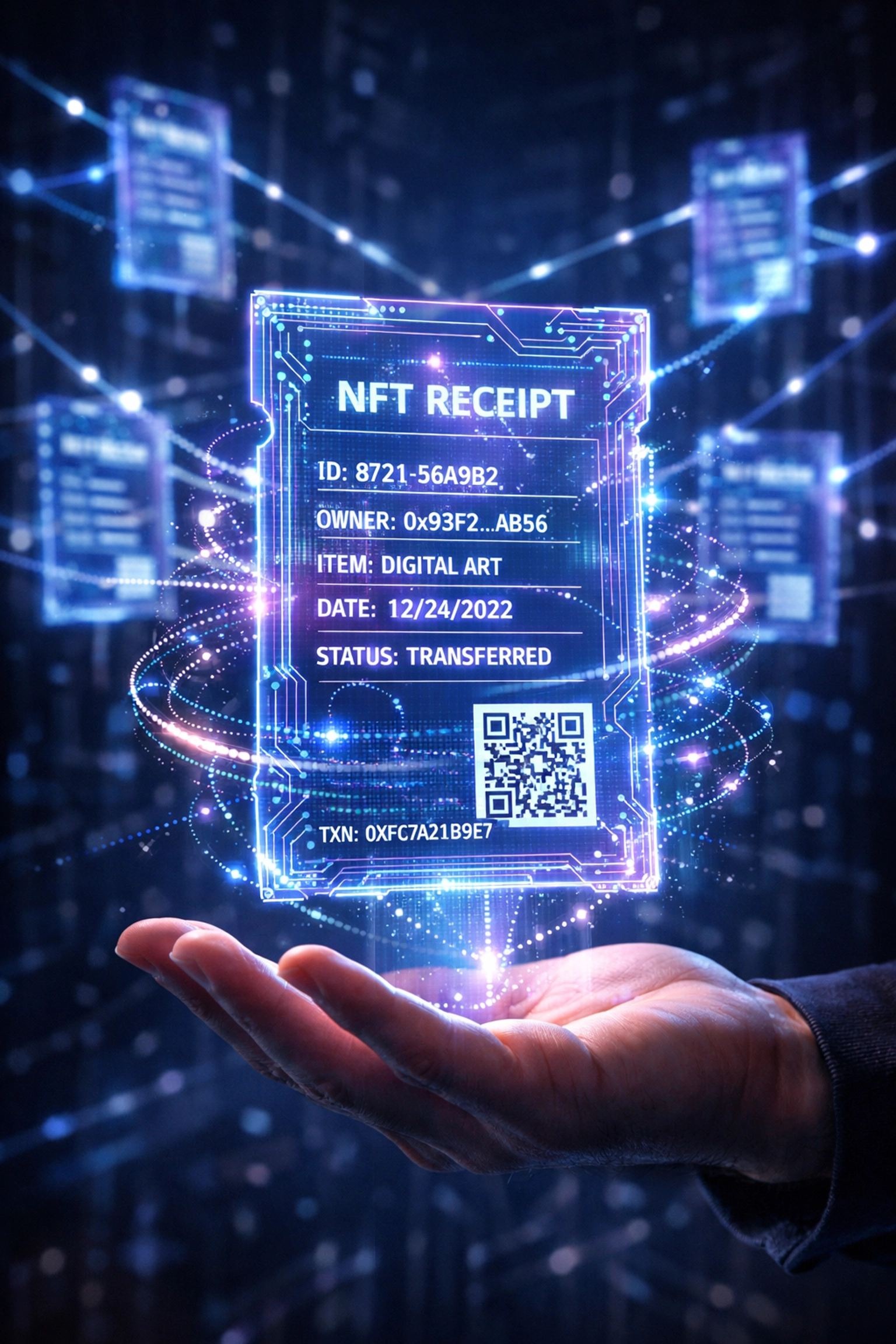
Every Larecoin transaction generates an NFT receipt with embedded metadata.
This isn't just proof of payment. It's a programmable asset.
You can attach loyalty rewards, unlock exclusive content, or create secondary markets for your receivables. The NFT receipt becomes a building block for Web3 commerce infrastructure that traditional gateways can't touch.
CoinPayments and NOWPayments give you a CSV export. Larecoin gives you composable financial primitives.
Merchants using Larecoin's receivables tokens can:
Bundle receipts into liquidity pools
Trade payment obligations on secondary markets
Create automated settlement logic via smart contracts
Build customer loyalty programs into transaction metadata
Traditional gateways are stuck in Web2 thinking. Larecoin operates at the protocol layer where real innovation happens.
Reason #3: LUSD Integration Solves Volatility Without Sacrificing Decentralization
The biggest merchant objection to crypto payments? Price volatility.
Traditional gateways solve this with instant fiat conversion. Convenient. Also completely defeats the purpose of accepting crypto in the first place.
Larecoin's stable coin version (LUSD) maintains price stability while preserving self-custody and decentralized settlement. You get predictable accounting without routing through centralized exchanges or bank accounts.
LUSD offers:
1:1 USD peg maintained through algorithmic mechanisms
Direct integration with receivables token model
No forced conversion to fiat
Self-custodial storage compatible with hardware wallets
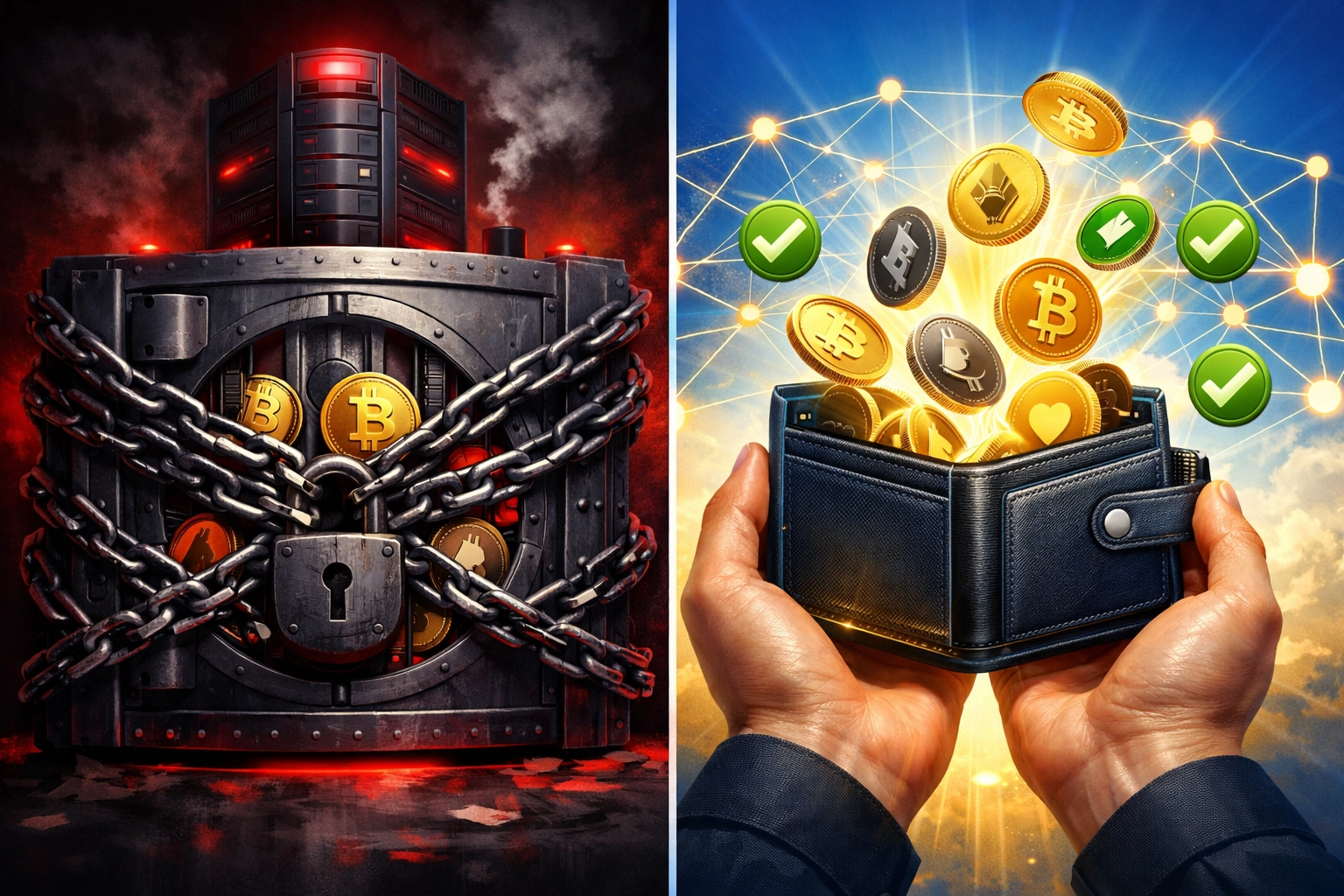
NOWPayments requires you to trust their custody. CoinPayments holds your funds until withdrawal. LUSD stays in YOUR wallet from the moment of payment.
This matters for compliance, tax reporting, and basic financial sovereignty.
Reason #4: True Self-Custody From Transaction to Settlement
Let's get specific about custody models.
When you use NOWPayments:
Customer sends crypto to NOWPayments wallet
NOWPayments holds it in custodial account
You request withdrawal
NOWPayments processes withdrawal to your wallet
You HOPE they're actually solvent
When you use Larecoin:
Customer sends crypto directly to YOUR wallet
Receivables token is minted simultaneously
You control private keys immediately
Settlement happens on-chain with zero intermediaries
The difference matters during market crashes, regulatory crackdowns, and platform insolvency events.
We've seen centralized crypto platforms collapse. FTX. Celsius. Voyager. The list grows every cycle.
Self-custody isn't optional anymore. It's the baseline security standard for serious merchants.
Reason #5: Rigorous US Compliance Without Sacrificing Innovation
Here's where Larecoin separates from the crypto cowboys.
We're pursuing full Money Services Business (MSB) registration and state-by-state Money Transmitter License (MTL) compliance. This isn't optional regulatory theater. It's strategic positioning for institutional adoption.
Traditional gateways like NOWPayments operate in regulatory gray zones. They're registered in Estonia or Cyprus and hope US authorities don't pay attention.
Larecoin's compliance strategy:
Active MSB registration process with FinCEN
State-by-state MTL licensing roadmap
Full KYC/AML infrastructure for enterprise merchants
Transparent legal entity structure based in US jurisdiction
You can't build generational payment infrastructure on regulatory arbitrage. Compliance enables real adoption from Fortune 500 companies, government contractors, and institutional players who need ironclad legal frameworks.
NOWPayments and CoinPayments might be fine for small-scale crypto merchants. They're completely inadequate for businesses planning serious scale.
The Receivables Token Model Changes Everything
Traditional crypto payment gateways treat payments as transactions. In. Out. Done.
The receivables token model treats payments as assets. Each transaction becomes a composable financial instrument with utility beyond simple value transfer.
This fundamental architecture shift enables:
Liquidity markets for merchant receivables
Programmable settlement logic via smart contracts
Integration with DeFi protocols for instant liquidity
Cross-border payments without correspondent banking
Automated reconciliation and accounting
NOWPayments and CoinPayments are stuck optimizing Web2 payment rails with crypto coating. Larecoin rebuilt payments from first principles using Web3-native architecture.
Why This Matters in 2026
The payment gateway market is consolidating around two camps: regulated centralized solutions and truly decentralized protocols.
The middle ground is collapsing.
Merchants who want simple crypto acceptance will use Coinbase Commerce or similar regulated platforms. Those who want real innovation will use protocol-layer solutions like Larecoin.
NOWPayments and CoinPayments occupy the dying middle. Too centralized for crypto natives. Too unregulated for institutional players.
Larecoin combines rigorous US compliance with genuine technical innovation. That combination is rare. It's also the only sustainable path forward.
Ready to Upgrade Your Payment Infrastructure?
Traditional crypto gateways served their purpose during crypto's experimental phase. That phase is over.
The receivables token model represents the next evolution of Web3 payments: self-custodial, fee-efficient, programmable, and fully compliant.
You can keep paying percentage fees to middlemen who control your funds. Or you can join the Larecoin ecosystem and own your payment infrastructure.
The choice is obvious. The migration is happening now.
Join the conversation in our community discussion forum to learn how other merchants are implementing Larecoin's receivables token model.
The payment gateway wars are over. Larecoin won.
Comments