

.png)
Are Traditional Interchange Fees Dead? How Merchants Are Slashing Costs by 50%+ with NFT Receipts and Self-Custody
- [[[Free!!]<<<<]] Watch: 스포르팅 - 토트넘 Live Stream 13 September 2022
- 2 hours ago
- 4 min read
![Writer: [[[Free!!]<<<<]] Watch: 스포르팅 - 토트넘 Live Stream 13 September 2022](https://lh3.googleusercontent.com/a/AItbvmktwQc0wCdd3ZEETSYItRQubwwBzOyjD_dcigRf=s96-c)
The Inconvenient Truth About 2026 Interchange Fees
Traditional payment rails are bleeding merchants dry.
Average interchange fees hit 1.80% in the United States. Online payments? Even worse at 1.90%.
Card-not-present transactions carry premium rates because of "fraud risk." Translation: merchants pay extra for the privilege of accepting online payments.
The recent settlement that made headlines? It reduced fees from 2.35% to 2.25%. That's less than a 5% reduction.
Merchants are done waiting for incremental improvements.
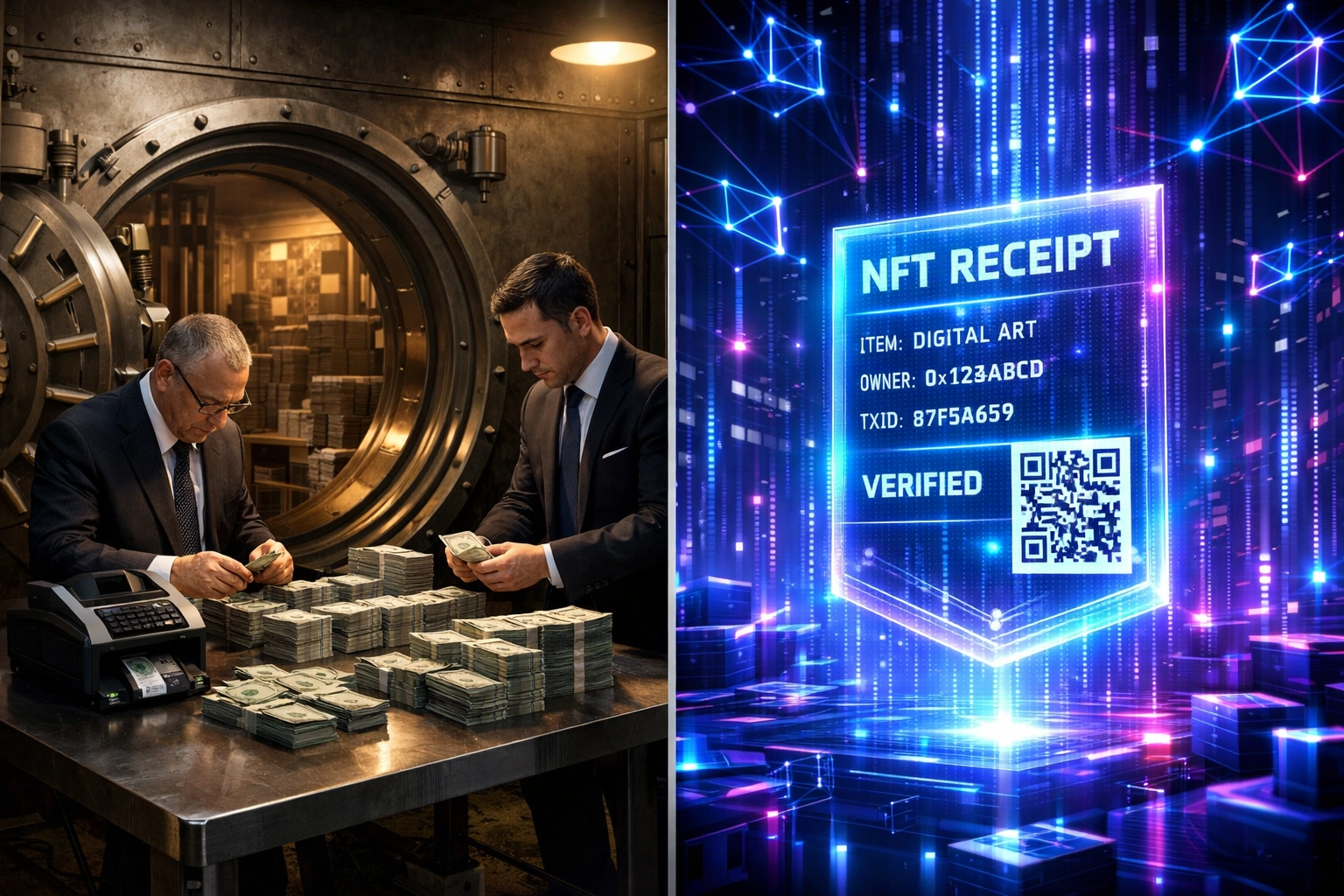
Why Legacy Payment Systems Keep Fees High
Banks and card networks depend on interchange revenue.
They've built entire business models around these fees. Issuer revenue streams, fraud insurance, legacy infrastructure costs: all subsidized by merchant fees.
The Federal Reserve proposed capping debit interchange at $0.144 plus 4 basis points. Sounds promising until you realize that's still only scratching the surface.
Real-time payments and pay-by-bank models are emerging alternatives. But they still operate within traditional financial infrastructure.
Still custodial. Still expensive. Still controlled by intermediaries.
Enter Web3: NFT Receipts With Actual Utility
NFT receipts aren't just digital collectibles.
They're programmable proof of purchase that unlock merchant superpowers.
What NFT receipts actually do:
Verify transactions without chargebacks
Enable loyalty programs without third-party platforms
Create direct customer relationships
Provide immutable purchase history
Generate secondary revenue through tokenized warranties
Traditional receipt systems require payment processors, fraud detection services, and customer databases. Each layer adds cost.
NFT receipts consolidate these functions into a single, self-executing token.
No monthly SaaS fees. No data hosting costs. No middleware.
Just direct, verifiable, peer-to-peer commerce.

Self-Custody: Where the Real Savings Hide
Here's what competitors won't tell you.
NOWPayments and CoinPayments still use custodial models. They hold your funds. They charge withdrawal fees. They control your cash flow.
Self-custody means you control the wallet. You own the private keys. You decide when and where funds move.
Zero withdrawal fees. Zero custody risk. Zero permission needed.
The cost difference is staggering.
Traditional crypto payment processors charge:
0.5-1% transaction fees
Network fees
Withdrawal fees (often $20-50 per transfer)
Monthly platform fees
Self-custody through Larecoin:
Gas-only transfers
Direct wallet-to-wallet transactions
No intermediary fees
Full financial sovereignty
LUSD Stablecoin: The Stability Merchants Actually Need
Merchants accepting crypto face a real problem: volatility.
Most stablecoins tie to centralized issuers. USDT and USDC require trust in corporate entities. They can freeze accounts. They answer to regulators.
LUSD operates differently.
Decentralized. Overcollateralized. Resistant to censorship.
Why merchants choose LUSD:
No corporate intermediary controlling funds
Transparent collateralization ratios
Redeemable for underlying collateral
Compatible with Web3 payment infrastructure
Zero counterparty risk
When you combine LUSD with self-custody wallets, you eliminate virtually every fee layer traditional payments impose.

How Larecoin Demolishes Traditional Fee Structures
Let's compare real costs.
Traditional credit card processing:
1.80-2.35% interchange fee
Monthly gateway fees ($10-30)
PCI compliance costs ($100-500/year)
Chargeback fees ($15-25 per dispute)
NOWPayments/CoinPayments model:
0.5-1% platform fee
Network transaction fees
Withdrawal fees
Currency conversion spreads
Larecoin self-custody model:
Gas-only transactions (often under $0.50)
Zero platform fees
Zero withdrawal fees
Direct peer-to-peer settlement
On a $100,000 monthly volume, the math is brutal:
Traditional cards: $1,800-2,350 in fees Custodial crypto: $500-1,000 in fees Larecoin self-custody: $50-200 in gas fees
That's not 50% savings. That's often 90%+ reduction.
The Receivables Token Revolution
Larecoin's receivables token system changes the game entirely.
Instead of waiting for settlement cycles, merchants tokenize outstanding invoices. These tokens become tradeable, liquid assets.
Real-world application:
Issue invoice
Mint receivables token
Accept payment in LARE or LUSD
Immediate liquidity, zero settlement delay
Traditional payment processors hold funds for 2-7 days. They profit from float. You lose access to working capital.
Receivables tokens eliminate settlement risk and unlock instant liquidity.
No bank needed. No factoring fees. No discount rates.
Just programmable money working at the speed of blockchain.
Metaverse Integration: Future-Proofing Your Revenue
Physical retail is evolving. Digital commerce is exploding.
Metaverse shopping environments need native Web3 payment rails. Traditional payment processors can't operate in virtual worlds.
Larecoin's infrastructure works seamlessly across:
Physical point-of-sale
E-commerce platforms
Metaverse storefronts
Mobile applications
NFT receipts in metaverse environments unlock exclusive content, virtual goods, and cross-platform experiences.
One payment system. Infinite commerce possibilities.
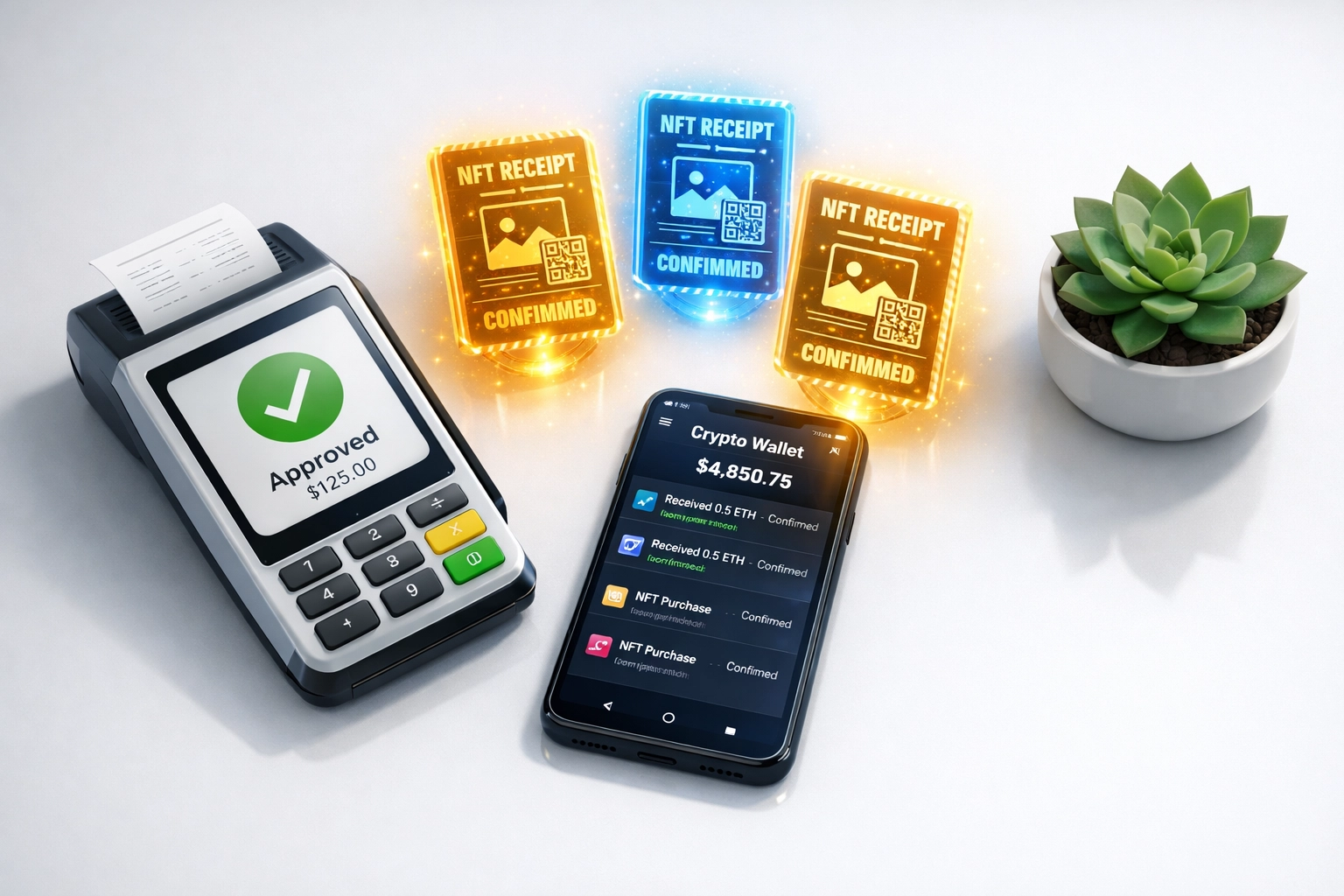
Why Competitors Can't Match This Model
NOWPayments and CoinPayments built their platforms on Web2 principles.
They're intermediaries trying to bridge traditional finance and crypto. That means they inherit limitations from both systems.
Where they fail:
Custodial control
Hidden fee structures
Limited stablecoin options
No true merchant sovereignty
Complicated withdrawal processes
Larecoin eliminates the intermediary entirely.
Built on Solana. Optimized for speed and low costs. Designed for true financial independence.
Merchants keep full custody. Customers get instant settlement. Everyone saves money.
It's not an incremental improvement. It's a completely different architecture.
The 50%+ Savings Breakdown
Let's make this concrete.
Small business processing $50,000/month:
Traditional model annual cost:
Credit card fees: $10,800-14,100
Monthly fees: $240-360
Compliance: $200-500
Total: $11,240-14,960
Larecoin model annual cost:
Gas fees: $600-2,400
Platform fees: $0
Custody fees: $0
Total: $600-2,400
Annual savings: $8,640-12,560 (58-84% reduction)
Medium business processing $500,000/month:
Traditional annual cost: $108,000-141,000Larecoin annual cost: $6,000-24,000Savings: $84,000-135,000 (60-95% reduction)
The larger your volume, the more you save.
Getting Started Is Simpler Than You Think
Set up takes minutes, not weeks.
Create self-custody wallet
Fund with SOL for gas
Start accepting LARE or LUSD
Issue NFT receipts automatically
Access funds instantly
No merchant account applications. No credit checks. No approval delays.
Just connect your wallet and start processing payments.
The infrastructure is live. The savings are real. The future is now.
The Choice Is Clear
Traditional interchange fees aren't dying naturally.
They're being killed by merchants who refuse to subsidize outdated infrastructure.
Web3 payments with self-custody, NFT receipts, and LUSD stablecoin aren't just cheaper. They're fundamentally superior.
More control. Less cost. True ownership.
That's not a marginal improvement. That's a complete reimagining of how commerce works.
The question isn't whether to switch. It's whether you can afford to wait.
Ready to slash your payment costs? Explore Larecoin's merchant solutions and join the financial sovereignty revolution.
Comments