

.png)
Are You Ready for Metaverse Shopping? Here's What VR/AR Commerce Looks Like in 2026 (B2B2C Guide)
- [[[Free!!]<<<<]] Watch: 스포르팅 - 토트넘 Live Stream 13 September 2022
- 3 hours ago
- 5 min read
![Writer: [[[Free!!]<<<<]] Watch: 스포르팅 - 토트넘 Live Stream 13 September 2022](https://lh3.googleusercontent.com/a/AItbvmktwQc0wCdd3ZEETSYItRQubwwBzOyjD_dcigRf=s96-c)
Metaverse shopping isn't science fiction anymore.
Nike sold virtual sneakers for $134,000. Alo Yoga gave away $268 digital jackets in Roblox. Forever 21 turned virtual beanies into physical products that sold out in stores.
The $155.35 billion metaverse market is growing at 46.7% annually. By 2035, we're looking at $7.17 trillion.
But here's the problem most merchants face: Traditional payment infrastructure wasn't built for virtual worlds.
The Current State of VR/AR Commerce
46% of online shoppers are willing to shop in the metaverse.
Gen Z and Millennials lead adoption. Higher-income consumers drive early transactions. The demo is clear: this isn't experimental anymore.
Three commerce models dominate:
Virtual-to-Virtual (V2V): Selling experiences and digital goods native to gaming worlds.
Virtual-to-Physical (V2P): Purchasing virtual products that unlock physical items.
Physical-to-Virtual (P2V): Buying physical products that grant virtual access or items.
Brands operate across all three. The smartest merchants treat the metaverse as a third retail channel alongside online and physical stores.
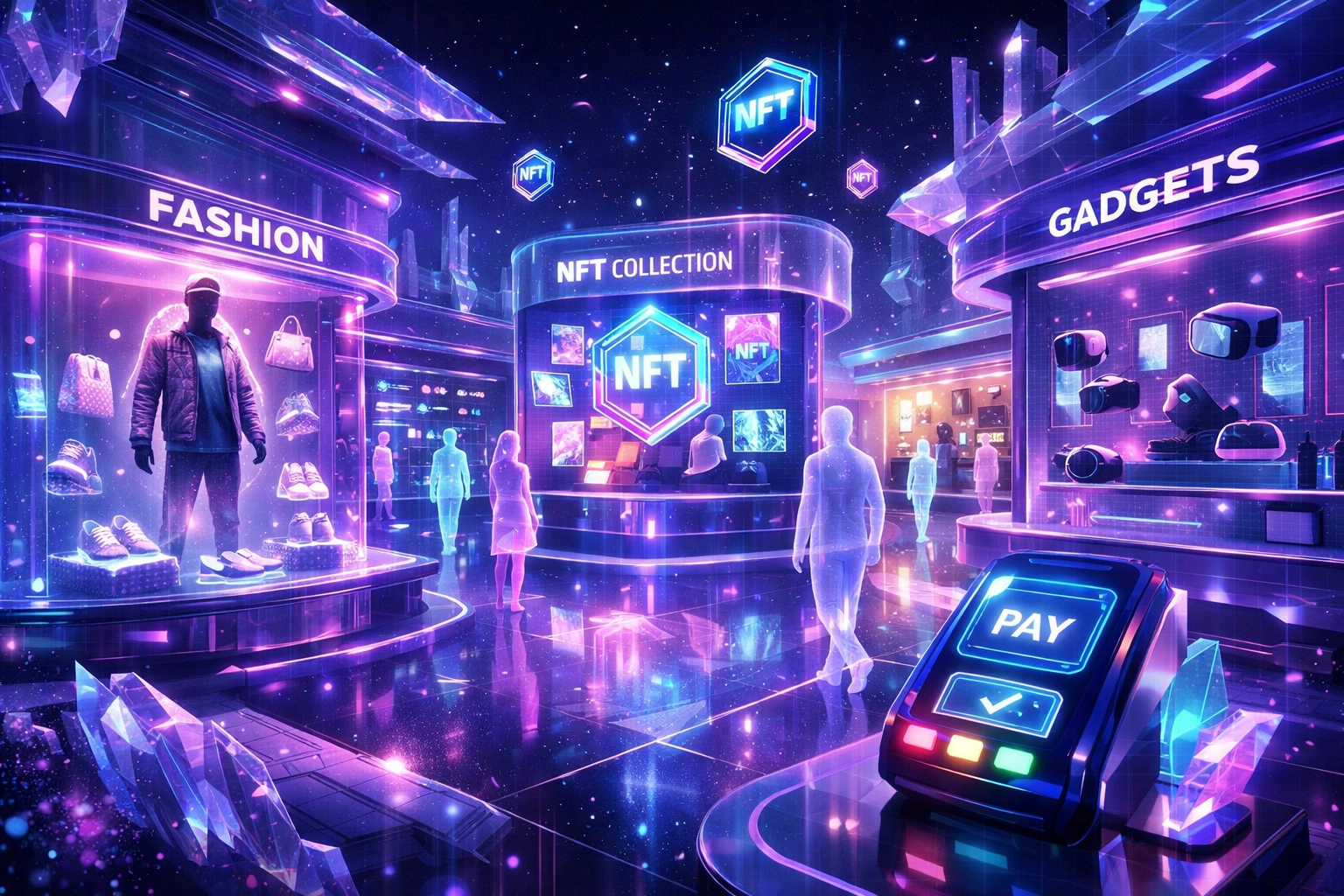
Why Payment Infrastructure Breaks Down in Virtual Spaces
Traditional payment rails weren't designed for:
Cross-border microtransactions with zero friction
Instant settlement in virtual environments
Self-custody wallets integrated with avatar identities
NFT-based proof of purchase and ownership
Gas-free transfers that don't eat into low-margin digital goods
This is where crypto payment processors enter. But not all solutions are equal.
The Crypto Payment Landscape: What Merchants Actually Need
NOWPayments offers multi-crypto acceptance but charges 0.5% fees plus network costs. No native stablecoin solution. Limited B2B2C infrastructure.
CoinPayments supports 2,000+ coins but hits merchants with 0.5% transaction fees. No NFT receipt integration. Basic POS functionality.
Triple-A focuses on enterprise but maintains traditional fee structures. Limited metaverse-native features.
All three solutions treat crypto payments as bolt-ons to existing infrastructure rather than rebuilding for Web3-native commerce.
Larecoin's Metaverse-First Payment Architecture
Larecoin designed from scratch for virtual commerce environments.
NFT Receipts turn every transaction into verifiable proof of purchase. Customers collect receipts as tradeable assets. Merchants gain anti-fraud protection and customer engagement tools.
LUSD Stablecoin eliminates volatility. Price items in dollars. Receive dollars. No conversion spreads eating margins.
Gas-Only Transfers mean zero transaction fees beyond network costs. Compare that to 2-3% credit card interchange.
Self-Custody Infrastructure gives customers full control. No custodial risk. No account freezes. True Web3 ownership.
Master/Sub-Wallet Architecture for B2B2C Operations
B2B2C merchants need wallet management at scale.
Larecoin's master/sub-wallet system lets parent companies manage thousands of sub-merchant wallets from one dashboard. Deploy virtual storefronts. Track transactions across subsidiaries. Maintain brand control while enabling decentralized operations.
Perfect for:
Multi-location retailers entering the metaverse
Marketplace operators onboarding merchant vendors
Franchise systems launching virtual experiences
QR-Generated POS works seamlessly across physical and virtual environments. Generate payment QR codes for VR storefronts. Same infrastructure serves brick-and-mortar locations. Unified reporting across all channels.
The Fee Savings Math That Changes Everything
Traditional payment processing costs merchants 2.5-3.5% per transaction.
Larecoin reduces interchange fees by >50%.
On $1 million in annual metaverse sales:
Traditional processing: $25,000-$35,000 in fees
Larecoin gas-only transfers: <$10,000 in network costs
The savings compound as transaction volume scales.
For B2B2C operations processing across hundreds of sub-merchants, fee reduction translates directly to competitive advantage. Lower costs enable lower prices. Lower prices drive higher conversion rates.
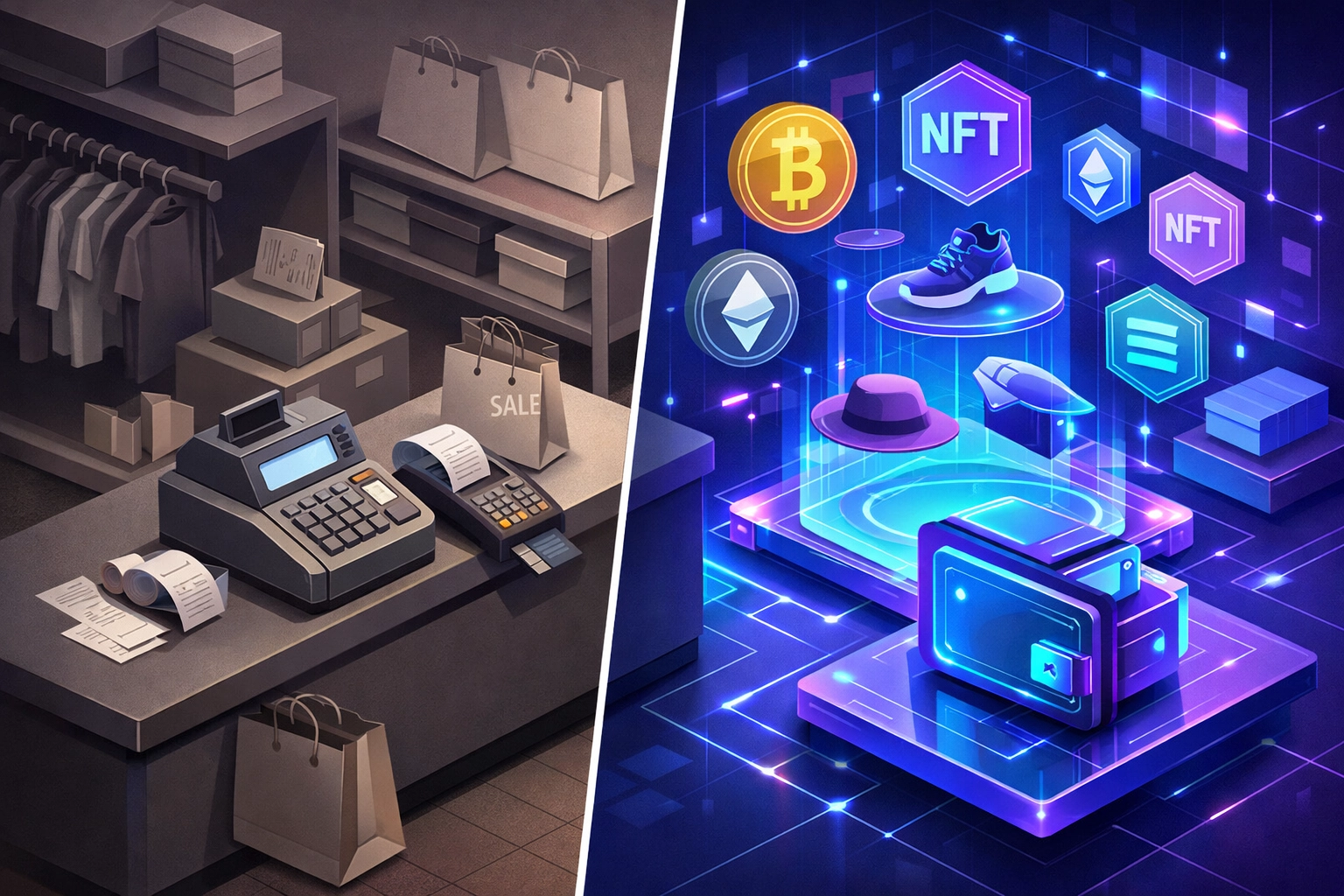
Compliance Framework: Federal MSB + State MTL Coverage
Crypto payment processors operate in regulatory gray zones.
Larecoin holds federal MSB registration and state-level MTL coverage across the U.S.
This matters for enterprise merchants who can't risk regulatory shutdown. Banking relationships depend on compliance documentation. Auditors require licensed payment partners.
MTL compliance demonstrates:
Anti-money laundering programs
Know Your Customer protocols
Transaction monitoring systems
Suspicious activity reporting infrastructure
Enterprise merchants need compliant partners. Larecoin delivers regulatory certainty without sacrificing crypto-native functionality.
The B2B2C Metaverse Shopping Vision
Larecoin is building dedicated metaverse commerce infrastructure.
Social shopping environments where customers browse together. Avatar-based identity. Persistent shopping histories. Shared wishlists and collaborative purchasing.
Imagine:
Your customer enters your virtual flagship store with friends. They browse the spring collection on their avatars. Try on digital versions before purchasing physical items. Share outfit combinations. Vote on favorites.
The purchase generates an NFT receipt. Unlocks exclusive virtual wearables. Earns loyalty rewards redeemable across physical and virtual channels.
Payment happens instantly via self-custody wallet. Zero fees beyond minimal gas. Funds settle to your master wallet in seconds.

VR/AR Shopping Convenience Drivers
No geographic constraints. Serve global customers from a single virtual location.
Hyper-personalization. Track avatar preferences. Recommend based on virtual behavior. Create branded NFT collections that customers actually want to collect.
Interactive product visualization. Show 3D product models at scale. Enable virtual try-ons. Demonstrate use cases impossible in physical retail.
Community-driven discovery. Customers share finds. Influencers host shopping events. Social media energy meets transactional intent.
Technical Integration: How Merchants Actually Deploy This
Larecoin provides:
Smart wallet infrastructure with one-click setup. Non-custodial by default. Multi-chain support across Solana, Binance Smart Chain, and Ethereum.
Merchant portal with real-time transaction monitoring. Master/sub-wallet management. Analytics dashboard. Tax reporting exports.
API documentation for custom integrations. Webhook support for inventory management. Plugin options for major e-commerce platforms.
POS applications for physical locations. QR code generation. NFC compatibility. Terminal support.
Deploy virtual storefronts using the same payment infrastructure serving your physical locations. Unified customer data. Consistent checkout experience. One reconciliation process.
Who Should Enter Metaverse Commerce in 2026
Early movers gain compounding advantages.
Apparel brands selling both physical and virtual fashion.
Collectibles merchants leveraging NFT proof of authenticity.
Gaming-adjacent retailers serving existing virtual communities.
Experiential brands creating immersive shopping environments.
Franchise systems testing new models before competitors.
The demographic shift is undeniable. Gen Z expects virtual shopping options. Millennials are comfortable with digital ownership. Higher-income segments are spending real money on virtual goods.
Merchants waiting for "mass adoption" will enter a crowded, competitive landscape. Those building metaverse commerce capabilities now establish brand presence before saturation.
Next Steps: Testing Metaverse Commerce Infrastructure
Start small. Test fast. Scale what works.
Set up a Larecoin merchant account. Federal MSB registration means you're working with a compliant partner. State-level MTL coverage protects your business.
Deploy a test environment. Try NFT receipts on a limited product line. Measure customer response to LUSD stablecoin payments. Track fee savings versus traditional processing.
Build your virtual storefront. Use Larecoin's master/sub-wallet architecture for organizational control. Generate QR codes for seamless checkout. Integrate with existing inventory systems.
Launch a pilot campaign. Target your most tech-forward customer segment. Offer exclusive virtual items. Measure conversion rates and average order values.
The metaverse shopping revolution is happening with or without you.
The question isn't whether virtual commerce will matter. It's whether you'll lead or follow.
Larecoin gives merchants the payment infrastructure to compete in virtual-first retail. NFT receipts. LUSD stability. Gas-only transfers. Self-custody. Federal compliance.
Everything traditional processors weren't built to deliver.
Explore Larecoin's metaverse payment solutions →
Comments