

.png)
CoinPayments Alternative: 7 Reasons Self-Custody Merchant Accounts Beat Centralized Crypto Gateways
- [[[Free!!]<<<<]] Watch: 스포르팅 - 토트넘 Live Stream 13 September 2022
- Feb 21
- 4 min read
![Writer: [[[Free!!]<<<<]] Watch: 스포르팅 - 토트넘 Live Stream 13 September 2022](https://lh3.googleusercontent.com/a/AItbvmktwQc0wCdd3ZEETSYItRQubwwBzOyjD_dcigRf=s96-c)
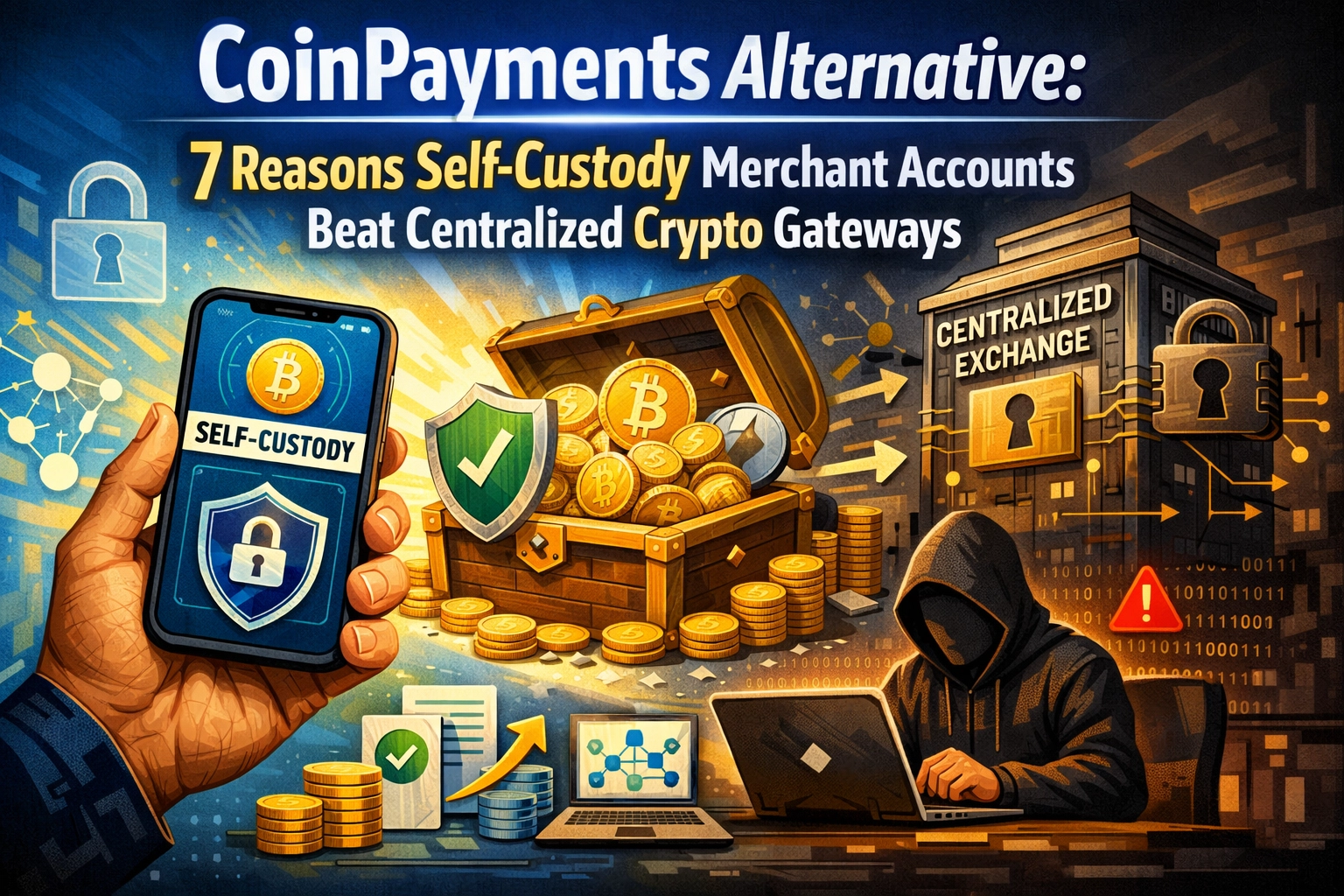
CoinPayments processes millions in crypto transactions daily. So does NOWPayments. Both follow the same outdated model.
Centralized custody. Withdrawal delays. Account freeze risk.
The self-custody revolution changes everything.
The Centralized Gateway Problem
Traditional crypto payment processors hold your funds. You request withdrawals. They approve or deny.
Sound familiar? That's because it's the same banking system we're trying to escape.
CoinPayments charges 0.5% per transaction. NOWPayments adds custody fees. Both control your money until you request it back.
Self-custody merchant accounts eliminate the middleman entirely.
Reason #1: Zero Custody Risk - Your Keys, Your Crypto
Self-custody means direct transfers. Customer wallet to merchant wallet. No intermediary holding period.
CoinPayments stores funds in their hot wallets. NOWPayments does the same. Your crypto sits in their accounts until withdrawal.
The self-custody difference:
Funds arrive directly in your wallet
No third-party control
Zero counterparty risk
Instant ownership transfer
When FTX collapsed, merchants using custodial gateways panicked. Self-custody merchants? Completely unaffected.
Your wallet. Your private keys. Your crypto. Period.
Reason #2: Lower Fees - No Middleman Markup
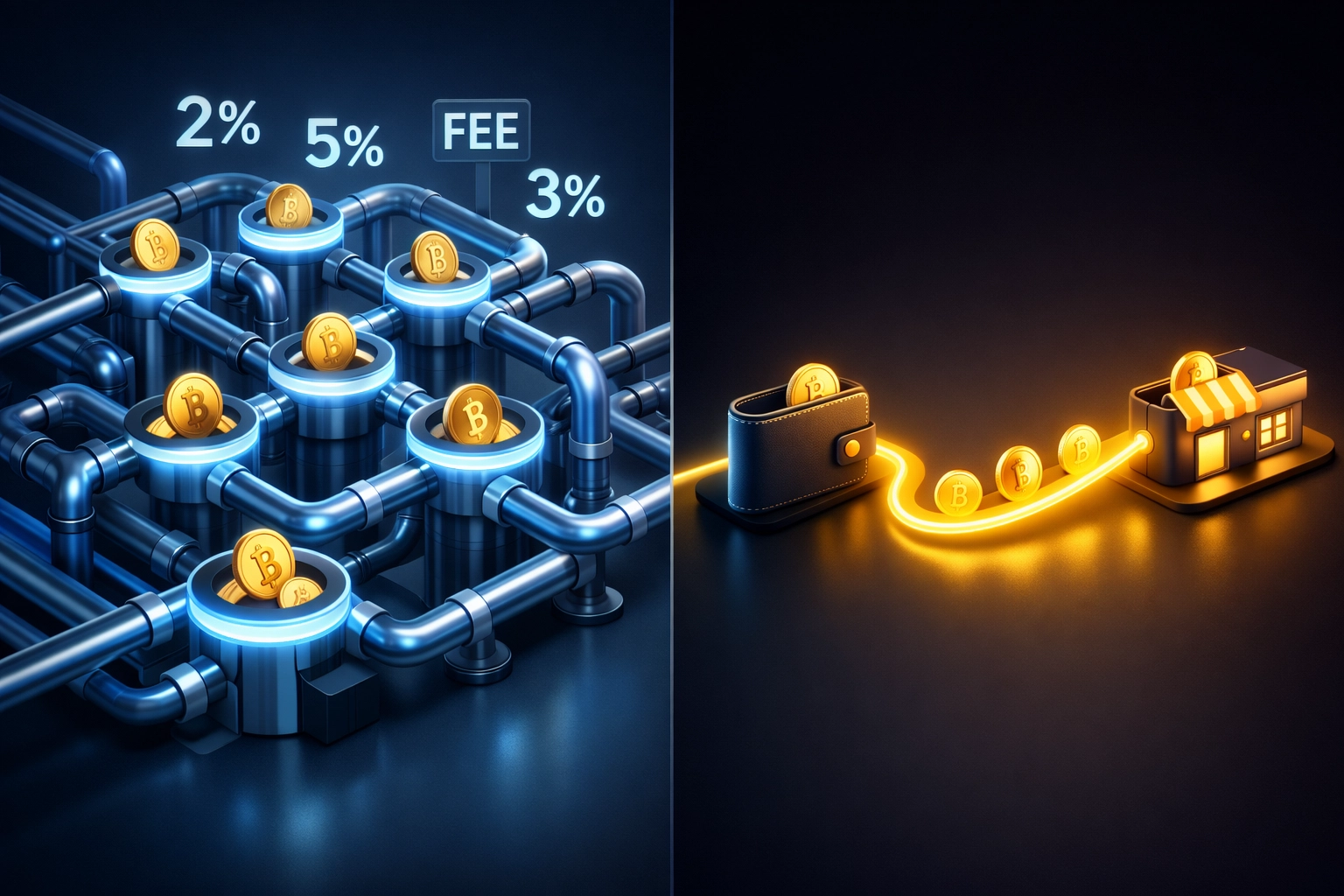
CoinPayments charges 0.5% per transaction. Minimum. Add withdrawal fees. Currency conversion fees. Network fees passed through with markup.
NOWPayments advertises "low fees" but includes custody charges and settlement costs.
Self-custody models slash these costs dramatically.
Fee comparison breakdown:
CoinPayments: 0.5% + withdrawal + conversion
NOWPayments: 0.4% + custody + settlement
Self-custody: Network gas only
On a $10,000 monthly volume, centralized gateways cost $50-100 in platform fees alone. Self-custody? Just blockchain gas fees.
The math favors merchants every time.
Reason #3: Instant Settlement - No Withdrawal Delays
Centralized gateways batch withdrawals. Daily. Weekly. Sometimes manually approved.
CoinPayments requires withdrawal requests. Processing time: 24-48 hours. Sometimes longer during high volume.
Self-custody settlement is instantaneous.
The timeline difference:
Traditional gateway: Transaction → Platform custody → Withdrawal request → Approval → Your wallet (24-48 hours)
Self-custody: Transaction → Your wallet (minutes)
Cash flow improves immediately. No waiting for platform approvals. No minimum withdrawal thresholds.
Your money moves when the customer pays. Not when a platform decides to release it.
Reason #4: NFT Receipt Innovation
Here's where self-custody gets revolutionary.
CoinPayments and NOWPayments issue basic transaction confirmations. Email receipts. PDF downloads.
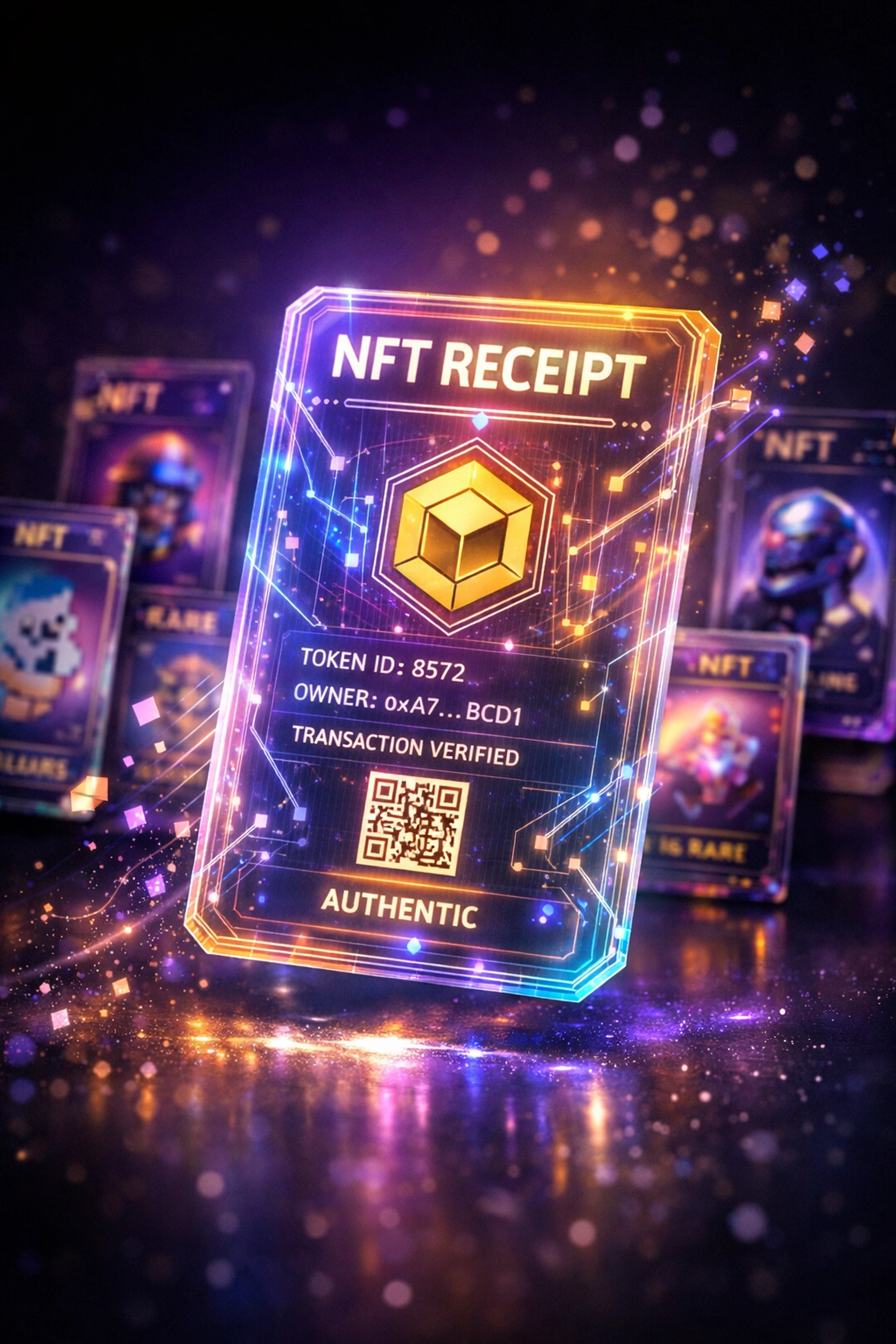
Self-custody platforms like Larecoin mint NFT receipts on-chain.
Why NFT receipts matter:
Permanent blockchain record
Resellable proof of purchase
Built-in loyalty programs
Collectible transaction history
Future utility integration
Imagine customers collecting NFT receipts from your store. Trading them. Displaying them as badges of early support.
Traditional gateways can't offer this. They don't control the direct customer-merchant relationship.
Self-custody unlocks Web3 commerce innovation that centralized platforms will never match.
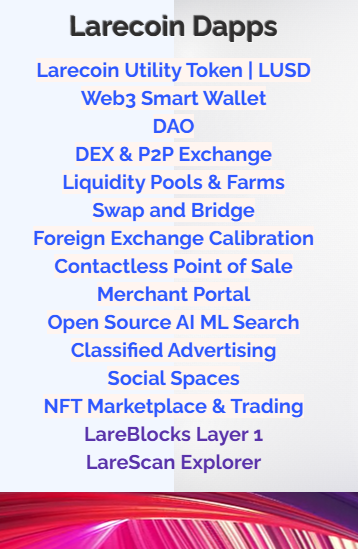
Reason #5: LUSD Stablecoin Stability
Crypto volatility scares merchants. Bitcoin drops 10% during checkout. Ethereum swings 15%.
CoinPayments offers instant conversion to fiat. For a fee. NOWPayments does the same. Different fee structure, same solution.
Self-custody with LUSD provides superior stability without conversion fees.
LUSD advantages:
Algorithmic stability without centralized backing
No conversion fees eating margins
True decentralization
Accepts volatility hedge on-chain
Merchants keep crypto exposure without volatility risk. No need for instant fiat conversion. No bank integration required.
The self-custody stablecoin model preserves crypto benefits while managing merchant risk.
Reason #6: No Account Freeze Risk
Centralized platforms freeze accounts. Terms of service violations. Compliance reviews. Suspicious activity flags.
CoinPayments has frozen merchant accounts. NOWPayments reserves the right to do the same. Both maintain centralized control over access.
Common freeze triggers:
High-risk industry categories
Geographic restrictions
Compliance investigations
Unusual transaction patterns
Platform policy changes
Self-custody eliminates freeze risk entirely.
No platform controls your wallet. No terms of service dictate your access. No compliance department can lock your funds.
Your wallet operates independently. Always accessible. Never frozen by third-party decision.
Reason #7: True Merchant Independence
Centralized gateways create dependency. You integrate their API. Follow their rules. Accept their fee changes.
Platform goes down? Your checkout breaks. Platform changes policies? You adapt or leave. Platform exits your market? You scramble for alternatives.
Self-custody means independence.
The freedom difference:
No platform dependency
Direct blockchain interaction
Portable merchant setup
Protocol-level resilience
Censorship resistance
Your payment infrastructure runs on public blockchain infrastructure. Not proprietary platform servers.
CoinPayments and NOWPayments can change terms, raise fees, or restrict access. Self-custody protocols can't.
This is the merchant sovereignty that crypto promised.
Making The Switch
Traditional gateways served their purpose. They brought crypto payments mainstream. Built basic infrastructure.
But the evolution continues.
Self-custody merchant accounts represent Web3 payments maturity. Direct transactions. Lower costs. Complete control.
The technology exists today. Platforms like Larecoin prove self-custody payments work at scale.
Migration checklist:
Review current gateway fees
Calculate self-custody savings
Test direct wallet integration
Plan NFT receipt implementation
Educate team on self-custody
The transition takes hours, not months.
The Competitive Reality
CoinPayments dominates legacy crypto payments. NOWPayments captures growing market share. Both follow the centralized custody model.
Self-custody alternatives grow faster.
Merchants discover lower fees. Experience instant settlement. Appreciate freeze-proof operations.
The choice becomes obvious.
Why merchants switch:
Fee savings compound monthly
Settlement speed improves cash flow
Independence reduces platform risk
Innovation opportunities expand
Long-term cost reduction
Every month on centralized gateways costs more than necessary.

Your Move
Self-custody merchant accounts aren't future technology. They're current reality.
The question isn't whether to switch. It's when.
Calculate your current gateway costs. Compare to self-custody alternatives. Run the numbers.
The difference funds business growth instead of platform fees.
Merchant independence starts with payment infrastructure control. Self-custody delivers exactly that.
Ready to explore the alternative? Check out how Web3 global payments solve real-world problems and see the ecosystem in action.
Your keys. Your crypto. Your business.
The way crypto payments should work.
Comments