

.png)
How to Slash Interchange Fees by 50% with a Crypto POS System (Easy Guide for Small Businesses)
- [[[Free!!]<<<<]] Watch: 스포르팅 - 토트넘 Live Stream 13 September 2022
- 3 days ago
- 4 min read
![Writer: [[[Free!!]<<<<]] Watch: 스포르팅 - 토트넘 Live Stream 13 September 2022](https://lh3.googleusercontent.com/a/AItbvmktwQc0wCdd3ZEETSYItRQubwwBzOyjD_dcigRf=s96-c)
Interchange fees are eating your profits. Every swipe. Every tap. Every transaction.
Traditional payment processors charge 2-4% on every sale. That's thousands of dollars vanishing annually. For small businesses? It's brutal.
Here's the good news. Crypto POS systems can cut those fees by 50% or more. No card networks. No banks skimming your revenue. Just direct, blockchain-powered payments.
Let's break down exactly how to make it happen.
What Are Interchange Fees (And Why They're Crushing Small Businesses)
Interchange fees are the hidden tax on every card payment you accept.
Three parties take a cut:
Card networks (Visa, Mastercard)
Issuing banks (customer's bank)
Payment processors (Square, Stripe, etc.)
Combined? You're looking at 2-4% per transaction. Sometimes more for premium cards.
Run the numbers. $500,000 in annual sales? That's $10,000-$20,000 gone. Just in fees.
Small businesses get hit hardest. Lower volume means less leverage to negotiate rates. You're stuck paying whatever the processor demands.
How Crypto POS Systems Eliminate The Middlemen
Crypto payments work differently. No card networks. No banks. No middlemen taking cuts.
Transactions settle directly between you and your customer. Blockchain infrastructure handles everything.
The result? Processing fees drop to 0.5-1%. Sometimes lower.
Here's what you're bypassing:
Interchange fees (gone)
Assessment fees (gone)
Cross-border markups (gone)
SWIFT transfer costs (gone)
For merchants with international customers? The savings multiply. No foreign exchange markups. No waiting days for settlement.
Funds hit your wallet fast. You maintain full control.
Comparing Crypto Payment Platforms: NOWPayments vs. CoinPayments vs. Larecoin
Not all crypto POS systems deliver equal value. Let's compare.
NOWPayments
Standard processing fee: 0.5% Supports 150+ cryptocurrencies Decent for basic crypto acceptance
The catch? You're still dependent on their infrastructure. Funds flow through their system. Limited self-custody options. No native stablecoin integration built for merchants.
CoinPayments
Processing fee: 0.5% Wide coin support Been around since 2013
The limitations? Similar story. Centralized custody model. You're trusting a third party with your funds. Settlement delays possible. No innovative features for modern merchants.
Larecoin: Built For Merchant Freedom
Larecoin flips the script.
LUSD stablecoin integration. Accept payments in a dollar-pegged stablecoin. No volatility stress. No price swings between sale and settlement.
True self-custody. Your keys. Your crypto. Your business. No third party holds your funds hostage.
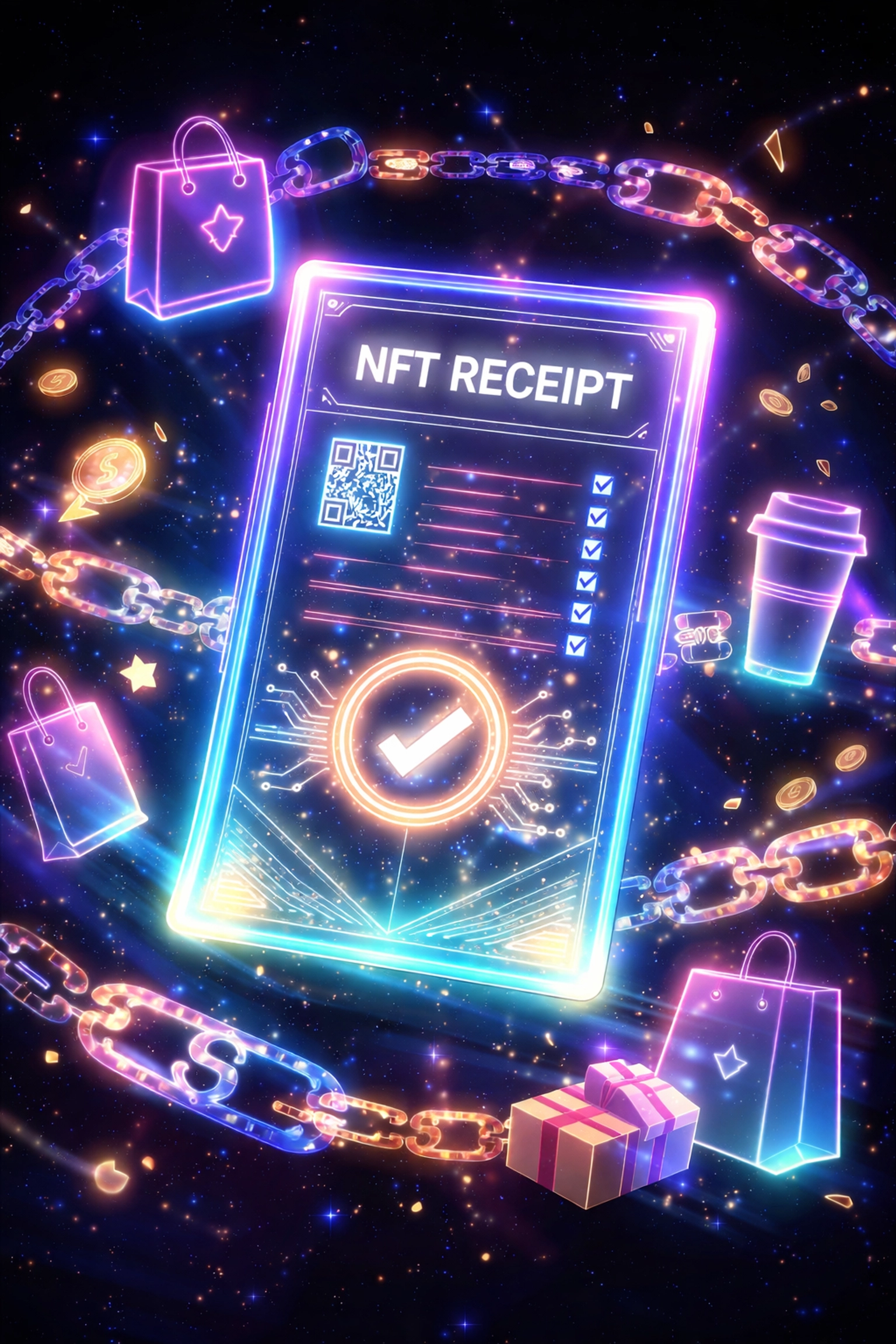
NFT receipts. Every transaction generates a verifiable, on-chain receipt. Proof of purchase that can't be disputed. Perfect for warranty claims, returns, and customer trust.
Near-zero fees. When you're settling in LUSD through Larecoin's ecosystem, fees approach zero.
That's not incremental improvement. That's merchant independence.

Step-by-Step: Setting Up Your Crypto POS System
Ready to start saving? Here's your action plan.
Step 1: Calculate Your Current Costs
Pull your processing statements. Add up:
Interchange fees
Assessment fees
Monthly processor charges
Chargeback fees
Get your annual total. This is your savings baseline.
Running $500,000 annually at 2.5% average? That's $12,500 in fees. Cut to 0.5%? You're saving $10,000+ every year.
Step 2: Choose Your Platform
For maximum savings and control, Larecoin offers the complete package:
LUSD stablecoin for price stability
Self-custody wallet integration
NFT receipt generation
Low-fee settlement rails
Compare this to NOWPayments and CoinPayments. Both charge 0.5%. But neither delivers true self-custody or stablecoin-native features designed specifically for merchants.
Step 3: Set Up Your Wallet
Self-custody matters. You need a wallet you control.
Larecoin supports direct integration with major wallets. Your funds. Your control. No intermediary holding your revenue.
This is where platforms like NOWPayments fall short. Their custody model means you're trusting them to release your money.
Step 4: Integrate With Your POS
Modern crypto POS systems plug into existing hardware. QR codes for in-person payments. API integration for online stores.
No need to rip out your current setup. Just add crypto as a payment option alongside cards.
Step 5: Train Your Team
Simple training. Customer pays with crypto. You receive LUSD. Transaction complete.
NFT receipt generates automatically. Permanent, verifiable proof on the blockchain.

Why LUSD Changes Everything For Merchants
Volatility kills crypto adoption for merchants. Bitcoin swings 5% in an hour? That sale you just made could be worth less by dinner.
LUSD solves this.
Dollar-pegged. Stable. Predictable.
Accept a $100 payment in LUSD. You have $100. Period. No checking prices. No panic selling before it drops.
This is why stablecoin-native platforms outperform general crypto processors. NOWPayments and CoinPayments support stablecoins. But they weren't built around them.
Larecoin's ecosystem centers LUSD. Purpose-built for merchant payments.
NFT Receipts: The Future of Proof-of-Purchase
Paper receipts fade. Email confirmations get lost. Traditional digital receipts? Easily disputed.
NFT receipts change the game.
Every Larecoin transaction can generate an on-chain receipt. Immutable. Verifiable. Permanent.
Benefits for merchants:
Reduced chargeback disputes
Automated warranty verification
Customer loyalty tracking
Fraud prevention
Benefits for customers:
Proof of purchase that can't be lost
Easy returns and exchanges
Collectible transaction history
This isn't a gimmick. It's infrastructure for the next generation of commerce.
Real Savings: What Small Businesses Can Expect
Let's get specific.
Scenario: Coffee Shop
Monthly card transactions: $30,000
Traditional processing (2.5%): $750/month
Crypto processing (0.5%): $150/month
Monthly savings: $600
Annual savings: $7,200
Scenario: E-commerce Store
Monthly transactions: $100,000
Traditional processing (3%): $3,000/month
Crypto processing (0.5%): $500/month
Monthly savings: $2,500
Annual savings: $30,000
Online merchants see the biggest gains. Traditional processors charge more for card-not-present transactions. Crypto doesn't discriminate.
Handling The Hybrid Approach
Not every customer pays with crypto. Yet.
Smart merchants run hybrid systems. Accept cards AND crypto. Give customers choice.
Strategy:
Offer 2-3% discount for crypto payments
Display QR code at checkout
Train staff to explain the option
Your crypto-savvy customers save. You save more. Win-win.
As adoption grows, your crypto percentage increases. Your savings compound.
Why Self-Custody Matters For Your Business
Centralized payment processors hold your money. Sometimes for days. Sometimes with arbitrary holds.
Self-custody flips that.
With Larecoin's self-custody model:
Funds settle to YOUR wallet
No withdrawal limits
No account freezes
No permission needed to access YOUR revenue
This is financial independence. Real merchant freedom.
NOWPayments and CoinPayments can't match this. Their models require trusting third parties. Larecoin doesn't.
Getting Started Today
Interchange fees drain small businesses daily. Every transaction. Every sale.
Crypto POS systems offer a clear path to 50%+ savings. The technology exists. The infrastructure is ready.
Your next steps:
Calculate your current processing costs
Explore Larecoin's merchant solutions
Set up a self-custody wallet
Start accepting LUSD alongside traditional payments
Watch your savings grow
The merchants winning in 2026 aren't waiting for permission. They're embracing decentralized payments. Taking control of their revenue. Building real independence.
Your move.
Comments