

.png)
How to Slash Your Crypto Payment Processing Fees in 5 Minutes (Without Giving Up Wallet Control)
![Writer: [[[Free!!]<<<<]] Watch: 스포르팅 - 토트넘 Live Stream 13 September 2022](https://lh3.googleusercontent.com/a/AItbvmktwQc0wCdd3ZEETSYItRQubwwBzOyjD_dcigRf=s96-c)
The Fee Trap That's Bleeding Your Crypto Profits
You're accepting crypto payments. Smart move.
But those processing fees? They're eating your margins alive.
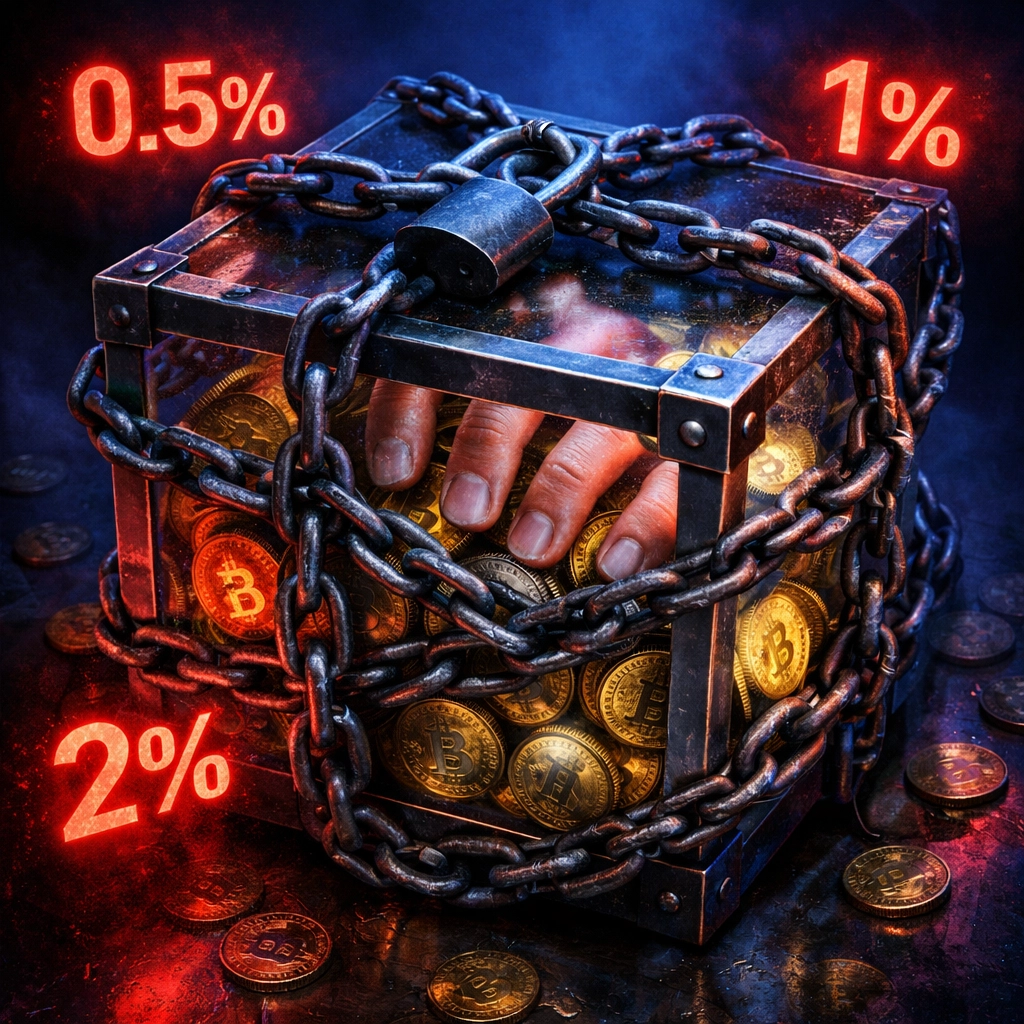
Traditional payment processors like NOWPayments and CoinPayments charge 0.5% to 1% per transaction. Plus withdrawal fees. Plus conversion fees. Plus network costs they mark up by 30-50%.
And here's the kicker: they hold your funds in custodial wallets.
You don't control your private keys. You're renting access to your own money.
Time to flip the script.
Why Legacy Processors Keep You Locked In
NOWPayments and CoinPayments built their business models on one assumption: merchants need hand-holding.
They custody your funds. Convert currencies automatically. Provide dashboards and reports.
Sounds convenient, right?
Wrong.
You're paying premium fees for features you don't need.
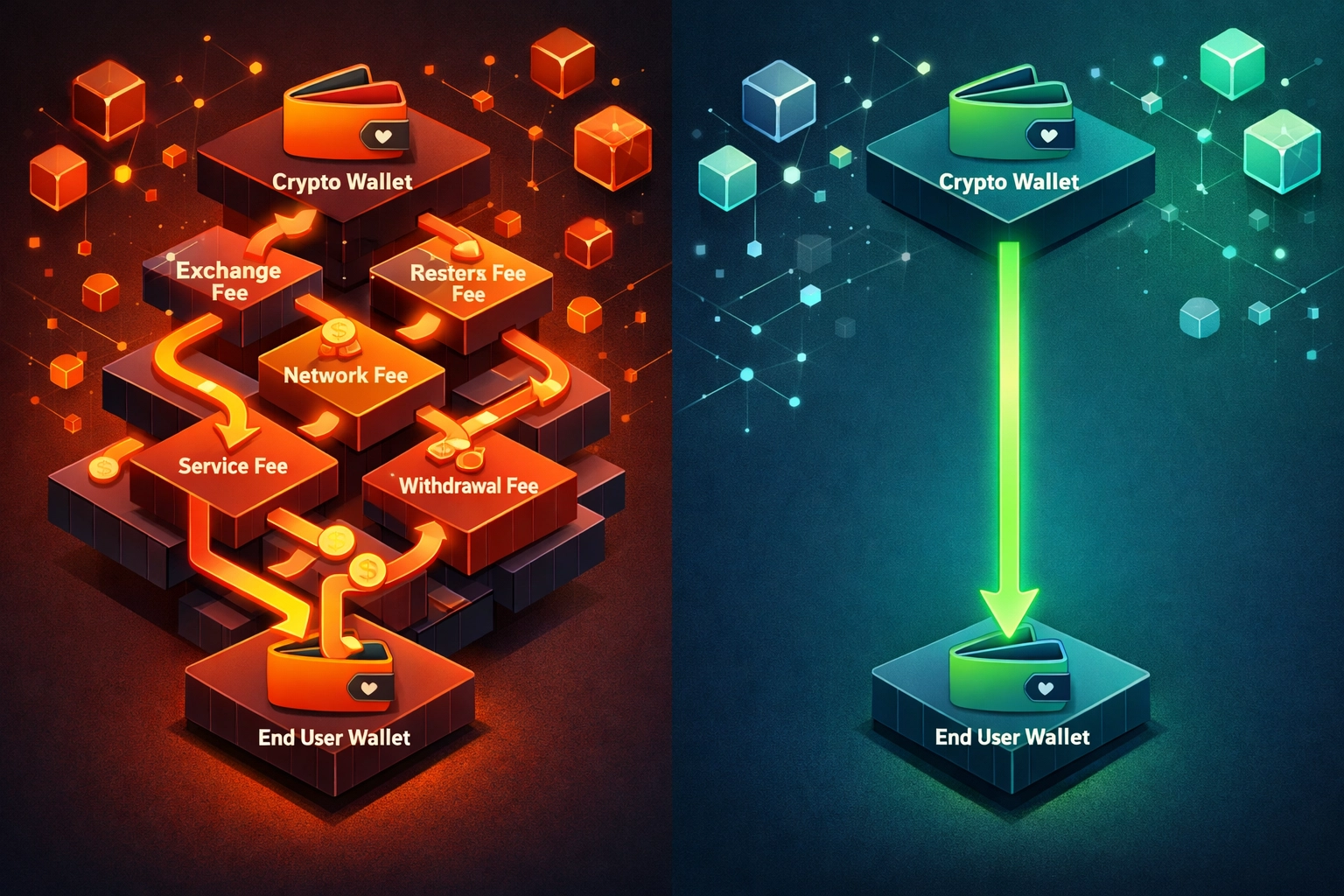
Every "convenience" layer adds another fee. Withdrawal to your actual wallet? Fee. Currency conversion? Fee. Premium support? Monthly subscription.
CoinPayments charges withdrawal fees ranging from 0.0005 BTC to custom amounts depending on the asset. NOWPayments takes a cut on every single transaction before you see a dime.
The real cost isn't just the visible fees.
It's the opportunity cost of not controlling your crypto. No ability to stake. No participation in DeFi. No direct wallet-to-wallet transfers that cost pennies instead of percentage points.
The 5-Minute Fee Reduction Blueprint
Here's how to cut fees by 60-80% without sacrificing functionality.
Step 1: Choose Low-Fee Networks (60 Seconds)
Stop accepting payments on Ethereum mainnet for small transactions.
Switch to:
Polygon: $0.01 average transaction fee
BNB Chain: $0.15 average transaction fee
Solana: $0.0002 average transaction fee
Most wallets let you select the network before confirming. One click decision. Massive savings.
Traditional processors charge the same percentage regardless of network. You're subsidizing their infrastructure costs.
Step 2: Accept LUSD Stablecoin Payments (90 Seconds)
LUSD is Liquity's decentralized stablecoin. Zero governance. Zero centralized control. Zero surprise freezes.
Unlike USDT or USDC, LUSD doesn't carry counterparty risk from centralized issuers.
For merchants: price stability without corporate overlords.
Accepting LUSD eliminates conversion volatility. Customer sends $100 in LUSD. You receive $100 in LUSD. No spread. No conversion markup.
CoinPayments charges conversion fees up to 1% on top of their base fee. That's double-dipping on every transaction.
Step 3: Time Your Settlements (120 Seconds)
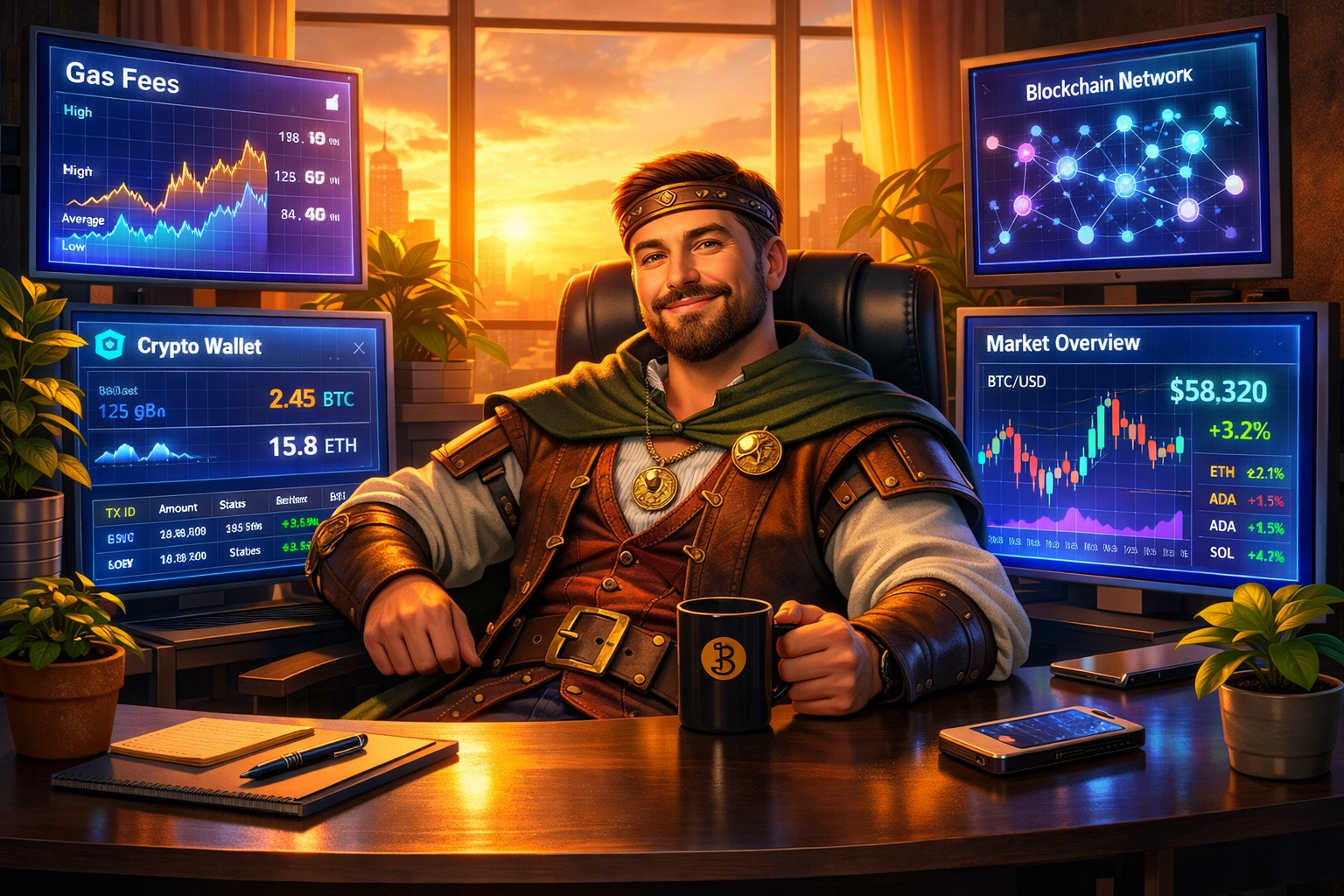
Network congestion drives fees up 300-500% during peak hours.
Check real-time gas prices:
Etherscan Gas Tracker for Ethereum
BscScan for BNB Chain
Solscan for Solana
Peak hours: 9 AM - 5 PM EST weekdays
Off-peak savings: 40-70% lower fees
Batch your settlements for weekend mornings. Set calendar reminders. Let customers pay anytime. Settle when it's cheap.
NOWPayments automatically converts and settles on their schedule. You pay whatever the network costs at that moment. No optimization. No control.
Step 4: Implement Self-Custody Settlement (60 Seconds)
Generate a receiving address from your non-custodial wallet.
Share that address as your payment destination.
Done.
No middleware. No processor accounts. No KYC beyond your existing exchange connections.
Direct wallet control means:
Instant access to funds
Zero withdrawal fees
Stake or lend immediately
Participate in DeFi ecosystems
Traditional processors hold funds for 24-72 hours before releasing them to your wallet. During that time, you earn nothing. They do.
Step 5: Enable NFT Receipt Generation (30 Seconds)
Larecoin's ecosystem automatically generates NFT receipts for transactions.
Each payment becomes a permanent, unforgeable record on-chain.
Benefits for merchants:
Automated accounting records
Dispute resolution proof
Customer loyalty tracking
Resellable receipt marketplace potential
CoinPayments provides PDF invoices. PDFs can be edited. NFTs cannot.
The difference? Immutable proof versus printable paperwork.
How Larecoin Makes This Actually Simple
Most merchants don't want to manage gas fees manually or research optimal settlement times.
Fair.
Larecoin's payment infrastructure handles the complexity while keeping you in control.
Here's the setup:
Connect your existing wallet. No new accounts. No custody transfer.
Choose your preferred settlement tokens: LUSD, USDC, LARE, or others.
Set your fee optimization preferences: instant settlement or batched off-peak.
Share your payment link with customers.
That's it.
Customers pay in whatever crypto they hold. Automatic conversion happens on-chain through decentralized exchanges. You receive settlement in your chosen token.
Total fees: network gas costs only.
No percentage cuts. No withdrawal fees. No monthly subscriptions.
The Real Math on Fee Savings
Let's compare a merchant processing $50,000 monthly in crypto payments.
Traditional Processor (NOWPayments):
Base fee: 0.5% = $250
Withdrawal fees: ~$30/month
Conversion spreads: 0.3% = $150
Total monthly cost: $430
Annual cost: $5,160
Self-Custody With Larecoin:
Network fees (optimized off-peak): ~$15/month
Conversion via DEX: 0.1% = $50
Withdrawal fees: $0 (you control the wallet)
Total monthly cost: $65
Annual cost: $780
Savings: $4,380 annually
That's an 85% fee reduction. For doing essentially the same thing: accepting crypto payments.
The difference? You maintain control. They extract rent.
LUSD: The Stablecoin Traditional Processors Won't Touch
Why don't NOWPayments or CoinPayments support LUSD prominently?
Because LUSD threatens their business model.
LUSD is fully decentralized. No company controls it. No corporation can freeze it. No issuer can censor transactions.
Traditional processors prefer USDT and USDC because they integrate with centralized compliance frameworks. Easier to satisfy regulators. Easier to implement sanctions screening.
For merchants, that "compliance" is a liability.
Your USDC can be frozen if Circle decides your business category is risky. Happened to dozens of merchants in 2024-2025.
LUSD can't be frozen. It's purely algorithmic. Backed by ETH collateral locked in smart contracts.
Accepting LUSD means:
Zero censorship risk
No corporate intermediary between you and customers
Stablecoin benefits without centralized control
Compatible with all major DeFi protocols for yield generation
This is merchant independence in its purest form.
NFT Receipts: Beyond Basic Bookkeeping
Traditional processors give you CSV exports and email confirmations.
Larecoin generates on-chain NFT receipts.
Why does this matter?
NFT receipts are programmable, tradeable, and verifiable without trusting a third party.
Customer disputes a charge? Show the NFT. Timestamp, amount, wallet addresses: all immutable.
Need to prove revenue for a loan application? Export your NFT receipt collection. Auditable on-chain history.
Want to reward loyal customers? Airdrop tokens to wallets holding your NFT receipts.
CoinPayments can't do this. Their receipts live in their database. If they shut down, your records vanish.
NFT receipts exist independently on the blockchain. Forever.
Implementation in Under 5 Minutes
Ready to switch?
Immediate action steps:
Connect your existing Web3 wallet (MetaMask, Phantom, etc.)
Configure settlement preferences (LUSD, LARE, or multi-token)
Generate your payment link
Share with customers
No lengthy onboarding. No business verification delays. No custodial account creation.
If you can connect a wallet, you can start saving on fees.
The Freedom Factor
Fee reduction is great.
But the real win? Financial sovereignty.
Traditional processors are gatekeepers. They approve your account. They hold your funds. They decide when you can withdraw.
Self-custody payment systems eliminate the middleman.
Your wallet. Your keys. Your crypto. Your settlement schedule.
This is what Web3 payments were supposed to be from day one.
What's Next?
Start with one action from this guide.
Switch one payment flow to a low-fee network. Accept one LUSD payment. Generate one NFT receipt.
Measure the difference.
Then scale what works.
The beauty of decentralized payments? You're not locked into anything. Test. Iterate. Keep what saves you money.
Traditional processors want annual contracts and switching costs. Larecoin's ecosystem is permissionless. Try it. Leave if it doesn't work. Come back when it does.
That's merchant freedom.
No commitments. No custody. No compromise on control.
Just lower fees and more flexibility.
Get started with Larecoin payments and see the difference in your next settlement.
Comments