

.png)
Looking For a CoinPayments Alternative? Here Are 10 Things You Should Know
- [[[Free!!]<<<<]] Watch: 스포르팅 - 토트넘 Live Stream 13 September 2022
- Jan 30
- 4 min read
![Writer: [[[Free!!]<<<<]] Watch: 스포르팅 - 토트넘 Live Stream 13 September 2022](https://lh3.googleusercontent.com/a/AItbvmktwQc0wCdd3ZEETSYItRQubwwBzOyjD_dcigRf=s96-c)
Switching crypto payment processors isn't a decision you make lightly.
CoinPayments has been around since 2013. Over 100,000 merchants. $10 billion processed. Solid numbers.
But solid isn't revolutionary.
The Web3 payment landscape has evolved. Dramatically. New players bring features that didn't exist five years ago. Self-custody. NFT receipts. Stablecoin settlements. Bank-free operations.
If you're hunting for a CoinPayments alternative, here's what actually matters in 2026.
1. Custodial vs. Self-Custody Changes Everything
Here's the uncomfortable truth about CoinPayments.
It's custodial. Your payments sit on their platform. Their servers. Their control.
Not yours.
Self-custody merchant accounts flip this entirely. You hold your keys. You control your funds. No third-party custody. No counterparty risk.
Larecoin built its entire infrastructure around self-custody principles. Your receivables. Your wallet. Your sovereignty.
This isn't just philosophy. It's practical protection against exchange failures, frozen accounts, and regulatory seizures.
2. Fee Structures Can Slash Your Costs by 50%+
CoinPayments charges starting from 0.5%. Sounds reasonable.
But compare that to traditional payment processors charging 2-3% interchange fees. Now compare it to Web3 alternatives designed to reduce merchant interchange fees even further.
NOWPayments matches at 0.5%. CoinGate hits 1%. These add up fast.
The real savings come from eliminating the middlemen entirely. No banks. No card networks. No legacy infrastructure eating your margins.
Smart merchants are slashing fees by 50% or more by moving to decentralized payment rails. That's not marketing speak. That's math.
3. Stablecoin Settlement Eliminates Volatility Risk
Bitcoin dropped 15% last Tuesday. Your $10,000 invoice is now worth $8,500.
Classic crypto problem.
CoinPayments offers auto-conversion to fiat. Convenient. But you're still exposed during settlement windows. And you're back in the traditional banking system.
LUSD stablecoin benefits solve this differently. Settle in stable value. Hold in crypto. Skip the banks entirely.
Larecoin's LUSD gives merchants price stability without fiat dependency. Dollar-pegged. Crypto-native. Bank-free.
4. NFT Receipts Transform Your Accounting
This is where legacy processors completely miss the mark.
Traditional crypto payments generate... what exactly? Transaction hashes? CSV exports? PDFs?
NFT receipts for accounting change the game. Every transaction mints an immutable, verifiable receipt on-chain. Timestamped. Permanent. Auditable.
Your accountant will thank you. Your tax attorney definitely will.
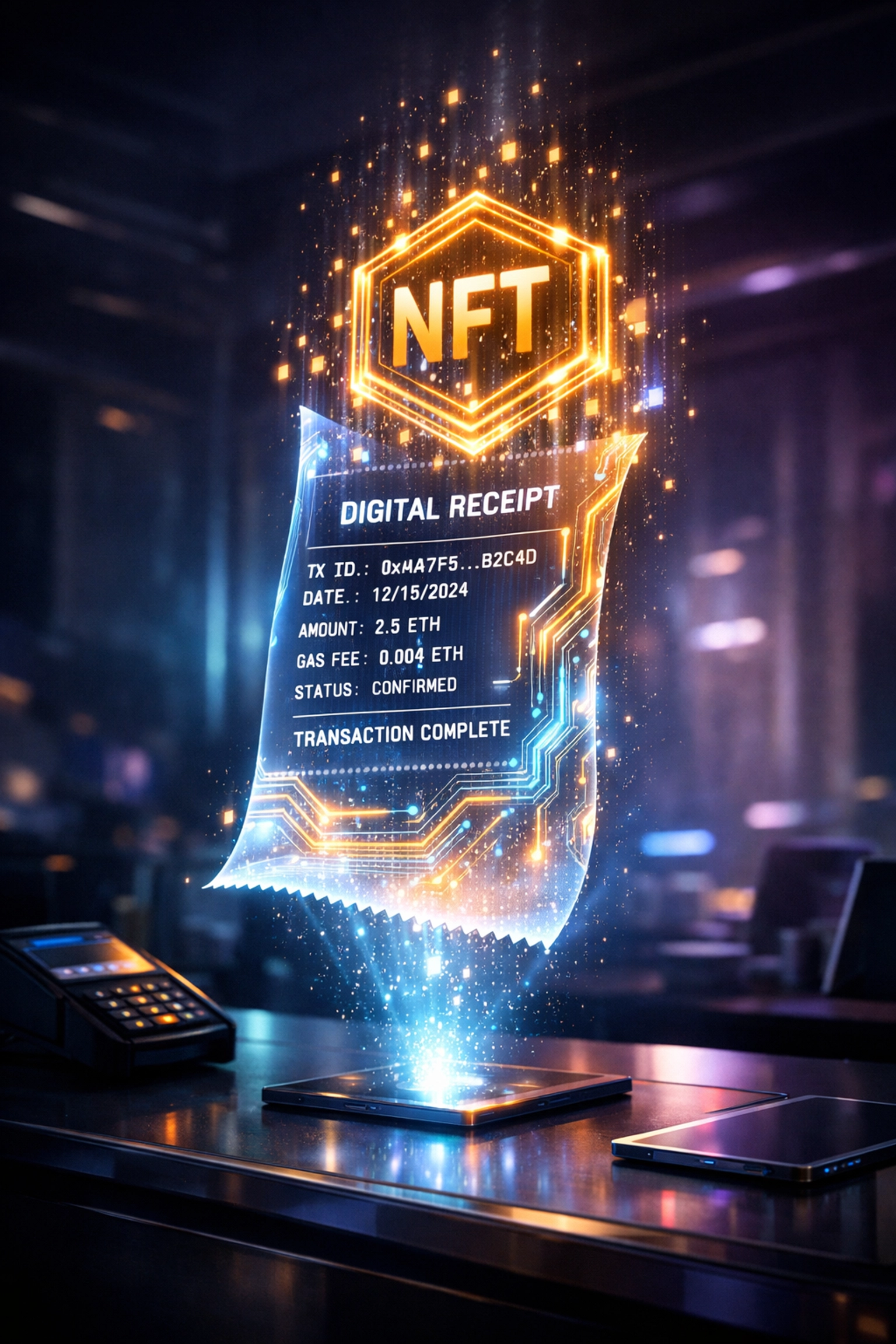
Larecoin pioneered this approach. Each payment generates an NFT receipt that serves as cryptographic proof of transaction. No more reconciliation nightmares. No more "lost" invoices. No more disputes about what was paid when.
5. KYC Requirements Vary Wildly
CoinPayments requires verification. So do most established processors.
NOWPayments famously doesn't require KYC. Faster onboarding. Less friction. More privacy.
But here's the nuance.
Some businesses need compliance infrastructure. Others need speed and simplicity. Know your requirements before choosing.
The best alternatives offer tiered approaches. Basic access without extensive verification. Enhanced features for verified merchants. Flexibility matters.
6. Integration Complexity Determines Adoption Speed
You found the perfect payment processor.
Now your dev team says integration takes three months.
CoinPayments offers plugins for major platforms. CoinGate covers WooCommerce and Wix. NOWPayments has robust APIs.
But what about your custom stack? Your POS system? Your mobile checkout?
A crypto POS system for small business shouldn't require enterprise development resources. Look for:
Pre-built plugins
Clean API documentation
Contactless POS solutions
Mobile-first checkout flows
Larecoin's ecosystem includes merchant portals, contactless POS, and cross-platform integrations designed for fast deployment.
7. The Receivables Token Model Is Revolutionary
Most payment processors treat transactions as one-time events. Money in. Money out. Done.
The receivables token concept treats your incoming payments as programmable assets.
Think about it. Your accounts receivable becomes tokenized. Transferable. Usable as collateral. Tradeable if needed.
This unlocks liquidity options that traditional processors can't match. Invoice factoring without banks. Instant settlement options. Financial flexibility built into the payment layer itself.
Larecoin's receivable token architecture makes this native to every transaction.
8. Global Reach Without Banking Dependencies
CoinPayments processes internationally. So do most alternatives.
But they still rely on banking partners for fiat conversion. Those banking relationships have geographic limits. Compliance requirements. Account restrictions.
True Web3 global payments operate differently.
No bank accounts required. No geographic restrictions based on banking relationships. Merchants in Lagos access the same infrastructure as merchants in London.
Financial sovereignty means your business isn't dependent on which banks will approve your account.
9. Gas Fees and Transaction Costs Matter
Ethereum gas fees during peak congestion? Brutal.
Some processors absorb these costs. Others pass them through. The difference impacts your margins significantly.
Look for:
Gas-optimized transaction routing
Layer 2 and alternative chain support
Batch processing capabilities
Transparent fee structures
Larecoin's gas-only transfer model keeps costs predictable. No hidden markups. No surprise fees during network congestion.
10. The Ecosystem Determines Long-Term Value
A payment processor is one tool.
An ecosystem is a growth platform.
CoinPayments processes payments. That's the core function.
But what about:
NFT marketplace integration?
DeFi connectivity?
Liquidity pool access?
Cross-chain bridging?
Community governance?
The best CoinPayments alternative isn't just a payment processor. It's an entry point into broader Web3 infrastructure.
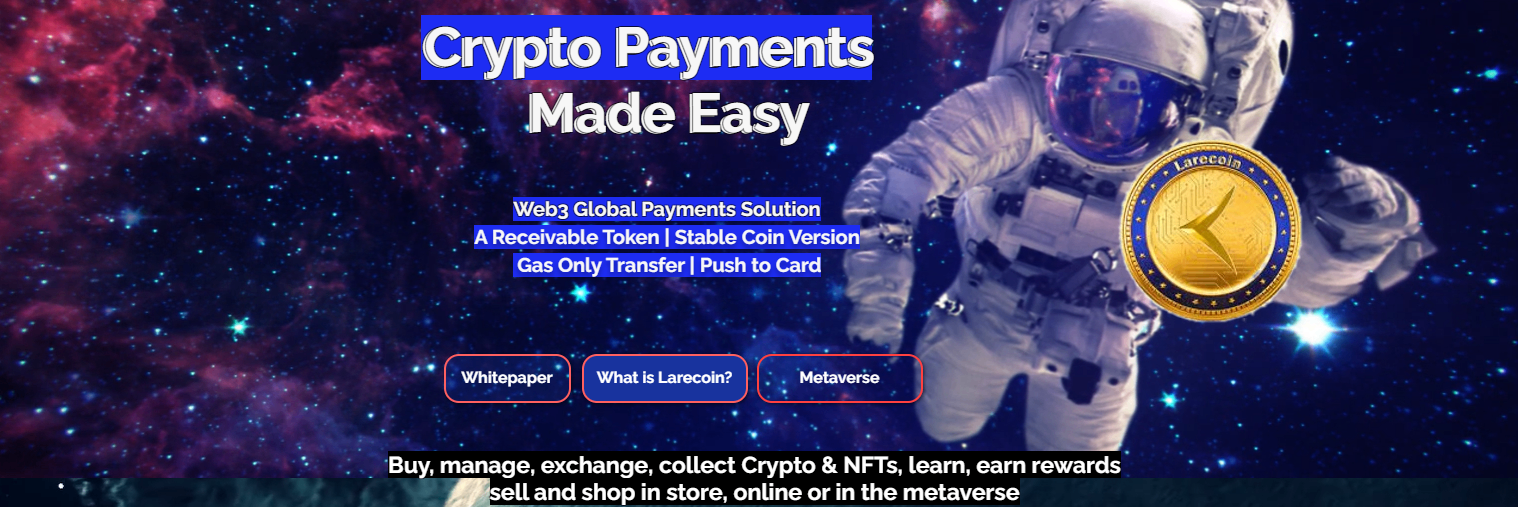
Larecoin's ecosystem spans smart wallets, DAO governance, exchange functionality, liquidity pools, swap and bridge services, and social spaces. Your payment solution connects you to an entire decentralized finance ecosystem.
Making the Switch
Evaluating a CoinPayments alternative comes down to priorities.
Prioritize cost savings? Look at fee structures and interchange elimination.
Prioritize control? Self-custody is non-negotiable.
Prioritize accounting? NFT receipts solve reconciliation problems.
Prioritize flexibility? Stablecoin settlement and receivables tokens unlock options.
Prioritize growth? Ecosystem depth determines long-term potential.
NOWPayments offers solid basics. CoinGate provides reliable infrastructure. Both serve specific needs well.
But if you're building for the Web3 future: not just processing crypto payments today: the choice becomes clearer.
Why Merchants Are Choosing Larecoin
The shift is happening.
Merchants tired of custodial risk are moving to self-custody solutions. Businesses frustrated with bank dependencies are embracing bank-free operations. Entrepreneurs seeking reduced fees are finding 50%+ savings.
Larecoin isn't just a NOWPayments alternative or CoinPayments alternative. It's a different category entirely.
Web3-native architecture. NFT receipts built-in. LUSD stablecoin settlement. Receivables tokenization. Global reach without banking limits.
Explore the Larecoin ecosystem and see what next-generation payment infrastructure actually looks like.
The future of merchant payments isn't about processing transactions.
It's about financial sovereignty.
Comments