

.png)
Looking For a Crypto POS System for Small Business? Here Are 10 Things You Should Know
- [[[Free!!]<<<<]] Watch: 스포르팅 - 토트넘 Live Stream 13 September 2022
- Jan 31
- 4 min read
![Writer: [[[Free!!]<<<<]] Watch: 스포르팅 - 토트넘 Live Stream 13 September 2022](https://lh3.googleusercontent.com/a/AItbvmktwQc0wCdd3ZEETSYItRQubwwBzOyjD_dcigRf=s96-c)
Shopping for a crypto POS system? Smart move. The market's exploding with options: but not all systems are created equal.
Here's what separates winners from wannabes.
1. Fee Structure Makes or Breaks Your Bottom Line
Credit card processors crush small businesses with 2-4% fees plus 25-30 cents per transaction. That's theft.
Crypto POS systems slash those costs by 50% or more. But here's the catch: some providers still charge hefty processing fees.
NOWPayments takes 0.5% on most transactions. CoinPayments charges up to 0.5% plus network fees. They claim "low fees" but still skim your revenue.
Real talk? You need gas-only transfers. No middleman cuts. No percentage grabs. Just blockchain network fees: pennies on the dollar.
Self-custody wallets put you in control. Your coins. Your wallet. Your rules.
2. Payment Processing Speed Determines Customer Experience

QR codes revolutionized crypto payments. Customer scans. Approves transaction. Money hits your wallet in seconds.
No bank delays. No payment holds. No "processing times."
The blockchain confirms instantly. You own the funds immediately.
Traditional POS systems? Wait 2-3 business days for settlement. Crypto? Instant finality.
Choose systems built on fast chains. Solana processes 65,000 transactions per second with sub-second confirmation. Ethereum takes minutes. Bitcoin can take hours.
Speed matters when customers are standing at your register.
3. Multi-Crypto Support Expands Your Customer Base
Your customers hold different coins. Bitcoin maximalists. Ethereum believers. Stablecoin pragmatists.
Support them all.
Leading systems accept 10+ cryptocurrencies. But here's what most miss: stablecoin options eliminate volatility risk.

LUSD offers true decentralization. No centralized stablecoin risks. No USDC freezes. No USDT controversy.
Accept Bitcoin for the OGs. Ethereum for DeFi users. LUSD for stable purchasing power.
4. Real-Time Conversion vs. Self-Custody: Pick Your Path
Most crypto payment processors auto-convert to fiat. Sounds convenient. But you lose crypto upside. And pay conversion fees. And trust third parties with your money.
Self-custody flips the script.
Keep crypto in your wallet. Convert when YOU want. At rates YOU choose. On exchanges YOU select.
NOWPayments and CoinPayments push their conversion services. They earn from your conversions. They control your timing.
True merchant freedom means holding crypto until you're ready to move. Not forced conversions. Not custody with payment processors.
5. System Integration: Upgrade Don't Replace
Already running a POS? Don't rip it out.
Smart crypto systems integrate with existing infrastructure. Cash register. Inventory management. Accounting software.
Crypto becomes another payment option. Like adding a card reader.
Mobile setups work for pop-ups and food trucks. Terminal systems fit brick-and-mortar stores. Online POS handles e-commerce.
Match the system to your business model. Don't force your business into the system's box.
6. Security Features Protect Your Revenue
Blockchain security beats legacy systems. Every transaction verified. Every payment transparent. Every record immutable.
But wallet security matters most.
Hardware wallet integration. Multi-signature requirements. Transaction limits. Withdrawal confirmations.
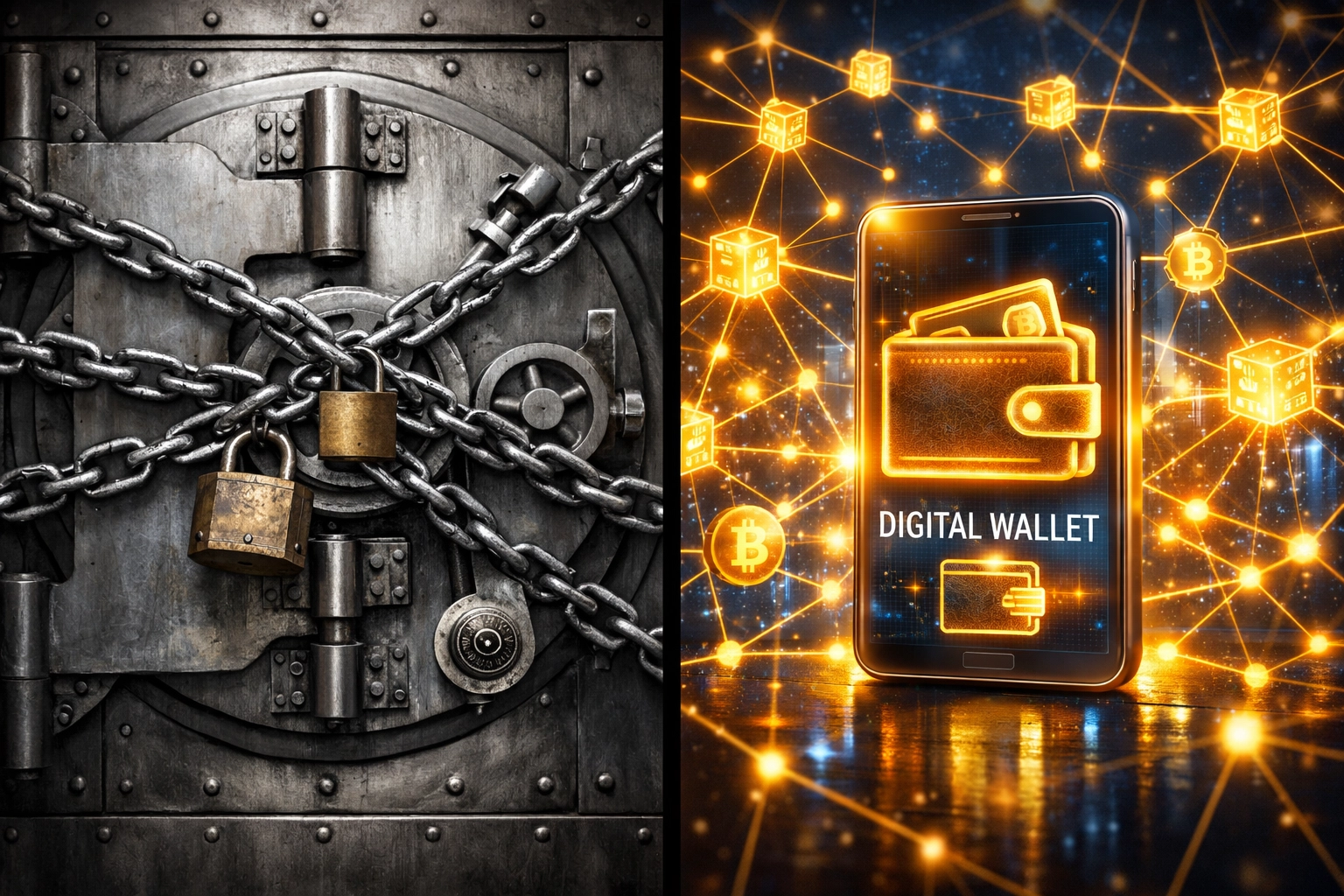
Centralized processors hold your funds. They get hacked. You lose money. Self-custody eliminates that risk vector entirely.
Your keys. Your crypto. Your responsibility. Your protection.
7. NFT Receipts: The Future of Customer Engagement
Here's where innovation separates platforms.
Traditional receipts? Paper trash or email spam.
NFT receipts create permanent, verifiable transaction records on-chain. Customers collect them. You build loyalty programs around them. They prove authenticity and ownership.
Exclusive discounts for NFT receipt holders. Limited edition NFTs for high-value purchases. Community access through receipt collections.
This isn't crypto payments. This is Web3 commerce.
Most payment processors ignore NFT capabilities. They're stuck in Web2 thinking. Meanwhile forward-thinking merchants build engaged communities through blockchain-native features.
8. Compliance Doesn't Have to Be Complicated
Tax reporting. Regulatory requirements. Record keeping.
Crypto adds complexity. Smart systems simplify it.
Automated transaction logs. Export features for accounting software. Clear reporting for tax season.
But here's the key: decentralized solutions maintain privacy while enabling compliance.
You track your transactions. You report what's required. No processor selling your customer data. No centralized surveillance.
9. Setup Time: 30 Minutes to Live Payments

Forget week-long implementations. Crypto POS goes live fast.
Create wallet. Connect to system. Generate QR codes. Accept payments.
Done.
Test with small transactions first. Verify everything works. Then go full production.
Traditional merchant accounts? Applications. Credit checks. Approval delays. Hardware shipping.
Crypto POS? Download app. Start accepting payments. Today.
10. Total Cost of Ownership Reveals True Value
Look beyond transaction fees.
Monthly subscriptions. Hardware costs. Integration fees. Support charges. Conversion markups.
CoinPayments charges subscription fees plus transaction percentages. NOWPayments takes cuts on every sale. They nickel-and-dime merchants to death.
Calculate true costs:
Transaction fees over 12 months
Monthly/annual subscriptions
Hardware requirements
Integration development
Customer support fees
Self-custody systems eliminate ongoing subscription drains. You pay network fees only. No platform taking percentages forever.
The Merchant Freedom Equation
Traditional payment processors own your money until they release it. Crypto payment platforms hold your funds until you withdraw them.
Self-custody means you own your money immediately.
Direct customer-to-merchant transfers. No intermediaries. No permission required. No accounts frozen.
This is merchant independence. This is financial freedom.
Compare systems on these dimensions:
Who controls the funds?
What percentage do they take?
Can they freeze your account?
How fast do you access money?
What restrictions do they impose?
The answers reveal which systems serve merchants vs. which systems serve themselves.
Your Next Move
Crypto POS adoption accelerates daily. Early movers capture crypto-native customers. They slash payment processing costs. They build Web3-enabled businesses.
Late adopters pay premium fees to traditional processors while competitors embrace the future.
Research your options. Test systems with small transactions. Calculate true costs. Choose platforms prioritizing merchant freedom.
The smartest small businesses aren't asking "Should we accept crypto?"
They're asking "Which crypto POS system maximizes our independence?"
You've got the knowledge. Make the move.
Visit larecoin.com to explore merchant solutions built for true decentralization.
Comments