

.png)
Looking For a Crypto POS System for Small Business? Here Are 10 Things You Should Know
![Writer: [[[Free!!]<<<<]] Watch: 스포르팅 - 토트넘 Live Stream 13 September 2022](https://lh3.googleusercontent.com/a/AItbvmktwQc0wCdd3ZEETSYItRQubwwBzOyjD_dcigRf=s96-c)
Shopping for a crypto POS system isn't like picking a traditional card processor. The options are exploding. The tech is evolving fast. And honestly? Most merchants have no idea what separates a good solution from a mediocre one.
Here's what matters when you're evaluating crypto payment systems for your small business.
1. Setup Speed: Minutes, Not Weeks
Traditional merchant accounts drag on forever. Credit checks. Business verification. Approval committees. You're lucky to go live in two weeks.
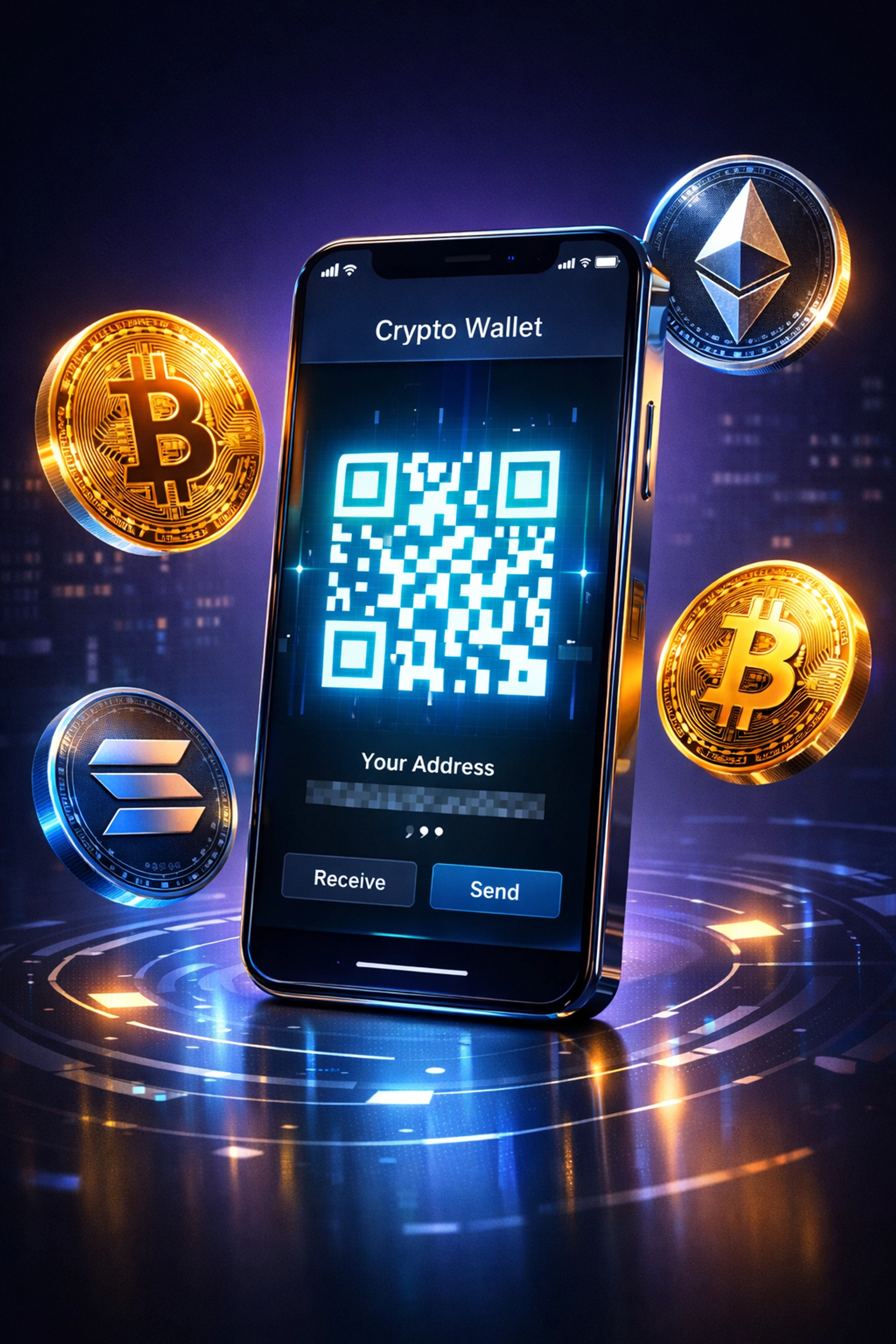
Crypto POS systems flip that script. The best ones get you operational in under 30 minutes. Create a wallet. Generate a QR code. Start accepting payments.
No gatekeepers. No waiting around. Just setup and sell.
If a crypto payment system requires lengthy onboarding, ask yourself why. The technology doesn't demand it. The company does.
2. Self-Custody vs. Third-Party Control: Who Owns Your Money?
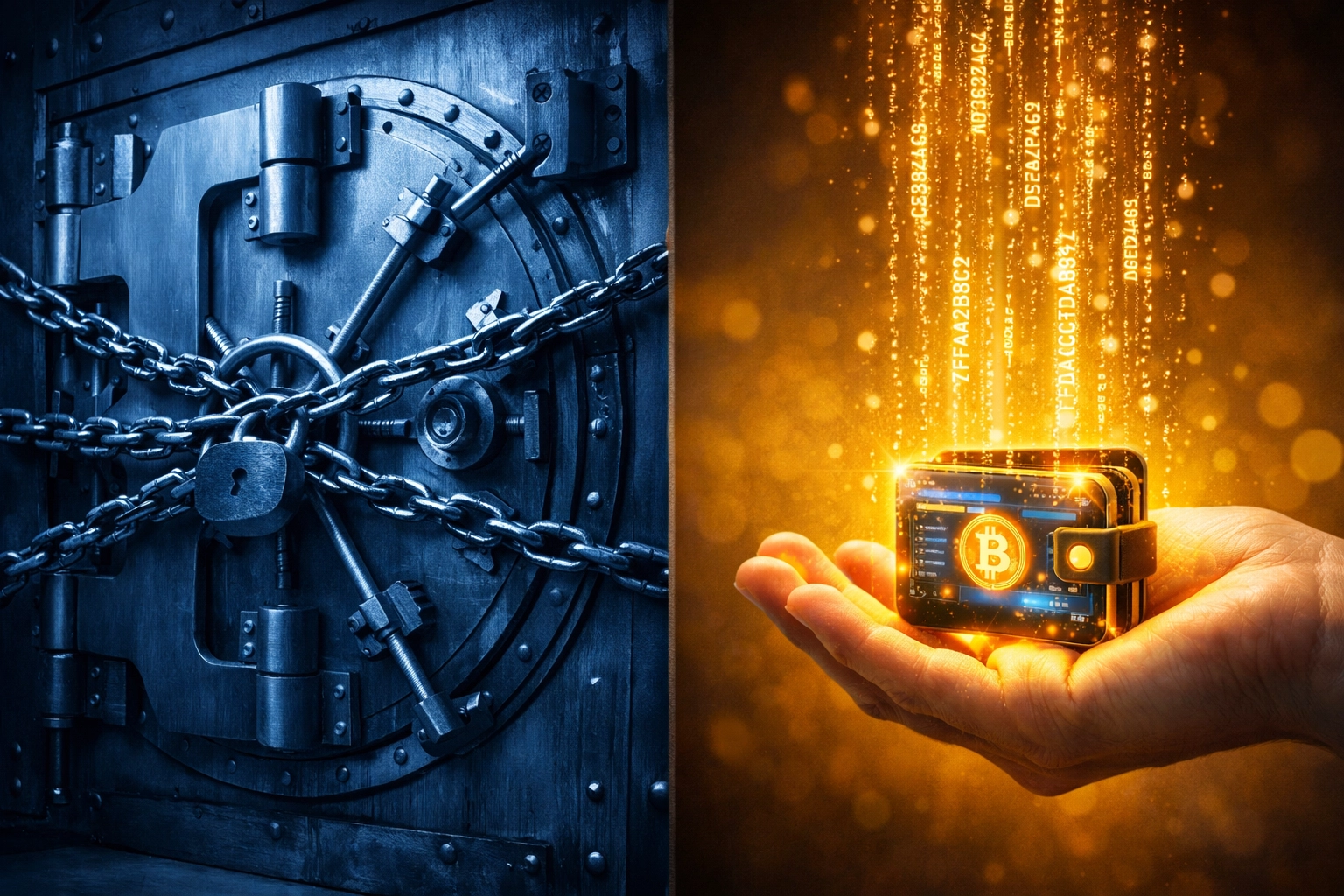
This is the big one. Some crypto POS providers: like NOWPayments and CoinPayments: hold your funds in their custody. You're essentially trusting them the same way you trust a bank.
Self-custody solutions let you control your private keys. Your funds. Your wallet. Direct ownership.
Larecoin operates on a self-custody model. You receive payments directly into your wallet. No intermediary holding your crypto. No withdrawal limits. No surprise account freezes.
That's financial independence. That's what crypto was built for.
Ask any provider: "Do I control my private keys?" If they dodge the question, you have your answer.
3. Fee Structure: Gas-Only vs. Markup Madness
Fee structures vary wildly across crypto POS systems. Some charge flat percentages. Others add markup on top of gas fees. A few claim "low fees" but bury the costs in fine print.
Traditional processors like NOWPayments charge 0.5% per transaction. CoinPayments takes 0.5% to 1% depending on your plan. Those percentages add up fast when you're processing volume.
Larecoin's approach? Gas-only fees. You pay exactly what the blockchain charges to process the transaction. No markup. No hidden percentages. No surprise costs eating into your margins.
For a $1,000 sale, that difference is real money. Over a year? It's massive.
4. Supported Cryptocurrencies: Beyond Just Bitcoin
Your customers aren't all Bitcoin maximalists. Some prefer Ethereum. Others want stablecoins like USDC or USDT. The crypto-savvy crowd might offer you Solana or Polygon.
Most systems support multiple coins. That's table stakes now. But pay attention to which ones.
Larecoin supports major cryptocurrencies and features LUSD: a decentralized stablecoin that doesn't rely on centralized entities. That matters when regulators start cracking down on USDC or Tether.
LUSD means stability without the counterparty risk. Your customers pay in stable value. You receive stable value. No corporate middleman controlling the asset.
5. Real-Time Conversion: Volatility Protection
Some merchants want to hold crypto. Others prefer immediate conversion to fiat. Both approaches are valid.
Systems like CoinPayments offer auto-conversion features. You receive USD instead of crypto. Eliminates volatility risk but adds fees and removes the upside potential.
Larecoin gives you the choice. Hold your crypto for appreciation. Convert when you want. Hybrid approaches where you keep 50% in crypto and convert 50% to stablecoin.
Your business. Your decision. No forced conversions or mandatory settlement windows.
6. Integration Complexity: Plug-And-Play vs. Developer Nightmare
Time is money. Complex integrations cost both.
Legacy systems require API development. Custom code. Technical expertise. Weeks of implementation work. That's fine for enterprise businesses with engineering teams. It's a disaster for small businesses.
Modern crypto POS systems integrate in minutes. QR code generation. Web-based dashboards. Mobile wallet connections. No coding required.
Larecoin's approach prioritizes simplicity. Generate a payment link. Display a QR code. Customer scans and pays. Transaction confirmed on-chain.
If a provider tells you integration requires "technical resources," they're behind the curve.

7. Security and Fraud Protection: Blockchain-Level Trust
Crypto payments eliminate chargebacks. That's huge. Credit card chargebacks cost merchants billions annually. Crypto transactions are final once confirmed.
But security still matters. Wallet management. Private key protection. Phishing prevention. Man-in-the-middle attack mitigation.
The blockchain itself provides transaction verification. Every payment is publicly recorded and immutable. That transparency protects both you and your customers.
Compare that to third-party processors where you're trusting their security. Their servers. Their custody. One breach and your funds disappear.
Self-custody means you're responsible for security. But you're also not depending on someone else's competence.
8. Hardware vs. Software: Choose Your Approach
Physical terminals look professional but add costs. Mobile apps offer flexibility but require smartphones. QR codes are dead simple but need internet connectivity.
NOWPayments offers plugins and widgets. CoinPayments provides buttons and shopping cart integrations. Both are software-focused approaches.
Larecoin works across all methods. Physical QR codes at checkout. Mobile wallet scanning. Web-based payment pages. NFC tap-to-pay for metaverse commerce.
Your retail environment determines the best approach. Coffee shop? QR code at the register. E-commerce store? Payment link at checkout. Hybrid business? Multiple options running simultaneously.
9. Reporting and Compliance: Tax Season Doesn't Care About Decentralization
Crypto transactions still require recordkeeping. The IRS wants its cut. Your accountant needs transaction histories. Compliance isn't optional.
Look for systems offering digital receipts, transaction exports, and tax reporting tools. Some platforms provide nothing. Others generate detailed reports automatically.
Larecoin enables NFT receipts: blockchain-verified proof of purchase that doubles as a collectible. Your customers get unique digital memorabilia. You get immutable transaction records.
Those NFT receipts solve multiple problems. Customer engagement. Loyalty programs. Compliance documentation. Proof of authenticity for high-value items.
Traditional processors can't offer anything close to that innovation.
10. Transaction Speed: Instant Confirmation Matters
Nobody wants to stand around waiting for blockchain confirmations. Speed matters at the point of sale.
Bitcoin transactions can take 10+ minutes. Ethereum varies based on gas prices. Newer chains like Solana confirm in seconds.
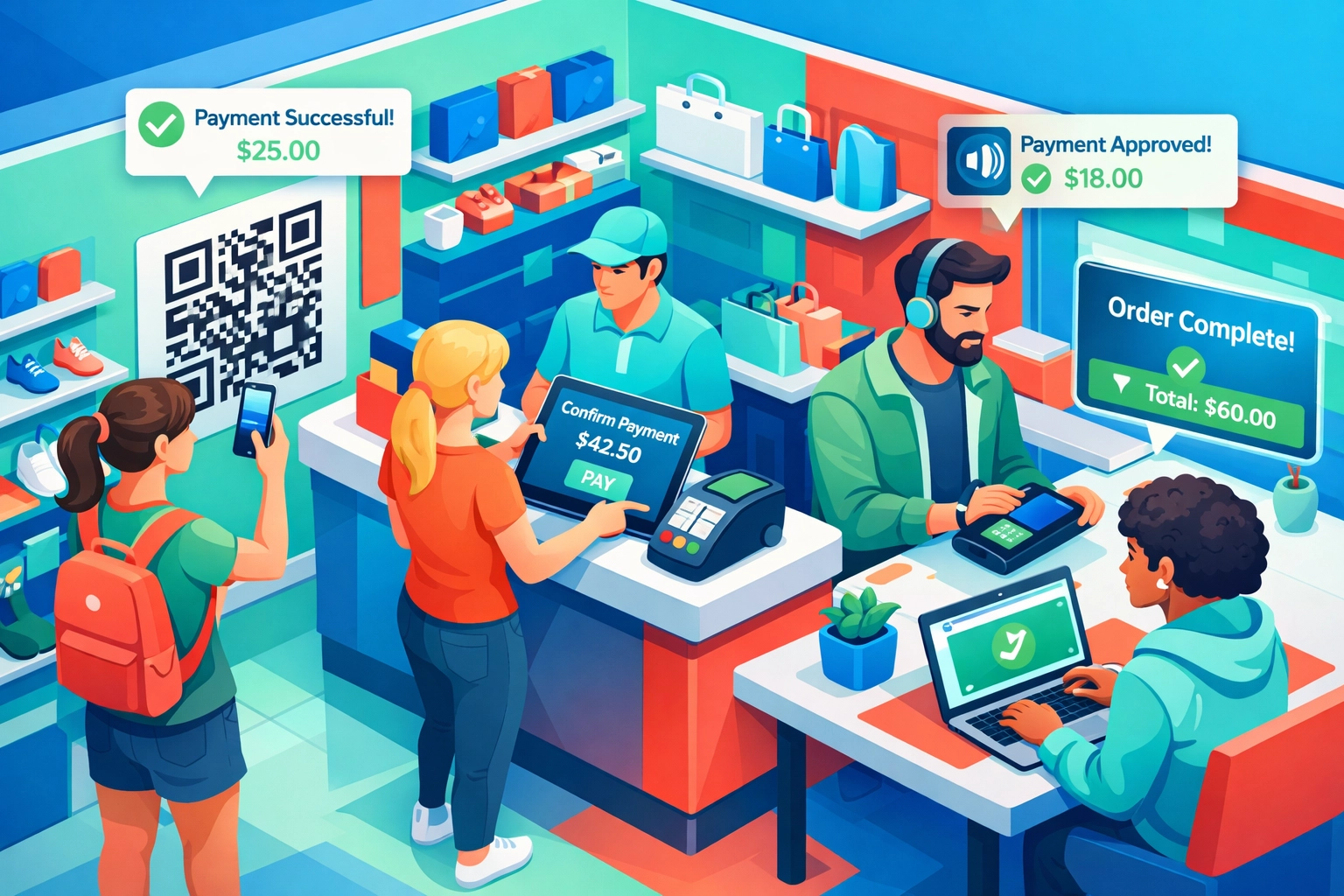
Larecoin operates on fast blockchains with near-instant confirmation. Customers pay. Transaction verifies. They walk out. Total time: seconds, not minutes.
For in-person retail, that speed is non-negotiable. Online sales can tolerate slight delays. Physical stores cannot.
Ask providers about average confirmation times for supported cryptocurrencies. Test the system yourself before committing.
The Decentralization Difference
Traditional payment processors: crypto or otherwise: operate as centralized gatekeepers. They decide who gets approved. They set the fees. They control the funds. They determine when you can access your money.
That's not what crypto was supposed to be.
Decentralized systems like Larecoin restore merchant freedom. You control your funds from the first transaction. No approval process. No account holds. No sudden policy changes locking you out.
Companies like NOWPayments and CoinPayments serve a purpose. They're fine for merchants who want traditional banking relationships wrapped in crypto acceptance. But they're not truly decentralized. They're intermediaries with blockchain features.
If you value independence, choose systems built on genuine decentralization principles.
Making Your Decision
Evaluate crypto POS systems against these 10 criteria. Setup speed. Custody model. Fee structure. Coin support. Conversion options. Integration simplicity. Security approach. Hardware flexibility. Reporting capabilities. Transaction speed.
Weight each factor based on your business priorities. High-volume merchants obsess over fees. New businesses prioritize setup speed. Compliance-focused operations need robust reporting.
The right system aligns with your specific needs: not generic marketing promises.
Crypto payments represent merchant liberation. Lower fees. Faster settlement. Global access. No gatekeepers. But only if you choose systems that actually deliver those benefits.
Your customers are ready. The technology exists. The question is whether you're working with a provider that respects your autonomy or restricts it.
Choose wisely. Your business deserves better than old banking models dressed up in cryptocurrency clothing.
Comments