

.png)
Looking For a Crypto POS System for Small Business? Here Are 10 Things You Should Know Before Choosing
![Writer: [[[Free!!]<<<<]] Watch: 스포르팅 - 토트넘 Live Stream 13 September 2022](https://lh3.googleusercontent.com/a/AItbvmktwQc0wCdd3ZEETSYItRQubwwBzOyjD_dcigRf=s96-c)
Crypto payments are exploding in 2026. Small businesses everywhere are ditching legacy payment processors and embracing blockchain-based POS systems.
But not all crypto POS solutions are created equal.
Some lock you into custodial wallets. Others bleed you dry with hidden fees. Many force you to jump through regulatory hoops just to accept a simple payment.
Here's what you actually need to know before choosing a crypto POS system for your business.
1. Self-Custody vs. Custodial: Who Really Controls Your Money?
This is the big one.
Most crypto payment processors like NOWPayments and CoinPayments operate as custodial intermediaries. They hold your funds. They control withdrawal timing. They can freeze accounts.
Self-custody systems send payments directly to your wallet. No middleman. No deplatforming risk. Complete financial sovereignty.

Think about it. You started accepting crypto to avoid traditional banking restrictions. Why recreate the same problems with a custodial crypto processor?
Larecoin's ecosystem operates on true self-custody principles. Payments hit your wallet instantly. You control the keys. You control the timing. You control everything.
2. Setup Time: Hours vs. Minutes
Traditional merchant accounts take days or weeks.
Credit checks. Business verification. Bank statements. Application reviews.
Top-tier crypto POS systems eliminate all that bureaucracy.
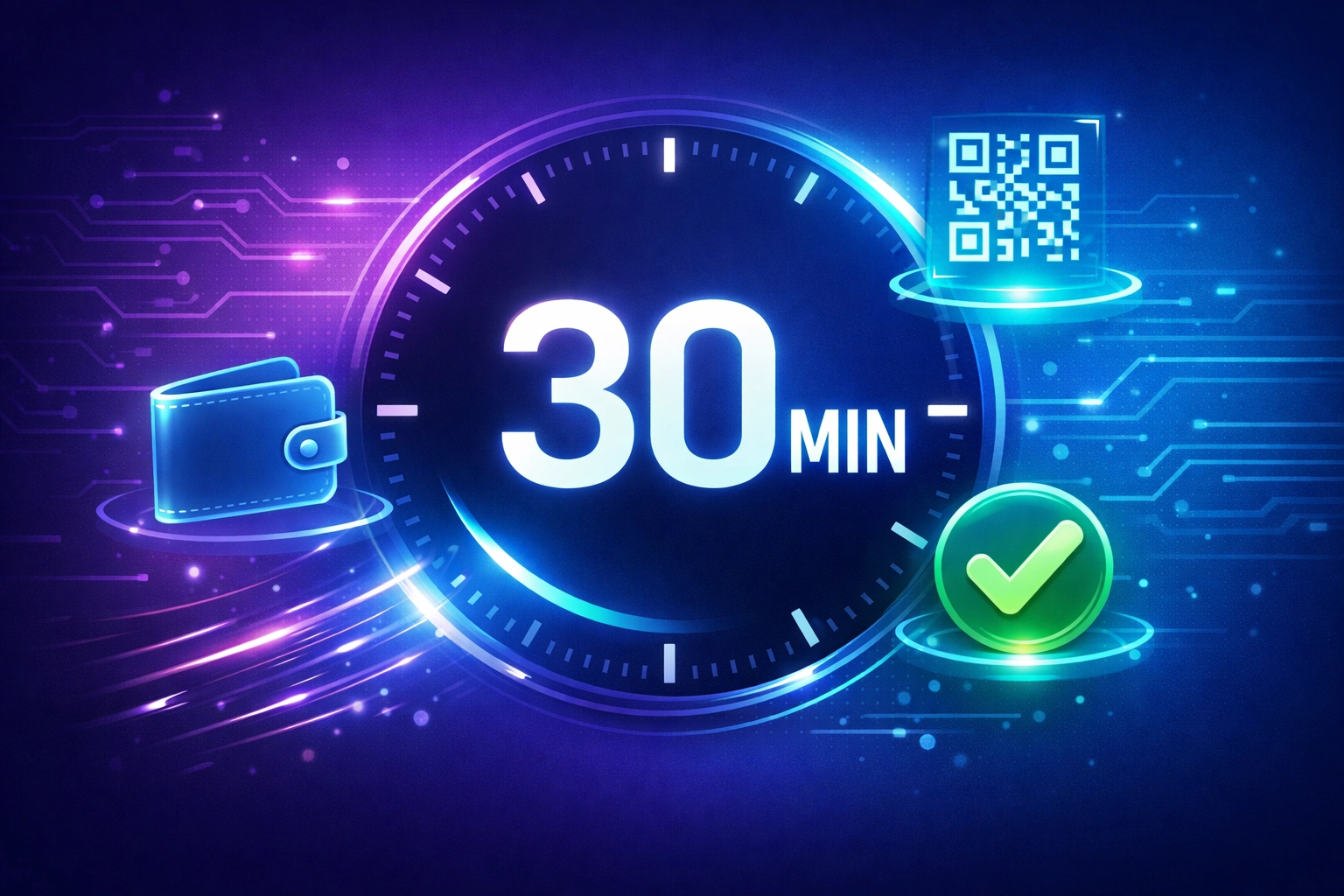
The best solutions get you operational in under 30 minutes. No applications. No credit checks. No waiting for approval from some payments committee.
Create wallet. Generate QR code. Start accepting payments.
That's it.
3. Fee Structure: The Hidden Cost Nobody Talks About
Credit card processors charge 2.9% + $0.30 per transaction as standard. High-risk businesses pay even more.
Crypto POS systems advertise lower fees. But dig deeper.
NOWPayments charges transaction fees on top of network costs. CoinPayments layers multiple fee types across different payment methods. Both add withdrawal fees when you want to access your own money.
Gas-only systems change the game entirely.
With Larecoin's LUSD stablecoin, you only pay blockchain gas fees. No processing percentage. No platform cut. No withdrawal charges.
On a $1,000 transaction, you're saving $29+ compared to credit cards. That adds up fast.
4. Supported Cryptocurrencies: Breadth vs. Practicality
More coins don't automatically mean better service.
Yes, supporting 100+ cryptocurrencies sounds impressive. But do your customers actually want to pay with obscure altcoins?
Focus on what matters:
Bitcoin for crypto purists
Ethereum for DeFi users
Stablecoins for everyday transactions
Your local ecosystem tokens
LUSD provides the stability merchants need without volatility exposure. Customers get crypto benefits. You get predictable accounting.
5. Chargeback Protection: The Crypto Advantage
Here's something credit card processors don't advertise.
Chargebacks cost U.S. businesses $125 billion annually. Fraudulent disputes. Customer abuse. Card-not-present fraud.
Blockchain transactions are final. Irreversible. Permanent.
Zero chargeback risk. Ever.
This alone justifies switching to crypto POS systems for high-chargeback industries. Digital goods. Subscription services. Travel bookings.
Traditional processors treat these sectors as "high risk" and charge premium rates. Crypto treats them the same as any other transaction.
6. NFT Receipts: Programmable Transaction Records
Most POS systems generate database receipts. Stored on company servers. Hackable. Deletable. Centralized.
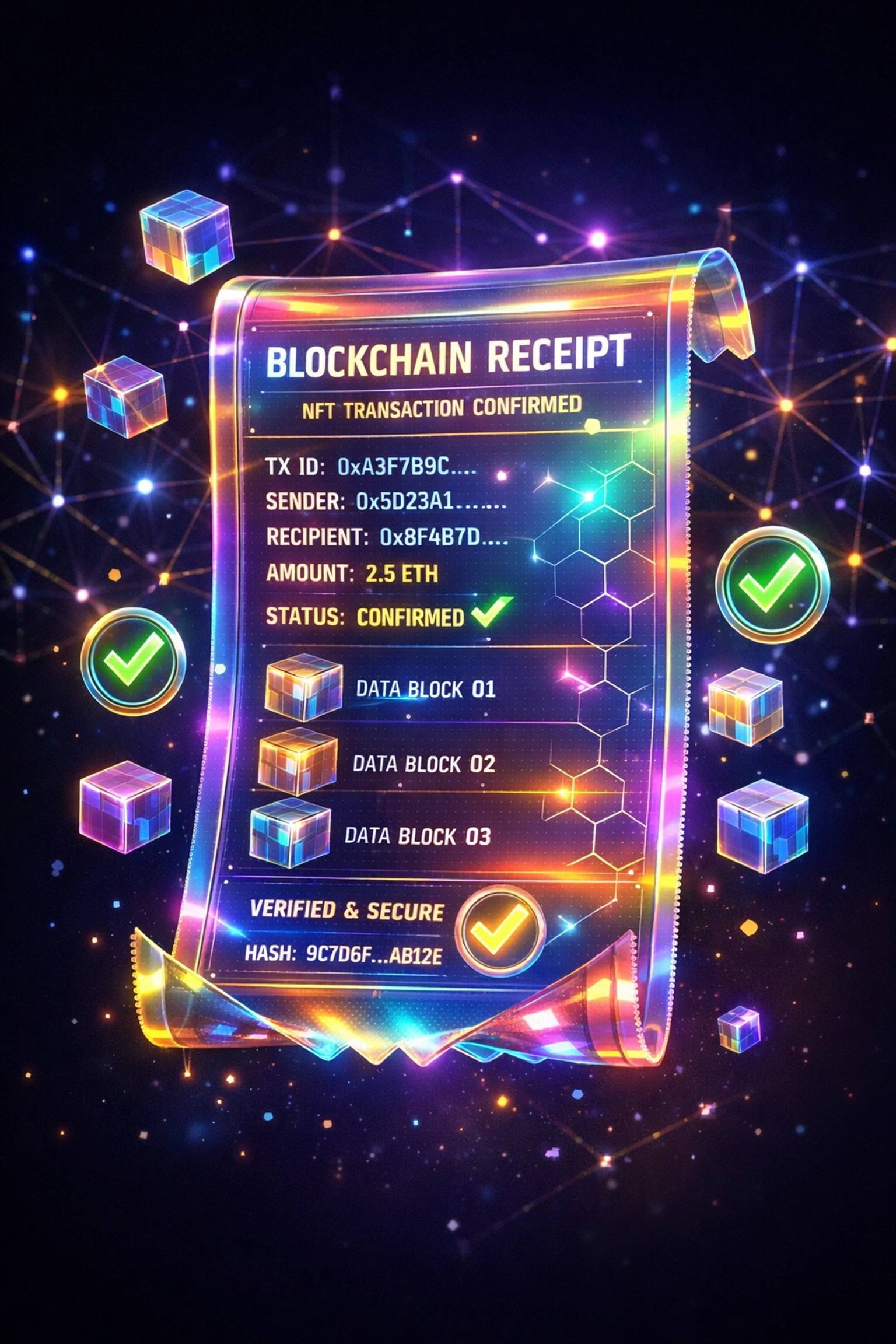
NFT receipts live on the blockchain. Permanent. Verifiable. Programmable.
Larecoin's NFT receipt system creates unique digital assets for every transaction. Customers can verify authenticity. Merchants gain immutable records for accounting and compliance.
This isn't just tech for tech's sake. It's practical innovation solving real problems:
Warranty verification
Proof of purchase for returns
Customer loyalty tracking
Tax documentation
Traditional processors like NOWPayments and CoinPayments still rely on legacy receipt systems. They're crypto payments with Web2 infrastructure.
7. Fiat Conversion Timing: Fixed vs. Flexible
Crypto volatility scares merchants. Understandably.
Some systems auto-convert every payment to fiat immediately. Zero crypto exposure. Also zero upside potential.
Others force you to hold crypto and convert manually. Maximum volatility risk.
The smart middle ground? Stablecoins.
LUSD maintains dollar parity without centralized control. Accept payments in LUSD. Convert to fiat when you want. Maintain purchasing power without volatility.
You control the timing. You capture favorable exchange rates. You avoid forced conversions during market dips.

8. Integration Complexity: Plug-and-Play vs. Developer Required
Your POS system needs to work with existing infrastructure.
Accounting software. Inventory management. E-commerce platforms. Mobile terminals.
Some crypto processors require custom development work. API integration projects. Technical consultants. Weeks of setup.
Modern systems integrate in minutes.
QR code generation works on any device. Web-based dashboards connect anywhere. Mobile apps work on existing phones and tablets.
No proprietary hardware. No locked ecosystem. No vendor dependency.
9. Global Reach Without Banking Restrictions
Traditional payment processors operate within banking networks. Cross-border transactions trigger currency conversions, international fees, and regulatory complications.
Crypto operates globally by default.
A customer in Tokyo pays the same way as someone in Toronto. Same fees. Same speed. Same process.
No currency conversion spreads. No international transaction fees. No geographic restrictions.
This is massive for small businesses selling globally. Digital products. Online services. Cross-border e-commerce.
CoinPayments and NOWPayments add layers of complexity with multi-currency conversions and regional fee variations. Larecoin treats a payment as a payment. Period.
10. Merchant Independence: The Long-Term Strategic Advantage
Here's what most comparison articles miss.
Choosing a crypto POS system isn't just about features and fees. It's about long-term business independence.
Custodial systems can:
Freeze accounts without warning
Change fee structures unilaterally
Terminate service for arbitrary reasons
Impose transaction limits or holds
Self-custody systems eliminate these risks entirely. Your wallet. Your keys. Your business.
Traditional processors like NOWPayments and CoinPayments position themselves as necessary intermediaries. They're centralized gatekeepers in decentralized clothing.
True crypto adoption means eliminating intermediaries. Not replacing one set of gatekeepers with another.
The Bottom Line
Choosing a crypto POS system for your small business comes down to control.
Do you want custody of your funds? Transparent fees? Permanent transaction records? Global reach without restrictions?
Or are you comfortable recreating traditional payment processing problems with a crypto wrapper?
The technology exists today for true merchant independence. Self-custody wallets. Gas-only fees. NFT receipts. Stablecoin settlements.
You don't need permission to accept crypto payments in 2026. You just need the right system.
Larecoin's ecosystem delivers merchant freedom without compromise. Check out the complete platform at Larecoin.com and see how decentralized payments actually work.
The future of commerce isn't about changing payment processors. It's about eliminating the need for processors altogether.
Your business. Your payments. Your control.
That's the promise crypto was supposed to deliver. It's time to actually deliver it.
Comments