

.png)
NOWPayments vs CoinPayments vs Larecoin: Which Cuts Merchant Fees the Most?
- [[[Free!!]<<<<]] Watch: 스포르팅 - 토트넘 Live Stream 13 September 2022
- Jan 31
- 4 min read
![Writer: [[[Free!!]<<<<]] Watch: 스포르팅 - 토트넘 Live Stream 13 September 2022](https://lh3.googleusercontent.com/a/AItbvmktwQc0wCdd3ZEETSYItRQubwwBzOyjD_dcigRf=s96-c)
Payment processors love percentage fees. Every transaction, they take their cut. Doesn't matter if you're selling coffee or cars: they get paid.
Merchants are tired of it.
The crypto payment landscape promised lower fees. But most platforms just replaced traditional processors with similar models. Same extraction, different branding.
Time to run the numbers.
The Fee Structure Breakdown
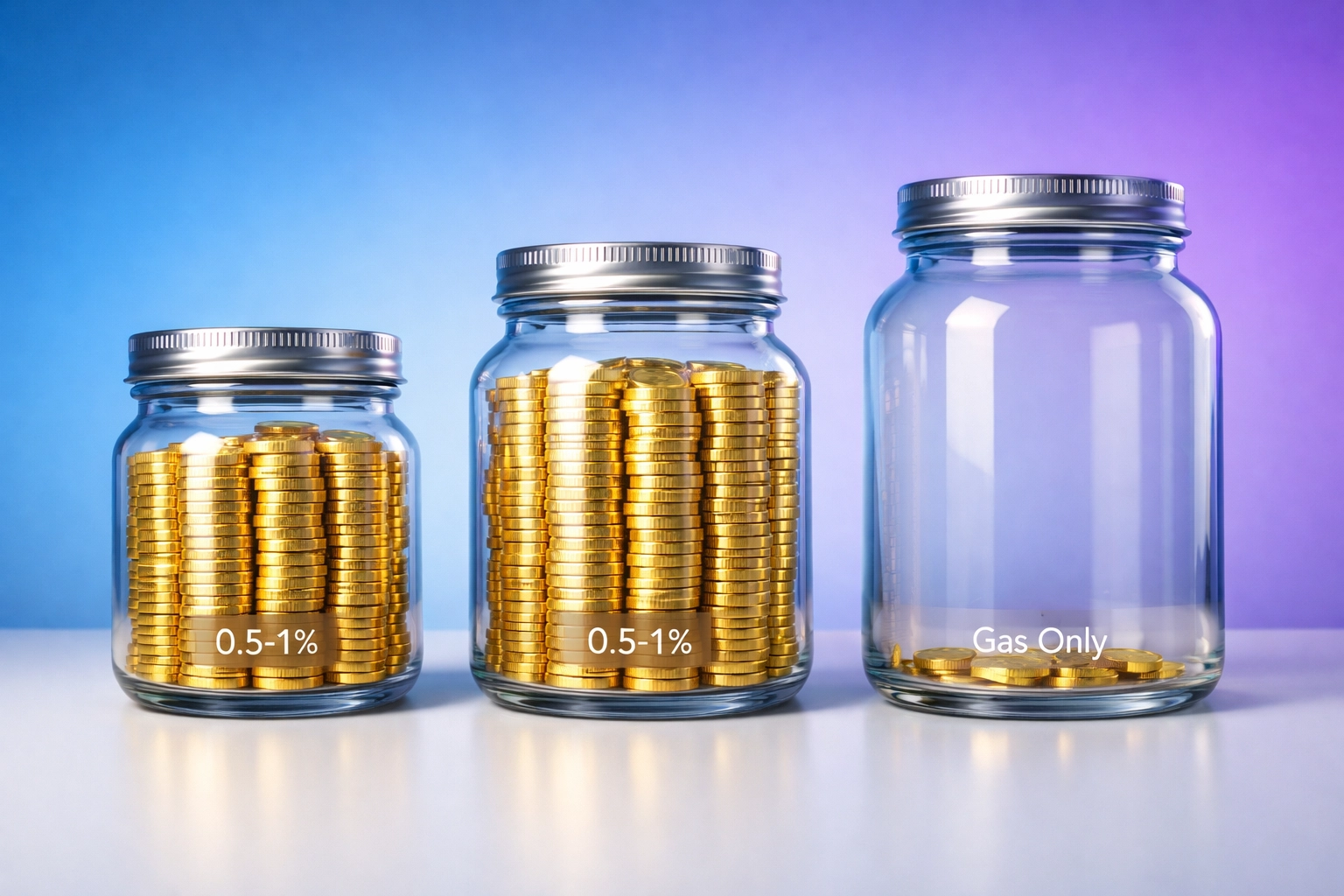
NOWPayments charges 0.5% for single-currency transactions and 1% for multi-currency transactions. Plus blockchain gas fees on top.
CoinPayments operates identically. 0.5% standard, up to 1% depending on configuration. Same percentage model as traditional processors, just slightly lower rates.
Larecoin charges zero percentage fees. You pay gas only.
That's it. No cuts. No percentages. Just network fees.
What This Means in Real Money
Let's calculate actual costs. Say you process $100,000 monthly in crypto payments.
Annual costs:
NOWPayments: $9,000-$12,000 (0.5-1% per transaction)
CoinPayments: $6,000-$12,000 (0.5-1% depending on setup)
Larecoin: Under $500 (gas-only on Solana)
Scale it to $500,000 annual volume:
NOWPayments: $2,500-$5,000
CoinPayments: $2,500-$5,000
Larecoin: Under $2,000
The savings compound. At higher volumes, you're keeping thousands that would otherwise disappear to processor fees.
The Math Gets Better at Scale
Here's where percentage fees hurt most. As your business grows, your payments to processors grow proportionally.
$1 million annual volume:
Traditional processors: $25,000-$35,000
NOWPayments/CoinPayments: $5,000-$10,000
Larecoin: Under $2,000
$5 million annual volume:
Traditional processors: $125,000-$175,000
NOWPayments/CoinPayments: $25,000-$50,000
Larecoin: Still under $10,000
Notice the pattern? With percentage fees, your costs scale linearly with revenue. With gas-only, they barely move.
That's the difference between paying for intermediary profit margins versus paying actual network costs.

Beyond Fees: Custody Matters
NOWPayments and CoinPayments are custodial intermediaries. They hold funds during processing. You wait for settlement.
Translation: They control your money until they decide to release it.
Larecoin enables direct peer-to-peer transactions. Customer pays, you receive. No intermediary custody. No settlement delays.
Self-custody means merchant independence. Your funds, your keys, your control.
Processing Speed Comparison
NOWPayments: Consistent 5-minute transaction times. Reliable but not instant.
CoinPayments: Variable timing based on blockchain congestion. Could be minutes, could be longer during network spikes.
Larecoin: Sub-second finality on Solana. Transaction confirmed before your customer closes the checkout window.
Speed matters for customer experience. It also matters for business operations. Faster settlement means better cash flow management.
The NFT Receipt Advantage
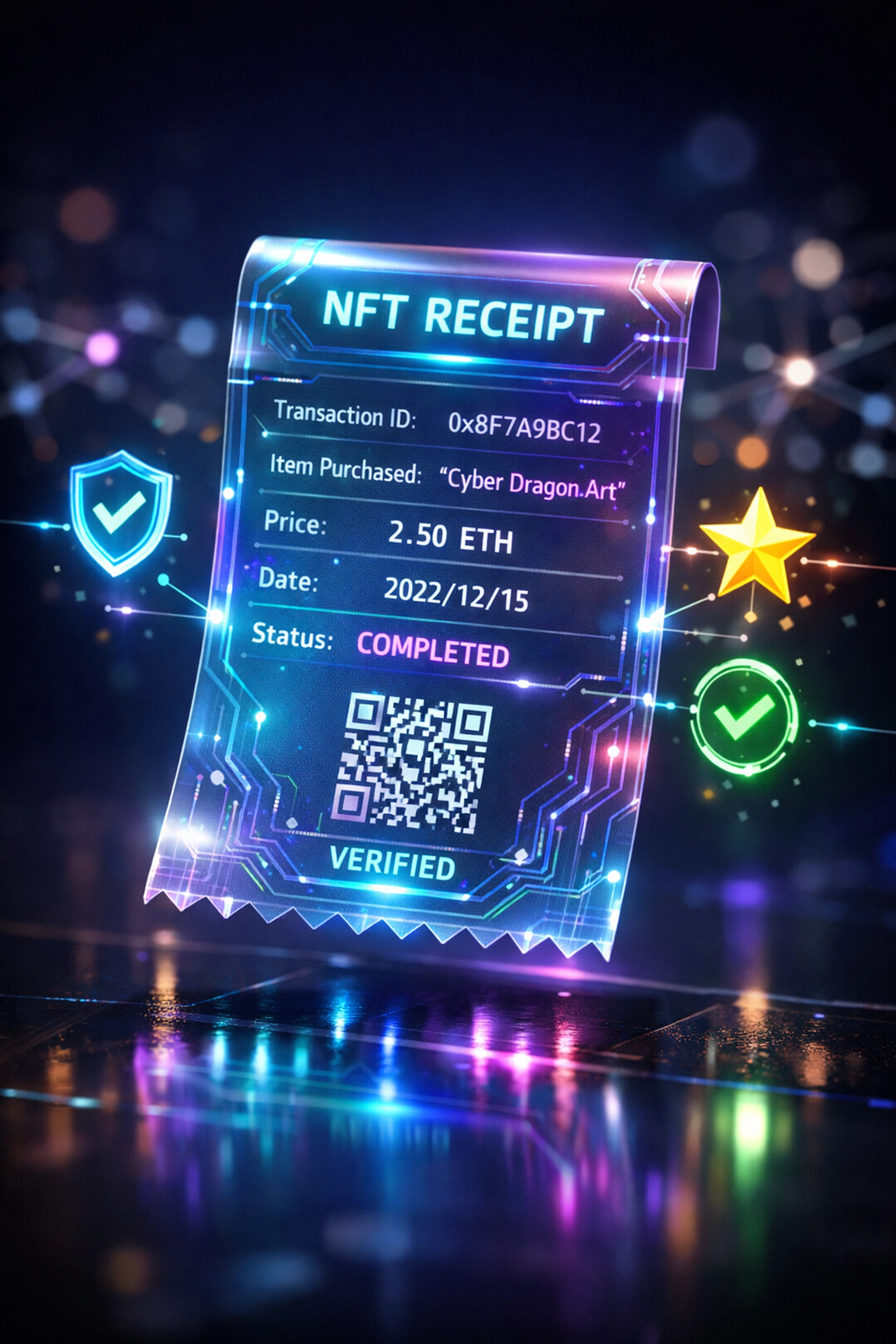
Here's something NOWPayments and CoinPayments don't offer: NFT receipts.
Every Larecoin transaction generates an NFT receipt. Permanent, verifiable, blockchain-native proof of purchase.
This isn't a gimmick. It's programmable commerce infrastructure.
NFT receipts enable:
Automated warranty tracking
Loyalty program integration
Resale authenticity verification
Digital collectible merchandise
Your payment receipt becomes a smart asset. That's innovation competitors can't match.
LUSD Stability Without Percentage Extraction
Larecoin's ecosystem includes LUSD: a stablecoin solution tied to the Larecoin infrastructure.
NOWPayments and CoinPayments support stablecoins. But they charge the same percentage fees regardless of volatility protection.
With Larecoin, you get stablecoin benefits without percentage-based extraction. Accept LUSD, pay gas only, maintain price stability.
Merchants who need predictable fiat-equivalent pricing get it. Without paying premium processor fees for the privilege.
Why Solana Infrastructure Changes Everything
Gas fees on Ethereum can spike to $50+ per transaction during congestion. That makes "gas-only" pricing less appealing.
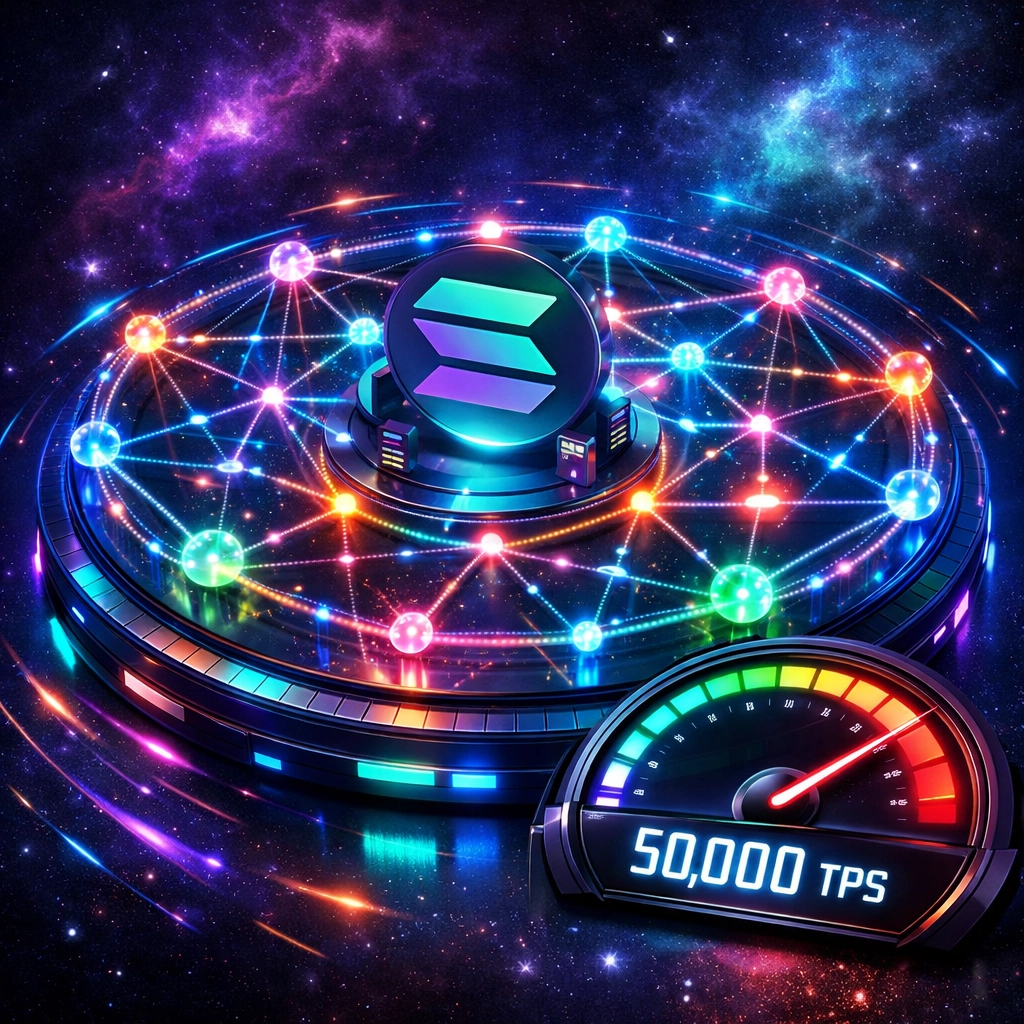
Larecoin operates on Solana. Gas fees are fractions of a penny. Consistently.
At 50,000 transactions per second capacity, network congestion is negligible. Your per-transaction cost stays stable even during high-volume periods.
This is why the gas-only model works. Solana's infrastructure makes micro-fees economically viable at scale.
Merchant Freedom vs Platform Lock-In
Custodial platforms create dependencies. Your payment flow runs through their infrastructure. If they change terms, you adapt or leave.
Self-custody platforms give you autonomy. You hold keys, control funds, integrate however you want.
NOWPayments and CoinPayments offer API access. But you're still operating within their custody framework. They're still the middleman extracting value.
Larecoin removes the middleman. Direct payments, self-custody, open infrastructure.
That's not just cheaper. It's fundamentally different architecture.
The Hidden Costs Nobody Talks About
Percentage fees are visible. But custodial platforms have hidden costs:
Settlement delays: Your capital is locked during processing. That's opportunity cost.
Currency conversion spreads: Multi-currency transactions include markup beyond stated fees.
Withdrawal fees: Moving funds from platform wallets to your custody costs extra.
Compliance overhead: Custodial platforms require extensive KYC. That's operational friction.
Gas-only models eliminate most hidden costs. Transaction happens, you receive funds, done. No secondary fees, no custody complications, no settlement windows.
For High-Volume Merchants
If you're processing serious volume, percentage fees become your largest operational expense after product costs.
A merchant doing $10 million annually pays:
$250,000+ to traditional processors
$50,000-$100,000 to crypto percentage-fee platforms
Under $20,000 with Larecoin gas-only
That difference? It's profit margin. Capital for expansion. Resources for innovation.
Smart merchants optimize every percentage point. Switching from 1% fees to gas-only fees is a 98%+ reduction in payment processing costs.
What About Support and Reliability?
Fair question. NOWPayments and CoinPayments have established track records. Support teams, documentation, integration assistance.
Larecoin is newer. But it's built on Solana: one of the most reliable blockchain infrastructures in production.
The tradeoff isn't quality versus savings. It's intermediary-based systems versus decentralized infrastructure.
Both can work. One extracts ongoing value. The other charges for actual network costs.
Making the Switch
Merchants currently using NOWPayments or CoinPayments can calculate exact savings. Take your transaction volume, multiply by current fee percentage, compare to estimated gas costs.
Integration complexity is comparable. If you've implemented one crypto payment gateway, you can implement another.
The question isn't technical feasibility. It's strategic priority. Do you want to minimize payment processing costs or accept them as standard overhead?
Bottom Line
NOWPayments and CoinPayments: Reliable platforms charging 0.5-1% per transaction. Better than traditional processors, still extract percentage-based fees.
Larecoin: Gas-only fee model with zero percentage extraction. Self-custody, NFT receipts, LUSD integration, sub-second settlement.
The savings are measurable. The architectural differences are fundamental.
For merchants prioritizing fee reduction, the math is clear. Gas-only beats percentage-based pricing at every volume level.
Ready to cut payment processing costs by 85%+? Explore Larecoin.
Your profit margins will thank you.
Comments