

.png)
Receivables Token 101: A Beginner's Guide to Bank-Free Crypto Payments With Full Self-Custody
- [[[Free!!]<<<<]] Watch: 스포르팅 - 토트넘 Live Stream 13 September 2022
- 2 hours ago
- 4 min read
![Writer: [[[Free!!]<<<<]] Watch: 스포르팅 - 토트넘 Live Stream 13 September 2022](https://lh3.googleusercontent.com/a/AItbvmktwQc0wCdd3ZEETSYItRQubwwBzOyjD_dcigRf=s96-c)
Banks are slow. Payment processors take their cut. You wait 30-90 days for your money.
Sound familiar?
There's a better way. Receivables tokens flip the script on traditional payments. No banks. No middlemen. Full control of your funds.
This guide breaks down everything you need to know about bank-free crypto payments with full self-custody. Whether you're a merchant tired of fees or a crypto enthusiast exploring new possibilities, you're in the right place.
Let's dive in.
What Are Receivables Tokens?
Receivables tokens are digital representations of unpaid invoices or future payments. Think of them as your money, tokenized and liquid.
Instead of waiting for customers to pay, you can sell these tokens immediately. Investors buy them. You get cash now. Smart contracts handle the rest.
No bank approval needed. No credit checks. No waiting.

Here's the core concept:
A customer owes you money
You tokenize that receivable on-chain
Investors purchase tokens (even fractionally)
Smart contracts distribute funds when payment arrives
You receive instant liquidity
Simple. Transparent. Decentralized.
Why Self-Custody Matters for Crypto Payments
Self-custody is non-negotiable in Web3.
Your wallet. Your keys. Your money.
Traditional payment processors like NOWPayments and CoinPayments hold your funds. They control access. They set withdrawal limits. They can freeze accounts.
Self-custody eliminates that risk entirely.
With receivables tokens in a self-custody model, you maintain direct ownership until you decide to sell. No intermediary touches your assets. No third-party custodian manages your crypto.
Key benefits of self-custody:
Complete control over private keys
No account freezes or holds
Instant access to funds
Zero counterparty risk
True financial sovereignty
This is merchant freedom at its finest.
How Receivables Tokens Work (Step-by-Step)
Understanding the mechanics helps you see the power here.
Step 1: Invoice Creation You deliver goods or services. An invoice gets generated.
Step 2: Tokenization That invoice becomes a digital asset on the blockchain. One receivable. One (or multiple) tokens.
Step 3: Investor Purchase Token holders buy in with crypto or fiat. They're essentially advancing you cash against future payment.
Step 4: Smart Contract Execution When your customer pays, the smart contract automatically distributes funds to token holders.
Step 5: Settlement Everyone gets their share. No manual intervention. No bank delays.
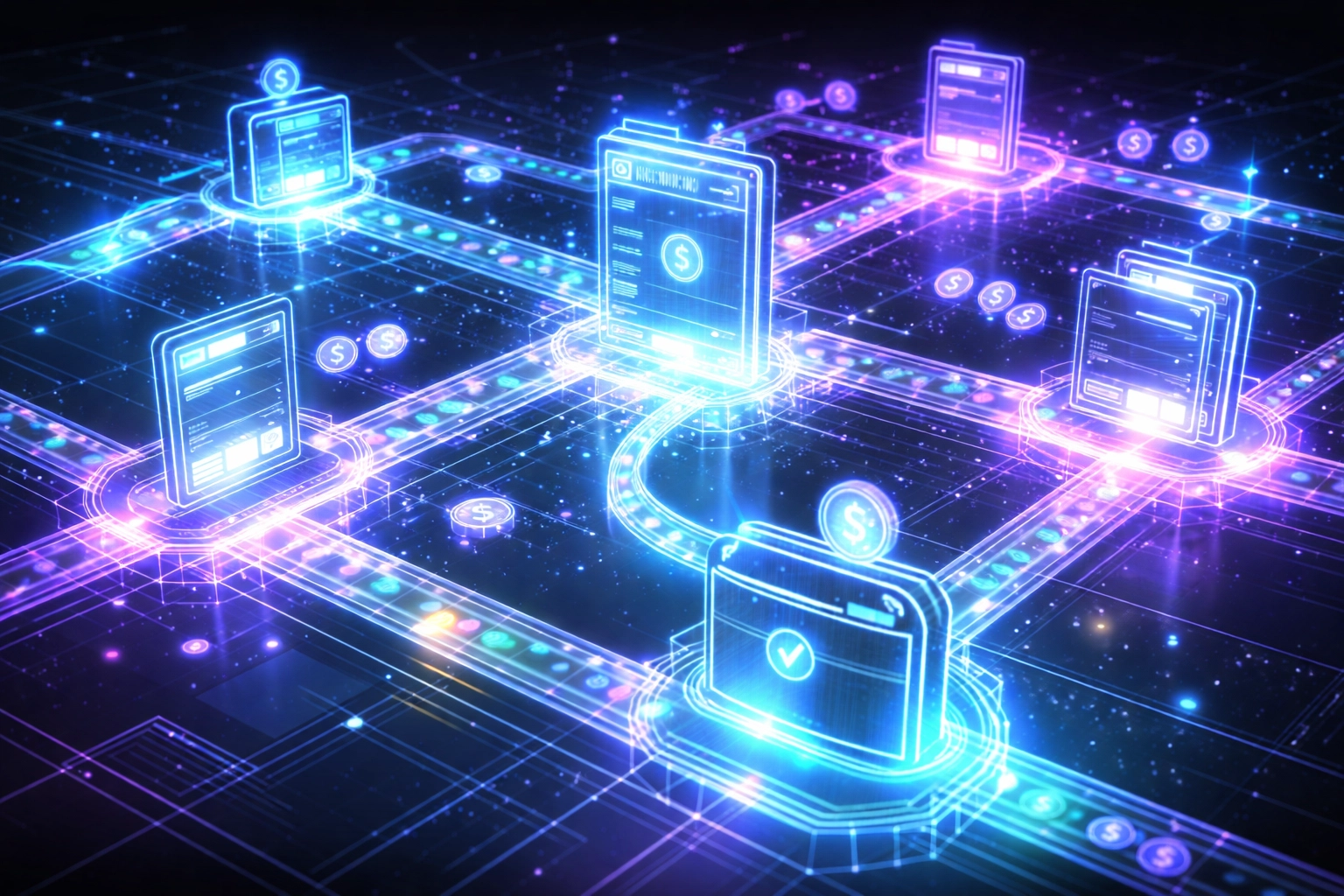
The entire process runs on-chain with cryptographic security. Every transaction is recorded. Audits become straightforward. Disputes become rare.
Larecoin's Approach: LUSD and the Receivables Ecosystem
Larecoin takes receivables tokens further with LUSD, a stablecoin designed for seamless Web3 payments.
Why LUSD?
Price stability for merchants and customers
Instant settlement without volatility risk
Gas-only transfers keep costs minimal
Full integration with receivables token system
The Larecoin ecosystem connects everything:
Receivables Tokens: Tokenize invoices for instant liquidity
LUSD Stablecoin: Stable value for everyday transactions
NFT Receipts: Immutable proof of every transaction
Push-to-Card: Bridge crypto back to traditional spending
No other platform combines these elements with true self-custody.
Fee Savings: Larecoin vs. NOWPayments vs. CoinPayments
Let's talk numbers.
Traditional crypto payment processors charge fees that eat into your margins. NOWPayments takes 0.5-1% per transaction. CoinPayments charges 0.5% plus withdrawal fees.
These percentages add up fast.
Larecoin's fee structure:
Gas-only transfers
No percentage cuts
No hidden fees
No withdrawal limits
For a merchant processing $100,000 monthly, 1% fees mean $12,000 annually going to payment processors. With gas-only transfers, you keep that money.
Feature | Larecoin | NOWPayments | CoinPayments |
Transaction Fees | Gas only | 0.5-1% | 0.5% |
Self-Custody | Yes | No | No |
NFT Receipts | Yes | No | No |
Stablecoin Integration | LUSD | Limited | Limited |
Withdrawal Holds | None | Possible | Possible |
The math speaks for itself.
NFT Receipts: Immutable Proof of Payment
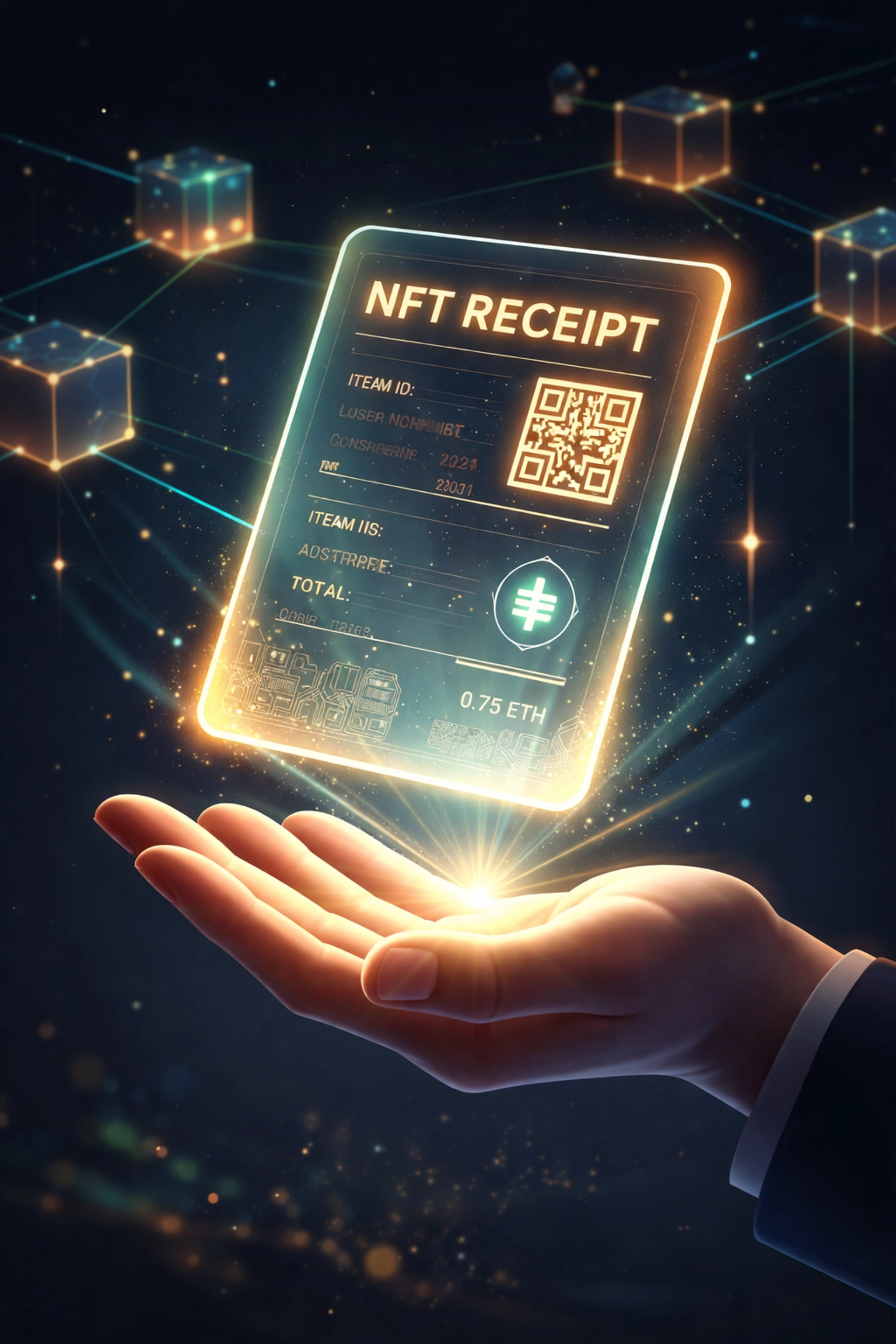
Every transaction on Larecoin generates an NFT receipt.
This isn't a gimmick. It's revolutionary record-keeping.
What NFT receipts provide:
Tamper-proof transaction records
On-chain verification
Simplified accounting
Dispute resolution evidence
Tax documentation
Traditional receipts can be lost, forged, or disputed. NFT receipts exist permanently on the blockchain. They prove payment occurred. Period.
For merchants, this means fewer chargebacks and cleaner books. For customers, it means verifiable proof of every purchase.
Getting Started with Bank-Free Crypto Payments
Ready to break free from traditional payment rails?
Here's your action plan:
1. Set Up a Self-Custody Wallet Choose a wallet that supports Solana. Phantom and Solflare are popular options. Secure your seed phrase.
2. Acquire SOL for Gas You'll need SOL tokens for transaction fees. Buy on any major exchange and transfer to your wallet.
3. Explore Larecoin's Ecosystem Visit larecoin.com to understand the full platform. Check out the crypto section for detailed token information.
4. Integrate Receivables Tokens For merchants, this means connecting your invoicing system to tokenization. Smart contracts handle settlement automatically.
5. Start Accepting LUSD Offer customers a stable payment option. No volatility. No conversion hassles.
The Future of Merchant Freedom
Banks have controlled payment rails for too long.
Crypto promised decentralization. Most payment processors centralized it again. NOWPayments and CoinPayments still act as gatekeepers, holding funds, setting rules, taking cuts.
Receivables tokens with self-custody change everything.
You control:
When funds are accessed
How tokens are sold
Where crypto is stored
Which transactions to accept
No permission needed. No approval delays. No arbitrary account restrictions.
This is what financial independence looks like for merchants.

Common Questions About Receivables Tokens
Do I need coding skills? No. Larecoin's platform handles the technical complexity. Focus on your business.
Is this legal? Receivables tokenization operates within existing securities and payments frameworks. Consult local regulations for specifics.
What happens if a customer doesn't pay? Smart contracts can include provisions for defaults. Risk is distributed among token holders, not concentrated on you.
Can I tokenize partial receivables? Yes. Fractional tokenization means you can sell portions of invoices while retaining ownership of the rest.
How fast is settlement? Blockchain settlement happens in seconds. Compare that to 30-90 day payment terms with traditional invoicing.
Take Control of Your Payments Today
Bank-free crypto payments aren't the future. They're happening now.
Receivables tokens offer instant liquidity. Self-custody gives you complete control. LUSD provides stability. NFT receipts create permanent records.
The traditional payment system extracts value at every step. Larecoin puts that value back in your wallet.
Stop waiting for banks. Stop paying middlemen. Start building true financial independence.
Explore the Larecoin ecosystem and see what bank-free payments can do for your business.
Comments