

.png)
Self-Custody Merchant Accounts Explained in Under 3 Minutes (And Why You Need One)
- [[[Free!!]<<<<]] Watch: 스포르팅 - 토트넘 Live Stream 13 September 2022
- 2 hours ago
- 4 min read
![Writer: [[[Free!!]<<<<]] Watch: 스포르팅 - 토트넘 Live Stream 13 September 2022](https://lh3.googleusercontent.com/a/AItbvmktwQc0wCdd3ZEETSYItRQubwwBzOyjD_dcigRf=s96-c)
You don't control your money.
Not really.
Every payment you accept through traditional processors sits in someone else's wallet. They decide when you get paid. They set the fees. They can freeze your account without notice.
Self-custody changes everything.
What Self-Custody Actually Means
Self-custody means you hold the keys. Literally.
Your merchant account connects directly to your wallet. Customer pays. Blockchain confirms. Funds appear in your wallet. No middleman. No waiting. No permission required.
You own the private keys that control your business funds. Nobody else can touch them. Nobody else decides when you access them.
That's real ownership.

How Self-Custody Merchant Accounts Work
The process is brutally simple:
Step 1: Customer initiates payment at checkout Step 2: Transaction broadcasts to blockchain Step 3: Funds arrive in your wallet Step 4: You own it immediately
Compare this to traditional processors where funds hit their account first. Then they hold it. Process it. Apply fees. Maybe freeze it for "security reviews." Eventually settle it to your bank account 2-3 business days later.
With self-custody, you skip all that friction. Peer-to-peer value exchange. Customer to merchant. Direct.
The NOWPayments Problem
NOWPayments offers crypto payment processing. They handle the technical complexity. Sounds convenient.
Here's what they don't advertise:
They hold your funds in custodial wallets
0.5% fee on every transaction minimum
Settlement delays for withdrawals
KYC requirements and account restrictions
Your funds sit in their control until you request withdrawal
You're trading crypto's core benefit: true ownership: for traditional financial intermediation. Just with different branding.
The CoinPayments Trap
CoinPayments follows the same model. Custodial accounts. Settlement schedules. Fee structures that eat into margins.
Their base fee is 0.5% per transaction. Add conversion fees. Add withdrawal fees. Add their "Vaulting" service if you want any semblance of security.
You end up paying for the privilege of not controlling your own money.
Both platforms replicate traditional payment processor dynamics. They insert themselves between you and your funds. They monetize that position.
Self-custody eliminates them entirely.

Why Merchants Need Self-Custody Now
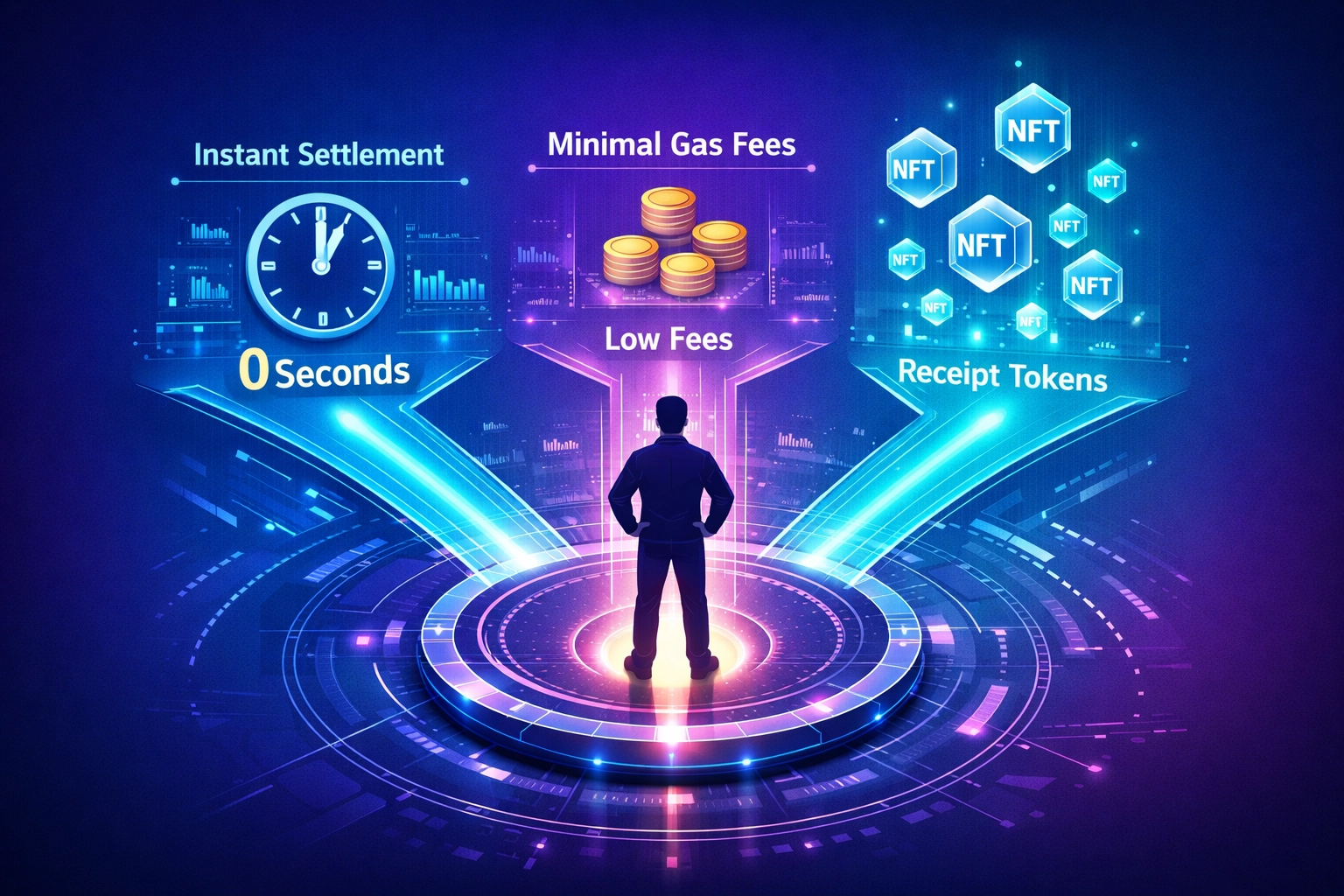
Instant Settlement No waiting periods. No rolling reserves. No settlement schedules. Funds appear in your wallet the moment transactions confirm. Access your capital immediately for inventory, payroll, or reinvestment.
Radical Fee Reduction Traditional payment processors charge 2.9% + $0.30 per transaction. Credit card interchange rates hit 3-4%. Self-custody? You pay blockchain gas fees only. On Solana, that's fractions of a cent. On Ethereum Layer 2s, pennies. Cut payment processing costs by 50-80%.
No Account Freezes Payment processors freeze merchant accounts constantly. Suspicious activity flags. Compliance reviews. Risk assessments. Your business stops while they investigate. Self-custody? Nobody can freeze your wallet. Nobody controls access except you.
24/7 Global Access Your funds work around the clock. No bank hours. No weekend delays. No international transfer restrictions. Accept payments from anywhere. Access funds from anywhere. True financial sovereignty.
Complete Privacy Custodial processors track every transaction. Analyze your business patterns. Share data with partners. Self-custody keeps your financial data yours. On-chain transactions are pseudonymous. Your business intelligence stays private.
The Larecoin Self-Custody Advantage
Larecoin builds self-custody into the core architecture.
LUSD Stablecoin Integration Accept payments in LUSD, Liquity's decentralized stablecoin. No custodian. No central issuer. Pure self-custody from customer wallet to merchant wallet. Price stability without giving up control.
Gas-only transfer model means you pay network fees exclusively. No payment processor taking percentage cuts. No hidden charges. Just direct peer-to-peer value transfer.
NFT Receipts for Every Transaction Each payment generates an NFT receipt. Permanent. Immutable. Tax-ready documentation that lives on-chain forever. Your accountant will love you. Your auditor will thank you.
Traditional processors give you CSV exports and monthly statements. NFT receipts give you cryptographic proof of every transaction with timestamps, amounts, and counterparty details baked into blockchain records.
Receivables Token System Convert outstanding invoices into tradeable tokens. Access working capital without loans. Maintain self-custody while improving cash flow. No bank. No lender. No approval process.

The Real Comparison
Feature | NOWPayments/CoinPayments | Larecoin Self-Custody |
Fund Control | Custodial (they hold keys) | Self-custody (you hold keys) |
Settlement Time | 1-3 business days | Instant (seconds) |
Transaction Fees | 0.5% minimum + extras | Gas fees only (cents) |
Account Freezes | Possible anytime | Impossible |
NFT Receipts | None | Every transaction |
LUSD Acceptance | Limited | Native support |
Privacy | Full tracking | Pseudonymous |
The numbers don't lie. Self-custody wins every metric that matters.
Security Responsibility Shifts to You
Here's the trade-off nobody talks about.
Self-custody means you protect your keys. You implement security protocols. You create backup systems.
Best Practices:
Use hardware wallets for merchant keys
Implement multi-signature setups for large balances
Create secure backup procedures with geographic distribution
Never store keys digitally or in cloud services
Consider smart contract-based time locks for additional security
Lose your keys? No recovery. No customer support ticket. No "forgot password" option.
That's the price of true ownership. For merchants serious about financial independence, it's worth it.
Making the Switch
Transitioning from custodial processors to self-custody takes preparation.
Start small. Set up a self-custody wallet. Accept a percentage of payments directly. Learn the workflow. Build security processes. Scale as confidence grows.
Larecoin's merchant portal simplifies the technical complexity. Generate payment requests. Track transactions. Export NFT receipts. All while maintaining complete self-custody.
Who Benefits Most
Self-custody merchant accounts aren't for everyone.
Ideal merchants:
High-volume businesses tired of percentage fees
International merchants facing banking restrictions
Privacy-conscious businesses protecting customer data
Crypto-native companies wanting ecosystem alignment
Merchants burned by frozen accounts or sudden terminations
Not ideal for:
Merchants requiring chargebacks and dispute resolution
Businesses unwilling to manage security responsibility
Companies needing traditional accounting integration only
Know where you stand before making the switch.
The Independence Factor
Beyond fees and speed, self-custody represents philosophical alignment.
Web3 promises decentralization. True ownership. Permission-less participation. Custodial crypto payment processors contradict those principles entirely.
They recreate traditional finance using blockchain rails. Same intermediaries. Same control structures. Just different technology underneath.
Self-custody delivers on crypto's actual promise. Direct peer-to-peer exchange. No trusted third parties. Pure decentralization.
Your business deserves financial sovereignty. Your customers deserve real crypto payments.
Getting Started With Larecoin
Ready to take control?
Larecoin provides the infrastructure for true self-custody merchant payments. LUSD integration. NFT receipts. Receivables tokens. All built for merchant independence.
No custodial accounts. No settlement delays. No permission required.
Your keys. Your funds. Your business.
That's how merchant accounts should work.
Set up your self-custody merchant account today. Join the merchants building financial independence through decentralized payments. Experience what crypto was actually designed to deliver.
Because your business shouldn't need permission to access its own money.
Comments