

.png)
Stop Wasting Money on High Interchange Fees: 5 Web3 Payment Hacks for Independent Merchants
![Writer: [[[Free!!]<<<<]] Watch: 스포르팅 - 토트넘 Live Stream 13 September 2022](https://lh3.googleusercontent.com/a/AItbvmktwQc0wCdd3ZEETSYItRQubwwBzOyjD_dcigRf=s96-c)
Interchange fees are killing your margins.
2.9% plus 30 cents per transaction adds up fast. For a merchant doing $500K monthly, that's $14,500 straight into Visa and Mastercard's pockets. Every. Single. Month.
Web3 changes everything.
No card networks. No intermediaries. No hidden fees eating your profits.
Here are five hacks independent merchants use right now to slash payment processing costs and take back control.
Hack #1: Switch to Self-Custody Merchant Accounts
Traditional payment processors hold your money. They decide when you get paid. They freeze accounts without warning.
Self-custody flips the script.
With Web3 infrastructure, you hold funds directly in smart contracts you control. No bank account required. No minimum balances. No monthly maintenance fees.
This matters especially if you're in "high-risk" categories banks hate: cannabis, crypto services, adult entertainment, CBD, vaping. Traditional processors either reject you outright or charge 5-8% in fees.
Self-custody removes gatekeepers entirely.
Your wallet. Your keys. Your money.
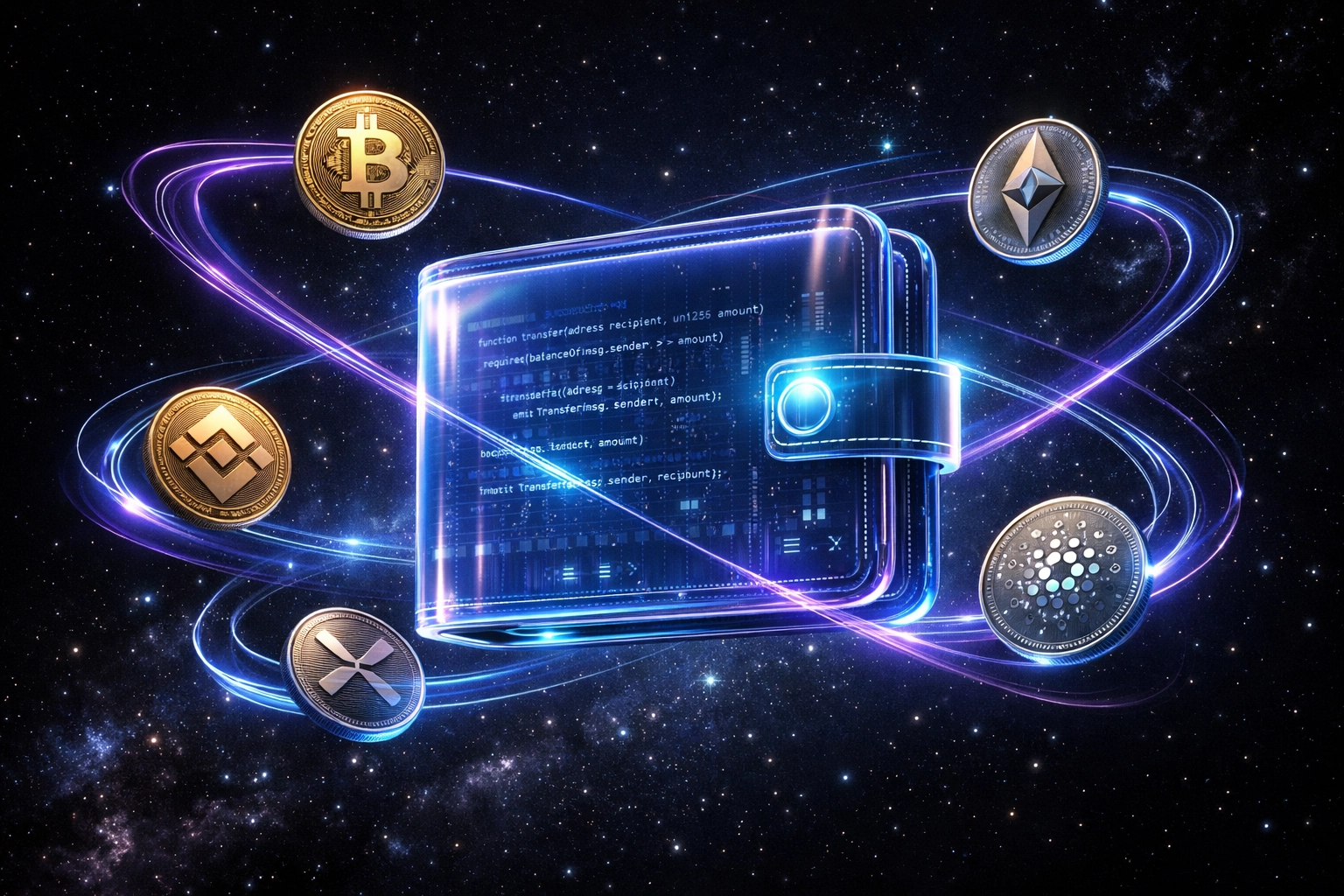
Larecoin's merchant solution lets you receive payments directly to wallets you control. Zero account freezes. Zero arbitrary holds on your funds.
Compare that to NOWPayments and CoinPayments: both still require KYC verification, impose withdrawal limits, and can freeze accounts during "security reviews."
Independence beats permission.
Hack #2: Process Cross-Border Payments with LUSD Stablecoins
International payments through traditional rails take 2-7 days and cost 3-5% in hidden FX markups.
SWIFT transfers. Correspondent banks. Currency conversions. Every middleman takes a cut.
Stablecoins eliminate all of it.
Pay freelancers in Argentina. Settle invoices with suppliers in Vietnam. Accept payment from customers in Nigeria.
Instant settlement. Zero FX fees. Global access.
LUSD offers specific advantages over USDC or USDT:
Fully decentralized and censorship-resistant
No centralized issuer that can freeze tokens
Over-collateralized by ETH: no bank dependencies
Maintains peg without centralized reserves
A SaaS platform processing $50K monthly in international payments saves $2,000+ monthly just on FX markups and wire fees.
That's $24,000 annually back in your pocket.

Larecoin supports LUSD natively alongside other major stablecoins. Display prices in local currencies. Settle in LUSD. Keep the difference.
Hack #3: Automate Operations with Smart Contracts
Payment automation costs thousands in custom backend development.
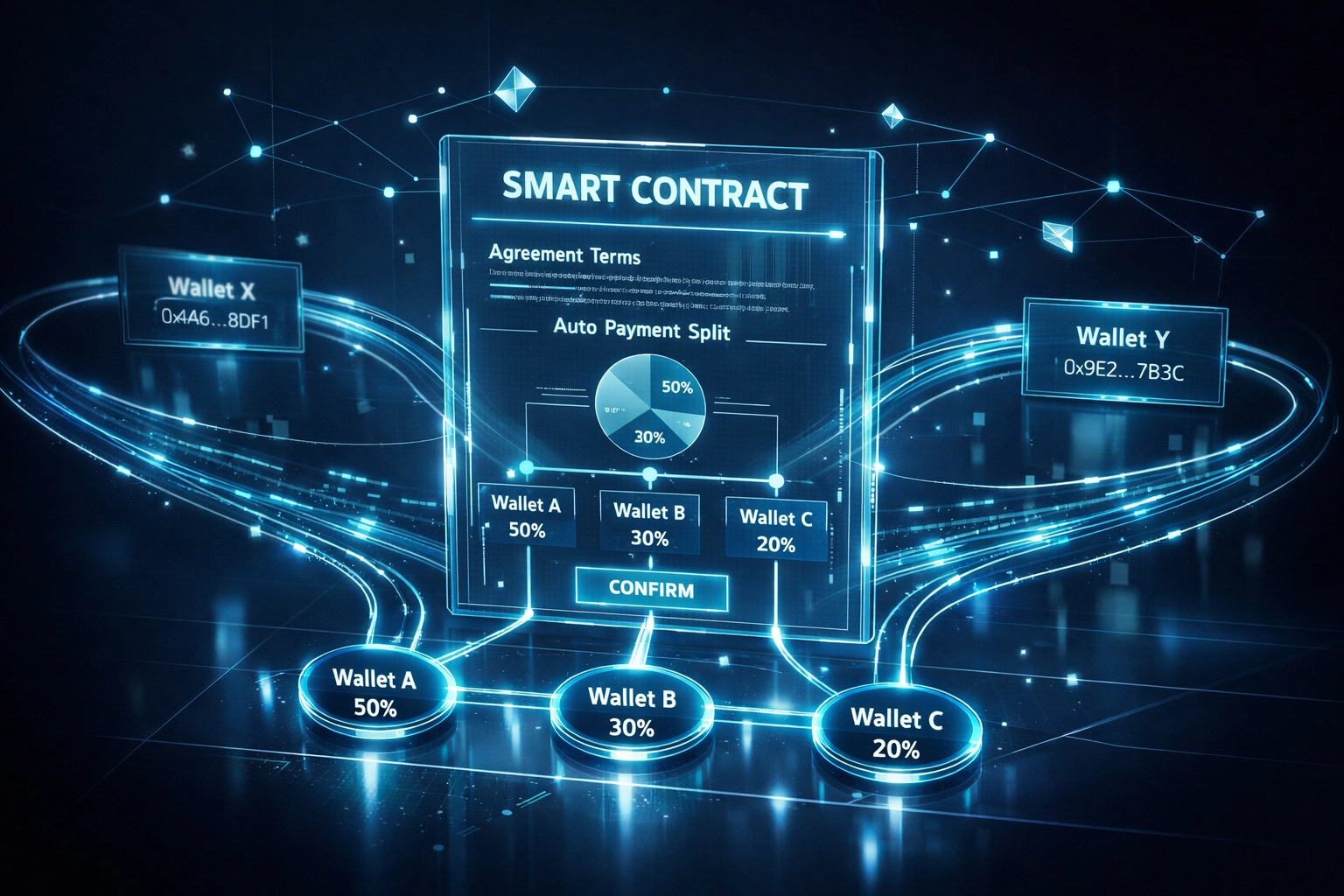
Split payouts between partners. Recurring subscription billing. Milestone-based releases for freelancers. Automated refund processing.
Building this infrastructure in-house takes months and requires ongoing maintenance.
Smart contracts do it better.
Set rules once. Deploy to blockchain. Payments execute automatically based on predefined conditions.
No monthly SaaS fees. No coding required. Just composable contract modules you customize to your business model.
Example use cases:
Marketplace takes 10% commission on every sale automatically
Subscription renews monthly without failed payment headaches
Refunds process instantly based on return policy logic
Revenue splits to multiple wallets simultaneously
The engineering overhead disappears. Support costs drop. Everything runs on autopilot.
Traditional processors like CoinPayments charge extra for API access and webhook functionality. NOWPayments limits smart contract integrations entirely.
Larecoin gives you full smart contract flexibility out of the box.
Hack #4: Eliminate Chargeback Fraud Forever
Chargebacks destroy profitability.
A customer buys. You ship the product. Three months later: chargeback. You lose the product, the payment, and pay a $25 dispute fee.
Digital businesses and ecommerce merchants lose billions annually to chargeback fraud. "Friendly fraud" where customers falsely claim non-delivery costs merchants 0.5-1% of revenue.
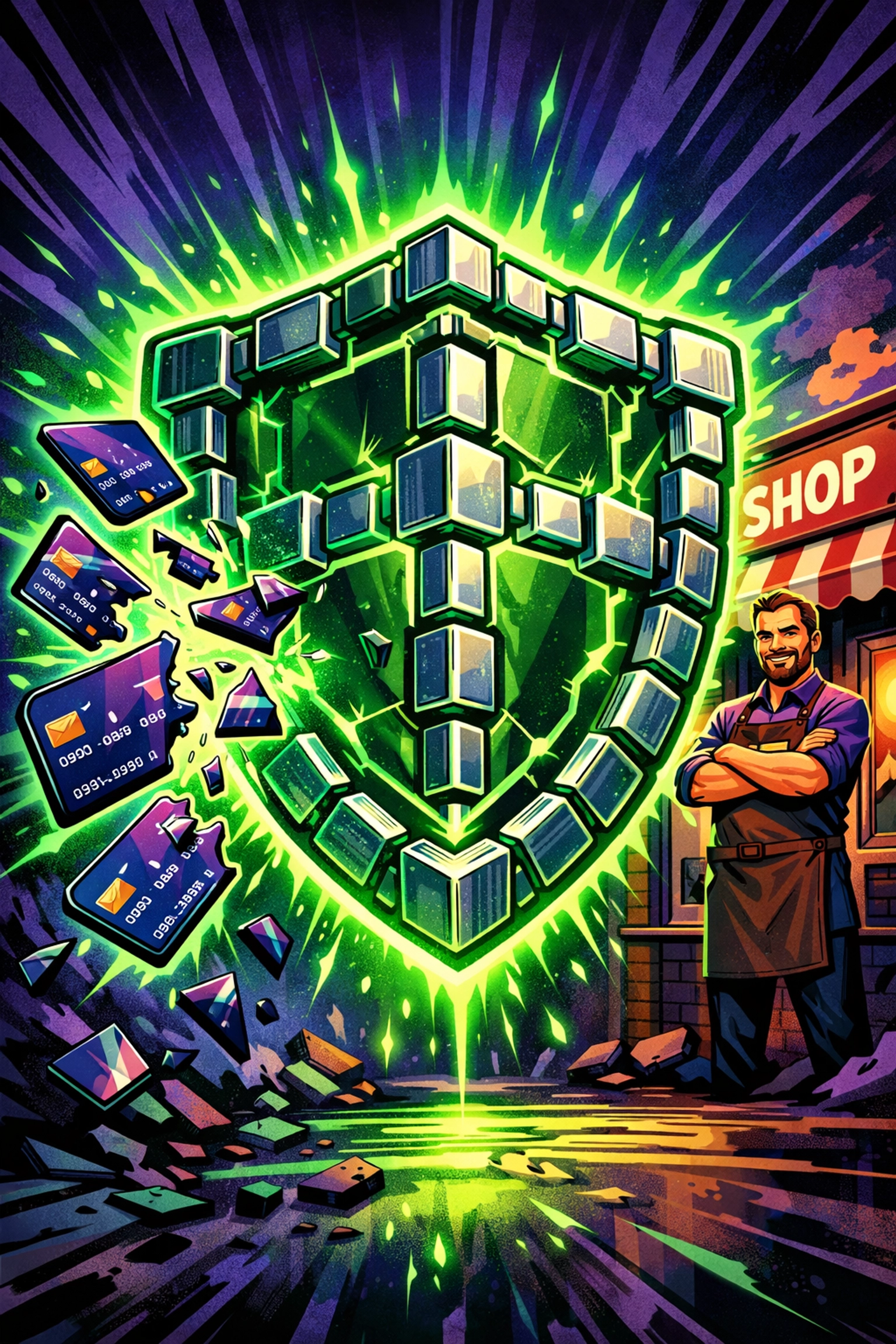
Blockchain transactions are final.
Immutable. Irreversible. No fraudulent chargebacks months after settlement.
This single advantage fundamentally changes unit economics for merchants in high-chargeback categories like supplements, digital downloads, and info products.
A merchant doing $200K monthly with 1.5% chargeback rate saves $3,000 monthly by accepting crypto instead.
That's pure margin recapture.
NOWPayments and CoinPayments still expose merchants to exchange rate risk and withdrawal delays that create similar uncertainty. Larecoin's direct-to-wallet settlement eliminates these friction points entirely.
Hack #5: Issue NFT Receipts as Loyalty Multipliers
This is where Web3 payments get fun.
Every transaction generates a receipt. Usually those receipts disappear into email folders.
NFT receipts live on-chain forever.
They prove purchase. They unlock perks. They appreciate in value.
Smart merchants use NFT receipts to build loyalty programs that actually work:
Exclusive access: Show your NFT receipt to enter members-only sales
Tiered rewards: Collect 10 NFT receipts, unlock platinum status
Tradable proof: Customers can sell verified purchase history
Metaverse integration: NFT receipts grant access to virtual stores
A coffee shop issues NFT receipts for every purchase. Collect 20, get a free bag of beans. The NFTs themselves become collectible: early customer receipts from your first location become valuable memorabilia.
This loyalty model costs virtually nothing to implement but creates genuine community around your brand.
Traditional payment platforms don't even come close. CoinPayments offers basic transaction logs. NOWPayments provides CSV exports.
Larecoin turns every transaction into a programmable digital asset your customers want to collect.
The Numbers Don't Lie: Real Fee Comparison
Let's run actual numbers for a mid-sized independent merchant.
Monthly Revenue: $500,000 Average Transaction: $75 Monthly Transactions: 6,667
Traditional Payment Processing:
Interchange fees: 2.9% + $0.30 = $14,500 + $2,000 = $16,500
Chargeback fees: 1% = $5,000 + dispute fees $1,000 = $6,000
FX fees on international: 3% of $100K = $3,000
Total Monthly Cost: $25,500
Larecoin Web3 Payments:
Network fees: ~$0.015 per transaction = $100
No interchange fees: $0
No chargeback risk: $0
No FX markups: $0
Total Monthly Cost: $100
Monthly Savings: $25,400 Annual Savings: $304,800
That's not a typo.
For businesses operating on 10-15% margins, this difference is existential. It's the difference between barely surviving and actually thriving.
Larecoin vs. The Competition
NOWPayments and CoinPayments offer crypto payment processing. But they're built on legacy architecture with Web2 limitations.
NOWPayments:
Custodial wallets only
0.5% processing fee still applies
Limited stablecoin options
No smart contract automation
Withdrawal delays of 24-48 hours
CoinPayments:
0.5% transaction fee
Mandatory KYC for all merchants
Fiat conversion fees add 1-2%
No NFT receipt functionality
Account freezes common during "reviews"
Larecoin:
Self-custody wallets: you control funds
Gas-only fees: typically $0.015 per transaction
Full LUSD and multi-stablecoin support
Native smart contract automation
NFT receipts with every transaction
No withdrawal delays: instant settlement
No account freezes: decentralized by design
The difference is philosophical. NOWPayments and CoinPayments are traditional fintech companies wearing crypto clothing.
Larecoin is native Web3 infrastructure built for merchant independence.
Getting Started Takes 10 Minutes
Stop paying interchange fees tomorrow.
Set up your Larecoin merchant account:
Connect your Solana wallet
Generate your payment link or embed checkout
Start accepting LUSD, USDC, LARE, and 50+ cryptocurrencies
Withdraw to your wallet instantly: no approvals needed
No credit checks. No business bank account. No waiting for underwriting approval.
If you have a wallet, you have a merchant account.
That's merchant freedom.
Visit Larecoin and join independent merchants who stopped wasting money on legacy payment rails.
The fees you save this month could fund your next hire, expansion, or marketing campaign.
Why give it to card networks instead?
Comments