

.png)
Stop Wasting Money on Interchange Fees: 5 Web3 Global Payments Hacks Merchants Don't Know About
- [[[Free!!]<<<<]] Watch: 스포르팅 - 토트넘 Live Stream 13 September 2022
- Feb 21
- 5 min read
![Writer: [[[Free!!]<<<<]] Watch: 스포르팅 - 토트넘 Live Stream 13 September 2022](https://lh3.googleusercontent.com/a/AItbvmktwQc0wCdd3ZEETSYItRQubwwBzOyjD_dcigRf=s96-c)
Traditional payment processors are bleeding your business dry.
Every credit card swipe costs you 2-3%. Cross-border transactions? Add another 3-5%. Monthly gateway fees? Another $50-200.
The math is brutal. A merchant processing $100K monthly loses $2,000-$3,000 in interchange fees alone.
Web3 global payments change everything.
Here are five hacks most merchants still don't know about, and how Larecoin makes them dead simple to implement.
Hack #1: Cut Out Every Middleman with Direct Blockchain Settlements
Traditional payments involve a ridiculous chain of intermediaries:
Your payment processor
Card networks (Visa/Mastercard)
Acquiring banks
Issuing banks
Correspondent banks (for international)
Each one takes a cut.
Web3 payments eliminate all of them. You receive funds directly on-chain. No intermediaries. No fees split five ways.
The Larecoin Advantage: Direct peer-to-peer transfers with gas-only costs. For high-volume, low-value transactions, this is a game-changer. Gaming companies and creator platforms are already slashing transaction costs by 60-70%.

NOWPayments charges 0.5% per transaction. CoinPayments hits you with 0.5% plus withdrawal fees. Triple-A bundles in currency conversion spreads.
Larecoin's receivable token system? Pay gas fees only. That's it.
For a business processing $500K annually, that's $2,500 saved versus NOWPayments. Every single year.
Hack #2: NFT Receipts Automate Your Accounting Nightmare
Here's something NOWPayments and CoinPayments don't offer: NFT receipts for every transaction.
Traditional crypto payment gateways give you transaction hashes. Good luck building financial reports from blockchain explorers.
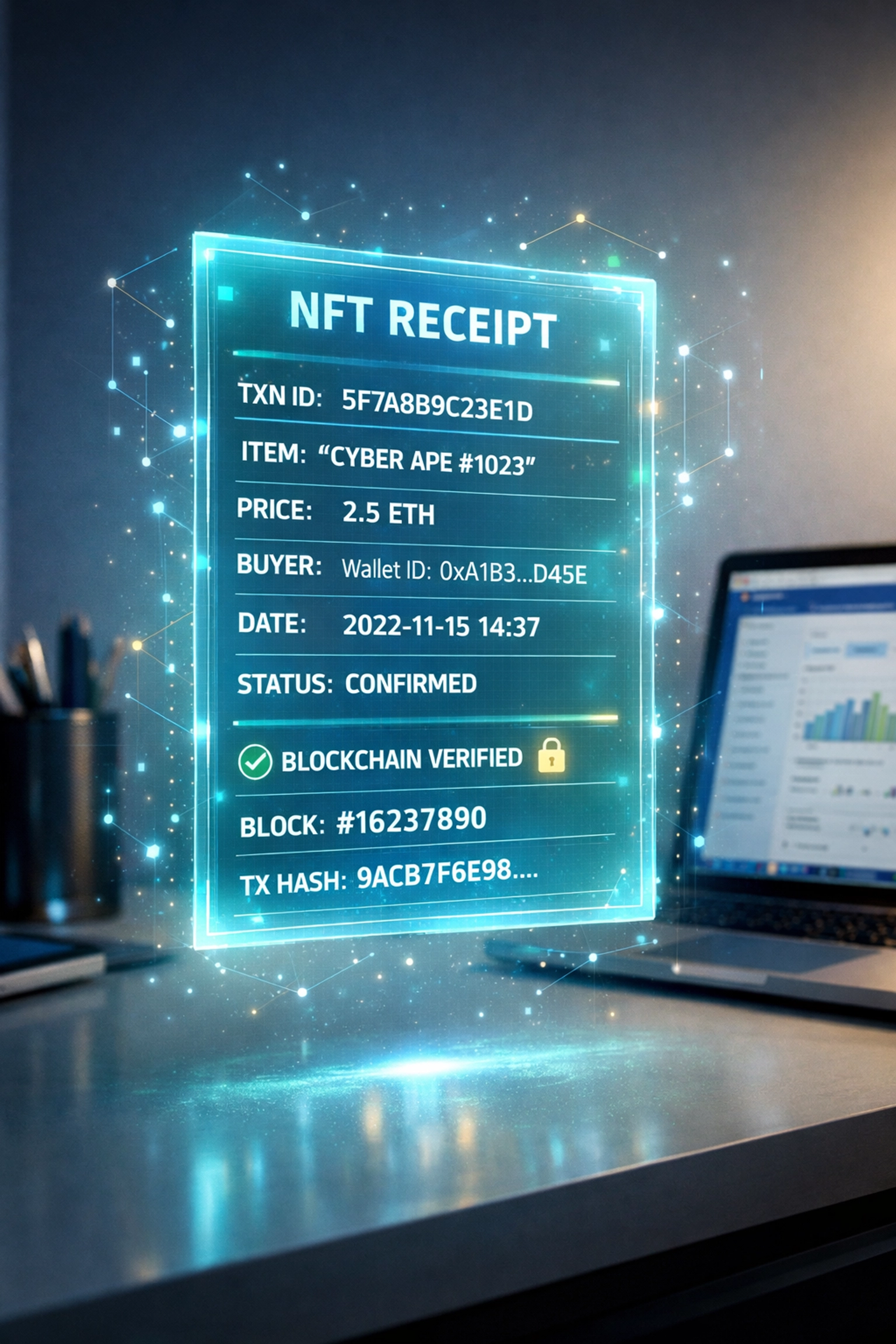
Larecoin mints an NFT receipt for each payment. Each receipt contains:
Transaction amount and timestamp
Product/service details
Customer wallet address
Tax jurisdiction data
Conversion rates (if applicable)
Why this matters: Your accountant can import NFT receipt metadata directly into QuickBooks or Xero. No manual entry. No reconciliation headaches. Instant audit trails.
Triple-A requires manual export/import processes. CoinPayments gives you CSV files that still need cleaning.
NFT receipts are immutable, timestamped, and machine-readable. Your end-of-year tax prep just became 10x easier.
Hack #3: LUSD Stablecoin Eliminates Volatility Without Bank Dependency
Bitcoin and Ethereum are great for speculation. Terrible for merchant settlements.
Most crypto payment processors force you to choose:
Accept crypto and absorb volatility risk
Auto-convert to fiat (and pay 1-3% conversion fees)
LUSD changes the equation.
Larecoin's LUSD stablecoin version offers zero-volatility payments without touching the traditional banking system. It's pegged to USD but lives entirely on-chain.
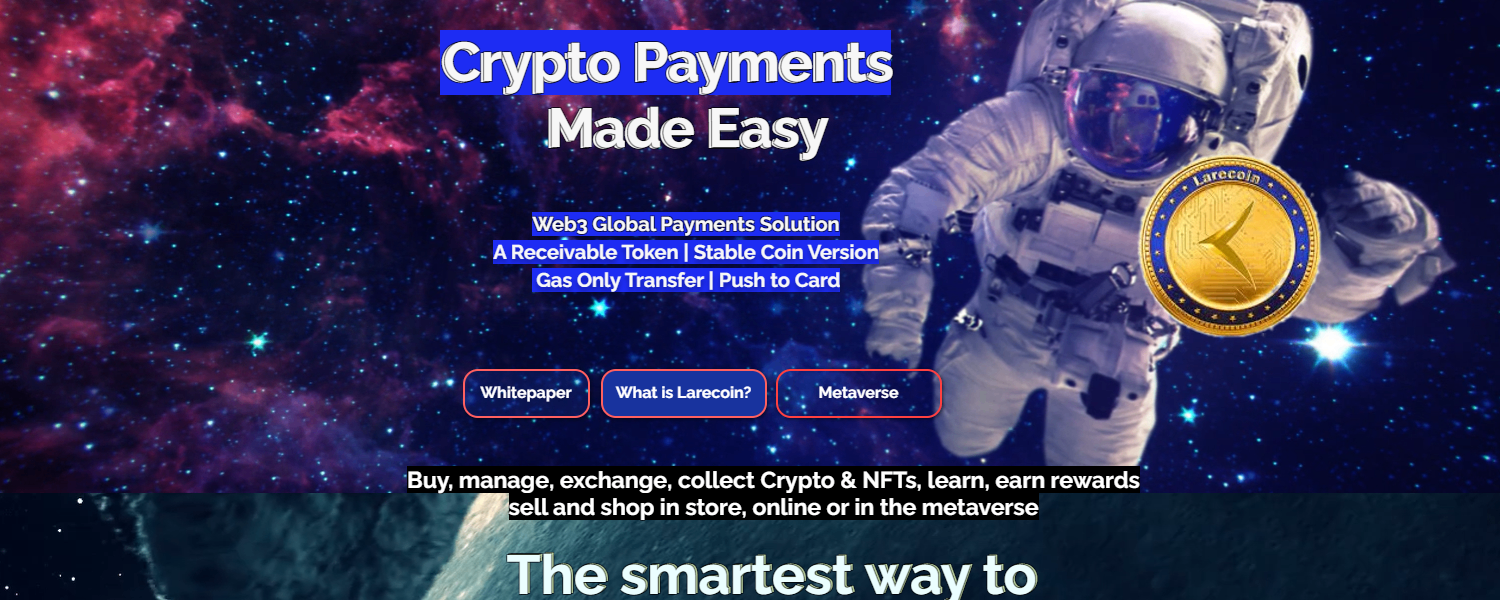
Real-world scenario: You run a SaaS business with international clients. A customer in Nigeria wants to pay $500 monthly.
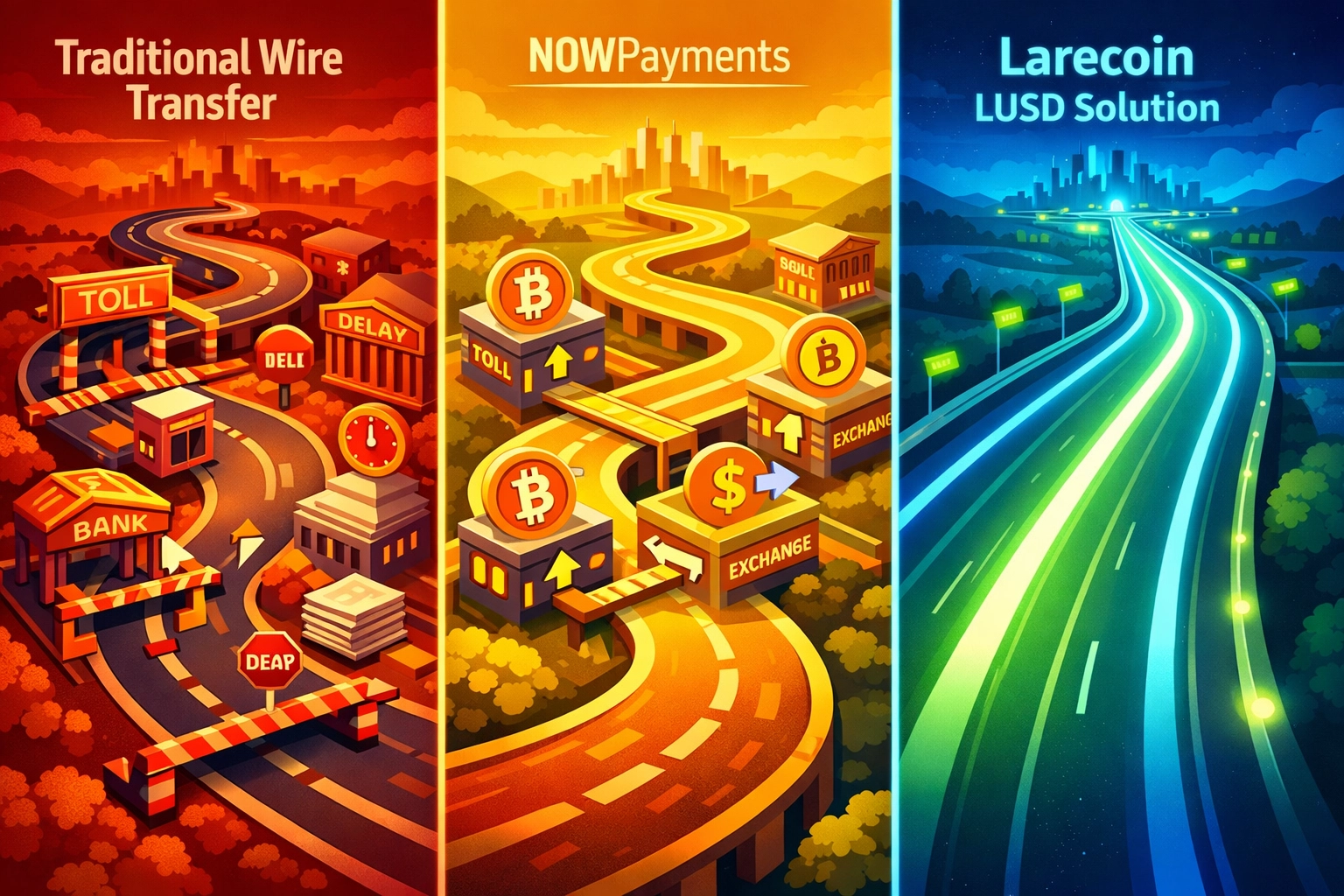
Traditional route: Wire transfer = $25-50 fees + 3-5 day delay
NOWPayments route: BTC payment + auto-convert to USD = 0.5% crypto fee + 1-2% conversion fee + withdrawal fee
Larecoin route: Direct LUSD payment = gas fee only ($0.10-$0.50)
You keep the full $500. Customer pays $500.50. Settlement in minutes.
No bank. No conversion spread. No waiting.
Hack #4: Self-Custody Merchant Accounts = Zero Monthly Fees Forever
CoinPayments charges monthly fees ranging from $149-$999 depending on your plan. NOWPayments hits you with withdrawal fees. Triple-A bundles in payment gateway subscriptions.
All of them hold your funds in custodial wallets.
You don't control your keys. You don't control your money.
Larecoin operates on a self-custody model. Your smart wallet. Your private keys. Your funds.
The financial impact:
$0 monthly gateway fees
$0 account maintenance fees
$0 custody fees
$0 withdrawal fees
A mid-sized e-commerce store paying $200/month for a CoinPayments Pro plan saves $2,400 annually by switching to Larecoin's self-custody model.
Over five years? That's $12,000 back in your business.
Hack #5: Multi-Chain Smart Routing Slashes Network Fees
Here's where Larecoin gets really clever.
Most crypto payment gateways lock you into specific blockchains. NOWPayments supports multiple chains but doesn't optimize routing. You're stuck paying whatever network fees exist at payment time.
Larecoin's smart routing analyzes real-time gas fees across multiple chains and automatically routes payments through the cheapest option.
How it works:
Customer initiates $1,000 payment
Larecoin checks Ethereum, Polygon, Solana, Arbitrum gas fees in real-time
Routes transaction through Polygon (gas = $0.02) instead of Ethereum (gas = $15)
You save $14.98 per transaction
For high-frequency merchants processing 1,000 transactions monthly, that's nearly $15,000 saved annually in gas fees alone.
CoinPayments lets you accept multiple chains but doesn't optimize routing. You eat whatever fees the customer's chosen network demands.
Larecoin's Web3 global payments infrastructure handles this automatically. No manual intervention. No customer confusion.
The Hidden Costs Traditional Gateways Don't Tell You About
Let's talk about what payment processors bury in fine print:
Chargeback fees: Traditional credit card processors hit you with $20-100 per chargeback, even if you win the dispute.
Web3 transactions are irreversible. Zero chargeback exposure. Zero chargeback fees.
Currency conversion spreads: NOWPayments and CoinPayments advertise "competitive" rates but hide 0.5-1.5% conversion spreads when moving between crypto and fiat.
Larecoin's LUSD eliminates this entirely. Already denominated in USD-equivalent value.
Withdrawal delays: Most crypto gateways batch withdrawals. You wait 1-7 days to access your money.
Self-custody means instant access. Always.
Real Numbers: What Merchants Actually Save
Let's run the math for a small e-commerce business processing $50,000 monthly:
Traditional Credit Card Processing:
Interchange fees (2.9% + $0.30): $1,465/month
Chargeback fees (average 2 per month): $40/month
Cross-border fees (10% of transactions): $145/month
Total: $1,650/month = $19,800/year
NOWPayments:
Transaction fees (0.5%): $250/month
Withdrawal fees: $25/month
Currency conversion spreads: $150/month
Total: $425/month = $5,100/year
Larecoin:
Gas fees (average): $15/month
No other fees
Total: $15/month = $180/year
Annual savings vs. traditional: $19,620 Annual savings vs. NOWPayments: $4,920
These aren't hypothetical numbers. Merchants using Larecoin report average fee reductions of 60-70% compared to traditional gateways.
Implementation Is Easier Than You Think
"This sounds complicated."
It's not.
Larecoin's merchant portal takes 10 minutes to set up:
Create your smart wallet
Generate payment links or integrate API
Start accepting payments
No bank approvals. No credit checks. No underwriting delays.
Your grandmother could do this. (Okay, maybe tech-savvy grandmother.)
The contactless POS system works with existing hardware. Plug and play. Your current card reader becomes a crypto payment terminal.
The Competitive Landscape: Why Others Fall Short
NOWPayments: Good for basic crypto acceptance. Lacks NFT receipts, LUSD stability, and smart routing. Custodial model means you don't control funds.
CoinPayments: Expensive monthly plans. Clunky user interface. Poor customer service reputation. No automated accounting features.
Triple-A: Solid for enterprises but overkill for small-medium businesses. Higher fees. Requires business verification that takes weeks.
Larecoin: Built specifically for merchants who want maximum savings with minimum complexity. Self-custody. NFT receipts. LUSD stability. Multi-chain routing. DAO governance.
Your Next Steps
Stop throwing money at interchange fees.
The Web3 global payments revolution isn't coming: it's already here. Merchants adopting now gain competitive advantage while others continue bleeding profits.
Check out Larecoin's merchant solutions and calculate your actual savings. The numbers don't lie.
Traditional payment rails were built in the 1970s. It's 2026. Time to upgrade.
Your profit margins will thank you.
Comments