

.png)
Stop Wasting Money on Legacy Payment Processors: 7 Web3 Global Payments Hacks Every Merchant Needs
![Writer: [[[Free!!]<<<<]] Watch: 스포르팅 - 토트넘 Live Stream 13 September 2022](https://lh3.googleusercontent.com/a/AItbvmktwQc0wCdd3ZEETSYItRQubwwBzOyjD_dcigRf=s96-c)
You're losing money. Every single transaction.
Traditional payment processors are bleeding you dry with interchange fees, chargebacks, and monthly terminal costs. We're talking 2.5-3.5% per swipe plus flat fees. On $500,000 monthly processing volume, that's $14,500 vanishing into thin air.
Web3 flips this broken model on its head.
February 2026 data shows monthly stablecoin payment flows exceeding $10 billion. Business transactions? 63% of total volume. Smart merchants already made the switch.
Here are seven brutal hacks to slash your payment costs and reclaim financial sovereignty.
Hack #1: Ditch Cards for Stablecoin Payments
Credit card processors are dinosaurs.
The math is simple:
Traditional processing: $14,500 monthly on $500k volume
Stablecoin payments: $100 in gas fees for the same volume
Savings: 99.3%

LUSD stablecoin powers Larecoin's payment infrastructure. Unlike USDC or USDT controlled by centralized entities, LUSD maintains decentralization without corporate gatekeepers. No frozen accounts. No arbitrary restrictions.
The utility speaks for itself.
Sub-1% transaction costs versus 3%+ for legacy processors. Gas fees stay under $100 monthly regardless of volume. Your profit margins thank you.
NOWPayments and CoinPayments charge 0.5-1% per transaction plus withdrawal fees. Larecoin's gas-only model eliminates percentage-based fees entirely. Process $1 million? Pay the same gas fee as $1,000.
Hack #2: Implement NFT Receipts for Zero-Error Accounting
CSV files are dead.
Every Larecoin transaction mints a unique NFT receipt containing complete transaction metadata:
Item purchased
Price paid (in LUSD and fiat equivalent)
Customer wallet address
Timestamp with blockchain confirmation
Smart contract reference
Your accounting software queries the blockchain directly. No reconciliation errors. No missing receipts. No manual data entry.
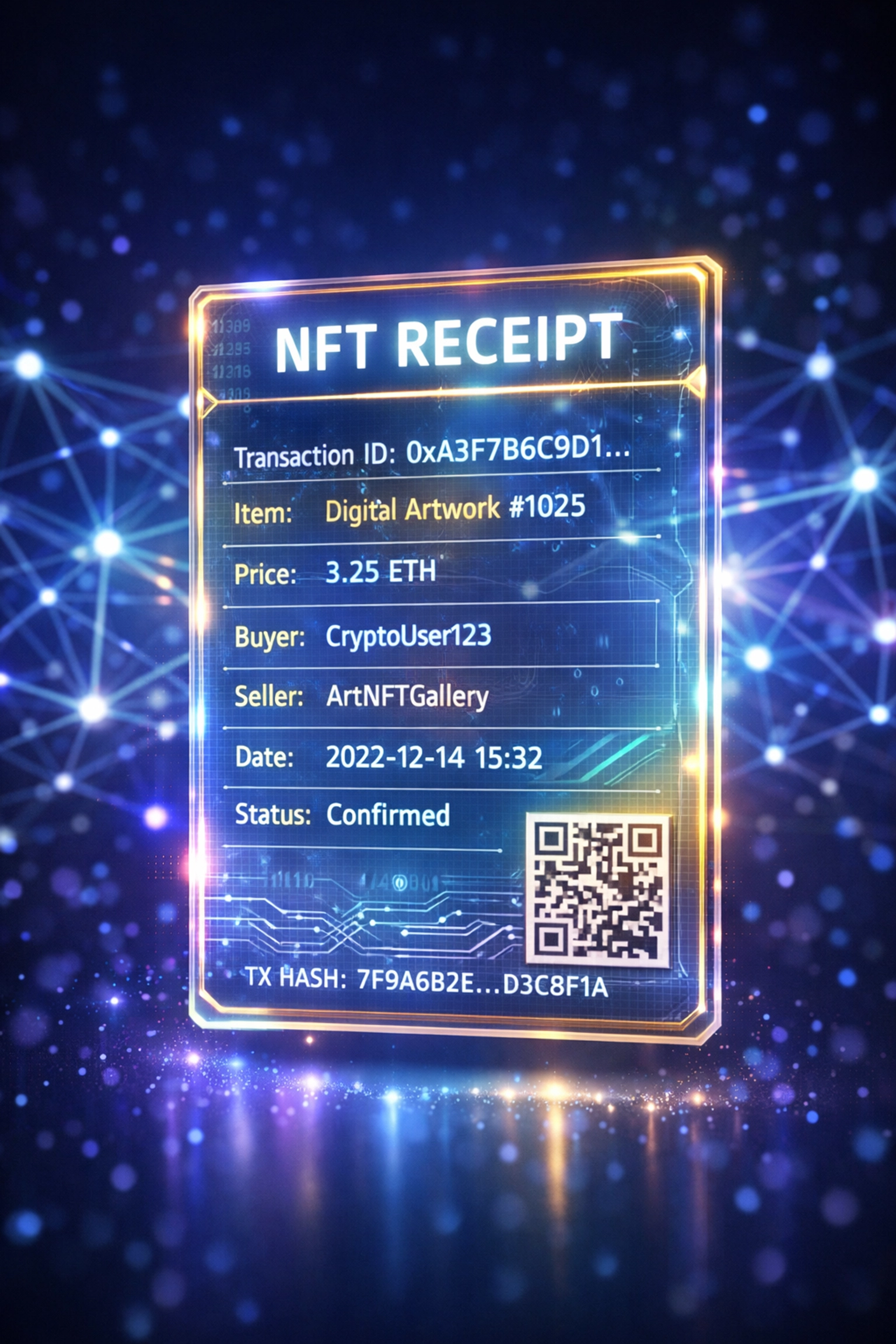
Traditional processors force you to download spreadsheets, cross-reference bank deposits, and hunt for discrepancies. Web3 receipts live permanently on-chain. Immutable. Verifiable. Instant.
Tax season becomes effortless. Your CPA accesses blockchain records directly. IRS audits? Hand them wallet addresses. Every transaction verified cryptographically.
CoinPayments offers basic transaction logs. NOWPayments provides CSV exports. Larecoin creates permanent, programmable receipts that integrate with modern accounting stacks.
The difference matters.
Hack #3: Deploy Gas-Only Transfer Models
Interchange fees scale with transaction value. Web3 doesn't.
Legacy processor scenario:
$5,000 sale = $125-175 in credit card fees
$500 sale = $12.50-17.50 in fees
Gas-only blockchain scenario:
$5,000 sale = $0.40 gas fee
$500 sale = $0.40 gas fee
Same cost. Every transaction.
Larecoin operates on gas-only infrastructure. No percentage cuts. No tiered pricing. No surprise fees when you process high-ticket items.
Luxury goods merchants save thousands per transaction. B2B suppliers eliminate the interchange tax on bulk orders. Digital service providers keep their entire invoice amount minus pennies in gas.
This model breaks payment processing as we knew it.
Hack #4: Build Bank-Free Infrastructure with Self-Custody
Operation Chokepoint 2.0 proved one thing: banks aren't your friends.
Traditional payment processing requires:
Merchant bank account
Payment processor approval
PCI compliance certification
Monthly terminal rentals
Gateway fees
Chargeback reserves
Web3 payments require:
Self-custody wallet
Gas for transactions
That's it.

Larecoin eliminates banking dependencies entirely. Your treasury sits in your wallet. No intermediaries holding your funds. No sudden account closures. No frozen assets pending investigation.
Self-custody means financial sovereignty. You control private keys. You approve transactions. You decide when and where funds move.
NOWPayments and CoinPayments still require traditional banking integration for fiat settlements. They're bridges to legacy rails. Larecoin operates entirely on-chain with optional off-ramps when merchants need them.
The distinction matters when banks decide crypto businesses are too risky.
Hack #5: Leverage Multi-Chain Payment Rails for Global Operations
Geography shouldn't limit payment acceptance.
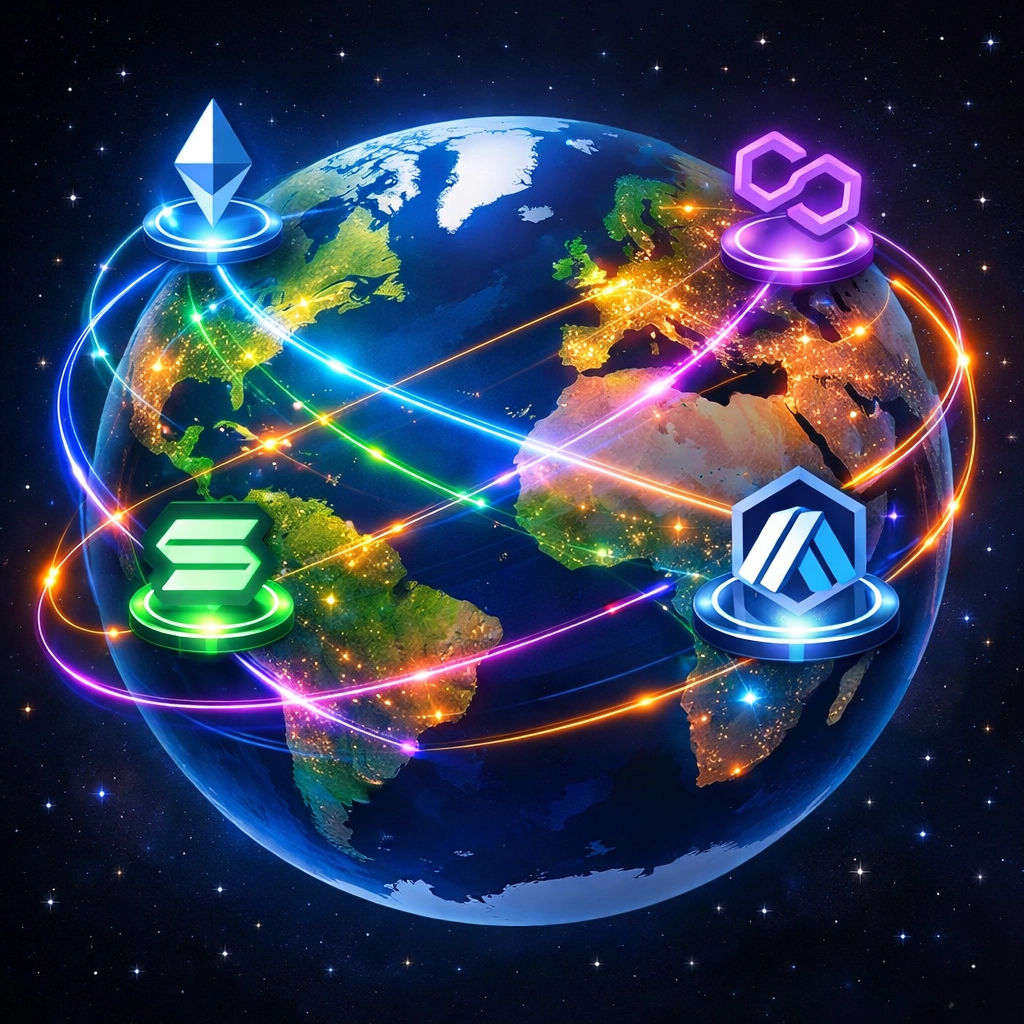
Larecoin supports:
Ethereum mainnet for maximum security
Polygon for high-volume micro-transactions
Arbitrum and Optimism for L2 scaling
Avalanche for alternative ecosystem access
Solana for ultra-low-cost transfers
One integration. Multiple chains. Global reach.
Your European customers pay via SEPA Instant integration. Brazilian buyers use PIX-connected wallets. Indian merchants accept UPI-bridged crypto. American customers stick with MetaMask or Coinbase Wallet.
Multi-chain architecture future-proofs your payment stack. When new L2s launch, Larecoin integrates them. When regional payment methods gain traction, they plug into existing infrastructure.
Traditional processors charge premium rates for international transactions. Currency conversion fees stack on interchange costs. Cross-border payments take 3-5 business days.
Stablecoin transfers settle in minutes. Same cost whether your customer is next door or across the planet.
Hack #6: Automate Contractor Payroll via Smart Contracts
Web3 teams run lean.
Smart contract automation handles payroll distribution without manual processing. Your treasury wallet connects to Larecoin's payment infrastructure. Set parameters:
Payment amount
Recipient wallet addresses
Payment schedule (monthly, bi-weekly, per-milestone)
Token denomination (LUSD, LARE, or other supported assets)
Smart contracts execute automatically. No payroll service fees. No ACH delays. No international wire charges.
Contractors receive payment directly to their wallets. Instant access. No bank intermediaries. No PayPal taking 3-5%.
Your team in Argentina gets paid same time as your developer in Vietnam and your designer in Portugal. Same cost. Same speed. Zero geographic friction.
NOWPayments requires manual payment initiation for each transaction. CoinPayments charges withdrawal fees on top of processing costs. Larecoin's smart contract automation eliminates both pain points.
Hack #7: Accept Crypto Without Volatility Exposure
The 2026 merchant standard: accept crypto, settle in stability.
Many merchants want Web3 cost savings without Bitcoin price swings. Larecoin solves this with LUSD stablecoin defaults and optional instant conversion.
Three settlement options:
Pure LUSD: Accept and hold stablecoin (zero volatility)
Instant Fiat: Auto-convert to USD/EUR at transaction time
Hybrid: Hold percentage in LUSD, convert percentage to fiat
Most merchants choose pure LUSD for operating expenses. Predictable value. Instant liquidity. No conversion fees eating margin.
The beauty? You accept 15+ cryptocurrencies through Larecoin but receive LUSD settlement. Customer pays Bitcoin? You receive LUSD equivalent. Customer pays LARE token? You receive LUSD equivalent.
Traditional crypto processors force you to manage multiple volatile assets or eat conversion fees. Larecoin handles complexity behind the scenes.
The Larecoin Advantage
Legacy payment infrastructure served us well for 50 years.
That era ended.
Merchants processing $500k monthly save $174,000 annually by switching to Web3 payment rails. Those savings drop directly to bottom line.
NFT receipts eliminate accounting headaches. Self-custody removes banking vulnerabilities. Multi-chain support future-proofs your payment stack. Smart contract automation cuts payroll overhead.
The choice isn't whether to adopt Web3 payments. It's whether you want to lead the transition or scramble to catch up in 2027.
Learn more about Larecoin's payment infrastructure and start saving today.
Every transaction you process on legacy rails is money you'll never recover. The tools exist now. The infrastructure is live. Monthly stablecoin payment volume proves market adoption reached critical mass.
Stop wasting money on intermediaries who add zero value.
Build your financial sovereignty on Web3 rails designed for merchant success.
Comments