

.png)
Struggling For Lower Fees? 7 Reasons Merchants Are Ditching CoinPayments for True Self-Custody
- [[[Free!!]<<<<]] Watch: 스포르팅 - 토트넘 Live Stream 13 September 2022
- 2 hours ago
- 4 min read
![Writer: [[[Free!!]<<<<]] Watch: 스포르팅 - 토트넘 Live Stream 13 September 2022](https://lh3.googleusercontent.com/a/AItbvmktwQc0wCdd3ZEETSYItRQubwwBzOyjD_dcigRf=s96-c)
Let's be real.
You didn't get into crypto to hand over your funds to another middleman. Yet here we are: merchants everywhere stuck on custodial payment processors, watching fees eat into profits while someone else holds the keys.
CoinPayments has been around forever. But "around" doesn't mean "best." And in 2026, merchants are waking up.
The shift toward true self-custody is happening fast. Lower fees. Total control. No counterparty risk.
Here's why smart merchants are making the switch.
1. Custodial Models Create Unnecessary Risk
Here's the thing about CoinPayments: they hold your crypto.
That's custodial. That means counterparty risk. That means trusting a third party with your revenue.
Self-custody flips the script. Your wallet. Your keys. Your funds: instantly.
No waiting for withdrawals. No wondering if the platform will process your request. No hoping they don't freeze your account for "compliance review."
True self-custody means:
Instant settlement to your own wallet
Zero counterparty risk
Complete financial sovereignty
This is the whole point of crypto. Why compromise?
2. Security History Matters
Remember 2020?
CoinPayments experienced a data breach. Customer information exposed. Trust eroded.
Custodial platforms are honeypots. They aggregate millions in crypto. Hackers know this. They target these platforms relentlessly.
Self-custody eliminates the target.
When payments go directly to your wallet, there's no central database of merchant funds to compromise. Your security becomes your responsibility: and with proper wallet hygiene, that's exactly how it should be.
The Larecoin ecosystem prioritizes decentralized architecture. No centralized fund storage. No single point of failure.
3. Fee Structures That Actually Make Sense
CoinPayments charges 0.5–1% per transaction.
Sounds reasonable until you do the math on monthly volume. A merchant processing $50,000/month loses $250–$500 to fees alone.
Every. Single. Month.
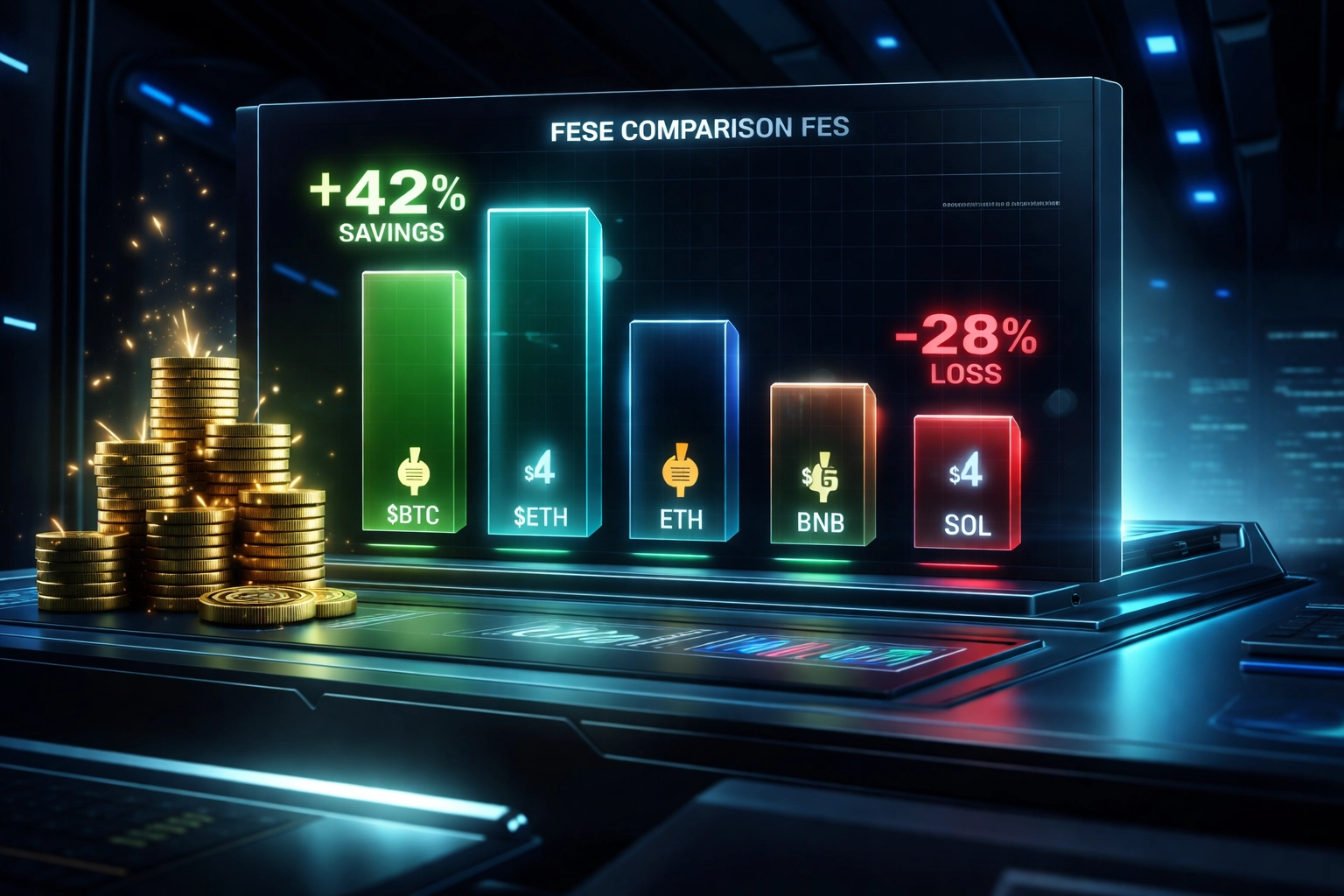
NOWPayments offers 0.5% base rates. Some platforms like CoinRemitter go as low as 0.23% on withdrawals. Competition is driving fees down.
But here's where Larecoin gets interesting.
The LARE token ecosystem is built around gas-only transfers. That means transaction costs are network fees: not platform fees. No percentage skimmed off your revenue.
For high-volume merchants, the savings compound fast:
Monthly Volume | CoinPayments (1%) | Self-Custody (Gas Only) |
$10,000 | $100 | ~$5 |
$50,000 | $500 | ~$25 |
$100,000 | $1,000 | ~$50 |
That's profit back in your pocket.
4. NFT Receipts: Immutable Proof of Payment
This one's a game-changer.
Traditional payment processors give you... a transaction ID. Maybe an email confirmation. Boring. Forgettable. Lost in spam folders.
NFT receipts are different.
Every transaction can mint an NFT receipt: permanent, verifiable, on-chain proof of payment. For merchants, this means:
Dispute resolution becomes straightforward
Customer engagement gets a collectible angle
Accounting ties directly to blockchain records
For customers, it's a digital memento. A proof of participation in your ecosystem.
CoinPayments doesn't offer this. NOWPayments doesn't either.
This is Web3-native commerce. This is where payments are heading.
5. LUSD Stablecoin Integration
Volatility scares merchants.
Accept $100 in BTC, watch it become $85 before you can convert. That's the crypto payment nightmare everyone worries about.
LUSD solves this.
Larecoin's stablecoin version provides dollar-pegged stability while maintaining the benefits of crypto rails:
Fast settlement
Low fees
Global accessibility
Self-custody compatible
Merchants can accept payments in LUSD and hold actual value: not speculation. No need to rush conversions. No exposure to market swings.
CoinPayments offers stablecoin support, sure. But it's still custodial. You're still trusting them with your stable assets.
Self-custody + stablecoins = the merchant sweet spot.
6. Network Fee Control and Checkout Flexibility
Here's something merchants overlook: customer experience at checkout.
CoinPayments doesn't offer customizable network fees. That means your customers are stuck with whatever fee structure the platform dictates. During network congestion, this creates friction. Abandoned carts. Lost sales.
NOWPayments improved on this with more fee flexibility.
But true self-custody takes it further.
When you control the payment flow, you control the options. Want to offer customers the choice between fast (higher fee) and standard (lower fee) confirmation? Done.
Want to absorb network fees on orders over a certain amount? Your call.
This granular control doesn't exist when a custodial platform sits between you and your customers.
7. Outdated Interfaces vs. Modern Web3 Experience
Let's talk UX.
CoinPayments' interface feels... dated. User complaints about navigation and support are common. The platform works, but it doesn't inspire confidence.
First impressions matter in commerce.
When customers hit a clunky payment page, trust erodes. Modern merchants need modern tools.
The Larecoin ecosystem is built for Web3 natives. Clean interfaces. Intuitive flows. Mobile-optimized. Metaverse-ready.
Your checkout experience should match your brand: not drag it down.
The Bigger Picture: Merchant Freedom
This isn't just about fees or features.
It's about independence.
Custodial platforms can:
Freeze your funds without warning
Change fee structures whenever they want
Require KYC that excludes certain markets
Go offline during critical moments
Self-custody removes these dependencies entirely.
Your business. Your rules. Your revenue.

The crypto payment landscape is evolving. Merchants who cling to custodial solutions will watch competitors gain the edge: lower costs, better customer experiences, total financial sovereignty.
Making the Switch
Transitioning from CoinPayments to self-custody isn't complicated.
Step 1: Set up a secure self-custody wallet (hardware recommended for business use)
Step 2: Integrate with a non-custodial payment gateway or direct wallet payments
Step 3: Configure your checkout to accept LARE, LUSD, or other preferred tokens
Step 4: Start receiving payments directly: no middleman, no delays
The Larecoin ecosystem provides the infrastructure. Web3 global payments. Receivable tokens. Push-to-card options when you need fiat liquidity.
It's the complete package for merchants ready to take control.
Final Word
CoinPayments served a purpose. It brought crypto payments to merchants who needed an easy on-ramp.
But easy isn't optimal. And in 2026, merchants demand more.
Lower fees. True ownership. NFT receipts. Stablecoin flexibility. Modern interfaces.
Self-custody delivers all of it.
The merchants winning in crypto commerce aren't handing their revenue to custodians. They're holding their own keys, setting their own terms, and keeping their profits.
Ready to join them?
Explore the Larecoin ecosystem and see what merchant freedom actually looks like.
Comments