

.png)
The Decentralized Merchant's Guide to Financial Sovereignty in 2026
- [[[Free!!]<<<<]] Watch: 스포르팅 - 토트넘 Live Stream 13 September 2022
- 2 hours ago
- 4 min read
![Writer: [[[Free!!]<<<<]] Watch: 스포르팅 - 토트넘 Live Stream 13 September 2022](https://lh3.googleusercontent.com/a/AItbvmktwQc0wCdd3ZEETSYItRQubwwBzOyjD_dcigRf=s96-c)
Financial sovereignty isn't a buzzword anymore. It's survival.
2026 has arrived. The regulatory landscape has split. Merchants face a choice: play by legacy rules or take control of their payment rails.
If you're reading this, you probably value control. Privacy. Profitability. Good. You're in the right place.
This guide breaks down everything you need to know about achieving true financial independence as a merchant in the Web3 era. No fluff. Just actionable insights.
The Interchange Fee Problem: Why Merchants Are Bleeding Money
Here's the reality check.
Traditional payment processors charge 2.5% to 3.5% per transaction. Credit cards. Payment gateways. Intermediaries everywhere.
On a $100,000 monthly revenue, that's $2,500 to $3,500 gone. Every single month.
Multiply that across a year. You're looking at $30,000+ in fees alone. Money that could fund inventory. Marketing. Expansion.
Competitors like NOWPayments and CoinPayments offer crypto payment solutions. But they still operate with custodial models. Third-party control. Hidden fees that add up fast.
Larecoin slashes merchant interchange fees by 50% or more.
How? By eliminating unnecessary intermediaries. Direct wallet-to-wallet transactions. Minimal gas fees on Solana. No middleman taking a cut.
The math is simple. Keep more of what you earn.
Self-Custody: The Foundation of True Sovereignty
Let's talk about control.
With custodial payment solutions, someone else holds your funds. Your keys are their keys. Your money is their money: until they decide to release it.
In a surveillance-heavy regulatory environment, self-custody isn't optional. It's essential.
The GENIUS Act now requires stablecoin issuers to possess technical capabilities to freeze payment tokens. MiCA regulations in Europe have triggered delisting waves. Non-compliant tokens are getting restricted.
What does this mean for merchants?
If you rely on centralized gateways, you're one regulatory decision away from frozen funds. Payment disruptions. Lost revenue.
Self-hosted payment infrastructure changes the game.
Larecoin provides asset-agnostic, self-custody solutions. You hold your keys. You control your funds. Period.
No waiting for permission from centralized gatekeepers. No surveillance risks from white-listed systems. Total operational flexibility.
LUSD: The Stablecoin Advantage
Volatility kills commerce.
Bitcoin swings 10% in a day. Ethereum follows. Great for traders. Terrible for merchants trying to price products consistently.
Enter LUSD: Larecoin's stablecoin solution.
LUSD offers:
Price stability for consistent pricing and accounting
Instant settlement without traditional banking delays
Low transaction costs compared to legacy stablecoin alternatives
Cross-border functionality without forex nightmares

Built on Solana's lightning-fast infrastructure, LUSD transactions process in seconds. Not hours. Not days.
Compare this to competitors. CoinPayments relies on multiple chains with varying speeds and costs. NOWPayments offers multi-currency support but lacks a native stablecoin ecosystem built specifically for merchants.
LUSD integrates seamlessly into the Larecoin ecosystem. Single dashboard. Unified experience. Maximum efficiency.
NFT Receipts: The Future of Transaction Records
Paper receipts are dead. Digital PDFs are dying.
NFT receipts represent the next evolution in transaction documentation.
Here's why they matter:
Immutable Proof of Purchase
Every transaction minted as an NFT creates permanent, tamper-proof evidence. Disputes? Chargebacks? The blockchain doesn't lie.
Automated Warranty Tracking
Link product warranties directly to NFT receipts. Customers know exactly when coverage expires. No more lost paperwork.
Loyalty Program Integration
Transform receipts into collectible assets. Reward repeat customers with exclusive NFT drops tied to purchase history. Gamify shopping.
Tax and Accounting Simplification
Every NFT receipt contains transaction metadata. Date. Amount. Products. Automatically organized for end-of-year reporting.
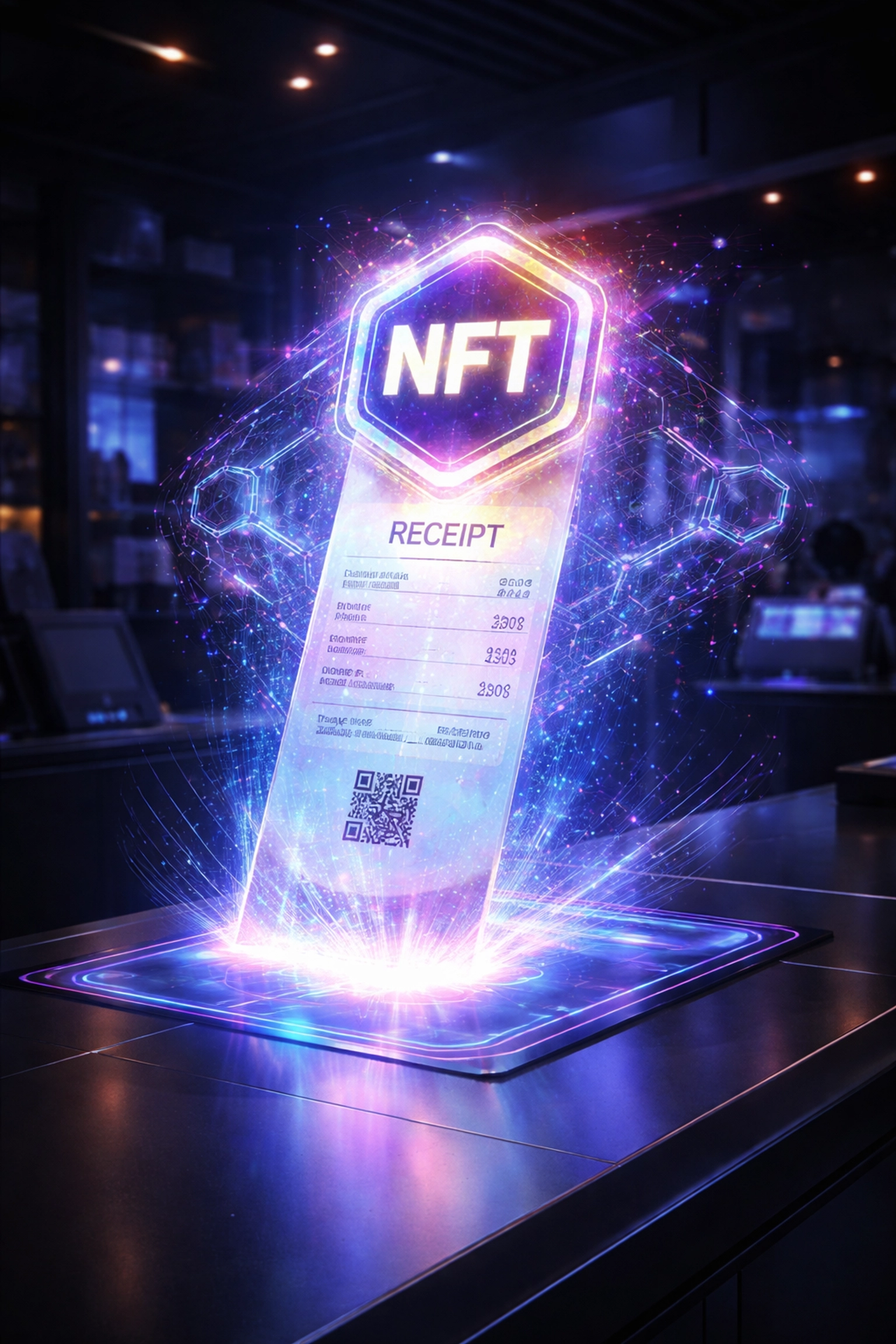
Larecoin's NFT receipt system plugs directly into your payment workflow. Zero extra steps. Massive added value.
Your competitors using NOWPayments or CoinPayments? They're still sending email confirmations. You're building verifiable, blockchain-native customer relationships.
Why Larecoin Beats Legacy Crypto Payment Processors
Let's compare.
NOWPayments
Supports multiple cryptocurrencies. Good.
Custodial model. Bad.
Limited self-custody options. Very bad.
No native stablecoin ecosystem. Problematic.
CoinPayments
Long-standing platform. Recognized name.
Requires KYC for withdrawals. Control issues.
Fee structures vary wildly by coin. Unpredictable.
No NFT receipt functionality. Outdated.
Larecoin
50%+ fee reduction versus traditional processors
Self-custody infrastructure built in
LUSD stablecoin for stability and speed
NFT receipts for next-gen documentation
Solana-powered for sub-second transactions
Asset-agnostic support for operational flexibility

The choice is clear. Larecoin was designed for merchants who demand sovereignty.
Building Your Sovereign Payment Stack
Ready to take control? Here's your framework.
Step 1: Implement Self-Hosted Infrastructure
Move away from custodial gateways. Set up direct wallet connections. Control your keys.
Step 2: Integrate LUSD for Stability
Price products in stablecoin. Accept volatile assets if you want. Convert to LUSD automatically. Eliminate price fluctuation risk.
Step 3: Activate NFT Receipts
Every sale generates blockchain-verified documentation. Build trust. Reduce disputes. Create loyalty opportunities.
Step 4: Diversify Asset Acceptance
Don't limit customers. Accept LUSD, major cryptocurrencies, and emerging tokens. Asset-agnostic infrastructure adapts as markets evolve.
Step 5: Monitor and Optimize
Track fees. Analyze transaction speeds. Compare against legacy systems. The data will confirm what you already know: sovereignty pays.
The PayFi Revolution: What's Coming Next
2026 is just the beginning.
Programmable money is emerging. AI agents performing autonomous payments. Debt and assets issued directly on-chain. Perpetual futures for real-world asset trading.
Merchants who build sovereign infrastructure today position themselves for tomorrow's innovations.
The ecosystem is evolving. Fast.
Those relying on custodial intermediaries will spend the next five years playing catch-up. Those with self-hosted, asset-agnostic payment rails will integrate new capabilities seamlessly.

Larecoin's architecture anticipates these developments. Modular. Adaptable. Future-proof.
Your Path Forward
Financial sovereignty in 2026 is operationally achievable.
But it requires action.
Stop bleeding interchange fees. Embrace self-custody. Leverage LUSD stability. Implement NFT receipts. Leave legacy processors behind.
The merchants winning right now aren't waiting for permission. They're building independent infrastructure. Accepting global liquidity. Maintaining full control over their payment rails.
That could be you.
Explore the Larecoin ecosystem and discover how to slash your payment processing costs while gaining complete financial sovereignty.
Join the Larecoin community to connect with merchants already making the transition.
The future of commerce is decentralized. The tools exist. The infrastructure is live.
Your move.
Comments