

.png)
The Merchant's Guide to Metaverse Shopping in a B2B2C World
- [[[Free!!]<<<<]] Watch: 스포르팅 - 토트넘 Live Stream 13 September 2022
- 2 hours ago
- 4 min read
![Writer: [[[Free!!]<<<<]] Watch: 스포르팅 - 토트넘 Live Stream 13 September 2022](https://lh3.googleusercontent.com/a/AItbvmktwQc0wCdd3ZEETSYItRQubwwBzOyjD_dcigRf=s96-c)
Virtual storefronts. Avatar customers. Crypto payments at checkout.
This isn't science fiction. It's 2026. And if you're a merchant still stuck in legacy payment rails, you're already behind.
The metaverse commerce wave is here. B2B2C models are reshaping how businesses connect with partners AND end consumers simultaneously. The question isn't whether to jump in. It's how to do it right.
Let's break it down.
What Exactly Is B2B2C Metaverse Commerce?
Simple. You serve two audiences at once.
Business partners get wholesale access, bulk ordering, and backend tools. Consumers get immersive shopping experiences, avatar customization, and seamless checkout.
One platform. Two revenue streams. Infinite possibilities.
Traditional B2C metaverse setups focus on gaming and virtual events. B2B leans toward training and product demos. B2B2C? It merges everything into a unified commerce ecosystem.
Think virtual showrooms where retailers browse your catalog. Think consumer-facing storefronts where shoppers try on digital goods via VR headsets. Both happening simultaneously. Both generating revenue.
Why Legacy Payment Processors Can't Keep Up
Here's the problem with traditional payment gateways in metaverse environments.
They weren't built for this.
NOWPayments offers basic crypto acceptance. Decent for simple e-commerce. But metaverse shopping? Virtual storefronts need more than invoice generation. They need immersive, real-time transaction layers.
CoinPayments supports hundreds of tokens. Great variety. But that variety comes with complexity. And complexity kills user experience in VR/AR environments where speed matters.
Triple-A focuses on compliance. Solid foundation. But their infrastructure lacks the Web3-native features modern metaverse commerce demands.
None of these platforms were designed with B2B2C metaverse shopping in mind. They're retrofitting old solutions onto new problems.
Larecoin was built differently.
The Larecoin Technical Edge
Four pillars separate Larecoin from the competition.
NFT Receipts
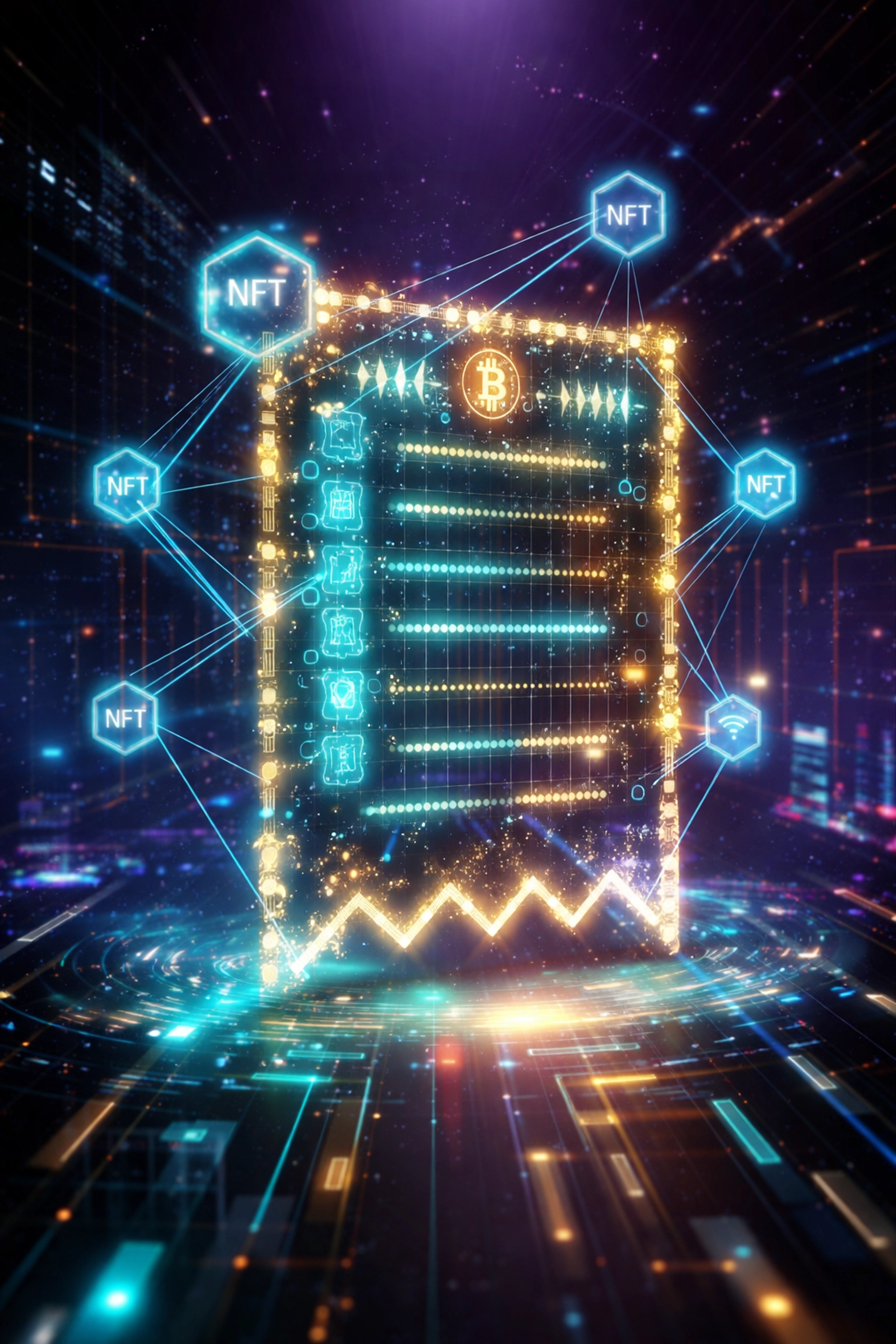
Every transaction generates a verifiable NFT receipt. Not just a PDF. Not just an email confirmation.
A blockchain-secured proof of purchase that lives in your customer's wallet forever.
Benefits for merchants:
Zero chargeback fraud
Instant verification for returns/exchanges
Built-in loyalty tracking via NFT metadata
Collectible receipts that double as brand touchpoints
Your customers don't just get a receipt. They get a digital asset.
LUSD Stablecoin
Volatility kills commerce. Nobody wants to accept crypto when prices swing 10% during checkout.
LUSD solves this. Larecoin's native stablecoin maintains dollar parity while enabling gas-only transfers across the network.
Price stability. Predictable revenue. Happy accountants.
Gas-Only Transfers
Traditional crypto payments involve multiple fees. Network fees. Exchange fees. Processor fees.
Larecoin's architecture eliminates the noise. Gas-only transfers mean you pay minimal network costs. That's it.
Compare this to interchange fees eating 2-3% of every card transaction. The fee savings alone justify the switch.
Self-Custody
Your funds. Your wallets. Your control.
No third-party custodians holding your revenue hostage. No withdrawal delays. No platform risk.
Self-custody isn't just a feature. It's a philosophy. And it's fundamental to trustless commerce.
Merchant Benefits That Actually Matter
Technical features are nice. Business impact is better.
Cut Interchange Fees by 50%+
Credit card processors charge 2-3% per transaction. Add gateway fees. Add chargeback costs. Add PCI compliance overhead.
It adds up fast.
Larecoin's crypto POS infrastructure slashes these costs dramatically. Merchants report fee savings exceeding 50% compared to traditional card processing.
That's not a rounding error. That's margin you can reinvest.
Master/Sub-Wallet Architecture
Running multiple storefronts? Multiple locations? Multiple brands?
The master/sub-wallet system lets you manage everything from a single dashboard while maintaining separate accounting for each entity.
One master wallet for oversight
Unlimited sub-wallets for locations/brands/partners
Real-time settlement across all accounts
Consolidated reporting with granular breakdowns
Perfect for B2B2C operators juggling wholesale and retail channels.
QR-Generated POS
No expensive hardware. No monthly terminal rentals.
Generate QR codes instantly. Display them anywhere: physical stores, virtual showrooms, event booths, VR environments.
Customers scan. Pay in crypto or LUSD. Done.
Works in the metaverse. Works IRL. Works everywhere your customers are.
The Future: Social Shopping in VR/AR
Here's where things get exciting.
Larecoin isn't just building payment rails. We're building the B2B2C metaverse itself.
Virtual Showrooms
Imagine your entire product catalog explorable in 3D. Customers walk through virtual aisles. Examine products from every angle. Try items on their avatars.
Geographic barriers disappear. A retailer in Tokyo browses your showroom at 3 AM their time. A consumer in São Paulo shops while commuting via VR headset.
24/7 commerce. Global reach. Zero real estate costs.
Social Shopping Experiences
Shopping alone is boring. Shopping with friends? That's an event.
Larecoin's metaverse vision includes social shopping features:
Group shopping sessions with shared carts
Live avatar interactions between customers
Real-time opinions and recommendations
Virtual fitting rooms with friend feedback
Community-driven commerce builds brand loyalty. Loyalty drives lifetime value.
AR Integration for Physical Retail
Metaverse shopping isn't just about virtual spaces.
Augmented reality brings digital products into physical environments. Point your phone at a shelf. See product details, reviews, and payment options overlaid instantly.
Scan. Pay. Walk out.
The line between physical and digital retail blurs completely.
Compliance Matters: MTL and MSB Coverage
Innovation means nothing without trust.
Larecoin operates under Federal MSB (Money Services Business) registration. This isn't optional. It's foundational.
Additionally, state-level MTL (Money Transmitter License) coverage across the U.S. ensures compliance in every jurisdiction you operate.
Why does MTL compliance matter for merchants?
Reduced regulatory risk for your business
Confidence for enterprise partners evaluating crypto solutions
Clear audit trails for tax and accounting purposes
Protection against platform-level enforcement actions
Work with compliant infrastructure. Or risk everything.

Getting Started: Your Metaverse Commerce Roadmap
Ready to move? Here's the playbook.
Phase 1: Pilot
Deploy Larecoin's crypto POS in a single location or channel
Test NFT receipt generation with select transactions
Measure fee savings against existing processors
Phase 2: Scale
Roll out master/sub-wallet architecture across all entities
Integrate QR payments into physical and virtual touchpoints
Launch LUSD acceptance for price-stable transactions
Phase 3: Metaverse
Build your virtual storefront using Larecoin's B2B2C infrastructure
Enable social shopping features for customer engagement
Expand into AR-integrated physical retail experiences
Track avatar engagement. Monitor session lengths. Iterate constantly.
The merchants who move now capture first-mover advantage in metaverse commerce. The merchants who wait? They'll be playing catch-up for years.
The B2B2C metaverse isn't coming. It's here.
NFT receipts. LUSD stability. Self-custody security. Crypto POS simplicity. Full MTL compliance.
Larecoin delivers all of it.
Set up your merchant account and start building your metaverse commerce strategy today.
Comments