

.png)
The Merchant's Guide to Social Shopping in the B2B2C Metaverse (And Why VR/AR Retail Is Closer Than You Think)
- [[[Free!!]<<<<]] Watch: 스포르팅 - 토트넘 Live Stream 13 September 2022
- 2 days ago
- 4 min read
![Writer: [[[Free!!]<<<<]] Watch: 스포르팅 - 토트넘 Live Stream 13 September 2022](https://lh3.googleusercontent.com/a/AItbvmktwQc0wCdd3ZEETSYItRQubwwBzOyjD_dcigRf=s96-c)
Shopping used to be social. Then e-commerce made it solitary. The metaverse is reversing that, fast.
A virtual Gucci bag sold for $4,000 on Roblox. More than the physical version. Nike's Nikeland pulls millions of visitors. Balenciaga moves avatar skins in Fortnite.
This isn't hype anymore. It's revenue.
And if you're a merchant still thinking VR/AR retail is five years away? You're already behind.
The Metaverse Shopping Reality Check
Here's what the data shows right now:
33%+ conversion rate increases for brands using immersive experiences
51% of consumers want to buy both physical and virtual goods
Gen Z and Millennials are leading the charge, and they have spending power
The infrastructure exists. The demand exists. What's missing for most merchants? The right payment rails.
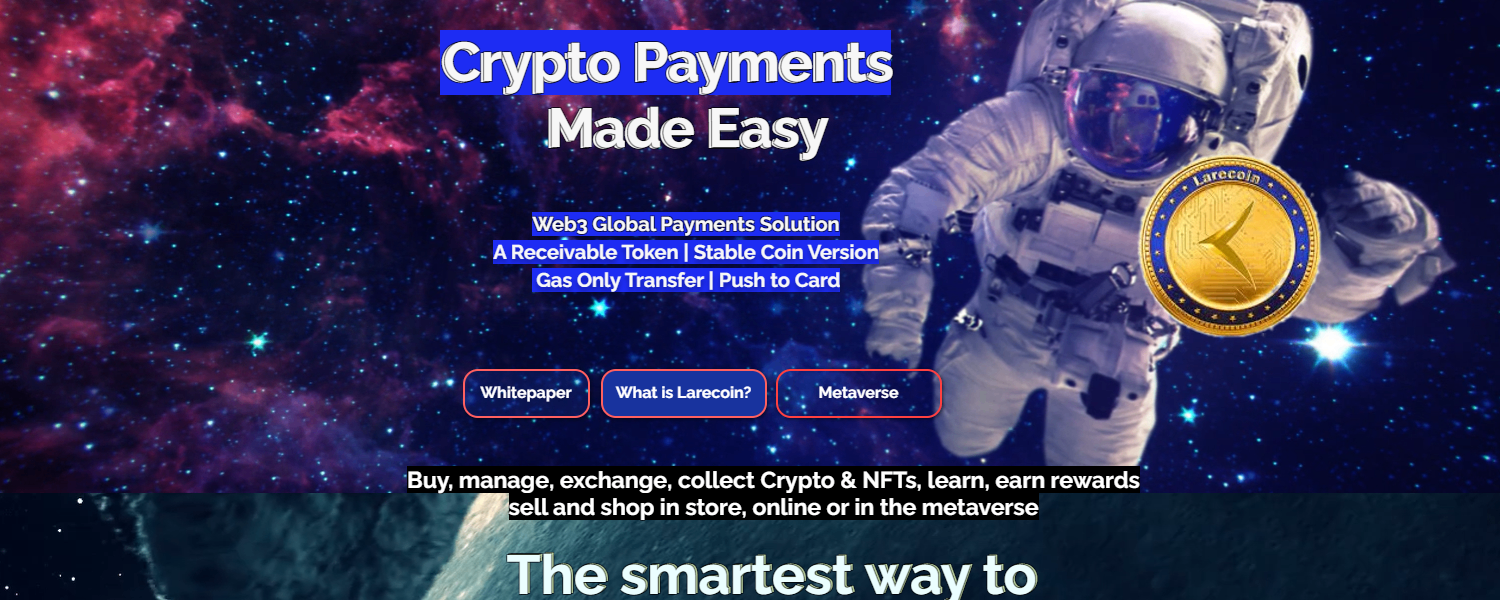
Traditional payment processors weren't built for virtual worlds. They weren't designed for borderless, instant transactions across physical and digital goods. They definitely weren't built for NFT receipts or stablecoin settlements.
That's where Web3-native solutions change the game.
Why Traditional Crypto Payment Processors Fall Short
Let's talk about your options.
NOWPayments offers solid multi-coin support. But it's custodial. Your funds sit in their wallets until you withdraw.
CoinPayments has been around forever. But the interface feels dated. Fee structures get complicated. And again, custodial.
Triple-A targets enterprise. Good compliance focus. But limited flexibility for emerging commerce models like metaverse retail.
None of these were built with the B2B2C metaverse in mind. None prioritize merchant self-custody. None offer NFT receipts as standard.
The Larecoin Difference: Built for What's Next
Larecoin approaches crypto payments differently. Four technical advantages matter most for merchants entering immersive commerce:
NFT Receipts
Every transaction generates a verifiable NFT receipt. Not a gimmick, a business advantage.
Immutable proof of purchase
Customer can verify authenticity of virtual and physical goods
Reduces chargebacks and disputes
Creates collectible brand touchpoints
In the metaverse, provenance matters. NFT receipts deliver it automatically.
LUSD Stablecoin
Price volatility kills commerce. LUSD solves it.
Pegged stability means merchants know exactly what they're receiving. No more watching Bitcoin drop 8% between transaction and settlement. No more pricing gymnastics.
Customers get crypto convenience. Merchants get dollar predictability.
Gas-Only Transfers
Here's where fee savings get real.
Traditional crypto processors charge 0.5% to 1% per transaction, on top of network fees. Larecoin's gas-only transfer model eliminates percentage-based cuts.
You pay network gas. That's it.
For a merchant doing $100K monthly? That's $500-$1,000 staying in your pocket instead of going to payment processors. Scale that up. The math gets serious.
True Self-Custody
Your keys. Your crypto. Period.
Larecoin's architecture keeps merchants in control. No waiting for withdrawal windows. No counterparty risk. No exchange hacks draining your receivables.
Compare that to NOWPayments or CoinPayments where your funds live on their infrastructure until you actively move them.

Merchant Benefits That Actually Move the Needle
Technical specs are nice. Business impact matters more.
Interchange Fee Destruction
Credit card interchange fees run 1.5% to 3.5%. Every transaction.
Crypto POS through Larecoin? Gas-only. We're talking 50%+ fee savings compared to traditional card processing.
For high-volume merchants, that's the difference between profitable and barely surviving.
Master/Sub-Wallet Architecture
Running multiple storefronts? Physical locations and metaverse shops?
Larecoin's master/sub-wallet system lets you:
Manage all locations from one dashboard
Set individual wallet permissions
Track revenue streams separately
Consolidate settlements automatically
One system. Infinite flexibility.
QR-Generated POS
No expensive hardware. No complex integrations.
Generate a QR code. Customer scans. Transaction completes. Works at your physical register. Works in your VR storefront. Works anywhere you sell.
The same crypto POS system scales from a popup shop to metaverse retail without additional infrastructure.
The B2B2C Metaverse Commerce Model
Let's break down what social shopping in the metaverse actually looks like for merchants.
Virtual-to-Virtual (V2V): Customer buys digital goods in your metaverse space. Avatar skins. Virtual accessories. Digital art. Pure margin.
Virtual-to-Physical (V2P): Customer discovers product in VR, completes purchase for physical delivery. The virtual walk-through converts the skeptic.
Physical-to-Virtual (P2V): Customer buys physical product, unlocks exclusive virtual item. Creates loyalty. Drives engagement across channels.
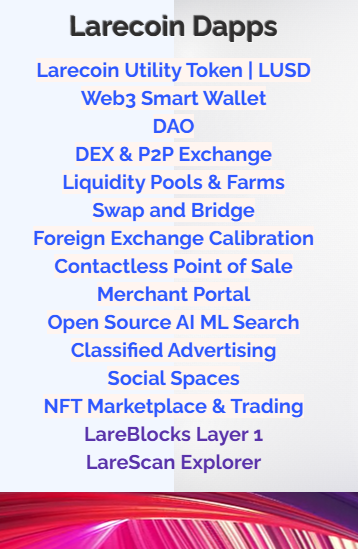
Smart merchants are building omnichannel strategies that work all three models simultaneously. The payment infrastructure needs to handle it seamlessly.
The Tech Stack Driving Adoption
Three immersive technologies are converting skeptics into customers:
Virtual Try-Ons Fashion and beauty brands see massive lifts. Customers "wear" products in VR before buying. Returns drop. Confidence increases.
3D Product Visualization Furniture in your actual room via AR. Electronics from every angle. Home goods in context. "Try before you buy" without inventory headaches.
Immersive Brand Experiences Not just shopping, experiences. Product launches in virtual spaces. Brand ambassador interactions. Community building that drives purchases.
These aren't gimmicks. They're conversion tools.
Compliance: The Foundation That Enables Everything
Here's where many crypto payment solutions fail merchants.
Operating in regulatory gray areas creates business risk. One enforcement action can freeze your receivables. One compliance failure can shut you down.
Larecoin's approach: build the foundation first.
Federal MSB Registration with FinCEN
State-level MTL coverage across the United States
Full AML/KYC protocols
Transaction monitoring systems
MTL compliance isn't exciting. It's essential. When you're building metaverse commerce on crypto rails, you need infrastructure that won't collapse under regulatory scrutiny.
Compare that to offshore solutions or processors with unclear licensing status. The risk calculus isn't even close.
Why the Window Matters Now
Early-mover advantage in metaverse retail won't last forever.
The brands establishing presence now, building payment infrastructure, training teams, testing commerce models, will own the playbook others copy later.
Consumer intent is clear:
51% want both physical and virtual goods
Higher-income consumers engage at higher rates
Gen Z expects immersive shopping experiences
The merchants who win are meeting customers inside their headsets with payment systems that actually work there.
Your Next Move
Stop thinking about metaverse shopping as future tense. Start building now.
The checklist:
Evaluate your current payment processing costs , Calculate what you're actually paying in interchange and processor fees
Assess crypto payment readiness , Does your target demographic hold crypto? (Hint: if they're under 40, increasingly yes)
Map your omnichannel strategy : Which commerce model fits your products? V2V, V2P, P2V, or all three?
Choose infrastructure built for what's next : Not retrofitted legacy systems
Larecoin's ecosystem: from LUSD stability to NFT receipts to self-custody architecture: was designed for exactly this moment.
The metaverse isn't coming. It's here. The question is whether your payment infrastructure is ready to meet customers there.
Ready to explore? Visit Larecoin and see what Web3-native payments can do for your business.
Comments