

.png)
The Proven Framework for Picking a Crypto POS System with Self-Custody, Fee Savings, and US Compliance
- [[[Free!!]<<<<]] Watch: 스포르팅 - 토트넘 Live Stream 13 September 2022
- 2 hours ago
- 4 min read
![Writer: [[[Free!!]<<<<]] Watch: 스포르팅 - 토트넘 Live Stream 13 September 2022](https://lh3.googleusercontent.com/a/AItbvmktwQc0wCdd3ZEETSYItRQubwwBzOyjD_dcigRf=s96-c)
Crypto payments are going mainstream. Fast.
But here's the thing. Most merchants are picking their POS systems based on vibes. Or worse, whatever shows up first on Google.
That's a problem.
The wrong choice means losing custody of your funds. Bleeding money on fees. Or getting blindsided by compliance issues that shut down your operation overnight.
This framework changes that. Three pillars. Self-custody. Fee savings. US compliance.
Nail all three, and you've got a payment system built for the next decade.
Let's break it down.
Pillar 1: Self-Custody Is Non-Negotiable
Here's the truth most payment processors don't want you to hear.
Custodial solutions mean you don't own your money.
When you use a custodial crypto POS, your funds sit in someone else's wallet. Their keys. Their rules. Their timeline for releasing your cash.
Sound familiar? It should. It's the exact same problem traditional banking created.
The Self-Custody Difference
Non-custodial solutions flip the script. Funds go directly to your wallet. Instantly. No middleman holding your revenue hostage.
What to look for:
Direct wallet integration
Instant settlement to your address
No withdrawal limits or delays
Full control over private keys
Platforms like NOWPayments offer non-custodial options. But the setup complexity can be a headache. CoinPayments? They've improved, but the custody model still creates friction.
Larecoin was built different. Self-custody isn't an add-on feature. It's the foundation. Your funds hit your wallet the moment the transaction confirms. Period.
Pillar 2: Fee Savings That Actually Add Up
Let's talk numbers.
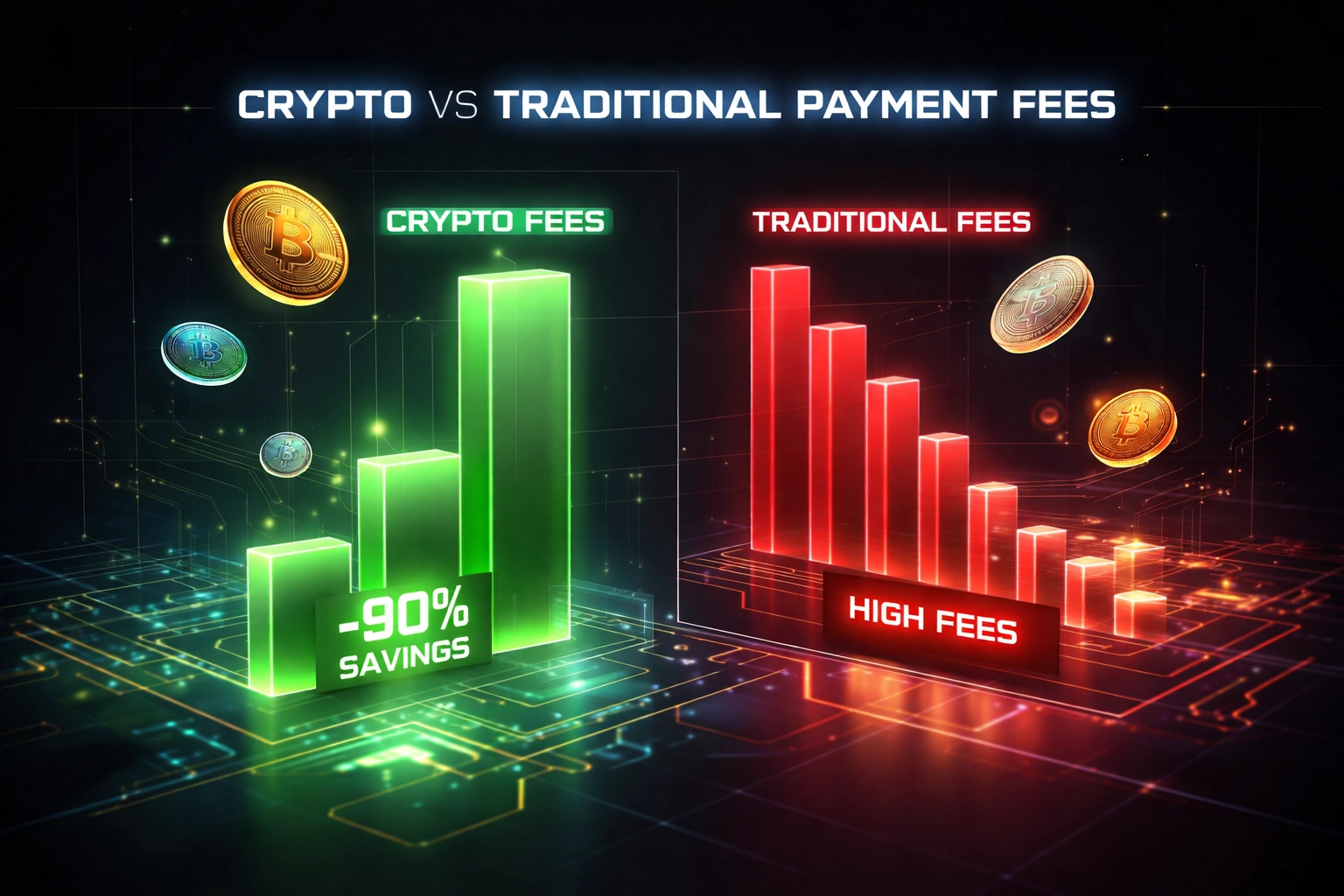
Traditional payment processors charge 2.5-3.5% per transaction. That's $25,000-$35,000 per million in sales. Gone.
Crypto was supposed to fix this. But some processors got greedy.
The Hidden Fee Trap
Watch out for:
Network fees passed to merchants at inflated rates
Conversion fees when auto-converting to fiat
Withdrawal fees eating into your margins
Monthly subscription costs on top of everything
NOWPayments charges 0.5% per transaction. Reasonable. CoinPayments hits you with 0.5-1% plus network fees. It adds up.
The LUSD Advantage
Here's where it gets interesting.
Larecoin's stablecoin, LUSD, was designed specifically for payment efficiency. Gas-only transfers mean you're paying network costs, not platform premiums.
The math:
Traditional processor: 3% fee on $10,000 = $300 lost
Typical crypto processor: 0.5-1% = $50-100 lost
Larecoin with LUSD: Gas fees only = Under $5
Scale that to monthly volume. The savings become transformational.
Multi-Chain Support Matters
Fee optimization isn't just about percentages. It's about choosing the right rails.
Larecoin supports:
Solana , Sub-cent transactions
Polygon , Ethereum security, fraction of the cost
Lightning Network , Instant Bitcoin at near-zero fees
Pick the chain that matches your transaction size. Micro-payments on Solana. Larger settlements on Polygon. Flexibility equals savings.
Pillar 3: US Compliance, The Make-or-Break Factor
This is where most crypto POS comparisons fall flat.
They ignore the elephant in the room. Regulatory compliance.
Operating a payment processing business in the US without proper licensing? That's not innovative. That's illegal.
The Licensing Landscape
Federal Level:
Money Services Business (MSB) registration with FinCEN
Bank Secrecy Act compliance
Anti-money laundering (AML) protocols
State Level:
Money Transmitter Licenses (MTL) required in most states
Each state has different requirements
Some states require surety bonds exceeding $1 million
Why Most Processors Dodge This
It's expensive. Time-consuming. Complex.
NOWPayments operates from the Netherlands. CoinPayments is based in the Cayman Islands. Neither maintains comprehensive US state-level licensing.
For US merchants, this creates risk. Regulatory crackdowns. Frozen accounts. Sudden service terminations.

Larecoin's Compliance Strategy
Larecoin isn't taking shortcuts.
The roadmap includes:
FinCEN MSB registration , Federal compliance locked in
State MTL acquisition strategy , Systematic licensing across key states
AML/KYC infrastructure , Built into the platform, not bolted on
Is it the easy path? No. Is it the right path for US merchants who need a partner that won't disappear when regulators come knocking? Absolutely.
Bonus Feature: NFT Receipts
Traditional receipts are paper. Or emails you'll never find again.
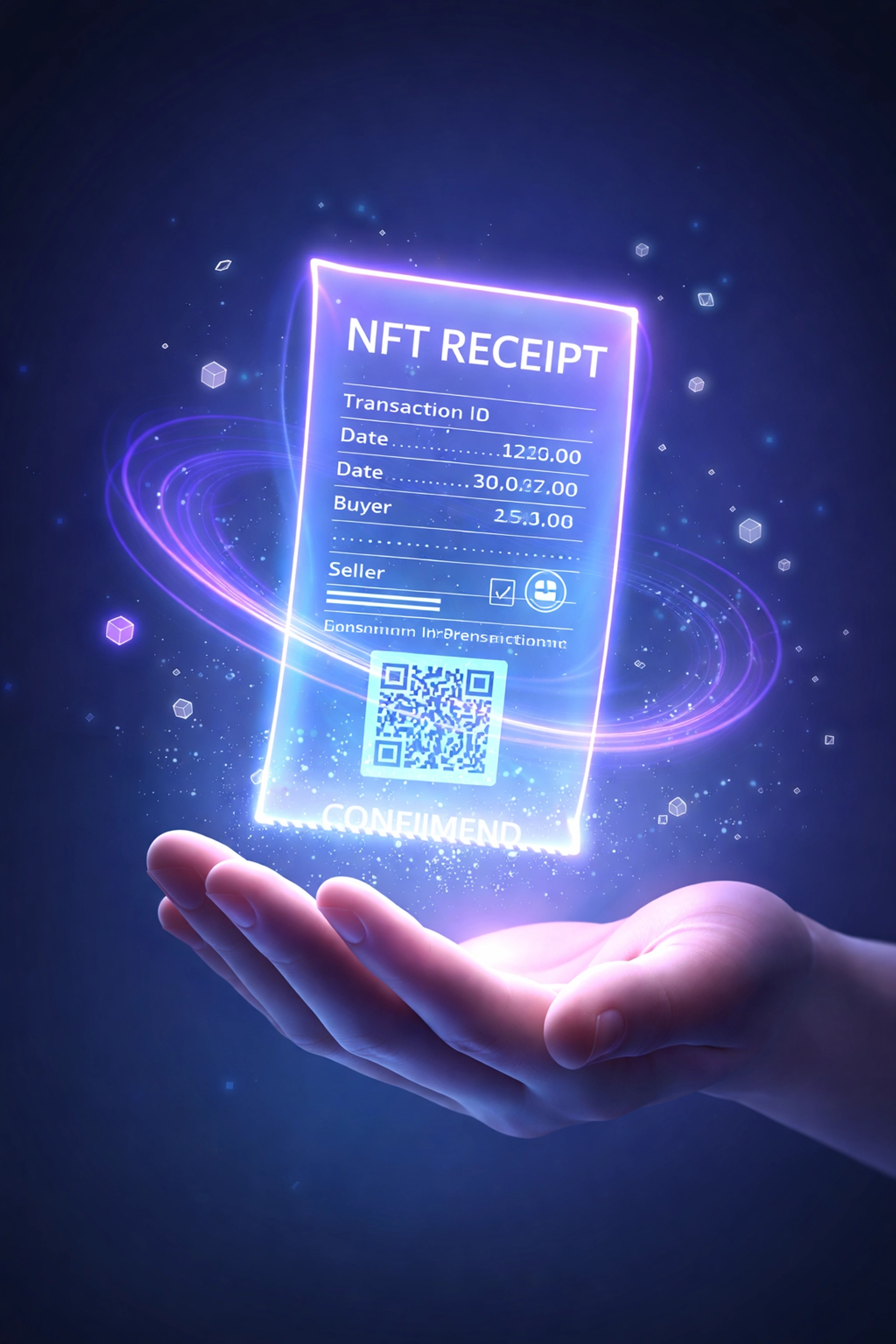
NFT receipts are permanent. Verifiable. On-chain.
Why this matters:
Proof of purchase that can't be disputed
Warranty tracking tied to the blockchain
Loyalty programs built on verifiable transaction history
Tax documentation that's tamper-proof
Larecoin's NFT receipt system turns every transaction into a digital asset. Your customers get a collectible. You get bulletproof records.
It's not a gimmick. It's the future of transaction verification.
The Framework: Your 10-Point Checklist
Before you commit to any crypto POS system, run it through this checklist.
Self-Custody
Non-custodial option available
Direct-to-wallet settlement
No withdrawal delays or limits
Fee Savings
Transaction fees under 1%
Multi-chain support for fee optimization
Stablecoin integration (LUSD, USDC, USDT)
No hidden conversion fees
US Compliance
FinCEN MSB registered
State MTL licensing (current or in progress)
Transparent AML/KYC policies
The Competitive Breakdown
Let's put the top players side by side.
Feature | NOWPayments | CoinPayments | Larecoin |
Self-Custody | Yes | Partial | Yes |
Fee Structure | 0.5% | 0.5-1% | Gas-only (LUSD) |
Multi-Chain | Yes | Yes | Yes |
US MSB | No | No | Yes (Strategy) |
State MTL | No | No | In Progress |
NFT Receipts | No | No | Yes |
Native Stablecoin | No | No | LUSD |
The pattern is clear.
NOWPayments and CoinPayments deliver on some fronts. But the complete package? The combination of self-custody, optimized fees, AND US compliance?
That's where Larecoin stands alone.
Why This Matters Now
The crypto payment space is maturing. Fast.
Regulation is coming. Fee compression is inevitable. And merchants who locked in with non-compliant, fee-heavy processors are going to feel the squeeze.
The smart move? Get ahead of it.
Pick a POS system built on the three pillars:
Self-custody that puts you in control
Fee savings that protect your margins
US compliance that keeps you operational
Ready to Make the Switch?
The framework is clear. The comparison is done.
Larecoin combines everything merchants need. Self-custody architecture. LUSD for gas-only transactions. NFT receipts for next-level record-keeping. And a serious commitment to US regulatory compliance.
This is what Web3 payments should look like.
Visit larecoin.com to explore the ecosystem. Check out the blog for more insights on the future of crypto payments.
The 10-year blog marathon continues. And so does the mission: building the ultimate payment infrastructure for the decentralized economy.
Your move.
Comments