

.png)
The Proven Receivables Token Framework: How Merchants Are Slashing Interchange Fees by 50% Without Banks
- [[[Free!!]<<<<]] Watch: 스포르팅 - 토트넘 Live Stream 13 September 2022
- 4 days ago
- 4 min read
![Writer: [[[Free!!]<<<<]] Watch: 스포르팅 - 토트넘 Live Stream 13 September 2022](https://lh3.googleusercontent.com/a/AItbvmktwQc0wCdd3ZEETSYItRQubwwBzOyjD_dcigRf=s96-c)
Traditional payment processors are bleeding merchants dry.
Every swipe. Every tap. Every transaction. Visa and Mastercard extract their cut. Interchange fees gobble up 2-4% of every sale. For small businesses? That's the difference between thriving and barely surviving.
But here's the thing. There's a framework changing everything. No banks required. No centralized gatekeepers. Just pure, peer-to-peer settlement on the blockchain.
Welcome to the Receivables Token Framework.
What Is the Receivables Token Framework?
Simple concept. Powerful execution.
The Receivables Token Framework converts future payment obligations: invoices, credit card settlements, subscriptions: into tradeable digital tokens on the blockchain. These tokens bypass traditional payment processors entirely.
No Visa. No Mastercard. No intermediaries extracting value from every transaction.
Think of it like this: instead of payments flowing through centralized processors charging interchange fees, tokenized receivables settle directly between parties on-chain. Merchant to customer. Direct.
The result? 50%+ fee reductions. Real numbers. Real savings.
How Merchants Are Actually Cutting Fees in Half
Let's break down the mechanics. Three core mechanisms drive the framework's efficiency:
Tranching
Receivables get segmented into risk tiers. Merchants choose their flavor:
Senior tranches: Stable, predictable returns. Lower risk.
Junior tranches: Higher-yield options. More upside potential.
Cash flow needs vary. The framework adapts.
Over-Collateralization
Smart contracts automatically secure tokenized receivables with excess collateral. Defaults? Handled without human intervention. No waiting on accountants. No processing delays.
The blockchain does the heavy lifting.
Automated Management
Real-time data triggers instant adjustments. Market conditions change? The system responds. Immediately. No manual oversight required.
This isn't theoretical. This is operational.
Why Traditional Payment Processors Can't Compete
Here's the ugly truth about legacy payments:
2-3 business day holds on your money
Interchange fees eating into every transaction
Chargebacks costing you time and revenue
Account freezes with zero warning
Geographic limitations blocking global customers
CoinPayments charges per-transaction fees. NOWPayments adds conversion spreads. Triple-A takes their cut too.
Every alternative still involves intermediaries. Someone's always in the middle, skimming.

The Receivables Token Framework eliminates the middleman entirely. Peer-to-peer. Direct settlement. Your money. Your rules.
NFT Receipts: The Accounting Revolution
Every transaction generates an NFT receipt. Immutable. Verifiable. Permanent proof of payment.
This isn't just cool tech. This is practical infrastructure.
What NFT Receipts Enable:
Warranty tracking with cryptographic verification
Loyalty program integration baked into the receipt
Fraud prevention through immutable records
Tax automation with complete metadata
Audit-ready documentation instantly accessible
Traditional receipts? Paper trails. Lost emails. Reconciliation nightmares.
NFT receipts for accounting transform how businesses track revenue. Every payment. Every customer. Every timestamp. All on-chain. All verifiable.
Your accountant will thank you.
LUSD Stablecoin: Predictable Value, Instant Settlement
Crypto volatility scares merchants. Understandable. Bitcoin swings 5% in an hour? That's your margin gone.
LUSD stablecoin benefits solve this problem:
Instant fund availability: no 2-3 day holds
Predictable value through peg stability
Global acceptance without foreign exchange fees
No bank dependencies for conversion
Receive payment. Funds available. Immediately.
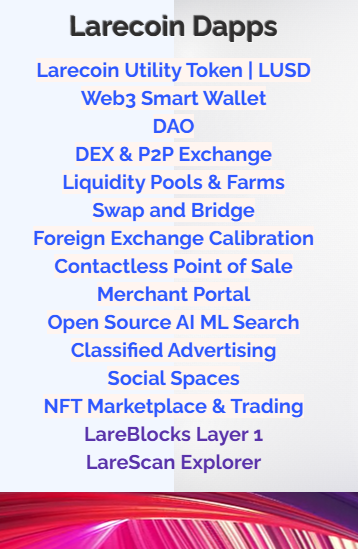
Compare that to traditional processors holding your revenue hostage while they "verify" transactions. Or crypto alternatives requiring you to trust centralized exchanges for conversion.
LUSD keeps value stable. Settlement stays instant. Business keeps moving.
Self-Custody: Your Money, Your Control
This is non-negotiable for serious merchants.
Self-custody merchant accounts mean:
No platform risk: your funds aren't on someone else's balance sheet
No account freezes: nobody can lock you out
No withdrawal limits: access everything, anytime
No approval gates: operate without permission
Traditional processors freeze accounts constantly. Suspicious activity? Frozen. Too much volume? Frozen. Wrong industry? Frozen.
NOWPayments, CoinPayments, Triple-A: all custodial at some level. They hold your keys. They control your access.
The Receivables Token Framework flips the script. You hold your keys. You control your funds. Period.
Crypto POS System for Small Business
Implementation matters. A framework is only valuable if merchants can actually use it.
The crypto POS system for small business makes this accessible:
Contactless payments at physical locations
QR code integration for quick checkout
Multi-token support for customer flexibility
Real-time conversion to stablecoin
Instant settlement to merchant wallet
No special hardware. No complex integrations. Just a system that works.

Small businesses get enterprise-grade payment infrastructure without enterprise-grade complexity. Set up in minutes. Start accepting payments. Slash fees immediately.
NOWPayments vs. CoinPayments vs. Larecoin
Let's compare. Direct and honest.
NOWPayments
Per-transaction fees add up
Custodial infrastructure
Limited stablecoin options
No receivables tokenization
CoinPayments
Complex fee structures
Conversion spreads on withdrawals
Centralized control
Standard crypto acceptance only
Larecoin's Receivables Token Framework
50%+ fee reduction through direct settlement
Self-custody architecture: full control
NFT receipts for transparent accounting
LUSD stablecoin for predictable value
Receivables tokenization for cash flow optimization
The gap is massive. Other platforms offer crypto acceptance. Larecoin offers financial infrastructure.
Real Numbers, Real Impact
Let's talk dollars.
A merchant processing $100,000 monthly through traditional processors pays approximately:
$2,500-$4,000 in interchange fees
Plus gateway fees
Plus chargeback costs
Plus currency conversion (for international sales)
Same merchant using the Receivables Token Framework:
$1,000-$1,500 in total costs
No hidden fees
No conversion spreads
Global reach included
That's $18,000-$30,000 annually. Back in your pocket. Every year.
For small businesses, that's marketing budget. Inventory. Hiring. Growth.
Getting Started
The framework works. The infrastructure exists. Implementation is straightforward.
Steps to slash your interchange fees:
Set up a self-custody wallet compatible with the Larecoin ecosystem
Integrate the crypto POS system at your physical or digital storefront
Configure LUSD settlement for stable value
Enable NFT receipts for automated accounting
Start accepting payments: fees drop immediately
No bank approval required. No lengthy application process. No waiting.
Visit Larecoin to explore the full ecosystem. Check the crypto section for technical details.
The Future Is Bank-Free
Banks had their run. Payment processors extracted their tolls.
That era is ending.
The Proven Receivables Token Framework represents more than fee savings. It's financial sovereignty. Complete control over your business revenue. No intermediaries. No gatekeepers. No permission required.
Merchants worldwide are already making the switch. They're keeping more of what they earn. They're operating globally without friction. They're building businesses on infrastructure they actually control.
50% fee reduction isn't a promise. It's the floor.
The question isn't whether to adopt this framework. It's how soon you can start.
Comments