

.png)
The Ultimate Guide to Choosing a Compliant Crypto Payment Solution: MSB Registration, MTL Strategy, and Why Larecoin Beats the Competition
![Writer: [[[Free!!]<<<<]] Watch: 스포르팅 - 토트넘 Live Stream 13 September 2022](https://lh3.googleusercontent.com/a/AItbvmktwQc0wCdd3ZEETSYItRQubwwBzOyjD_dcigRf=s96-c)
Why Compliance Isn't Optional Anymore
Crypto payment processors operating in the US face serious regulatory hurdles.
You can't just plug in an API and start accepting payments.
FinCEN requires Money Services Business (MSB) registration. Every state demands separate Money Transmitter Licenses (MTLs). Miss either requirement? Face fines, shutdowns, or criminal prosecution.
Most crypto payment gateways skip this step. They operate in gray zones. Promise ease of integration but deliver compliance nightmares.
Larecoin takes a different approach.
Full MSB registration with FinCEN. Strategic state-by-state MTL licensing. Complete AML/BSA compliance programs built from day one.
This isn't marketing fluff. It's operational necessity.
The Real Cost of MSB and MTL Compliance
Here's what federal and state registration actually costs:
Federal MSB Registration:
FinCEN Form 107 filing: $0-$1,500
AML/BSA compliance program development: $15,000-$75,000
Timeline: 180 days from business launch
Ongoing monitoring and reporting: mandatory
State MTL Licensing:
Per-state license cost: $30,000-$525,000+
Processing time: 6-18 months per state
Bonding requirements: $2-5 million across 20 states
Annual compliance updates: required
Total investment for nationwide operation? $3-7 million minimum.
Most crypto payment processors don't spend this. They operate with minimal licensing or none at all.
Larecoin's Strategy: Full compliance in key commercial states. Expanding coverage based on merchant demand. No shortcuts.
What Compliant Payment Processing Actually Requires
Written AML policies. Designated compliance officers. Customer due diligence (KYC) procedures.
Transaction monitoring systems. Suspicious activity reporting. Currency transaction reporting for transfers over $10,000.
Complete record-keeping. Audit trails. Regular reviews.
This is the baseline. Any payment processor without these systems exposes merchants to regulatory risk.
NOWPayments vs CoinPayments vs Larecoin: The Real Comparison
Let's break down what actually matters for merchants.
NOWPayments
Popular choice. Easy integration. Over 150 cryptocurrencies supported.
The Problems:
Custodial model locks your funds
0.5% transaction fee minimum
No NFT receipts or blockchain verification
Limited compliance transparency
Customer support issues at scale
No stablecoin optimization
NOWPayments works for small volume. Breaks down when you process serious transactions.
CoinPayments
Legacy player. Been around since 2013. Enterprise features.
The Reality:
0.5% processing fee
Custodial wallet system
No self-custody options
Standard blockchain settlement (expensive gas fees)
No innovative receipt systems
Compliance status unclear in many states
CoinPayments is old-school crypto. Built before Web3 infrastructure matured.
Larecoin: The Compliant Web3 Solution

Built different from day one.
Full US Compliance:
MSB registered with FinCEN
State MTL strategy covering major commercial states
Complete AML/BSA programs
Transparent regulatory status
Merchant protection built-in
Fee Structure That Actually Saves Money:
Gas-only transfers (no percentage fees)
Pay blockchain cost only
No hidden processing charges
Savings scale with transaction volume
Predictable cost structure
LUSD Stablecoin Integration:
Price stability for USD-pegged transactions
No volatility risk
Instant settlement
Lower gas fees than ETH-based stablecoins
Built on Solana for speed
NFT Receipt Technology:
Every transaction generates blockchain-verified receipt
Permanent proof of purchase
Customer engagement tool
Collectible transaction history
Marketing opportunities
True Self-Custody:
Merchants control private keys
No custodial lock-in
Funds never frozen by platform
Direct wallet-to-wallet transfers
Complete financial sovereignty
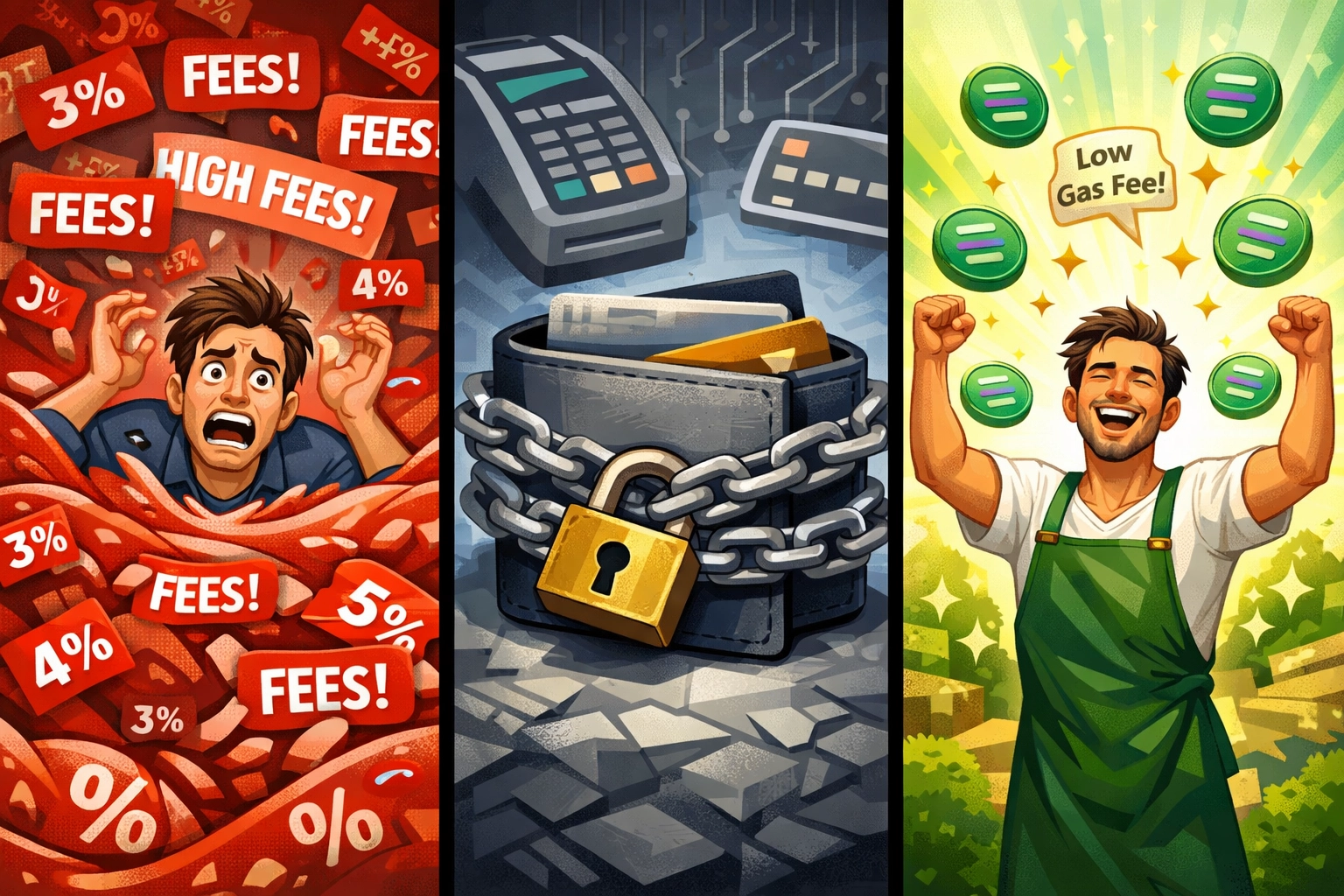
Why Self-Custody Changes Everything
Traditional payment processors hold your funds. They control when you access capital. They can freeze accounts without warning.
Larecoin's non-custodial model means:
Instant access to your money
No withdrawal delays
No account freezes
No third-party control
True ownership
This is Web3 payments done right.
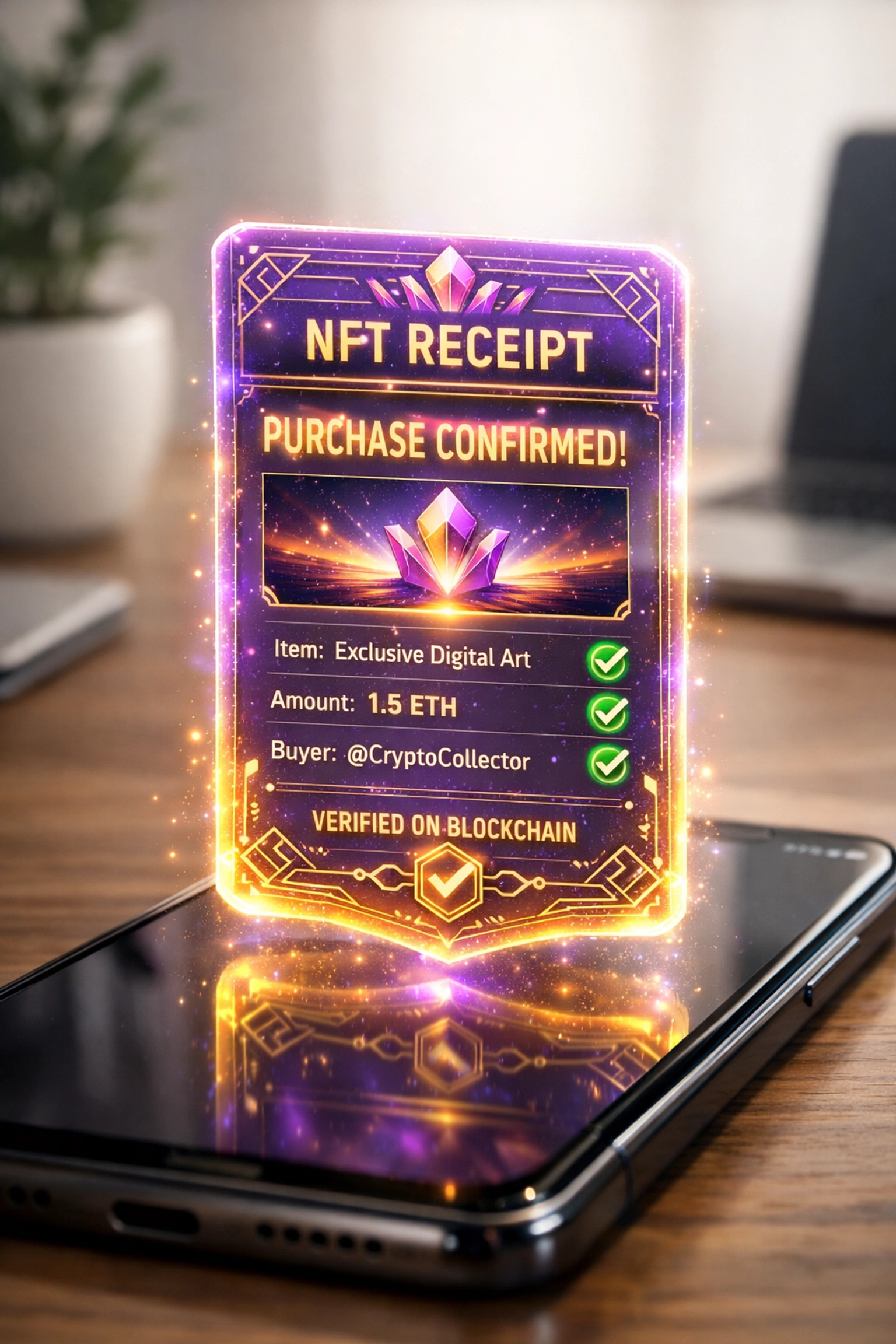
The NFT Receipt Advantage
Standard crypto payments leave generic blockchain entries. No brand identity. No customer engagement.
Larecoin's NFT receipts:
Branded transaction proof
Collectible purchase history
Secondary market potential
Customer loyalty program foundation
Marketing channel
Turn every transaction into a branded asset. Build community through purchases.
LUSD: The Stablecoin That Makes Sense
Merchants need price stability. Customers want USD equivalence.
LUSD delivers:
Algorithmically pegged to $1
Solana-based (fast, cheap)
Minimal slippage
Instant settlement
No centralized issuer risk
Compare to USDC or USDT processing on Ethereum. $20+ gas fees kill small transactions.
LUSD on Solana? Pennies per transaction.
Real Fee Comparison (Actual Merchant Scenario)
Monthly Volume: $100,000
NOWPayments:
Transaction fee: $500 (0.5%)
Gas fees: ~$300
Total: $800
CoinPayments:
Transaction fee: $500 (0.5%)
Gas fees: ~$350
Total: $850
Larecoin:
Transaction fee: $0 (gas only)
Gas fees: ~$50 (Solana-optimized)
Total: $50
Annual savings: $9,000-$9,600
Scale that to $1 million monthly volume. You're saving $90,000-$96,000 per year.
Compliance as Competitive Advantage
Most merchants think compliance is a cost center. Wrong perspective.
Regulatory compliance provides:
Banking relationship access
Customer trust
Insurance eligibility
Enterprise client attraction
Long-term operational stability
Unlicensed payment processors can't offer these benefits. When regulators crack down, merchants scramble.
Larecoin's compliance infrastructure means:
No regulatory surprises
Clear legal status
Merchant protection
Sustainable business model
Partnership opportunities with regulated entities
Integration Reality Check
API complexity matters less than operational reliability.
Larecoin offers:
Developer documentation
Plugin support for major platforms
Technical support team
Regular API updates
Solana ecosystem integration
Most importantly: predictable performance at scale.
No surprise downtime. No frozen funds. No compliance violations.
The Decision Framework
Choose your payment processor based on:
Regulatory compliance (can they operate legally in your state?)
Fee structure (what's the total cost at your volume?)
Custody model (who controls your funds?)
Technology innovation (NFT receipts, stablecoin optimization)
Long-term viability (will they survive regulatory enforcement?)
Larecoin checks every box.
What This Means for Your Business
Stop paying percentage fees. Start keeping more revenue.
Stop trusting custodial platforms. Start controlling your funds.
Stop accepting regulatory risk. Start operating with full compliance.
Larecoin delivers Web3 payments with real-world reliability.
Gas-only fees. NFT receipts. LUSD stability. Self-custody. MSB registration. MTL strategy.
This is the compliant crypto payment solution merchants actually need.
Ready to upgrade your payment infrastructure? Visit Larecoin and see the difference compliance makes.
Comments