

.png)
Why Everyone Is Talking About Social Shopping in the B2B2C Metaverse (And How to Get Started)
- [[[Free!!]<<<<]] Watch: 스포르팅 - 토트넘 Live Stream 13 September 2022
- 3 days ago
- 4 min read
![Writer: [[[Free!!]<<<<]] Watch: 스포르팅 - 토트넘 Live Stream 13 September 2022](https://lh3.googleusercontent.com/a/AItbvmktwQc0wCdd3ZEETSYItRQubwwBzOyjD_dcigRf=s96-c)
Virtual shopping isn't coming. It's here.
Gucci sold a digital bag on Roblox for $4,000. More than the physical version. Nike's Nikeland? Millions of users. Balenciaga? Selling avatar skins in Fortnite.
The metaverse shopping revolution is accelerating. Brands leveraging immersive experiences report 33%+ conversion rate increases. That's not hype. That's hard data.
And Larecoin is building the payment infrastructure to power it all.
The Social Shopping Shift
Traditional e-commerce is lonely. Click. Add to cart. Checkout. Done.
Metaverse shopping? Completely different.
Picture this: You and friends from three different continents exploring a virtual storefront together. Trying on digital fashion. Getting real-time opinions. Sharing purchases instantly on social feeds.
This is social shopping in the B2B2C metaverse.
Generation Z gets it. They have high digital affinity and zero patience for clunky, isolated shopping experiences. They want community. They want experience. They want connection.
The business benefits stack up:
Virtual try-ons and 3D product visualization
Interactive experiences driving engagement
Global reach without geographical barriers
New revenue streams from virtual goods and NFT-based products
Why Payment Infrastructure Matters
Here's the problem nobody talks about.
Traditional payment processors bottleneck metaverse operations. Visa and Mastercard weren't built for borderless, instant, 24/7 virtual commerce. Their infrastructure creaks under the weight of global, real-time transactions.
Crypto-native infrastructure solves this.
But not all crypto payment solutions are created equal.
Larecoin vs. The Competition
Let's compare the major players in crypto payments: NOWPayments, CoinPayments, and Triple-A.
NOWPayments Solid option. Supports 100+ cryptocurrencies. But here's the catch: custodial by default. Your funds sit in their wallets. Their rules. Their risk.
CoinPayments Been around since 2013. Supports 2,000+ coins. Impressive. But merchant fees hover around 0.5% plus network fees. And again, custodial setup unless you jump through hoops.
Triple-A Newer player. Focuses on enterprise. Clean interface. But limited stablecoin options and no native NFT receipt functionality.
Larecoin Built different.
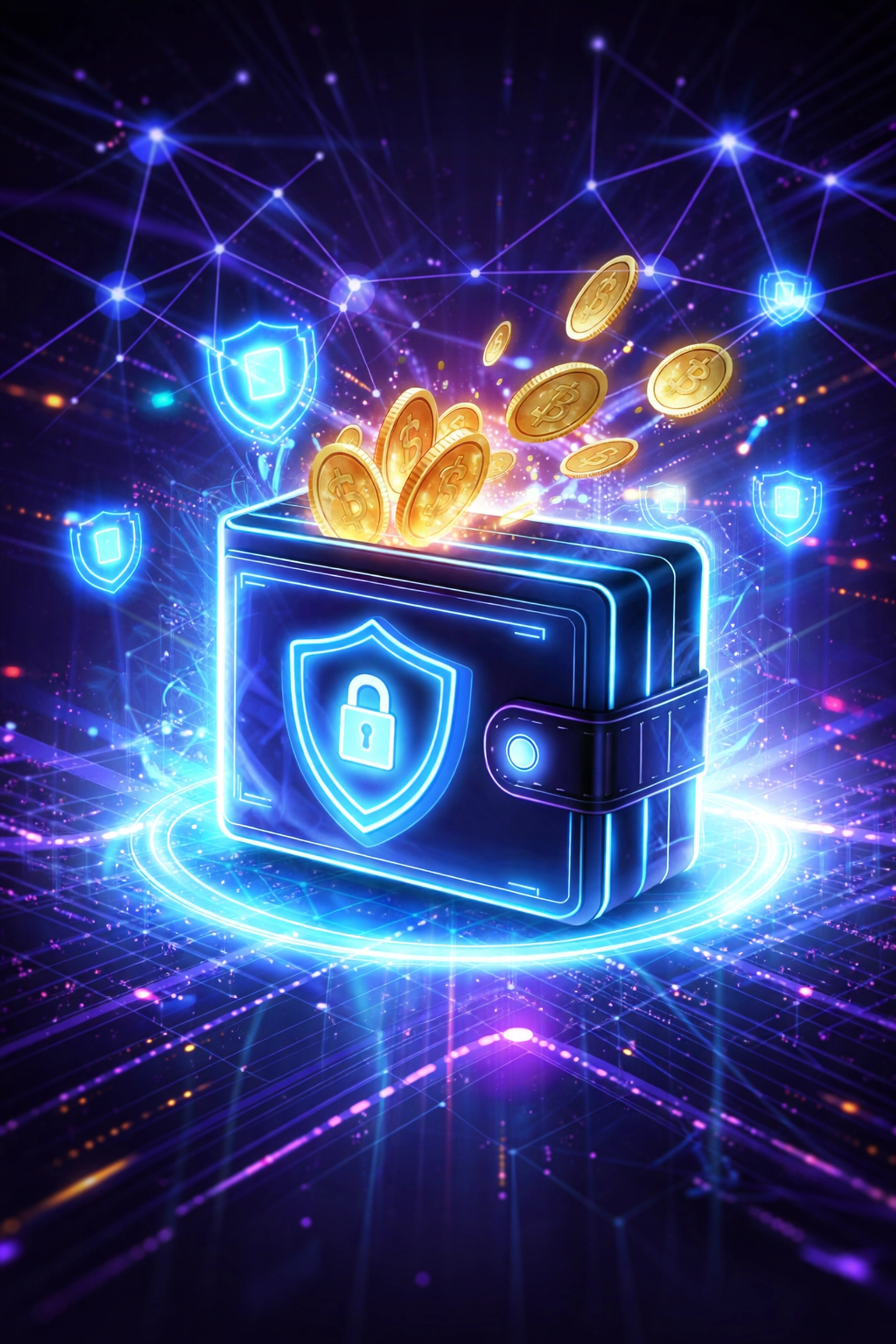
Self-custody from day one. Your keys. Your funds. Period.
Gas-only transfers mean you're not paying percentage-based fees on every transaction. Just network costs.
LUSD stablecoin integration eliminates volatility risk for merchants.
NFT receipts create immutable, on-chain proof of purchase.
Master/sub-wallet architecture lets enterprises manage multiple storefronts from one dashboard.
QR-generated crypto POS works anywhere, physical stores, pop-up shops, virtual metaverse storefronts.
The difference? Larecoin isn't adapting legacy systems to Web3. We built for Web3 from scratch.
Technical Advantages That Actually Matter
Let's break down what makes Larecoin's infrastructure superior for metaverse shopping.
NFT Receipts
Every transaction generates an NFT receipt. Not a gimmick. A genuine business tool.
Benefits for merchants:
Immutable proof of sale
Automatic warranty tracking
Loyalty program integration
Returns verification without paperwork
Benefits for customers:
Permanent purchase history
Easy resale of digital goods
Collectible receipt culture (yes, this is a thing)
LUSD Stablecoin
Volatility kills commerce. A $100 sale shouldn't be worth $85 by settlement time.
LUSD maintains dollar parity. Merchants receive predictable value. Customers spend without overthinking market timing.
Simple. Stable. Scalable.
Gas-Only Transfers
Traditional payment processors charge 2.5-3.5% per transaction. That's called interchange fees.
Larecoin's gas-only model? You pay network costs only. For most transactions, that's pennies.
Fee savings exceed 50% compared to traditional card processing. For high-volume merchants, that's thousands: sometimes millions: back in the bank annually.
Self-Custody Architecture
Your crypto. Your wallet. Your control.
No intermediary holding funds. No frozen accounts. No arbitrary limits.
Self-custody isn't just a philosophy. It's protection. Against exchange collapses. Against regulatory overreach. Against counterparty risk.
Merchant Benefits: The Bottom Line
Let's talk money.
Slash Interchange Fees
Traditional cards cost 2.5-3.5% per swipe. Larecoin's crypto POS? Fraction of that.
Run the math on your monthly volume. The savings compound fast.
Master/Sub-Wallet Management
Running multiple locations? Different brands? Various metaverse storefronts?
One dashboard. Complete visibility. Segregated funds. Unified reporting.
Enterprise-grade control without enterprise-grade complexity.
QR-Generated POS
No expensive hardware. No complicated integrations.
Generate a QR code. Customer scans. Payment complete.
Works at your physical register. Works in your VR storefront. Works at a pop-up event in the middle of nowhere.
Flexibility without friction.
Compliance & Trust: Built for the Long Game
Here's where many crypto payment providers fall short. Compliance.
Larecoin operates with:
Federal MSB registration (Money Services Business)
State-level MTL coverage (Money Transmitter License) across the U.S.
MTL compliance isn't optional. It's the foundation of legitimate crypto commerce.
Many competitors operate in regulatory gray zones. Works until it doesn't. When enforcement actions hit, merchants scramble.
Larecoin built compliance into the foundation. Not as an afterthought. Not as a checkbox. As core infrastructure.
This matters for metaverse shopping especially. Virtual commerce crosses jurisdictions constantly. Proper licensing ensures transactions remain legal regardless of where your customers connect from.

The VR/AR Shopping Future
Metaverse shopping evolves daily.
Current capabilities:
360° product viewers
AR visualization (see products in your actual space)
VR showrooms with spatial commerce
Interactive theme worlds blending entertainment and retail
Coming soon:
Haptic feedback for virtual try-ons
AI shopping assistants in avatar form
Cross-platform inventory systems
Social shopping parties with real-time gifting
The brands experimenting now capture market share. The brands waiting watch competitors sprint ahead.
How to Get Started
Step 1: Design for Social Interaction
Metaverse retail succeeds through community. Build virtual storefronts supporting collaborative exploration. Gamification. Shared discovery.
Solitary transactions? That's last decade.
Step 2: Implement Crypto-Native Payments
Visit Larecoin and set up your merchant account. Integrate LUSD for stability. Enable NFT receipts for every purchase.
Step 3: Start Small, Scale Fast
You don't need a full VR world on day one. Begin with QR-based crypto POS at existing locations. Add virtual elements incrementally. Learn what your customers respond to.
Step 4: Leverage Compliance as Competitive Advantage
Operating with proper MTL compliance builds customer trust. Market it. Display it. Let customers know their transactions happen within regulated frameworks.
The 10-Year Marathon
Larecoin isn't chasing quick wins.
This is a 10-year marathon. Building infrastructure that outlasts hype cycles. Creating payment rails that serve merchants whether they're selling physical goods today or virtual real estate tomorrow.
Social shopping in the B2B2C metaverse represents the next evolution of commerce. The technical foundation: fee savings, NFT receipts, self-custody, LUSD stability, crypto POS flexibility: exists today.
The question isn't whether metaverse shopping will dominate.
The question is whether you'll be ready when it does.
Ready to future-proof your payment infrastructure?Explore Larecoin's merchant solutions and join the merchants already building for tomorrow's commerce landscape.
Comments