

.png)
Why Metaverse Shopping Will Change the Way You Accept Crypto Payments (VR/AR B2B2C Guide)
- [[[Free!!]<<<<]] Watch: 스포르팅 - 토트넘 Live Stream 13 September 2022
- 2 hours ago
- 5 min read
![Writer: [[[Free!!]<<<<]] Watch: 스포르팅 - 토트넘 Live Stream 13 September 2022](https://lh3.googleusercontent.com/a/AItbvmktwQc0wCdd3ZEETSYItRQubwwBzOyjD_dcigRf=s96-c)
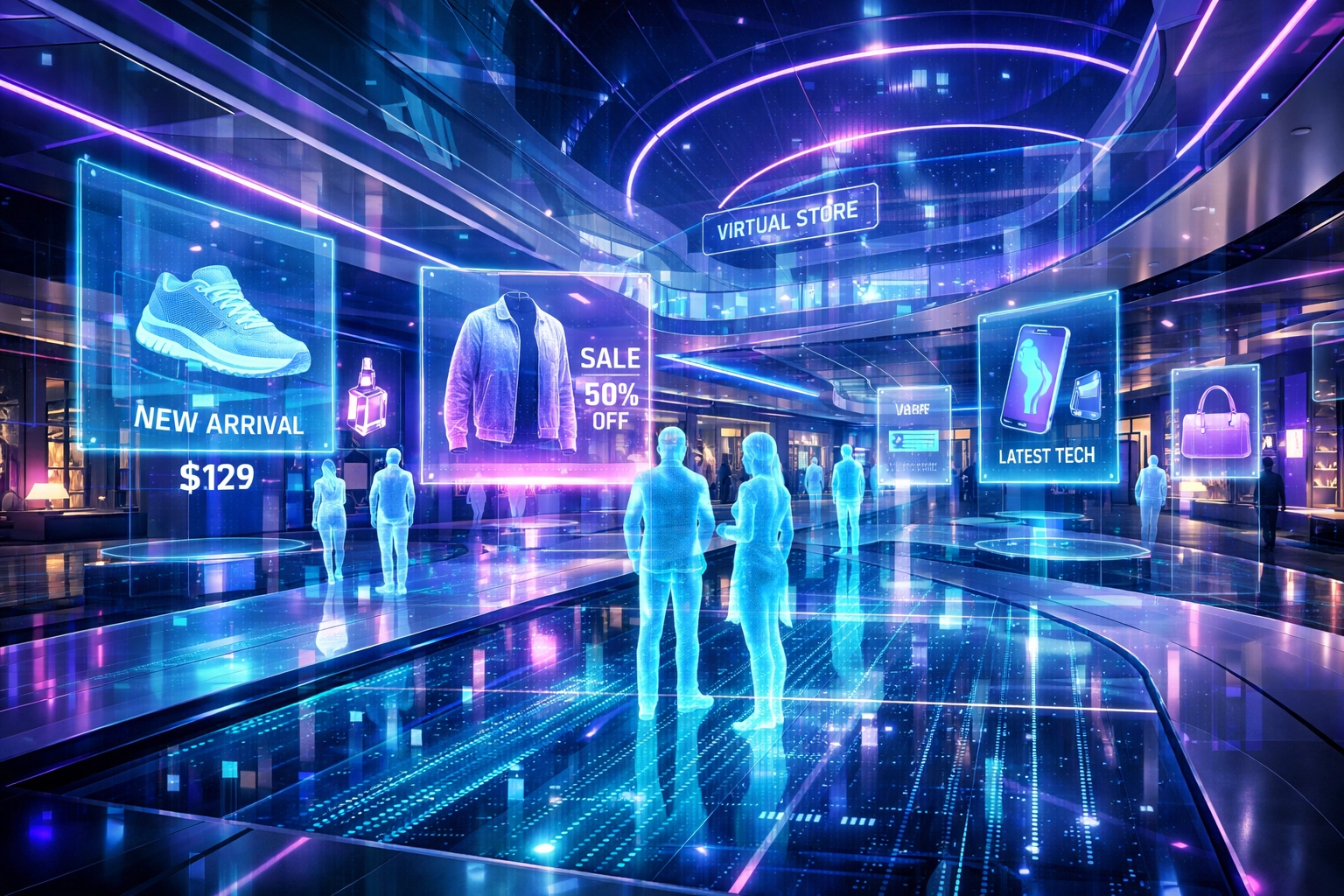
Your customer is shopping in a virtual mall. Avatar browsing. Real purchases. Instant checkout.
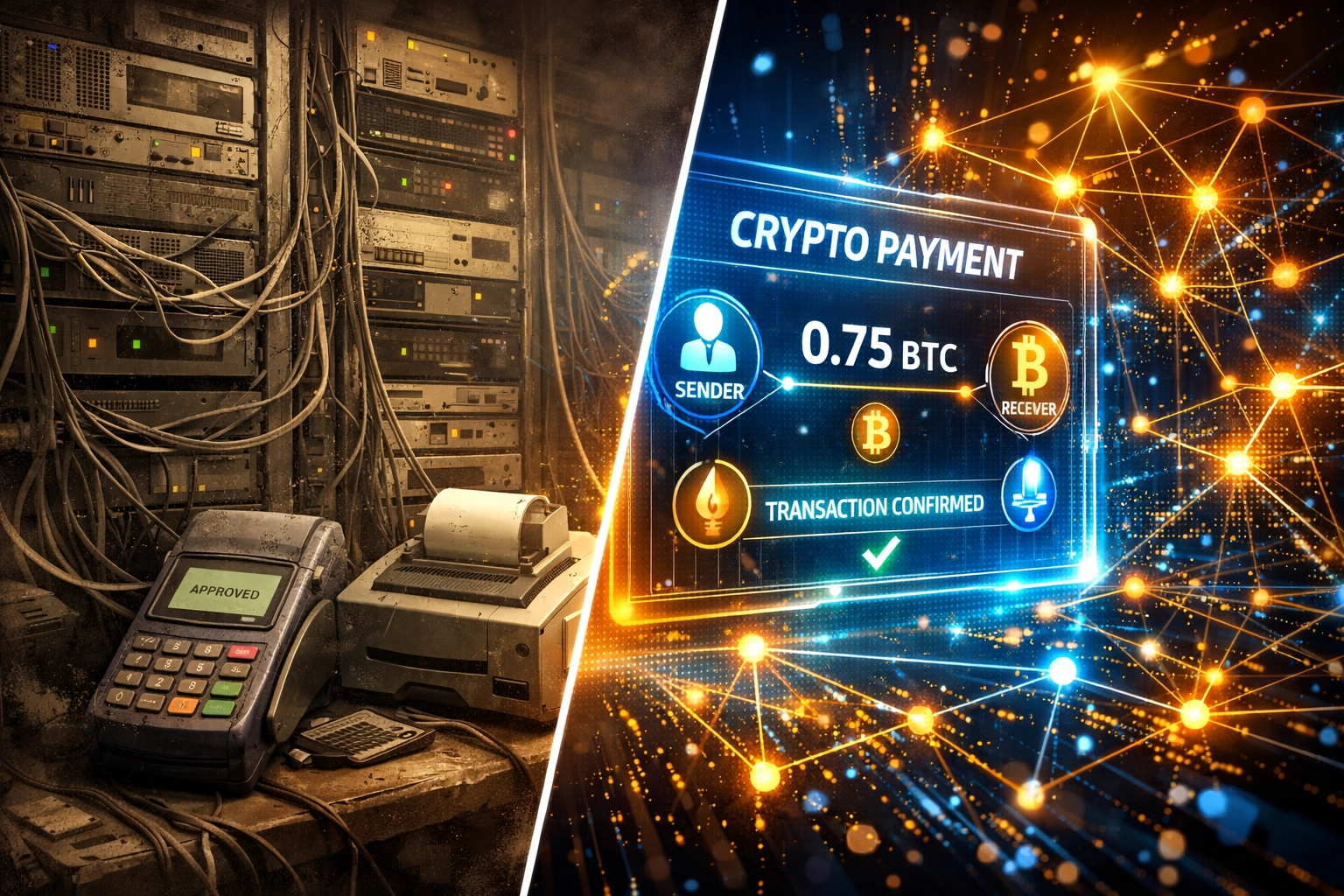
Traditional payment processors weren't built for this.
The metaverse shopping market is hitting $236.67 billion by 2033. But legacy crypto processors like NOWPayments and CoinPayments are still running 2015-era payment infrastructure. Settlement delays. Interchange fees eating 2-3% of every transaction. Zero integration with immersive commerce.
That infrastructure gap is forcing businesses to completely rethink crypto payment acceptance.
The Traditional Processor Problem
CoinPayments and NOWPayments handle transactions. They don't handle metaverse commerce.
Here's why that matters:
Settlement delays kill metaverse retail. Customers in virtual environments expect instant gratification. Batch processing doesn't work when someone's buying a digital collectible in real-time during a virtual concert.
Interchange fees destroy margins. Traditional processors charge 2-3% per transaction. In high-volume metaverse retail environments with lower average transaction values, those fees eliminate profitability.
KYC friction kills conversion. Virtual shoppers won't complete lengthy identity verification processes mid-purchase. Conversion rates collapse when authentication disrupts the immersive experience.
No native metaverse functionality. Legacy processors can't generate NFT receipts, integrate with VR/AR interfaces, or support AI-driven autonomous transactions.
The infrastructure simply wasn't designed for social, immersive, cross-border commerce happening simultaneously across physical and virtual channels.
What Metaverse Commerce Actually Requires
Metaverse retail operates fundamentally differently than e-commerce.
Multi-dimensional transactions. A single customer might shop your physical store Monday, browse your website Tuesday, and visit your virtual showroom Wednesday. The payment system needs unified tracking across all three.
Instant settlement. No batch processing. Funds need to move immediately because virtual goods are delivered instantly.
Verifiable digital assets. Every purchase needs permanent on-chain proof. NFT receipts solve disputes before they start and create collectible transaction records with full metadata.
Fractional costs. Gas-only transfers reduce processing costs to fractions of a cent: over 50% cheaper than traditional interchange fees. That difference compounds fast at scale.
Stablecoin integration. Customers pay in crypto. Merchants receive stable value instantly. No volatility exposure. LUSD stablecoin architecture eliminates the conversion headache entirely.
Self-custody infrastructure. Immediate fund access. No settlement delays. No third-party holding periods. Master/sub-wallet architecture lets businesses manage multiple locations and sales channels from one unified system.
Triple-A tries to address some of these issues. But they're still building on legacy rails with modified checkout flows rather than native metaverse architecture.
The B2B2C Metaverse Architecture
Traditional B2C only connects business to customer. B2B connects business to business.
B2B2C connects businesses to customers through other businesses: all operating simultaneously in physical and virtual spaces.
Think: A manufacturer sells to a retailer who serves end customers across in-store, online, and metaverse channels. One unified payment infrastructure handles all transaction types. Loyalty programs automatically track purchases everywhere. Settlement happens instantly regardless of channel.
QR-generated POS systems work identically in physical stores and virtual showrooms. Same interface. Same backend. Same instant settlement.
Cross-border by default. Someone in Tokyo buying from a virtual store "located" in New York pays instantly in crypto. Merchant receives stable value immediately without currency conversion delays.
AI transaction support. Agentic commerce requires stablecoins to function. AI agents autonomously handling micropayments need transaction velocity traditional rails can't support. The metaverse enables AI shopping assistants to complete purchases on your behalf: but only if payment infrastructure operates at machine speed.
This is where Larecoin's technical architecture matters.
Technical Advantages That Actually Matter
NFT receipts turn every transaction into a verifiable digital asset. Permanent on-chain record. Full purchase metadata. Eliminates chargebacks. Creates collectible proof-of-purchase that customers actually want.
LUSD stablecoin integration means zero volatility risk. Customers pay in crypto. Merchants receive stable value. No conversion delays. No price fluctuation exposure.
Gas-only transfers reduce costs to essentially nothing. Traditional processors charge 2-3%. Larecoin's architecture charges only the network gas fee: fractions of a cent per transaction. That 50%+ fee reduction compounds dramatically at volume.
Self-custody wallets eliminate settlement wait times entirely. Funds hit your wallet immediately. No batch processing. No holding periods. Instant access to your capital.
Master/sub-wallet architecture lets you manage multiple store locations, online channels, and metaverse storefronts from one unified system. Same backend. Same instant settlement. Different customer touchpoints.
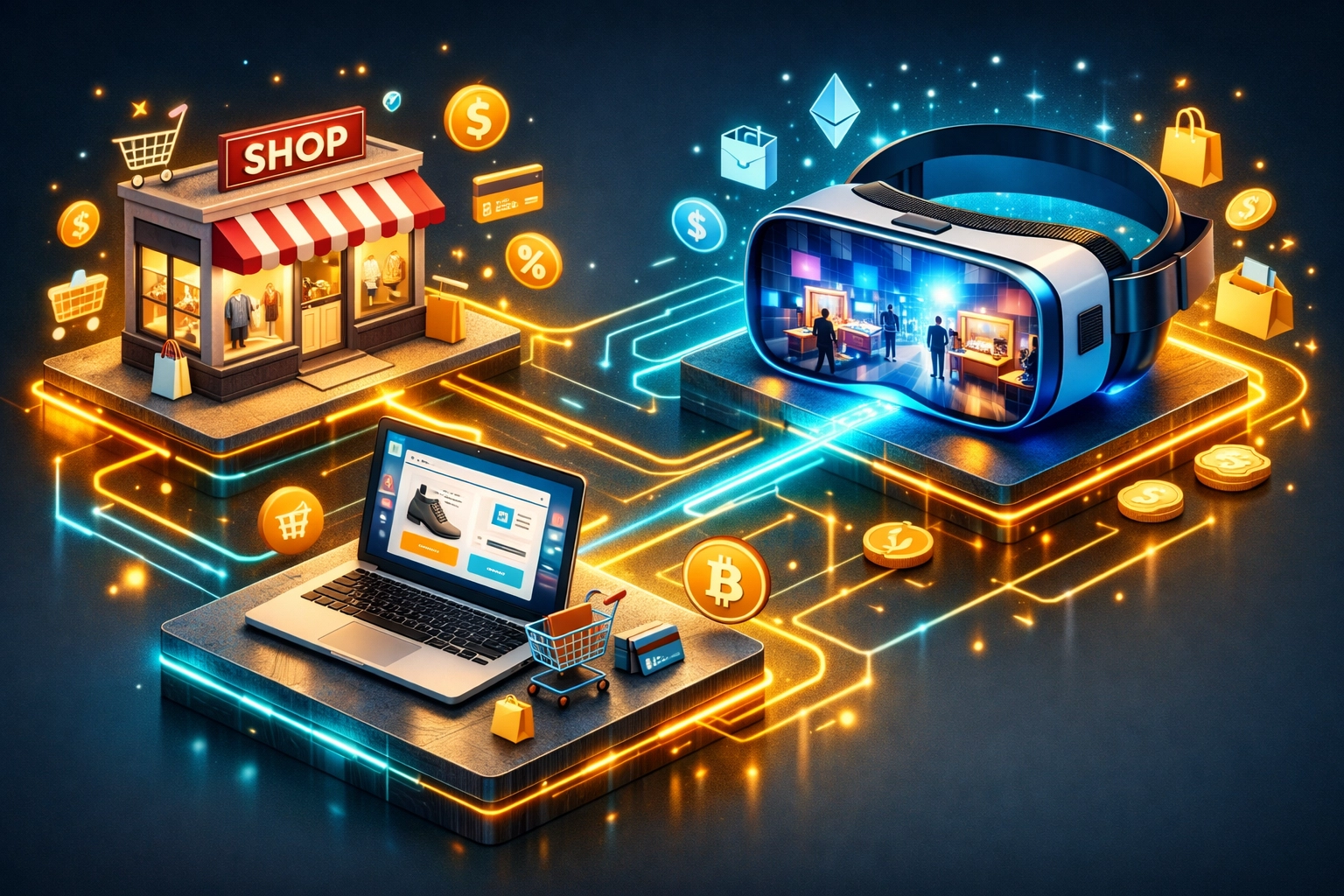
QR-generated POS terminals work across all channels. Generate a payment QR code that functions identically whether scanned in your physical store, on your website, or in your virtual showroom. One system. Universal functionality.
VR/AR Shopping Experience Integration
Metaverse shopping isn't just e-commerce with avatars.
Social shopping environments let customers browse together in real-time. Virtual fitting rooms. Shared shopping carts. Group purchasing decisions: all happening in immersive 3D spaces with instant crypto checkout.
Augmented reality try-before-buy. Customers visualize products in their physical space through AR before purchasing. Payment integration needs to support this hybrid physical-digital experience seamlessly.
Virtual product demonstrations happen live with real-time purchasing. Watch a product demo in VR. Ask questions. Complete checkout: all without leaving the immersive environment.
Payment infrastructure needs to support these experiences natively, not through clunky workarounds bolted onto traditional processors.
Compliance Infrastructure That Enables Scale
Here's what most people miss: Technical capability means nothing without compliance infrastructure.
Federal MSB registration provides nationwide legitimacy. You're not operating in regulatory gray area.
State-level MTL coverage across the U.S. means you can legally operate everywhere, not just in crypto-friendly states. Complete compliance infrastructure from day one.
This matters enormously for metaverse commerce. Virtual stores serve customers regardless of physical location. You need payment infrastructure with universal compliance coverage: not patchwork regional solutions.
NOWPayments and CoinPayments offer technical functionality. But regulatory coverage varies significantly by jurisdiction. That creates liability exposure that grows with transaction volume.

Market Reality Check
39% of US merchants already accept crypto. That's not early adopter territory anymore. That's mainstream adoption happening now.
84% expect crypto payments to become standard within five years. The question isn't whether metaverse commerce happens. It's whether your payment infrastructure is ready when it does.
90% of merchants would adopt crypto if setup matched card payment ease. The barrier isn't demand. It's infrastructure simplicity.
Traditional processors were built for a different era. Metaverse commerce requires purpose-built infrastructure designed specifically for immersive, cross-border, multi-channel retail.
Implementation Path Forward
Start with unified POS. Same system across physical, online, and virtual channels. QR-generated checkout that works identically everywhere.
Add NFT receipt functionality. Turn transactions into collectible digital assets customers actually want.
Integrate stablecoin settlement. Eliminate volatility exposure while maintaining crypto payment benefits.
Enable self-custody architecture. Instant settlement. No batch processing delays.
Layer on compliance infrastructure. Federal MSB registration plus state MTL coverage equals nationwide legitimacy.
The metaverse isn't replacing physical retail. It's expanding it into new dimensions. But only if your payment infrastructure supports commerce across all channels simultaneously.
Traditional processors handle transactions. Metaverse-native infrastructure handles experiences.
That difference determines whether you're positioned for the next decade of retail evolution: or stuck with payment rails built for the last one.
Ready to future-proof your payment infrastructure? Explore Larecoin's metaverse commerce solutions and see how B2B2C architecture transforms crypto acceptance across physical, digital, and virtual retail channels.
Comments