

.png)
Why the CLARITY Act Makes Larecoin the Smartest Commodity Play in Crypto Payments (And What It Means for Merchants)
- [[[Free!!]<<<<]] Watch: 스포르팅 - 토트넘 Live Stream 13 September 2022
- Feb 18
- 4 min read
![Writer: [[[Free!!]<<<<]] Watch: 스포르팅 - 토트넘 Live Stream 13 September 2022](https://lh3.googleusercontent.com/a/AItbvmktwQc0wCdd3ZEETSYItRQubwwBzOyjD_dcigRf=s96-c)
The CLARITY Act Just Changed Everything for Crypto Payments
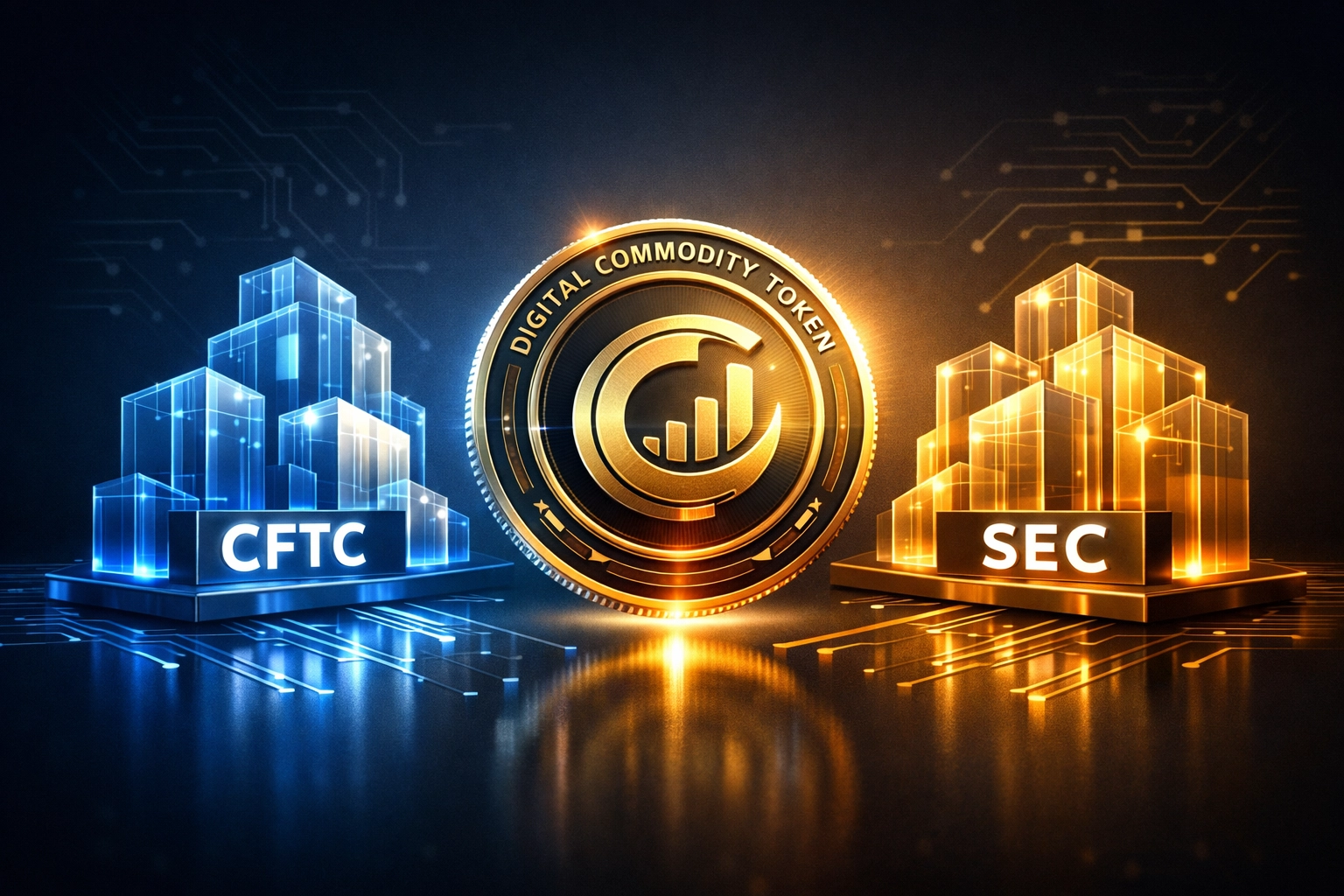
The CLARITY Act (H.R. 3633) passed. Digital assets now have a clear regulatory framework. The SEC handles securities. The CFTC handles commodities.
Larecoin qualifies as a digital commodity.
That's not marketing speak. That's regulatory classification based on decentralized governance and supply distribution.
Here's why this matters for every merchant considering crypto payments in 2026.
Commodity Status = Liquidity Explosion
Under the CLARITY Act, digital commodities bypass the restrictive securities regulations that choke innovation. No 20%+ control by a single entity. No centralized governance bottlenecks.
Larecoin's decentralized architecture meets the "mature blockchain test" outlined in H.R. 3633. CFTC oversight means:
Regulated exchanges can list LARE without SEC compliance nightmares
Institutional capital flows freely into commodity-classified assets
Payment processors face lower enforcement risk
Merchant adoption accelerates without regulatory gray zones
Compare this to payment tokens stuck in securities limbo. They face constant delisting threats. Compliance costs spiral. Institutional money stays away.
Larecoin operates in clear regulatory waters. That liquidity difference translates directly to merchant benefits.
What Merchants Actually Get: 50% Fee Savings and Real Utility
Legacy payment rails charge 2.5%-3.5% per transaction. Credit cards add chargeback risk. International transfers take 3-5 days and cost 5%-7%.
Larecoin cuts merchant fees to under 1%.
No intermediary banks. No currency conversion spreads. No cross-border delays.
The CLARITY Act's commodity classification means merchants using Larecoin don't navigate uncertain securities compliance. They process payments on a CFTC-regulated digital commodity with clear legal standing.
The LUSD Stablecoin Advantage
Merchants worried about crypto volatility? Larecoin's LUSD stablecoin solves that.
Pegged 1:1 to USD. Built on the same Layer 1 infrastructure. Instant settlement. Same sub-1% fees.
Under H.R. 3633, payment stablecoins follow bank-level prudential rules. LUSD compliance is baked into the protocol design. Merchants get price stability without sacrificing Web3 payment advantages.
NFT Receipts: Every Transaction is an Asset
This is where Larecoin separates from legacy crypto processors.
Every payment generates an NFT receipt. Immutable proof of purchase. Stored on LareBlocks. Accessible forever.
Why this matters:
Warranty tracking: No more lost receipts for returns or repairs
Loyalty programs: Receipts double as collectibles and rewards
Fraud prevention: Blockchain verification eliminates fake transactions
Tax compliance: Every business expense automatically documented
NOWPayments and CoinPayments process transactions. They don't turn transactions into verifiable digital assets. Larecoin does.
The CLARITY Act's regulatory clarity means these NFT receipts operate under defined commodity rules. Merchants don't worry about whether their receipt infrastructure violates securities laws.
LareBlocks Layer 1: Built Different
Most crypto payment processors run on Ethereum or other congested networks. High gas fees. Slow confirmation times. Scalability issues.
Larecoin built its own Layer 1. LareBlocks handles 10,000+ transactions per second. Sub-second finality. Gas fees measured in cents, not dollars.
Self-custody security is native.
Merchants control their own wallets. No third-party custodian risk. Private keys stay private. The CLARITY Act's commodity classification means merchants using self-custody don't face the compliance complexity that plagues securities-based custody solutions.
LareScan provides full blockchain transparency. Every transaction visible. Every fee verifiable. No hidden charges.

AI-Powered Metaverse Shopping Integration
Larecoin isn't just processing today's payments. It's building tomorrow's commerce infrastructure.
AI shopping assistants integrated into the ecosystem. Virtual storefronts in metaverse environments. Physical and digital commerce converge on a single payment rail.
Merchants accepting Larecoin automatically access:
Cross-reality payment processing: Same checkout flow in-store, online, and metaverse
AI-driven customer insights: Purchase patterns analyzed without compromising privacy
Dynamic pricing optimization: Smart contracts adjust offers based on demand
Inventory synchronization: Physical and digital products managed through one system
Legacy processors can't touch this. They're stuck processing 2D transactions on Web2 infrastructure.
How Larecoin Compares to NOWPayments and CoinPayments
Let's be specific about the competitive landscape.
NOWPayments
NOWPayments supports 200+ cryptocurrencies. Great for variety. Terrible for specialization.
They process payments. That's it.
No native Layer 1. No NFT receipt generation. No stablecoin integration. No metaverse infrastructure. Merchants get basic crypto payment acceptance without the ecosystem.
Fee comparison: NOWPayments charges 0.5%-1% plus network fees. Larecoin charges under 1% total: network fees included.
CoinPayments
CoinPayments offers multi-currency wallets and payment buttons. They've been around since 2013. Legacy platform with legacy thinking.
Security issues in the past. Centralized custody model. No regulatory clarity under CLARITY Act commodity classifications. They operate in the old framework.
Ecosystem comparison: CoinPayments processes payments. Larecoin processes payments AND generates NFT receipts AND provides stablecoin options AND offers metaverse integration AND runs on a purpose-built Layer 1.
It's not even close.
The Regulatory Safety Margin
Here's what keeps CFOs and compliance officers awake: regulatory uncertainty.
Accepting crypto payments in 2025 meant navigating contradictory guidance from SEC, CFTC, FinCEN, and state regulators. One wrong move triggers an enforcement action.
The CLARITY Act eliminates that risk for commodity-based systems.
Larecoin's digital commodity classification provides:
Clear CFTC oversight framework
Defined compliance pathways
Reduced enforcement exposure
Institutional confidence
Merchants using Larecoin operate under established commodity regulations. Not experimental securities rules. Not undefined "crypto asset" categories.
This regulatory clarity accelerates enterprise adoption. Legal teams can approve Larecoin integration without months of analysis.
Why 2026 Is the Inflection Point
Three forces converge right now:
CLARITY Act regulatory framework active
Institutional capital entering commodity-classified crypto
Consumer demand for Web3 payment options hitting mainstream
Merchants who integrate Larecoin in 2026 capture first-mover advantage. Lower fees. Better customer experience. Regulatory compliance baked in.
Merchants who wait face higher integration costs as competitors already process on superior rails.
The commodity classification isn't theoretical. It's operational. Markets are responding. Liquidity is flowing.
The Bottom Line for Merchants
Legacy payment processors charge 2.5%-3.5%. They offer no asset generation. No metaverse readiness. No regulatory clarity under digital commodity frameworks.
Crypto payment processors like NOWPayments and CoinPayments offer basic cryptocurrency acceptance. No ecosystem. No Layer 1 infrastructure. No commodity classification advantages.
Larecoin offers 50% fee savings, NFT receipt generation, LUSD stablecoin stability, LareBlocks Layer 1 performance, and CLARITY Act commodity regulatory clarity.
That's not a marginal improvement. That's a fundamental infrastructure advantage.
Want to explore how Larecoin integration works for your business? Check out our merchant solutions and see the difference a purpose-built Web3 payment ecosystem makes.
The CLARITY Act created the regulatory framework. Larecoin built the technology. Merchants who combine both win.
Comments