

.png)
15 Metaverse Shopping Features to Future-Proof Your Small Business in 2026
- [[[Free!!]<<<<]] Watch: 스포르팅 - 토트넘 Live Stream 13 September 2022
- 2 days ago
- 4 min read
The metaverse isn't coming. It's here.
Small businesses that adapt now will dominate. Those that don't? They'll watch their competitors capture the next generation of shoppers.
2026 is the year virtual commerce goes mainstream. Your customers want immersive experiences. They want seamless payments. They want to shop on their terms.
Here are 15 metaverse shopping features that will separate the winners from the rest.
Immersive Customer Experiences
1. Virtual Try-On Technology
No more guessing. Customers try products virtually before buying.
Fashion. Beauty. Accessories. Everything becomes interactive. Return rates drop. Customer confidence skyrockets.
This isn't gimmicky tech anymore. It's a conversion machine.
2. 3D Product Visualization
Let customers rotate, zoom, and inspect every angle.
Furniture sellers especially benefit here. Customers visualize that couch in their living room before clicking "buy." Electronics brands showcase internal components. Home goods become tangible from 3,000 miles away.
3. Immersive Virtual Storefronts
Forget flat product pages.
Build a 3D store your customers actually want to explore. Data shows visitors spend 3x longer in immersive environments versus traditional e-commerce. More time equals more sales.
4. AR Placement Tools
Augmented reality bridges digital and physical.
Your customer points their phone at their bedroom. Your product appears in real-time. They see exactly how it fits. No imagination required.
This eliminates the biggest barrier to online furniture and decor sales.
5. Interactive Product Demonstrations
Show, don't tell.
Let customers interact with your product virtually. Press buttons. Open doors. Test features. This builds confidence and slashes support tickets.
Social Commerce & AI Integration
6. Social Shopping Environments
Shopping was always social. The metaverse brings that back.
Friends shop together virtually. Influencers guide followers through curated collections. Real-time recommendations happen naturally.
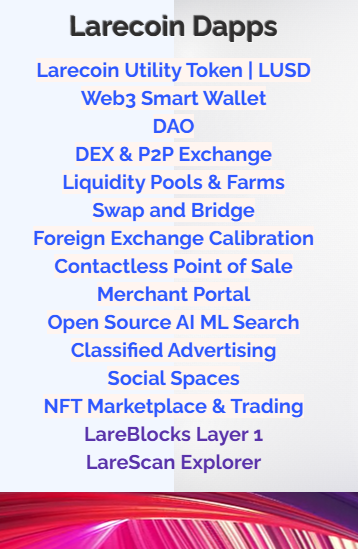
Larecoin's B2B2C metaverse enables exactly this. Social spaces where communities gather, discover, and buy together. Explore the ecosystem to see what's possible.
7. AI-Powered Personalization
Every customer gets their own experience.
AI tracks preferences, purchase history, and browsing behavior. Product recommendations become eerily accurate. Conversion rates climb.
Your virtual store adapts in real-time to each visitor.
8. Avatar-Based Shopping Assistance
Virtual salespeople never sleep.
Deploy AI-powered avatars that guide customers through your store. Answer questions instantly. Upsell naturally. Provide 24/7 support without 24/7 payroll.
9. Virtual Influencer Partnerships
Human influencers have scheduling conflicts. Virtual ones don't.
Create branded virtual ambassadors or partner with established virtual influencers. They integrate directly into your shopping experience. Always on-brand. Always available.
Payment Infrastructure That Actually Works
Here's where most metaverse strategies fall apart. Beautiful virtual experiences with clunky, expensive payment systems.
Not anymore.

10. Multi-Channel Payment Systems with Master/Sub-Wallets
Managing payments across physical stores, online shops, and virtual locations is a nightmare with legacy systems.
Larecoin's master/sub-wallet architecture changes everything. One dashboard. Complete visibility. Perfect reconciliation.
Compare that to NOWPayments or CoinPayments: basic payment processing without the infrastructure for multi-location businesses. Triple-A offers decent enterprise features but lacks the metaverse-native integration small businesses need in 2026.
Self-custody means your funds stay yours. No intermediary holding your revenue hostage.
11. QR-Generated Crypto POS
Your crypto POS should work everywhere. Physical pop-up shops. Virtual storefronts. Hybrid events.
Larecoin's QR-generated POS system deploys in seconds. Customers scan. They pay. Done.
The fee savings alone justify the switch. Traditional interchange fees eat 2.5-3.5% of every transaction. Crypto POS with gas-only transfers cuts that by more than 50%. That's money back in your pocket: not flowing to payment processors.
12. Blockchain-Secured Transactions with NFT Receipts
Every transaction creates a permanent, verifiable record.
But Larecoin goes further. NFT receipts turn every purchase into a digital asset. Customers keep proof of purchase forever. Warranty claims become instant. Returns get verified in seconds.
No more "I can't find my receipt." The blockchain remembers.
13. LUSD Stablecoin Integration
Crypto volatility scares merchants. Understandable.
LUSD solves this. A stablecoin that maintains value while delivering all the benefits of blockchain payments. Instant settlement. Minimal fees. Complete transparency.
Your customers pay in crypto. You receive stable value. Everyone wins.
Expanding Your Reach
14. Virtual Real Estate for Borderless Commerce
Physical stores have geographic limits. Virtual stores don't.
Purchase or lease digital land in metaverse platforms. Establish your brand presence without construction costs, maintenance headaches, or lease negotiations.
A small business in Ohio can now serve customers in Tokyo, London, and São Paulo: simultaneously.
15. Digital Goods and NFT Product Lines
Create entirely new revenue streams.
Sell virtual goods alongside physical products. Avatar clothing. Digital collectibles. NFT-based loyalty rewards.
The margins on digital products approach 100%. No inventory. No shipping. Pure profit.
Compliance & Trust: The Foundation
Innovative payment systems mean nothing without regulatory compliance.
This is where many crypto payment providers fail small businesses. They operate in gray areas. They leave merchants exposed.
Larecoin operates differently. Federal MSB registration. State-level MTL compliance across the U.S. Your business stays protected. Your customers stay confident.
MTL compliance isn't sexy. It's essential. Especially as regulators increase scrutiny on metaverse commerce.
When comparing payment providers, ask about their licensing status. NOWPayments and CoinPayments often leave compliance questions unanswered. That's a risk your business shouldn't take.
Implementation Strategy
Don't try to deploy all 15 features at once.
Start here:
Week 1-2: Integrate crypto POS with LUSD support
Week 3-4: Enable NFT receipts for all transactions
Month 2: Launch basic 3D product visualization
Month 3: Deploy virtual storefront pilot
Month 4+: Add social shopping and AI personalization
Test each feature. Gather feedback. Iterate.
The businesses winning in metaverse shopping aren't the ones with the most features. They're the ones with the best-executed features.
The Bottom Line
Metaverse shopping isn't a gimmick. It's the next evolution of commerce.
Small businesses have a rare advantage here. You're nimble. You can implement faster than enterprise competitors. You can experiment without corporate bureaucracy.
The 15 features above give you a roadmap. Virtual try-ons and 3D visualization create engagement. Social shopping and AI personalization drive conversion. Modern payment infrastructure with self-custody, gas-only transfers, and NFT receipts maximize your margins.
And MTL compliance keeps you protected as you scale.
The future of retail happens in virtual spaces. The question isn't whether to participate: it's how fast you can get there.