

.png)
7 Mistakes Merchants Make with Crypto Payments (And How Self-Custody Merchant Accounts Fix Them)
- [[[Free!!]<<<<]] Watch: 스포르팅 - 토트넘 Live Stream 13 September 2022
- 2 hours ago
- 5 min read
![Writer: [[[Free!!]<<<<]] Watch: 스포르팅 - 토트넘 Live Stream 13 September 2022](https://lh3.googleusercontent.com/a/AItbvmktwQc0wCdd3ZEETSYItRQubwwBzOyjD_dcigRf=s96-c)
Crypto payments sound great in theory. Lower fees. Global reach. Instant settlement.
But the reality? Most merchants get burned by hidden costs, custody risks, and clunky integrations that frustrate customers and drain profits.
The problem isn't crypto itself. It's how traditional payment processors force merchants into custodial arrangements that strip away Web3's core benefits.
Let's break down the seven biggest mistakes merchants make: and how self-custody merchant accounts like Larecoin actually solve them.
Mistake #1: Accepting Hidden Fee Structures
You see a 1% processing fee and think you're winning.
Then reality hits.
Most crypto payment processors stack fees like a game of Jenga. You've got your base processing fee (0.5-1.5%), network fees that vary by the hour, withdrawal fees ($5-25 per transaction), and currency exchange spreads (another 1-2%).
The Real Cost: A "$1% fee" can easily become 4-5% after all the extras.
The Self-Custody Fix:
Larecoin uses a gas-only transfer model. You pay actual network costs: nothing more. No conversion fees. No withdrawal fees. No hidden spreads.
Direct wallet-to-wallet transfers mean you keep more of what you earn. For high-volume merchants, fee savings compound fast. We're talking thousands saved monthly compared to platforms like NOWPayments or CoinPayments that bundle fees into opaque pricing tiers.

Mistake #2: Creating Terrible Checkout Experiences
Your customer clicks "Pay with Crypto." Then waits. And waits.
Failed QR scans. Wallet connection timeouts. Ten-minute confirmation periods.
By the time the payment processes, your customer's already shopping elsewhere.
The Real Cost: Abandoned carts. Lost revenue. Frustrated customers who never come back.
The Self-Custody Fix:
Larecoin's Web3-native checkout connects wallets in under three seconds. Instant settlement confirmation. No middleware delays.
Plus, customers can pay with multiple tokens: LARE, LUSD (our stablecoin), or other supported assets. The flexibility keeps checkout friction low while maintaining security.
Want proof of payment? Every transaction generates an NFT receipt. Immutable. Transparent. Perfect for accounting and customer service.
Mistake #3: Getting Locked into Inflexible Contracts
Annual contracts. Early termination penalties. Rate increases after promotional periods expire.
Most crypto payment processors trap you in long-term deals that look great until month 13 when your fees double.
The Real Cost: You're stuck paying above-market rates while competitors access better pricing.
The Self-Custody Fix:
Larecoin operates on transparent, month-to-month terms. No contracts. No cancellation fees.
Your merchant account remains yours. You control the wallet. You decide when and how to cash out.
This isn't a relationship where the processor holds leverage. You hold your keys. You hold your funds. You hold the power.

Mistake #4: Trusting Custody to Third-Party Exchanges
Here's the worst mistake: routing payments through exchanges like Coinbase or Binance.
When you use custodial processors, your revenue sits on someone else's balance sheet. If that exchange gets hacked, faces regulatory enforcement, or simply freezes accounts during "maintenance," your money disappears.
The Real Cost: Counterparty risk. Frozen funds. Permanent loss if the exchange collapses.
The Self-Custody Fix:
Larecoin sends payments directly to your wallet. No intermediaries. No exchange custody.
You control your private keys. Your revenue hits your address immediately. No waiting for batch settlements. No risk that someone else's security failure costs you everything.
This is actual Web3 architecture: peer-to-peer, censorship-resistant, and built for financial sovereignty.
Compare that to NOWPayments, which holds funds in their custodial system before forwarding them. Or CoinPayments, which requires you trust their hot wallet infrastructure.
Self-custody isn't just safer. It's the entire point of crypto.
Mistake #5: Ignoring Accounting and Compliance Complexity
Tax season hits and you're drowning in CSV exports with zero context.
Which transaction was a refund? Which customer paid in USDC versus ETH? How do you reconcile gas fees across 47 different payments?
Traditional processors dump raw data and leave you to figure it out.
The Real Cost: Higher accounting fees. Audit nightmares. Regulatory uncertainty that keeps you up at night.
The Self-Custody Fix:
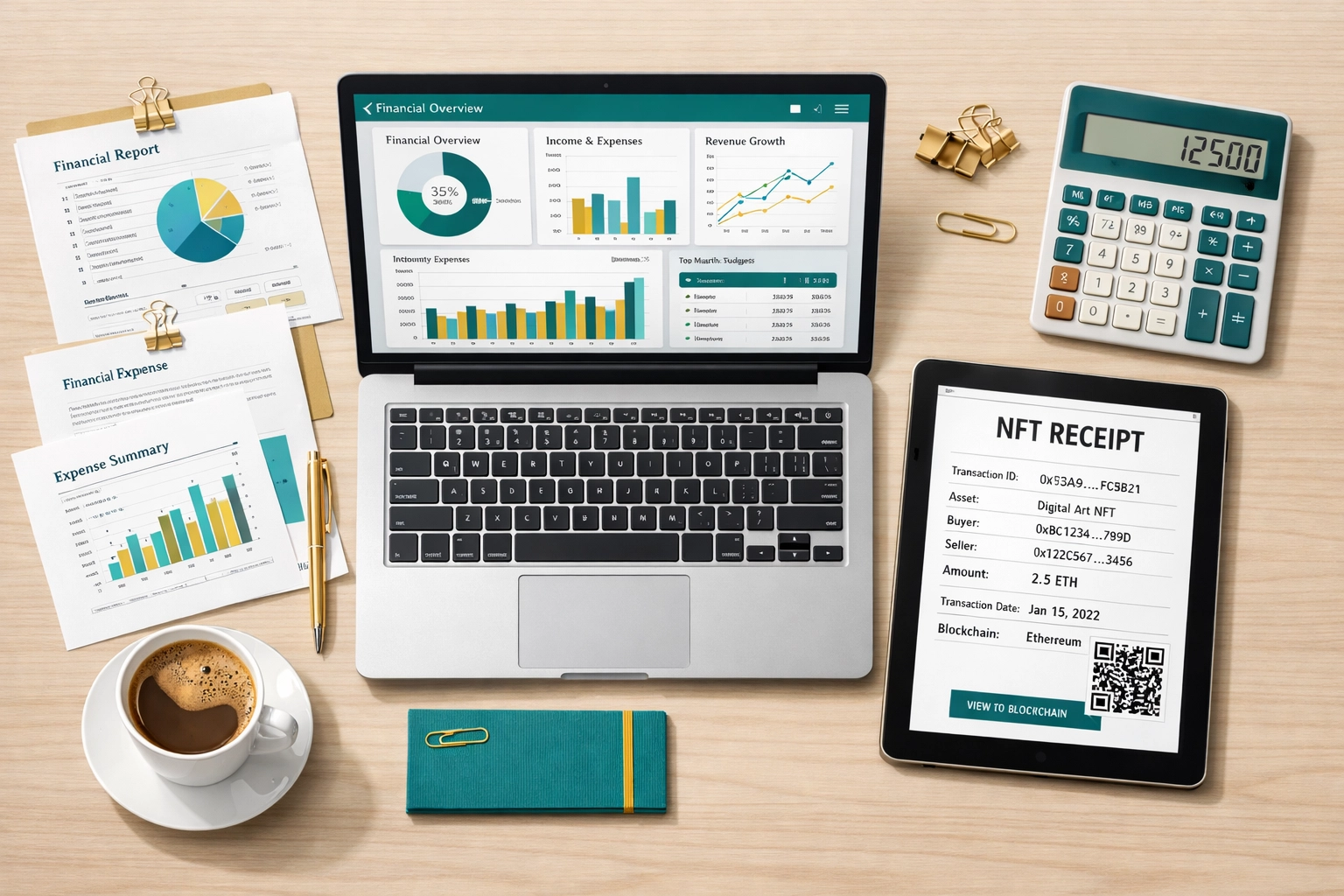
Larecoin automatically generates detailed transaction metadata with every payment. NFT receipts include timestamps, payment amounts, customer wallet addresses, and token types.
Export reports formatted for QuickBooks or Xero. Track everything on-chain via our LareScan explorer.
On the compliance side, Larecoin operates under strict US regulations: registered as an MSB with state-by-state MTL licensing strategy. We're not hiding offshore or playing regulatory games.
Your merchant account meets FinCEN standards from day one. That's peace of mind competitors can't offer.
Mistake #6: Misunderstanding Liability and Chargeback Risks
Crypto transactions are irreversible. Customer sends payment to wrong address? It's gone forever.
Unlike credit cards where banks handle disputes, crypto puts the burden squarely on merchants.
Most processors offer zero support. You absorb all customer service costs, liability risks, and lost merchandise.
The Real Cost: Chargebacks you can't reverse. Customer disputes you can't win. No framework for who's responsible when things break.
The Self-Custody Fix:
Larecoin's smart contract architecture includes payment verification before funds release. Our merchant portal shows real-time payment status with instant alerts.
NFT receipts provide immutable proof of payment. Customers can't claim they never sent funds when blockchain evidence proves otherwise.
For refunds, the push-to-card feature lets you send fiat directly back to customer cards: combining crypto's speed with traditional payment familiarity.
We're also building dispute resolution features into our DAO governance model. Community-driven frameworks for handling edge cases, with token holders voting on protocols.
Mistake #7: Limiting Token Support and Processor Options
Most crypto payment processors support 5-10 popular tokens. That's it.
You either accept their limited selection or miss out on customers who want to pay with newer assets.
Worse, many merchants pick processors based on flashy marketing instead of actual features: then realize too late they chose wrong.
The Real Cost: Missed sales. Higher fees. Operational inefficiencies from subpar tools.
The Self-Custody Fix:
Larecoin supports multi-token payments across the Solana ecosystem. LARE for loyalty rewards. LUSD for stablecoin settlements. Other SPL tokens as adoption grows.
Why Solana? Transaction speeds under one second. Fees measured in fractions of a cent. Scalability that Ethereum can't match.
Plus, our merchant portal integrates with existing e-commerce platforms. WooCommerce. Shopify. Custom APIs for enterprise solutions.
Need flexibility? Use our FX calibration tools to automatically convert crypto to stablecoins or fiat at optimal rates.

Why Self-Custody Merchant Accounts Are the Future
Traditional payment processors treat crypto like another payment rail to extract fees from.
Self-custody flips that model.
You own your infrastructure. Control your funds. Decide your settlement timing.
Larecoin builds on this foundation with features that actually solve merchant problems:
Fee transparency: Gas-only pricing means you know exact costs upfront
LUSD stability: Accept payments in stablecoin format to avoid volatility risk
NFT receipts: Immutable proof of every transaction for accounting and compliance
US regulatory compliance: MSB registration plus state MTL strategy for legitimate operations
Direct wallet transfers: Peer-to-peer settlement without custodial intermediaries
Compare that to platforms like NOWPayments (custodial model with hidden fees) or CoinPayments (complex pricing tiers and limited token support).
The choice becomes obvious.
Getting Started with Larecoin
Setting up a self-custody merchant account takes less than 10 minutes.
Create your Larecoin wallet
Configure payment settings in the merchant portal
Integrate checkout into your site
Start accepting crypto with full custody control
No contracts. No setup fees. No custodial risk.
Your wallet. Your keys. Your revenue.
The Bottom Line
Crypto payments work when you eliminate the middlemen trying to recreate traditional finance.
Self-custody merchant accounts give you what Web3 promised: lower fees, instant settlement, and complete financial control.
Stop making these seven mistakes. Start accepting payments the way blockchain intended.
Ready to take control?Set up your Larecoin merchant account and join the smartest merchants already saving on fees while building Web3-native businesses.
Have questions about self-custody payments? Join our community and connect with merchants already making the switch.
Comments