

.png)
Why the CLARITY Act Makes AI-Powered Metaverse Shopping Legal (And How Larecoin's B2B2C Platform Benefits from Commodity Classification)
- [[[Free!!]<<<<]] Watch: 스포르팅 - 토트넘 Live Stream 13 September 2022
- 2 hours ago
- 5 min read
![Writer: [[[Free!!]<<<<]] Watch: 스포르팅 - 토트넘 Live Stream 13 September 2022](https://lh3.googleusercontent.com/a/AItbvmktwQc0wCdd3ZEETSYItRQubwwBzOyjD_dcigRf=s96-c)
The Regulatory Green Light Merchants Have Been Waiting For
The CLARITY Act just changed the game for crypto payments.
No more regulatory gray zones. No more waiting for SEC approval letters. No more wondering if your metaverse shopping platform might get shut down tomorrow.
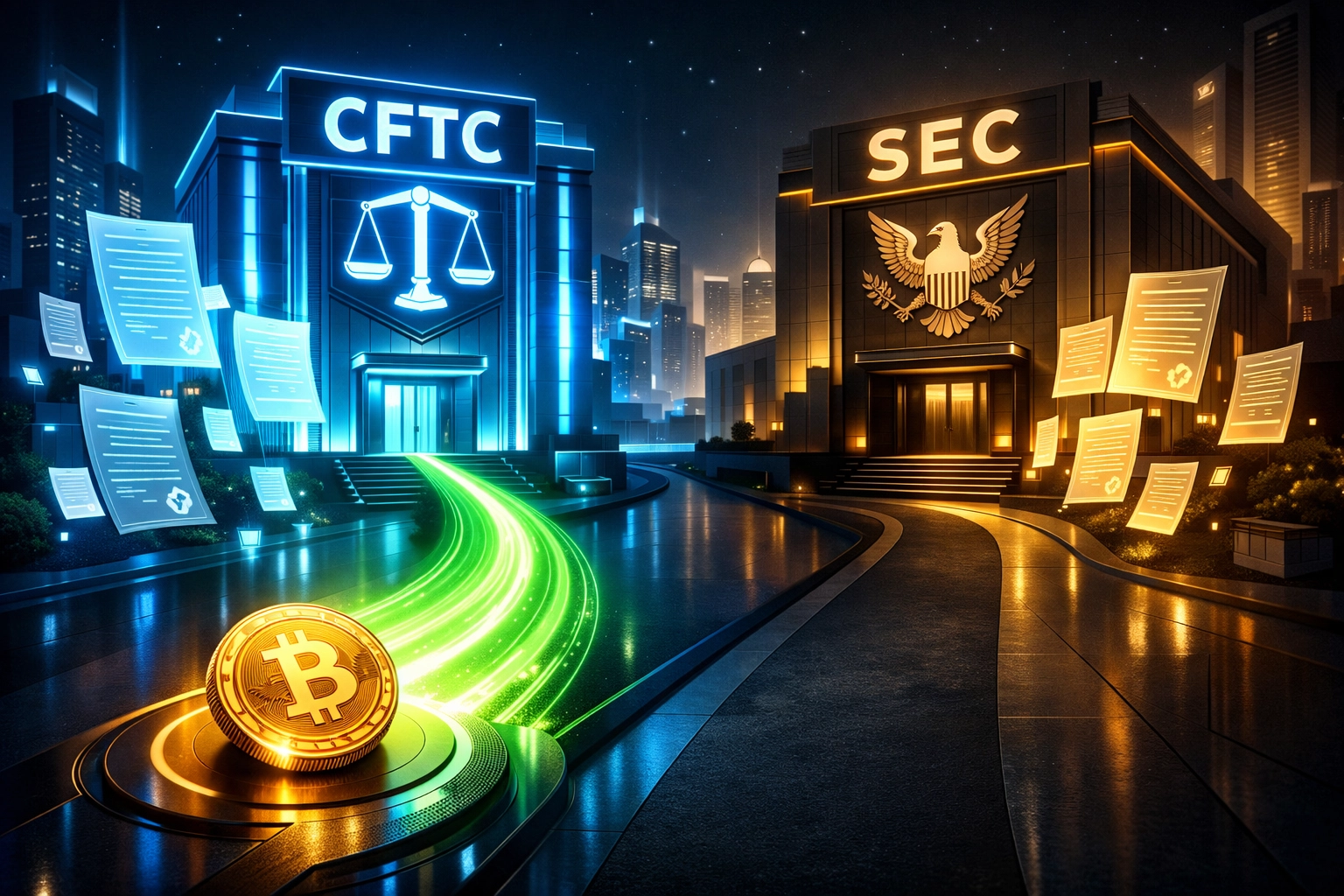
H.R. 3633 classifies digital commodities like Larecoin under CFTC jurisdiction: not the SEC.
That's huge.
Why? Because CFTC oversight focuses on anti-fraud and anti-manipulation. Not securities registration. Not prospectus requirements. Not the bureaucratic maze that killed payment innovation for years.
Three-Tier Framework: Where Larecoin Fits
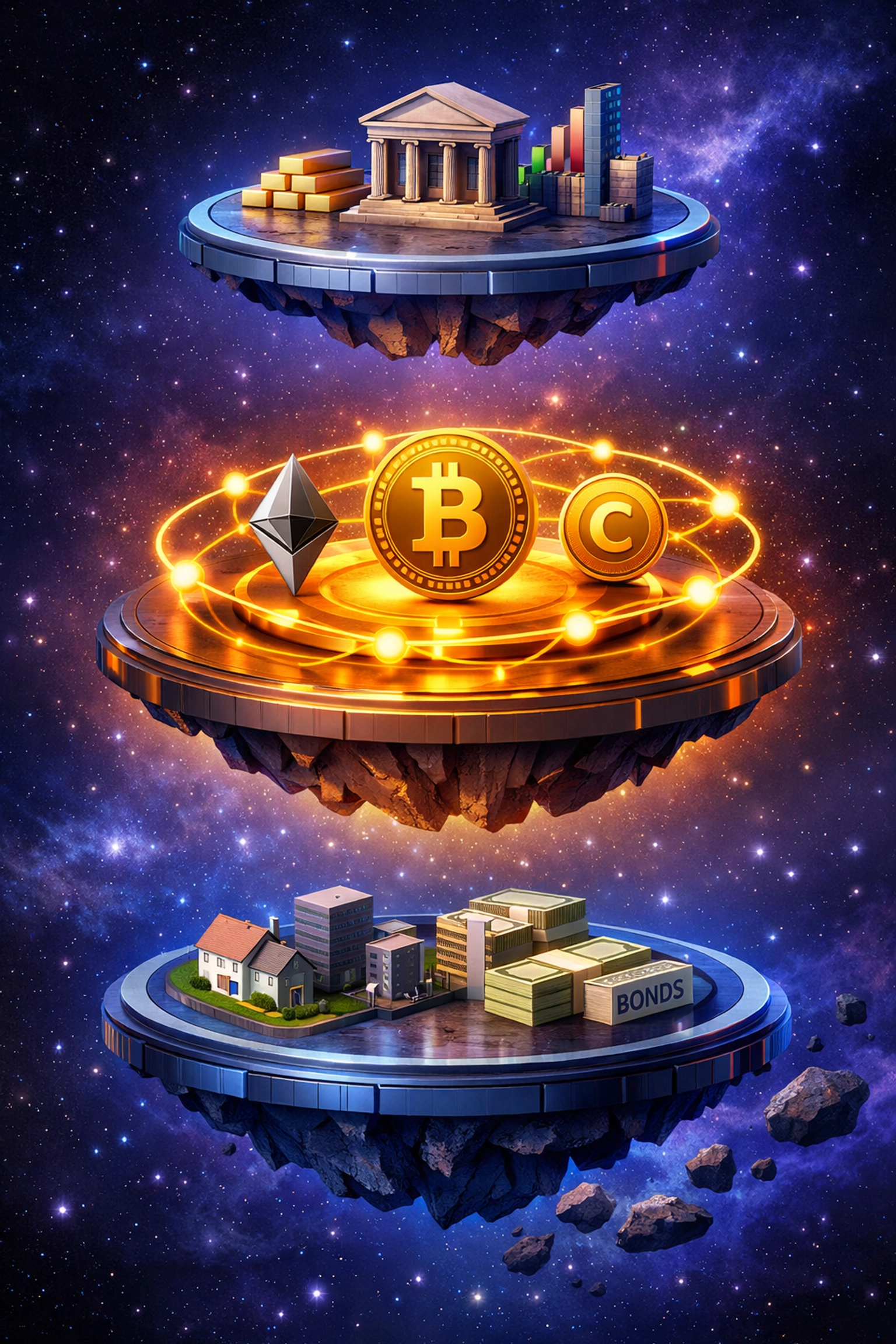
The CLARITY Act creates three distinct categories for digital assets.
Digital commodities are assets "intrinsically linked to a blockchain system." Their value derives from blockchain use: not from investment contracts or centralized promises.
Larecoin qualifies as a digital commodity. Bitcoin and Ethereum do too.
This classification explicitly excludes these assets from federal securities law definitions. Translation: Payment platforms can operate without navigating securities regulations designed for stock offerings.
For B2B2C payment ecosystems, this matters more than any technical upgrade.
Why Commodity Status Unlocks Metaverse Commerce
Here's what commodity classification enables:
Instant Settlement Without Securities Risk Merchants can accept Larecoin payments without worrying about inadvertently offering unregistered securities. That legal certainty didn't exist before.
AI Shopping Assistants That Actually Work When your payment rail isn't stuck in regulatory limbo, you can build AI-powered shopping experiences across physical stores, online checkouts, AND metaverse environments.
Larecoin's platform does exactly that.
NFT Receipts as Legal Proof of Purchase Under the CLARITY framework, NFT receipts aren't securities: they're transaction records. Merchants can issue them freely. Customers can trade or collect them without compliance nightmares.
Cross-Border Payments Without Banking Partnerships Digital commodity status means payment processors don't need banking licenses to move value across borders. Larecoin settles internationally without legacy banking infrastructure.

Larecoin's B2B2C Platform: Built for the CLARITY Era
Most crypto payment processors built their platforms under SEC uncertainty.
Larecoin built differently.
Our B2B2C architecture assumes commodity classification from day one:
Business-to-Business Layer
Merchants integrate via API. Set up master wallets. Configure sub-wallets for different product lines or locations. All without touching fiat banking infrastructure.
Business-to-Consumer Layer
Customers shop across three environments: in-store, online, and metaverse.
One unified payment experience. One loyalty system. One set of NFT receipts.
The Metaverse Advantage
Traditional processors like NOWPayments and CoinPayments can't operate in metaverse environments. Their legacy architecture doesn't support spatial commerce.
Larecoin's platform integrates directly with metaverse platforms. AI shopping assistants guide customers through virtual stores. Payments settle instantly using LareBlocks Layer 1 infrastructure.
Merchant Tools That Leverage Commodity Status
The CLARITY Act doesn't just make payments legal: it enables entirely new merchant capabilities:
Master/Sub-Wallet Architecture Create unlimited sub-wallets under one master account. Perfect for franchise operations, multi-location businesses, or marketplace platforms.
Compliance? Built-in. Each sub-wallet maintains independent transaction records while rolling up to master-level reporting.
NFT Receipt System Issue NFT receipts for every transaction. Customers can verify authenticity, track purchase history, or resell items with provable provenance.
Under commodity rules, these NFTs are transaction records: not investment contracts. Zero securities risk.
LUSD Stablecoin Integration Price volatility kills crypto adoption for everyday purchases.
Larecoin's LUSD stablecoin solves this. Merchants can accept payments in LUSD for predictable revenue. Customers can spend without worrying about price swings between checkout and confirmation.
Push-to-Card Services Convert crypto to fiat instantly. Push settled funds directly to debit cards. No bank account required. No 3-5 day settlement windows.
This wasn't legally viable under SEC uncertainty. CFTC commodity classification makes it standard.
Fee Structure Comparison: Why Merchants Switch
Let's talk numbers.
Traditional Credit Card Processing: 2.9% + $0.30 per transaction (plus chargeback fees, PCI compliance costs, and monthly gateway fees)
NOWPayments: 0.5% transaction fee (but limited to online checkout, no metaverse support, no AI shopping assistants)
CoinPayments: 0.5% transaction fee (similar limitations, plus clunky UX that confuses customers)
Triple-A: 1% transaction fee (slightly better UX, but still siloed from metaverse commerce)
Larecoin: 0.5% transaction fee PLUS:
AI-powered shopping across physical, digital, and metaverse channels
NFT receipt system included
Master/sub-wallet architecture
LUSD stablecoin stability
Push-to-card instant settlement
LareBlocks Layer 1 for gas-only transfers
1.5% social impact tax automatically donated to charity
That last point matters. Merchants don't just save money: they participate in social impact by default.
Traditional processors can't match this. They're built for legacy payment rails. Larecoin's built for commodity-classified digital payments from the ground up.
LareBlocks Layer 1: The Infrastructure Advantage
Commodity classification is meaningless without infrastructure to support it.
LareBlocks provides that foundation.
Our Layer 1 blockchain handles settlement, transaction validation, and gas fee optimization. LareScan provides real-time transparency: every transaction viewable on-chain.
Unlike platforms built on Ethereum or other congested networks, LareBlocks processes payments without crippling gas fees. Merchants pay predictable costs. Customers get instant confirmation.
This infrastructure advantage compounds when you're operating across three commerce channels simultaneously.

AI Shopping Assistants: The Metaverse Commerce Killer App
Here's where commodity classification gets interesting.
With legal clarity, Larecoin can deploy AI shopping assistants that operate across all three commerce environments:
In Physical Stores Customer walks in. AI assistant recognizes their wallet. Suggests products based on purchase history. Enables contactless checkout via Larecoin payment.
Online Checkout AI assistant pre-fills payment details. Recommends complementary products. Applies loyalty rewards automatically. Issues NFT receipt upon completion.
Metaverse Environments AI assistant guides avatar through virtual storefronts. Demonstrates products in 3D. Facilitates instant checkout without leaving the metaverse experience.
This unified shopping experience wasn't possible under securities law uncertainty. CLARITY Act commodity status makes it standard.
Social Impact Built Into Every Transaction
Most payment processors charge fees and disappear.
Larecoin operates differently.
1.5% of every transaction goes to charity. Automatically. Transparently. On-chain.
Merchants don't configure this: it's built into the protocol. Customers don't pay extra: it's extracted from the transaction fee.
Over time, this creates meaningful impact. Thousands of transactions become thousands of dollars directed toward causes that matter.
Traditional payment processors can't do this. Their fee structures are pure profit extraction. Larecoin's commodity status allows us to embed social impact directly into the payment layer.
What This Means for 2026 and Beyond
The CLARITY Act passed. Commodity classification is law.
Early adopters win.
Merchants integrating Larecoin's B2B2C platform now gain first-mover advantage in:
Metaverse commerce (while competitors figure out legal compliance)
AI-powered shopping experiences (without securities law restrictions)
NFT receipt systems (as customer expectations evolve)
Cross-border payments (without banking partnerships)
By 2027, these capabilities become table stakes. Right now, they're differentiators.
The question isn't whether crypto payments will replace credit cards. The question is which commodity-classified platform merchants choose to integrate.
Larecoin's answer: The one that works across every commerce channel, costs 50% less than legacy processors, and creates social impact by default.
Ready to Integrate?
CLARITY Act compliance? Done. Commodity classification? Built-in. B2B2C infrastructure? Live.
Check out our merchant integration guide to see how fast you can start accepting payments across physical, digital, and metaverse channels.
Or explore our ecosystem roadmap to understand where payment innovation is heading.
The regulatory green light is here. The infrastructure is live. The only question left is whether you're building on it.
Comments