

.png)
7 Mistakes Small Businesses Make With Crypto Payments (And How LareBlocks Infrastructure Fixes Them)
- [[[Free!!]<<<<]] Watch: 스포르팅 - 토트넘 Live Stream 13 September 2022
- Feb 10
- 5 min read
![Writer: [[[Free!!]<<<<]] Watch: 스포르팅 - 토트넘 Live Stream 13 September 2022](https://lh3.googleusercontent.com/a/AItbvmktwQc0wCdd3ZEETSYItRQubwwBzOyjD_dcigRf=s96-c)
Small businesses jump into crypto payments with high hopes.
Then reality hits.
Traditional payment processors charge 2.9% plus fees. Crypto should be cheaper, right? Not when you're using legacy infrastructure designed for Web2 thinking. Most merchants discover the hard way that accepting crypto isn't just about adding a payment button to your checkout page.
The numbers tell the story. Over half of finance teams at crypto-accepting businesses report reconciliation issues within their first year. Conversion rates drop 20-40% when checkout flows confuse customers. And crypto-related operational losses? More than one-fifth come from basic mistakes: not sophisticated hacks.
Here's the real problem: most payment processors treat crypto like it's just another credit card. It's not. The blockchain operates differently. Customer expectations clash with network realities. And traditional solutions create more problems than they solve.
LareBlocks infrastructure was built from the ground up to fix these exact issues. Layer 1 blockchain. LUSD stablecoin. NFT receipts. Master/Sub-wallet architecture. Every component designed specifically for merchants who need crypto payments that actually work.
Let's break down the seven biggest mistakes: and how to avoid them.
Mistake #1: Treating Crypto Like Card Payments
Bitcoin confirmations take 10-60 minutes during network congestion. Customers expect instant approvals. That gap kills conversions.
Traditional crypto processors make you wait. One confirmation. Three confirmations. Six confirmations. Meanwhile, your customer is staring at a loading screen wondering if their payment went through. Cart abandonment skyrockets.
The LareBlocks Fix:
Layer 1 infrastructure means fast finality. No waiting for external networks to confirm. Transactions settle in seconds, not minutes. LUSD stablecoin transactions? Even faster. Your customer sees confirmation immediately. Your accounting system gets instant notification.
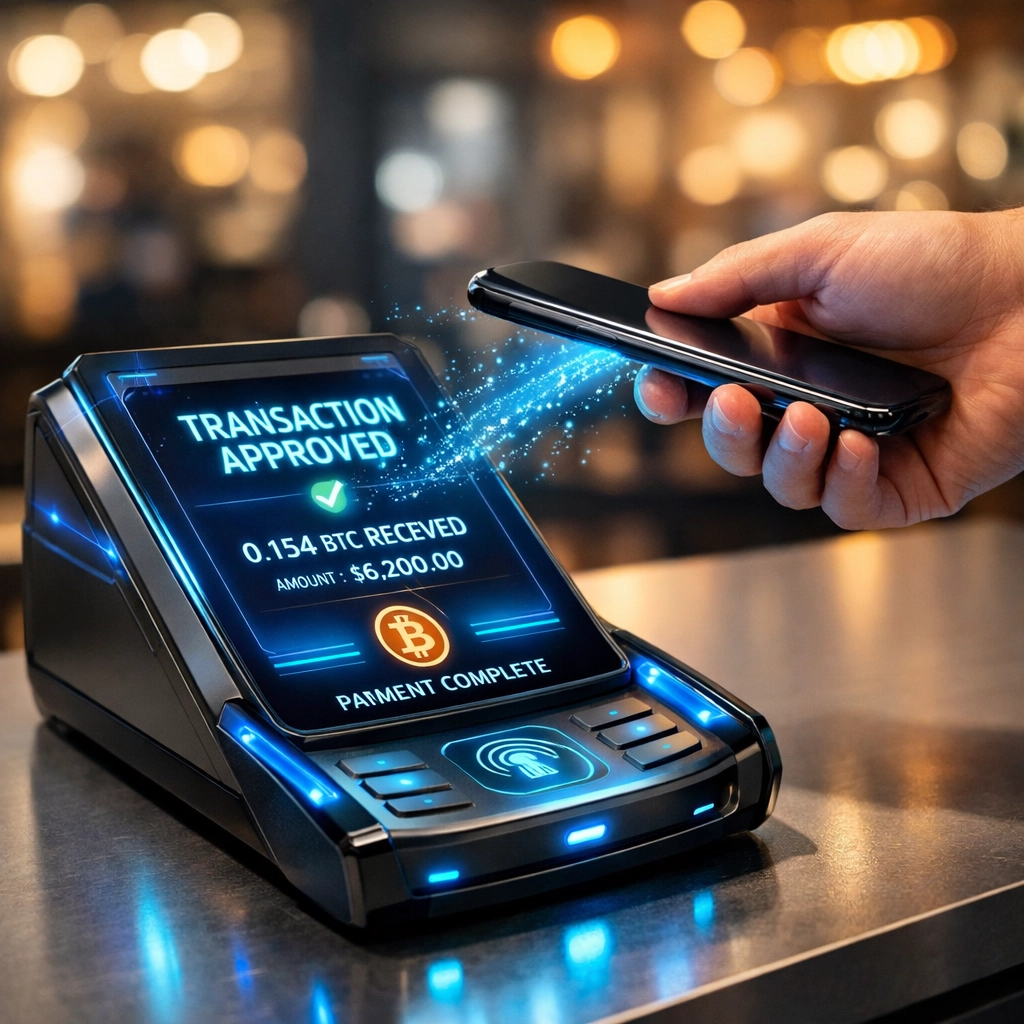
Push-to-Card services take it further. Accept crypto, convert to fiat, deposit to your business card: all automated. The blockchain speed you need with the banking integration you want.
Mistake #2: Ignoring Price Volatility
Bitcoin swings 2-4% daily. Smaller assets? Over 10% intraday moves are normal.
Your customer pays $500 in crypto Tuesday morning. By Friday, that's worth $465. Or $535. Your accounting team loses their mind trying to reconcile revenue. A 3% swing on $500,000 monthly volume creates $15,000 gaps in your books.
Most merchants discover this during their first quarterly review. Not fun.
The LareBlocks Fix:
LUSD stablecoin eliminates volatility risk. Pegged 1:1. No price swings. What comes in is what you get. Invoice $1,000? Receive $1,000. Every time.
Don't want to hold crypto at all? Push-to-Card converts instantly to fiat and deposits to your bank. Zero exposure to market volatility. You get the crypto payment benefits: lower fees, global reach, no chargebacks: without the accounting nightmares.
Compare that to NOWPayments and CoinPayments where you're stuck managing volatility yourself or paying premium conversion fees.
Mistake #3: Accepting Too Many Tokens
Thirty-seven different cryptocurrencies on your checkout page looks impressive. To engineers. Your customers? Confused and overwhelmed.
Decision paralysis is real. The data proves it: 85-90% of crypto payments use Bitcoin, Ethereum, and stablecoins. Everything else combined barely registers. Supporting long-tail tokens creates complexity without corresponding revenue.
The LareBlocks Fix:
Keep it simple. LARE token. LUSD stablecoin. Built on LareBlocks Layer 1. Two options. Zero confusion. Your customers make decisions faster. Your operations stay clean.
The ecosystem handles cross-chain needs through built-in swap and bridge functionality. Customers holding other tokens? They convert seamlessly before checkout. You receive exactly what you want. They pay with what they have. Everyone wins.

Mistake #4: Creating Accounting Chaos
Crypto doesn't play nice with QuickBooks. Exchange rates fluctuate. Timestamps matter. Wallet-level activity sprawls across multiple addresses. Traditional accounting systems weren't built for this.
Finance teams spend hours manually reconciling transactions. Audit season becomes a nightmare. Revenue recognition gets messy when payment values change between receipt and reporting.
The LareBlocks Fix:
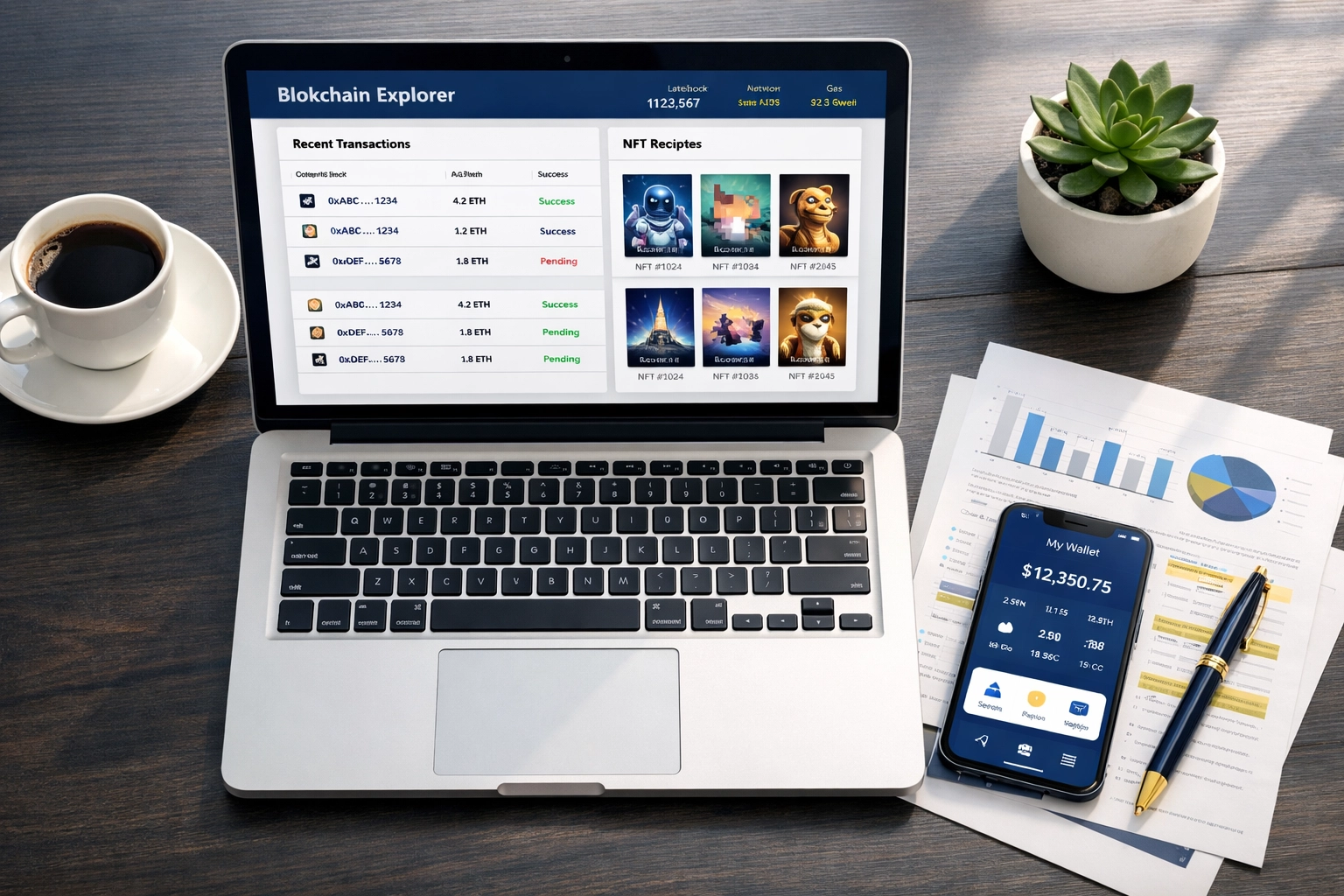
NFT receipts change everything. Every transaction minted as a unique, immutable receipt. Timestamp embedded. Exchange rate locked. Payment details preserved forever on-chain.
Your accounting team accesses LareScan: the blockchain explorer built specifically for merchant needs. Pull reports by date range, customer wallet, or transaction type. Export to CSV for your existing systems. Reconciliation happens in minutes instead of hours.
Master/Sub-wallet architecture adds another layer of clarity. Separate wallets for different revenue streams, departments, or business units. Track everything independently. Roll up consolidated views instantly.
NFT receipts also serve as proof for your customers. Verifiable, permanent, impossible to dispute. Customer service inquiries drop because everyone can verify transactions independently.
Mistake #5: Building Friction Into Checkout
Your checkout flow makes perfect sense to your development team. Your customers? Lost and frustrated.
Unclear wallet instructions. Missing confirmation feedback. Unexpected network fees appearing at the last second. Mobile experiences that barely function. Each friction point costs 20-40% of potential conversions.
The math is brutal. If 1,000 customers reach checkout and 400 abandon due to confusion, you're leaving 40% of revenue on the table. On $100,000 in potential monthly sales, that's $40,000 lost to poor UX.
The LareBlocks Fix:
AI-powered shopping tools smooth the entire journey. Smart recommendations. Intelligent cart optimization. Predictive support that answers questions before customers ask.
The B2B2C metaverse integration takes it further. Customers shop in immersive environments with familiar interfaces. Web3 elements fade into the background. Payment feels natural and obvious: scan, confirm, done.
LareBlocks infrastructure means no surprise gas fees eating into your margins. Transactions cost less. Customers see exactly what they pay upfront. No hidden charges appearing at confirmation.
Want to see the full vision? Check out 15 metaverse shopping features that future-proof your business.
Mistake #6: No Refund Strategy
Crypto transactions are permanent. Your refund policy? Probably designed for credit cards.
Customer expectations don't change just because they paid with crypto. They want the same refund experience. But you can't reverse blockchain transactions. Refund-related support tickets take 2-3x longer to resolve than card payments.
Most merchants figure this out after their first refund request. Then scramble to create policies on the fly. Customers get frustrated. Support teams get overwhelmed.
The LareBlocks Fix:
Smart contracts automate refund workflows. Set rules upfront. Partial refunds. Full refunds. Time-based policies. Everything executes automatically when conditions trigger.
Master/Sub-wallets make operational management simple. Designate specific wallets for refund reserves. Track refund activity separately from main revenue. Maintain clear audit trails for compliance.
The LUSD stablecoin eliminates the "price changed" refund nightmare. Customer paid $100? Refund $100. No arguments about exchange rate differences. No manual calculations about crypto value at time of purchase versus refund date.
CLARITY Act (H.R. 3633) compliance built in. Regulatory requirements met by default. Your refund processes align with emerging crypto payment regulations without extra work.
Mistake #7: Weak Operational Security
Crypto eliminates chargebacks. Introduces different risks. More than 20% of crypto losses come from operational mistakes: misplaced credentials, shared wallet access, human error.
Most breaches aren't sophisticated hacks. They're employees with too much access. Private keys stored insecurely. No separation of duties. One wrong click moves funds permanently.
Traditional processors solve this by holding your crypto. You lose control. They decide withdrawal timing. Fees pile up. You're trading one risk for another.
The LareBlocks Fix:
Master/Sub-wallet architecture provides granular control. Create hierarchies. Assign permissions. Limit exposure per wallet. One compromised credential doesn't drain everything.
Layer 1 infrastructure means transparent operations. Every action visible on LareScan. Real-time monitoring. Instant alerts for unusual activity. Your security team sees exactly what's happening.
Self-custody without the stress. You control your private keys. Your funds. Your timeline. But with built-in guardrails that prevent common mistakes.
The 1.5% charity tax adds accountability. Every transaction contributes to social impact: visible, verifiable, automatic. Builds trust with customers who value transparency.
Compare this to NOWPayments and CoinPayments where you're trusting third parties with custody, paying higher fees (LareBlocks offers 50% lower fees), and dealing with opaque operations.
The Infrastructure Difference
Most crypto payment solutions bolt blockchain features onto legacy systems. LareBlocks started fresh.
Layer 1 blockchain built for payments. Not smart contracts. Not DeFi. Payments. Fast finality. Low costs. Merchant-focused features from day one.
The result? Tools that actually solve business problems instead of creating new ones.
Want to see it in action? Visit larecoin.com for demos, documentation, and migration guides.
Your competitors are still wrestling with the seven mistakes above. You don't have to.
Comments