

.png)
Are Self-Custody Merchant Accounts the Future? What the 100-Hour Larecoin Marathon Reveals
- [[[Free!!]<<<<]] Watch: 스포르팅 - 토트넘 Live Stream 13 September 2022
- 2 hours ago
- 5 min read
![Writer: [[[Free!!]<<<<]] Watch: 스포르팅 - 토트넘 Live Stream 13 September 2022](https://lh3.googleusercontent.com/a/AItbvmktwQc0wCdd3ZEETSYItRQubwwBzOyjD_dcigRf=s96-c)
The Marathon That Changed Everything
100 hours. 100 posts. One conclusion.
Self-custody merchant accounts aren't just an alternative. They're the inevitable next step.
The Larecoin 100-hour marathon just wrapped. It extended our 10-year content series with insights that paint a clear picture. Traditional payment processing is bleeding money. Web3 solutions stop the hemorrhage.
Here's what emerged from the data.
Self-Custody: The Bank-Free Business Model
Self-custody means direct wallet-to-wallet transactions. No intermediaries touching your funds.
Merchants control their crypto completely. No payment processor holds your money. No surprise account freezes. No arbitrary policy changes.
The model flips traditional commerce on its head:
You own the wallet. Not Chase. Not PayPal. You.
Customers send directly to your address. Zero middlemen.
Instant settlement. Not 2-7 business days.
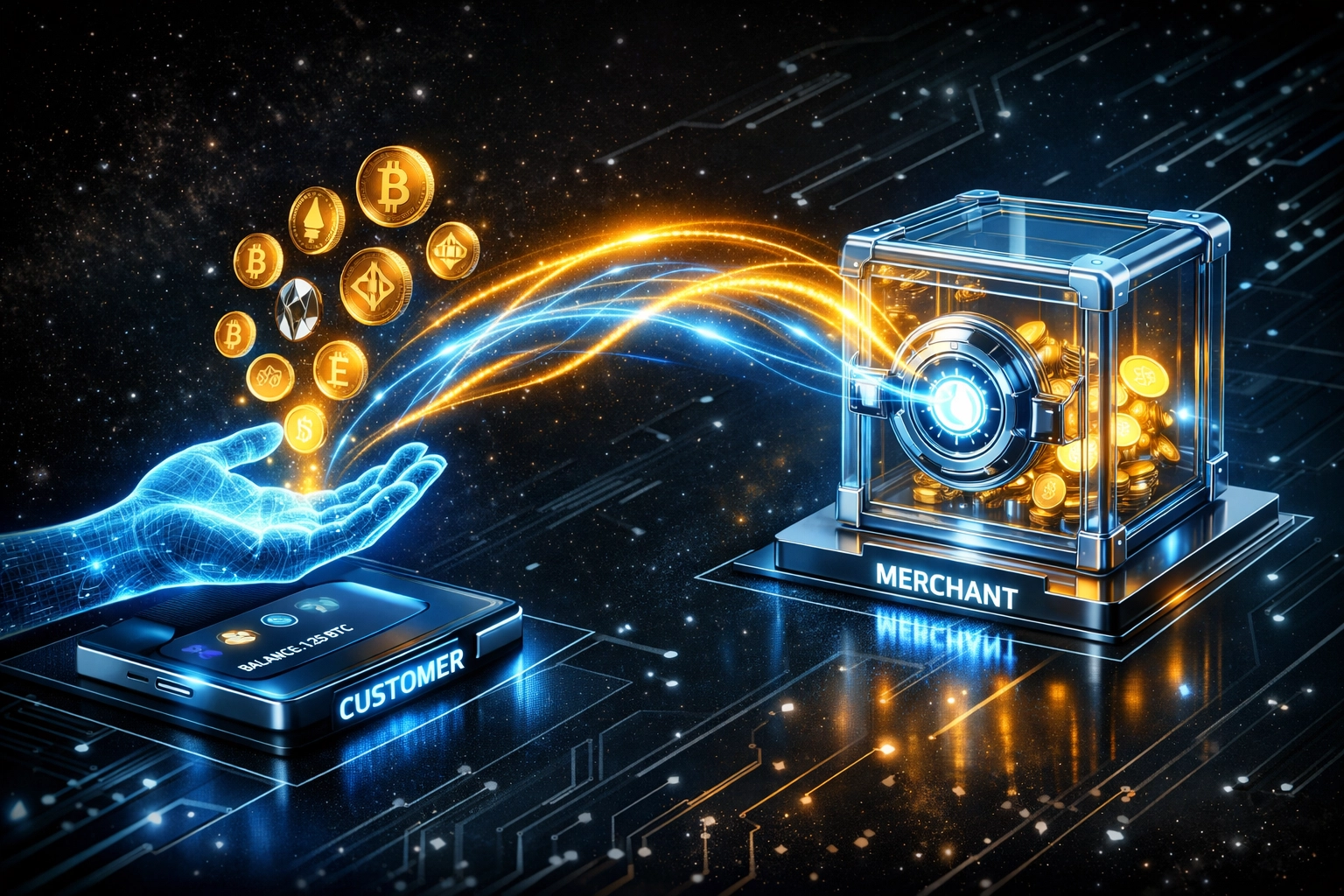
Legacy processors profit from holding merchant funds. They earn interest on your money while you wait for deposits. Self-custody eliminates this extraction model entirely.
CLARITY Act: Digital Commodities Get Their Moment
H.R. 3633: the CLARITY Act: changes the game for Larecoin.
The legislation classifies certain digital assets as commodities. Not securities. This distinction matters enormously for merchant adoption.
Why Larecoin benefits:
Operates on Solana and LareBlocks Layer 1
Functions as a payment utility token
Clear commodity classification removes regulatory fog
Merchants face reduced compliance burden
The Act creates breathing room for innovation. Payments processors can build without constant regulatory whiplash. Merchants can accept crypto without worrying about SEC enforcement actions.
This clarity accelerates adoption. Businesses hate uncertainty. The CLARITY Act removes it.
The 50% Fee Revolution
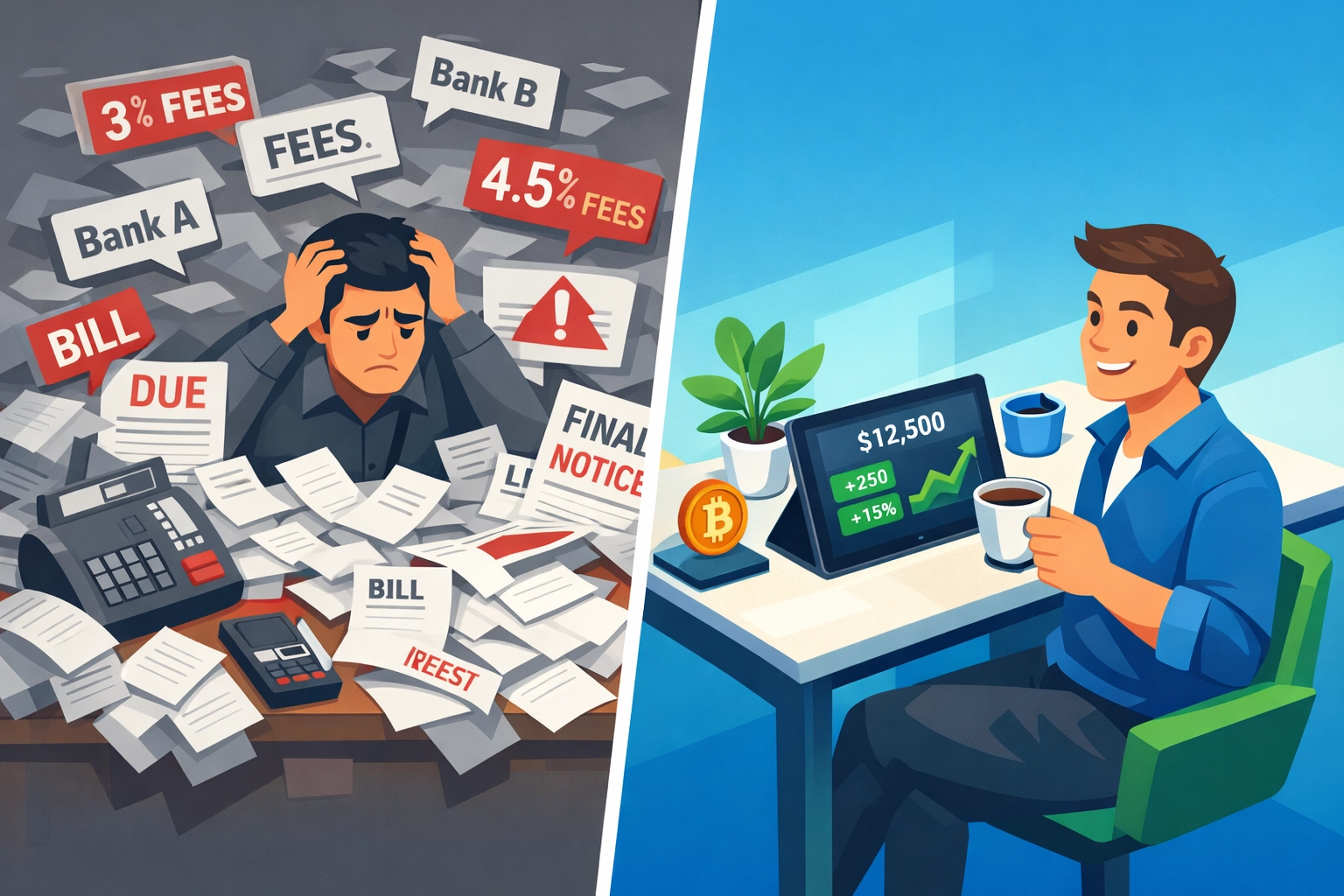
Traditional processing costs are absurd. Merchants pay through the nose for the privilege of accepting payments.
Legacy system costs:
Monthly fees: $2,500-$3,500
Per-transaction percentages: 2.5-3.5%
Chargeback fees: $25-$100 each
Gateway fees, compliance fees, statement fees
Larecoin self-custody costs:
Monthly platform fees: $0-$150
Gas fees per transaction: $0.01-$5 (Solana)
Chargeback risk: Eliminated (crypto transactions are final)
Hidden fees: None
The math is brutal for legacy systems. A merchant processing $100,000 monthly saves $30,000+ annually by switching to self-custody crypto payments.
That's not a marginal improvement. That's transformational.
Check out the full breakdown on reducing interchange fees for deeper analysis.

NFT Receipts: Programmable Commerce Arrives
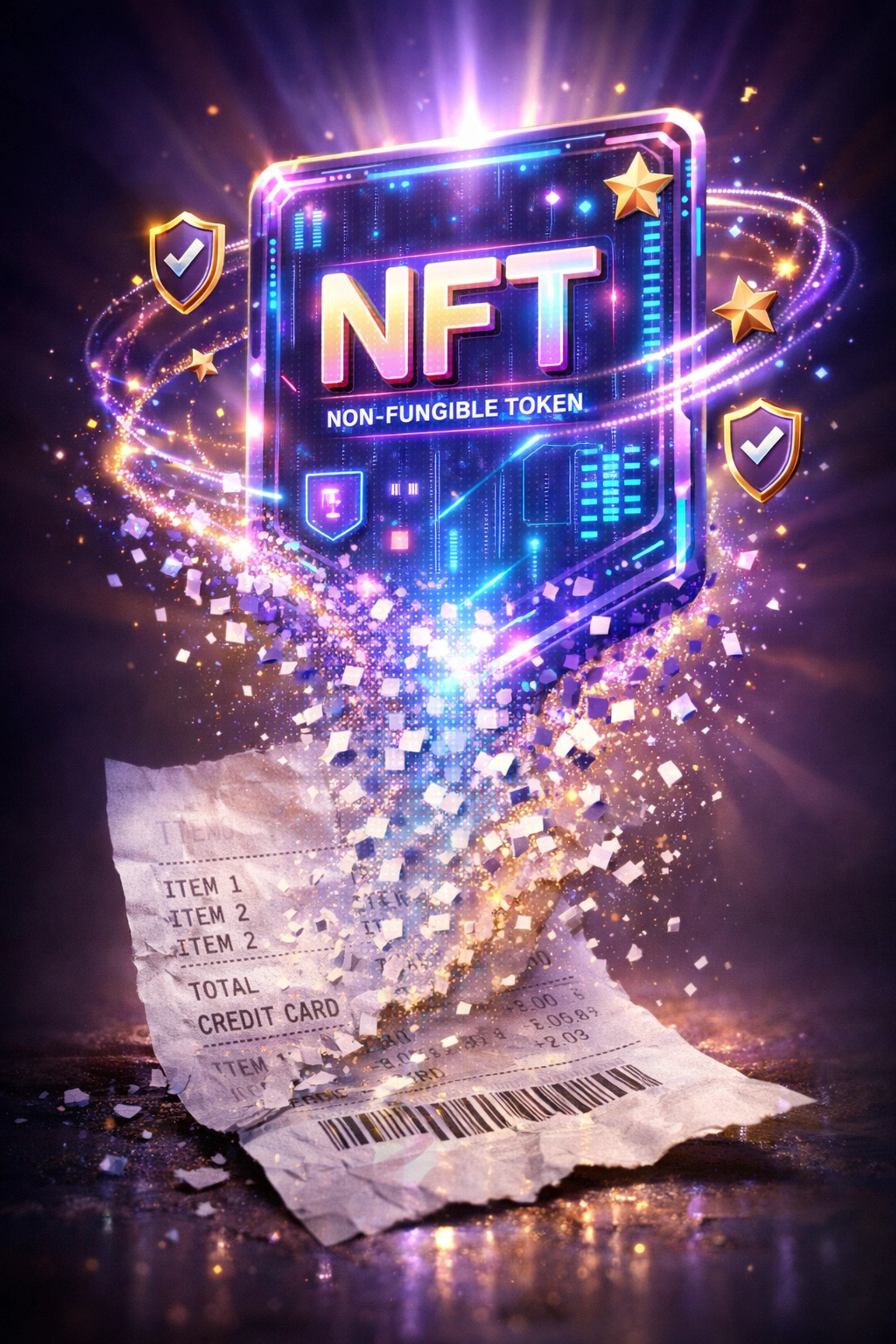
Every Larecoin transaction can mint an NFT receipt.
This isn't gimmicky. It's revolutionary for business operations.
NFT receipts enable:
Instant warranty verification
Automated loyalty programs
Resale royalties for digital goods
Supply chain transparency
Fraud prevention
Imagine a customer buys a product. The NFT receipt serves as proof of purchase, warranty card, and loyalty token simultaneously. It can unlock exclusive content. Grant access to member-only sales. Even appreciate in value if the product becomes collectible.
B2B2C models benefit massively. Manufacturers track inventory through NFT metadata. Distributors verify authenticity. End customers enjoy enhanced experiences.
Traditional receipts are paper or PDFs. NFT receipts are programmable assets.
LUSD Stablecoin: Volatility Solution
Crypto volatility scares merchants. Understandably.
LUSD (Larecoin USD) solves this problem. It's a stablecoin pegged 1:1 to the US dollar.
Merchant workflow:
Customer pays in any crypto
Instant swap to LUSD
Merchant receives stable value
Convert to fiat when needed (or stay in crypto)
No exposure to price swings. All the benefits of crypto payments. None of the volatility risk.
LUSD settles on Solana and LareBlocks Layer 1. Transactions finalize in seconds. Gas fees stay microscopic.
LareBlocks Layer 1: The Security Foundation
Self-custody requires bulletproof infrastructure. LareBlocks Layer 1 delivers.
Security features:
Distributed consensus mechanism
Multi-signature wallet support
Smart contract auditing
Real-time fraud detection
Cold storage integration
The blockchain architecture prioritizes merchant needs. Fast finality. Low costs. High throughput during traffic spikes.
Unlike Ethereum's congestion or Bitcoin's slow confirmations, LareBlocks processes payments instantly. Merchants never worry about network delays during checkout.
AI-Powered Metaverse Shopping: Commerce 3.0
The 100-hour marathon revealed surprising adoption of metaverse payment integrations.
AI assistants now guide customers through virtual stores. They recommend products. Process payments. Handle customer service.
Metaverse commerce features:
3D product visualization
Virtual try-on technology
AI shopping assistants
Crypto-native checkout
NFT inventory systems
Larecoin processes payments across physical, digital, and virtual environments. One merchant account. Three commerce dimensions.
Early adopters report conversion rate increases of 15-30% in metaverse stores. The experience matters. Crypto payments feel native in virtual spaces.
Competitor Comparison: NOWPayments vs CoinPayments vs Larecoin
The self-custody market has players. Let's compare.
NOWPayments:
Supports 150+ cryptocurrencies
Custodial and non-custodial options
No KYC for small volumes
Limited Layer 1 infrastructure
Basic API integration
CoinPayments:
Established since 2013
2,000+ supported coins
High fees (0.5% + network costs)
Custodial model dominates
Legacy interface
Larecoin:
Self-custody by default
NFT receipt generation
LUSD stablecoin integration
LareBlocks Layer 1 native
AI metaverse ready
CLARITY Act aligned
70-94% lower costs
NOWPayments and CoinPayments excel at supporting every token under the sun. Larecoin focuses on the merchant experience. Lower costs. Better features. Future-ready infrastructure.
Different philosophies. Different outcomes.
What the Data Actually Shows
The 100-hour marathon included merchant interviews. The patterns were consistent.
Top pain points with legacy processing:
Surprise fees that destroy margins
Account freezes without explanation
Slow international payments
Chargeback fraud exposure
Expensive compliance requirements
Top benefits of self-custody:
Predictable costs (only gas fees)
Complete fund control
Instant global settlement
No chargeback risk
Simplified regulatory compliance
Merchants switching to self-custody reported average satisfaction scores of 8.7/10. Legacy processor satisfaction averaged 4.2/10.
The gap isn't subtle.
The Regulatory Tailwind
Beyond the CLARITY Act, regulatory momentum favors crypto payments.
The SEC's stance on crypto has evolved. The CFTC gains jurisdiction over commodity tokens. States like Wyoming and Texas actively court crypto businesses.
This isn't the Wild West of 2017. It's maturing infrastructure with government cooperation.
Merchants adopting self-custody now position themselves ahead of the curve. They avoid the rushed migration when regulatory clarity forces industry-wide change.
Real-World Adoption Barriers (And Solutions)
The marathon didn't sugarcoat challenges.
Barrier 1: Technical complexity Solution: Larecoin's plug-and-play APIs abstract complexity. Merchants integrate in hours, not months.
Barrier 2: Customer education Solution: NFT receipts and gamification teach through use. Customers learn by doing.
Barrier 3: Accounting integration Solution: Automatic transaction logs export to QuickBooks, Xero, and major platforms.
Barrier 4: Tax reporting Solution: Built-in cost basis tracking and IRS-compliant reporting.
The ecosystem addresses friction points systematically. Early adoption challenges shrink monthly.
The Verdict: Future or Fad?
Self-custody merchant accounts represent fundamental infrastructure evolution.
They're not replacing credit cards tomorrow. But the trajectory is clear. Lower costs always win eventually. Better technology always disrupts incumbents.
Visa and Mastercard built empires charging rent on transactions. Self-custody removes the tollbooth.
The 100-hour Larecoin marathon confirmed what builders already knew. Merchants want control. They want lower costs. They want future-ready systems.
Self-custody delivers all three.
Join the conversation at Larecoin's community forums and share your merchant payment frustrations. Or your self-custody success stories.
The future isn't coming. It's here. The question is whether your business adapts early or late.
Comments