

.png)
Are Traditional POS Systems Dead? How Self-Custody Master Wallets Save SMBs $10K+ Annually
- [[[Free!!]<<<<]] Watch: 스포르팅 - 토트넘 Live Stream 13 September 2022
- 2 hours ago
- 4 min read
![Writer: [[[Free!!]<<<<]] Watch: 스포르팅 - 토트넘 Live Stream 13 September 2022](https://lh3.googleusercontent.com/a/AItbvmktwQc0wCdd3ZEETSYItRQubwwBzOyjD_dcigRf=s96-c)
Your coffee shop just paid $847 in credit card fees last month.
Your bakery? $1,243.
That boutique downtown? Over $2,100.
All gone. Straight to payment processors, card networks, and POS terminal rentals.
Traditional POS systems aren't dead: but they're bleeding merchants dry. And in 2026, there's a smarter way.
The Hidden Cost of "Convenient" Payments
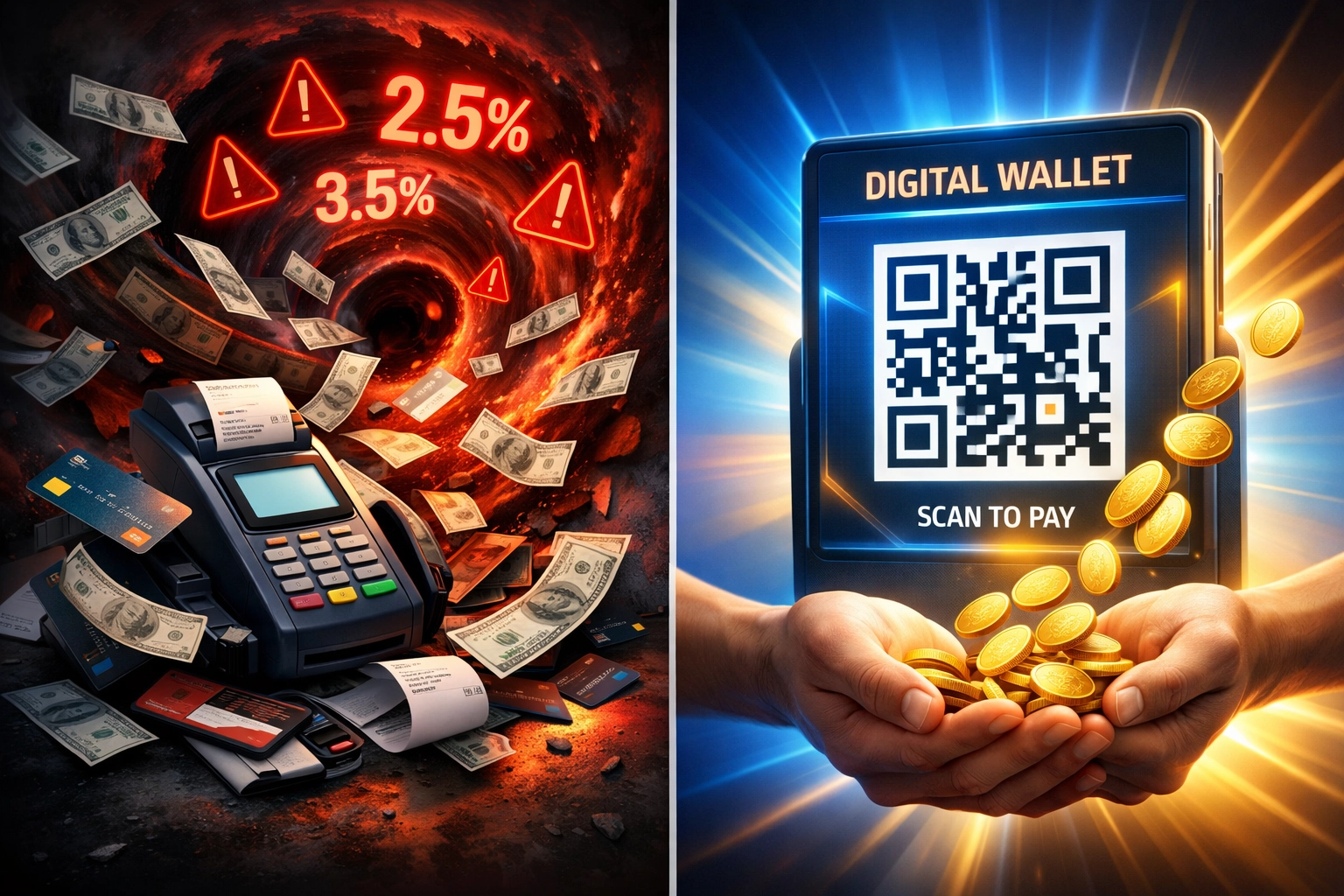
Traditional POS systems come with a price tag most merchants don't calculate until year-end.
The typical breakdown:
2.5-3.5% interchange fees per transaction
$50-150/month terminal rental fees
$99-299 monthly software subscriptions
$500-2,000 annual maintenance contracts
Chargeback fees averaging $25-100 per dispute
For an SMB processing $30K monthly? That's $10,800-$15,600 annually just to accept payments.
Cloud-based POS systems improved the math slightly. Lower upfront costs. Easier updates. Better integrations.
But the fundamental problem remained: You're still paying rent on your own money.
Self-Custody Changes Everything
Self-custody master wallets flip the script.
You control the funds. You control the fees. You control the infrastructure.
No intermediaries extracting rent. No gatekeepers deciding who gets paid. No frozen accounts or surprise compliance holds.
Larecoin's master wallet architecture delivers something legacy processors can't: true financial sovereignty for merchants.
Here's how the economics work:
Traditional POS (annual cost for $30K/month volume):
Interchange fees: $10,800
Software/terminal: $2,400
Maintenance: $1,200
Chargebacks: $600
Total: $15,000
Larecoin Self-Custody POS:
Gas fees: $180-300 (Solana)
Master wallet setup: One-time
NFT receipt minting: Negligible
Total: ~$300
Savings: $14,700 annually
That's not a typo. That's the power of cutting out middlemen.
How We Stack Against the Competition
Let's be real about crypto payment processors.
NOWPayments offers 140+ coins but charges 0.5% per transaction. Still better than Visa: but you're paying for custody services you don't need.
CoinPayments hits you with 0.5% transaction fees PLUS network fees. Your "savings" evaporate when processing volume scales.
Triple-A markets to enterprises with custom pricing: translation: expensive for SMBs who need savings most.
Larecoin's approach?
Self-custody master wallets with gas-only transfers. No percentage cuts. No hidden fees. Just blockchain transaction costs.
You're not renting infrastructure. You're owning it.

The Technical Advantage Stack
Four innovations make this possible:
1. NFT Receipts
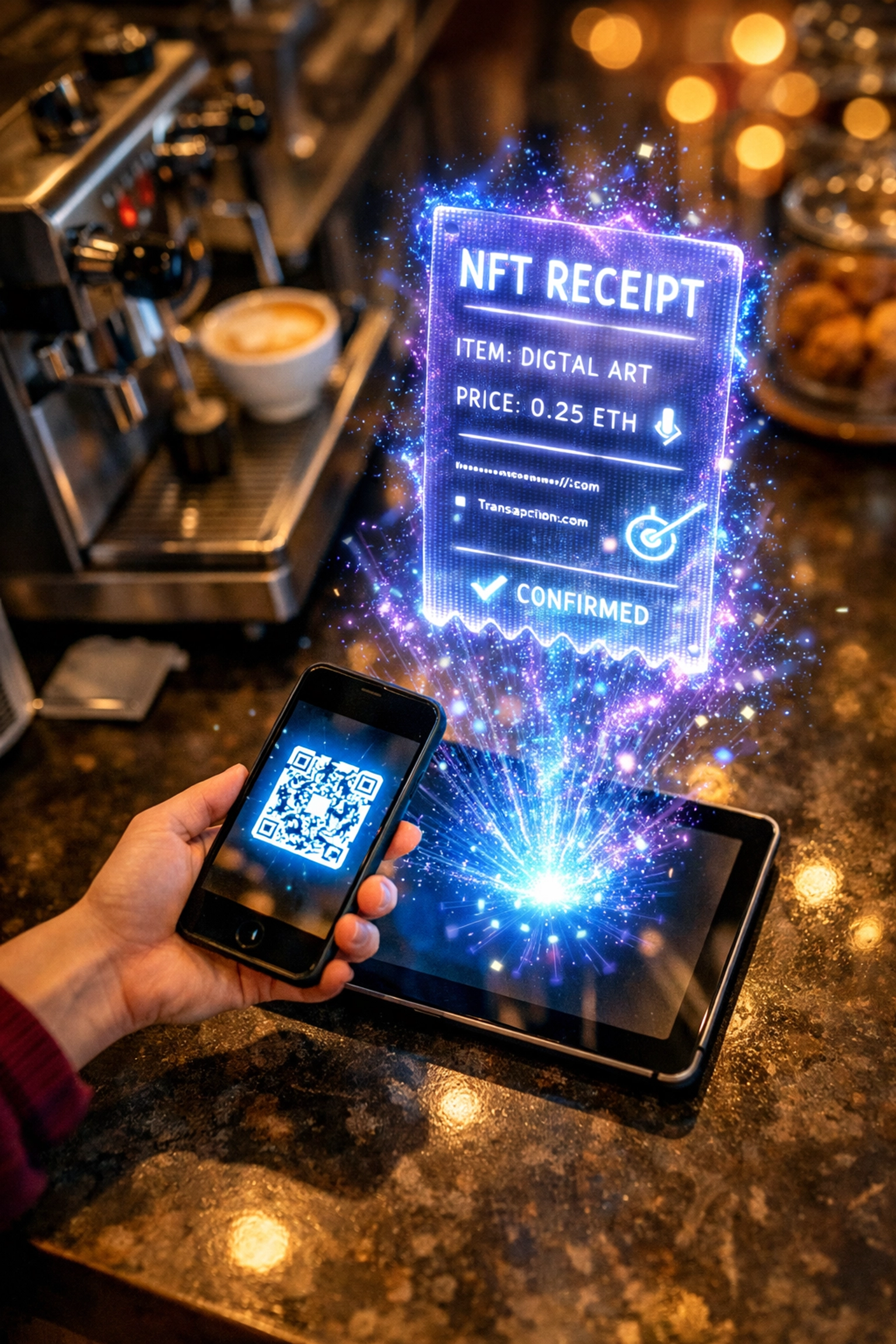
Every transaction generates an immutable NFT receipt. Stored on-chain. Tamper-proof. Instantly verifiable.
Chargebacks? Eliminated. The blockchain doesn't lie about who paid what, when.
2. LUSD Stablecoin Integration
Price volatility scares merchants. Fair.
LUSD integration means accepting crypto without the rollercoaster. Pegged 1:1 to USD. Backed by decentralized collateral. No centralized stablecoin risk.
3. Gas-Only Transfers
Traditional processors take 2-3%. We take nothing.
You pay blockchain network fees: that's it. On Solana, that's $0.00025 per transaction.
Processing $1,000? You pay a quarter of a cent. Not $25-35.
4. Master/Sub-Wallet Architecture
One master wallet. Unlimited sub-wallets for locations, departments, or franchises.
Consolidated reporting. Distributed operations. Unified compliance.
Like having separate cash registers that all flow to your main safe: except it's cryptographically secured and settlement is instant.
QR-Generated Contactless POS
Hardware is expensive. Maintenance costs add up.
Larecoin's QR-generated POS works on any device with a camera.
The merchant flow:
Generate payment QR from master wallet
Customer scans with any Web3 wallet
Transaction settles on-chain in 400ms
NFT receipt auto-generates
Funds appear in merchant wallet
No terminals. No monthly fees. No proprietary hardware lock-in.
Your smartphone becomes your POS. Your tablet becomes your register. Your laptop becomes your back office.
Master Wallet, Sub-Wallet Magic
Traditional multi-location accounting is a nightmare.
Different terminals. Different reports. Different reconciliation processes.
Larecoin's master/sub-wallet system:
Master Wallet: Central control. Full visibility. Compliance hub.
Sub-Wallets: Individual locations. Department tracking. Franchise operations.
All transactions roll up automatically. Real-time visibility without manual consolidation.
Tax season? Export everything with one click. The blockchain already did your bookkeeping.
The Metaverse Shopping Vision
This isn't just about saving fees today.
It's about positioning for tomorrow.
Larecoin's B2B2C metaverse is building the next generation of commerce:
VR Shopping Spaces: Browse products in 3D environments. Try before you buy: virtually.
AR In-Store Integration: Point your phone at a product. See reviews, specs, price comparisons in augmented reality.
Social Shopping Experiences: Shop with friends across continents. Real-time interactions in virtual spaces.
Seamless Crypto Payments: Wallet-to-wallet transfers. No checkout friction. No payment processors extracting rent.
The same master wallet powering your physical POS extends seamlessly into virtual retail.
One system. Multiple realities. Unified commerce.
Compliance Without Compromise
"Self-custody sounds risky."
"What about regulations?"
"How do I stay compliant?"
Valid questions. Here's the answer:
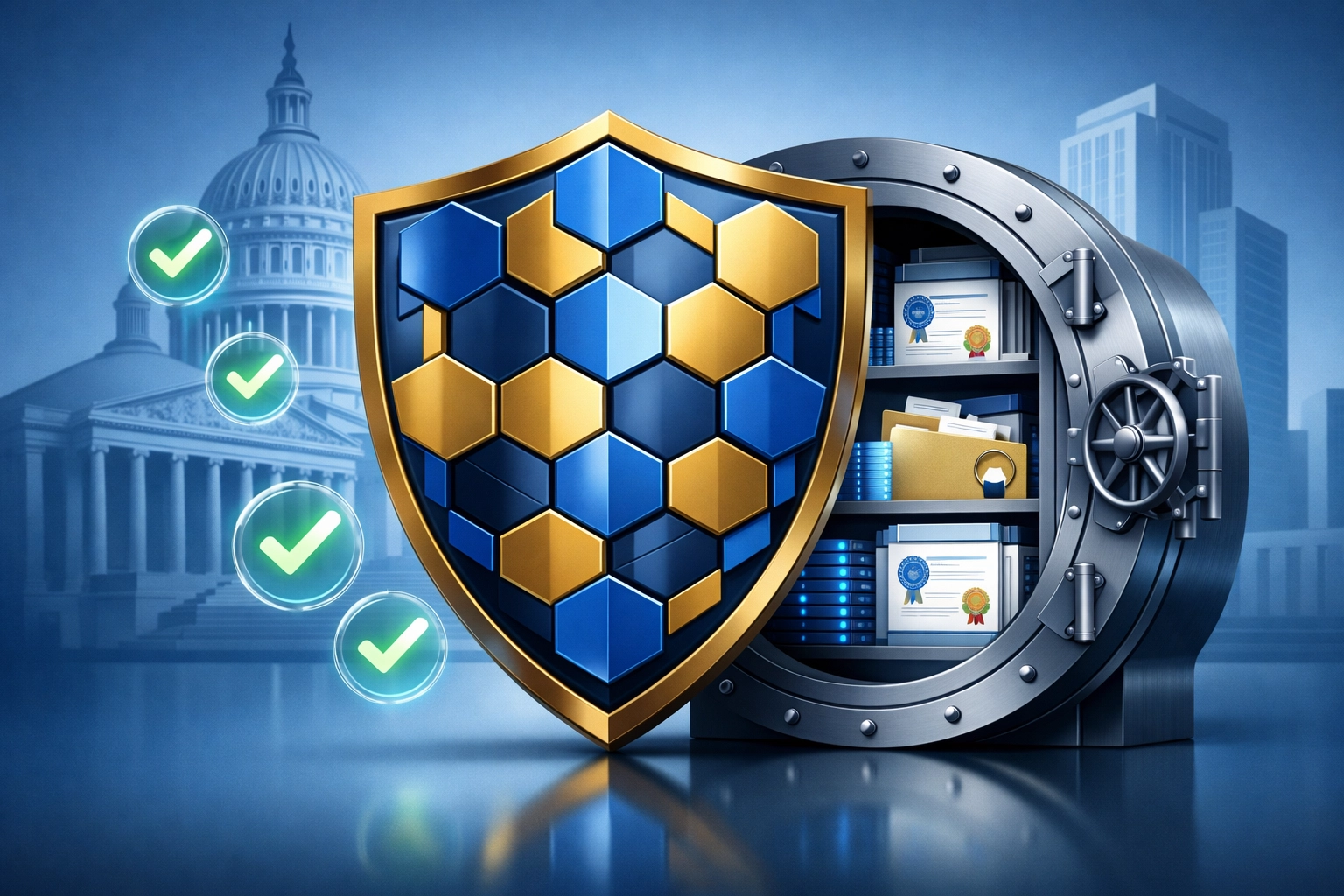
Federal MSB Registration: Larecoin operates as a registered Money Services Business with FinCEN.
State-Level MTL Coverage: Money Transmitter Licenses across key U.S. states. Expanding coverage ongoing.
KYC/AML Infrastructure: Built into the merchant portal. Automated compliance monitoring. Risk scoring. Transaction flagging.
You get sovereignty AND compliance. They're not mutually exclusive.

The Real Question Isn't "Are POS Systems Dead?"
It's "Why are you still paying rent to access your own revenue?"
Cloud-based systems improved convenience. But they didn't solve the fundamental problem: intermediary extraction.
Self-custody master wallets eliminate the middleman entirely.
The math is simple:
Traditional POS: $10K-15K annually in fees
Self-custody wallet: $300-500 in network costs
Savings: $10K+ every single year
Multiply that across 5 years. 10 years. A decade of operations.
You're looking at $100K+ in retained revenue.
That's not incremental improvement. That's transformational economics.
Getting Started Takes Minutes
No complex integration. No proprietary hardware. No six-month implementation timeline.
The setup:
Create master wallet at Larecoin
Configure sub-wallets for your locations
Generate QR codes for contactless payments
Start accepting crypto with gas-only fees
Traditional POS migration takes weeks. Larecoin deployment takes an afternoon.
Join the 10-Year Marathon
This post is part of Larecoin's 100-post marathon: documenting the evolution from legacy payment rails to Web3 sovereignty.
We're solving real problems. One transaction at a time. One merchant at a time.
Traditional POS systems aren't dead.
But they're dying. And merchants are waking up.
The future isn't renting infrastructure from processors who extract percentage cuts forever.
The future is self-custody. Master wallets. Gas-only fees. NFT receipts. Metaverse integration.
The future is saving $10K+ annually while owning your payment infrastructure.
Ready to stop bleeding fees?
Explore Larecoin's merchant solutions and see why SMBs are making the switch.
Your revenue deserves better than legacy rent-seeking.
Comments