

.png)
Are You Paying Too Much for Crypto Payments? Here's What NOWPayments and CoinPayments Won't Tell You
- [[[Free!!]<<<<]] Watch: 스포르팅 - 토트넘 Live Stream 13 September 2022
- Feb 12
- 4 min read
![Writer: [[[Free!!]<<<<]] Watch: 스포르팅 - 토트넘 Live Stream 13 September 2022](https://lh3.googleusercontent.com/a/AItbvmktwQc0wCdd3ZEETSYItRQubwwBzOyjD_dcigRf=s96-c)
The Fine Print Nobody Reads
You see 0.5% advertised. You think that's the cost.
Wrong.
NOWPayments and CoinPayments are masters at hiding the real numbers. That shiny 0.5-1% base fee? Just the tip of the iceberg.
Here's what actually hits your bottom line:
Network fees added on top
Withdrawal penalties every time you move funds
Currency conversion spreads buried in multi-currency transactions
Gas costs pushed to your customers (or absorbed by you)
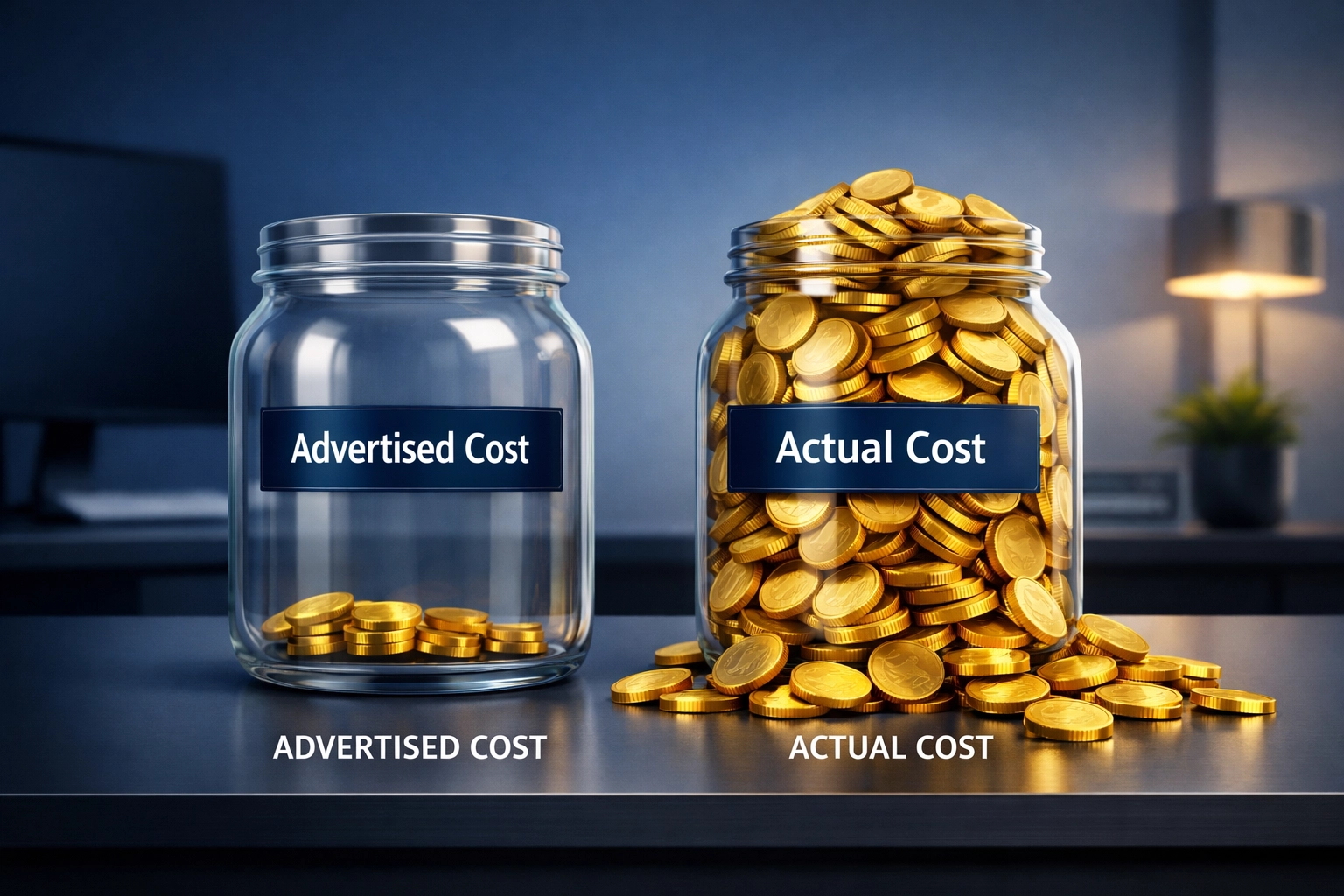
The advertised rate is marketing theater. The real cost? 2-3x higher.
The Math They Hope You'll Never Do
Let's break down actual costs at realistic volumes.
$100,000 annual processing:
Advertised cost: $500-$1,000
Actual cost with all fees: $750-$1,500
Hidden markup: 50-100%
$500,000 annual processing:
Advertised cost: $2,500-$5,000
Actual cost with all fees: $3,500-$7,500
Hidden markup: 40-50%
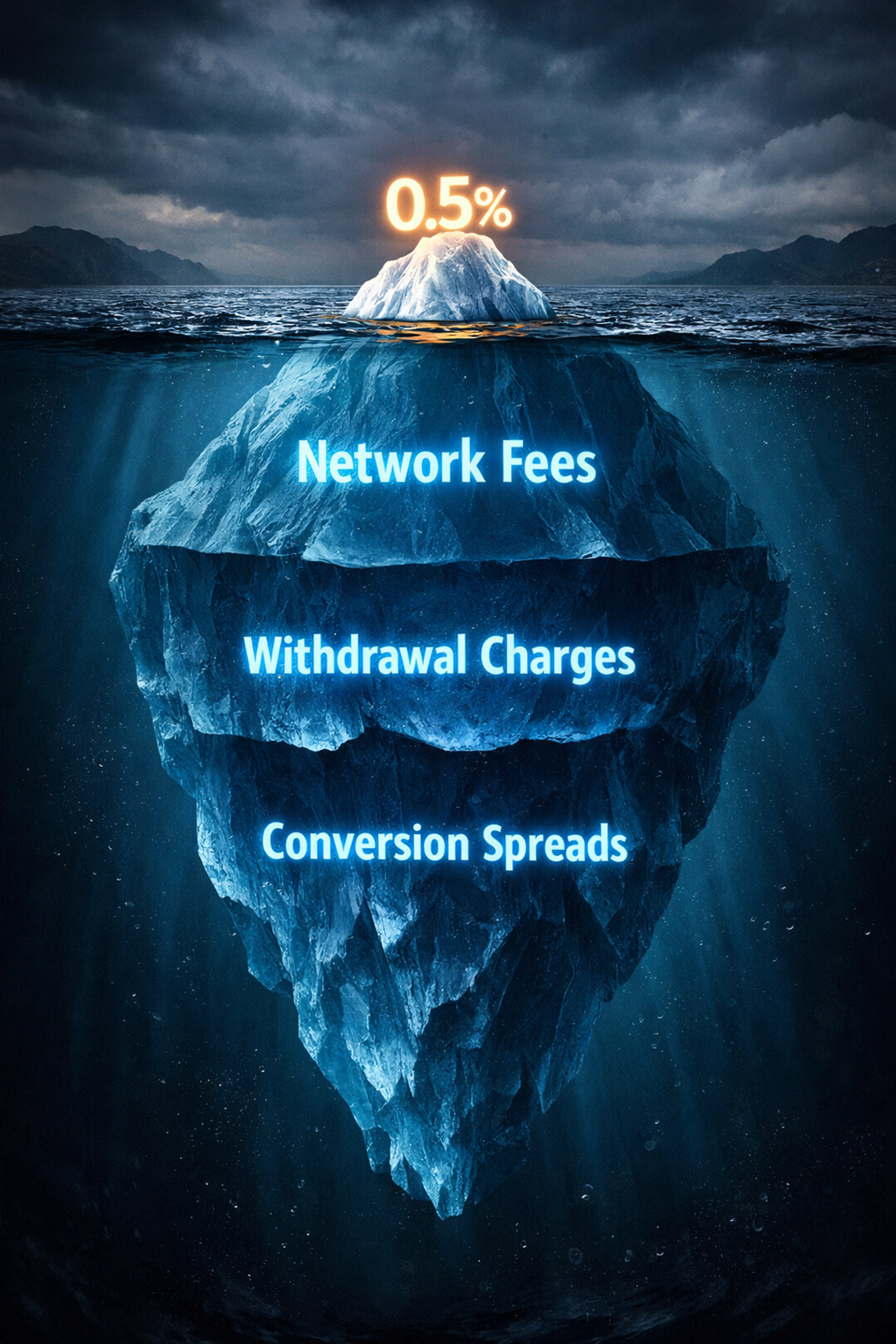
Those "small" network fees compound fast. Withdrawal charges stack up. Conversion spreads bleed you dry on every multi-currency transaction.
And neither platform makes these costs crystal clear upfront.
The Custody Trap
Here's the bigger problem most merchants miss.
When you use NOWPayments or CoinPayments, you don't actually control your crypto.
Your funds sit on their platforms. You're asking permission to access your own money. Withdrawal fees? That's the price of requesting what's already yours.
Want to move funds to cold storage? Fee.
Want to send to a different wallet? Fee.
Want to actually use your crypto independently? Fee, fee, fee.
You're renting access to your own revenue.
How Larecoin Flips the Script
Self-custody from day one.
Your wallet. Your keys. Your crypto. No intermediary holding your funds hostage.
Gas-only transfers mean:
No platform fees siphoning your revenue
No withdrawal penalties
No custody fees
No permission needed to access your money
You pay blockchain network costs. That's it. No markup. No middleman tax.
LUSD: Stability Without the Volatility Tax
CoinPayments charges 1% for stablecoin transactions. NOWPayments adds conversion fees when you're juggling multiple currencies.
Larecoin's LUSD changes the game:
Stable value pegged to USD. Built natively into the ecosystem. No conversion spreads. No multi-currency penalty fees.
Accept payments in LUSD. Hold value without volatility. Move funds without conversion charges.
It's crypto stability without the traditional stablecoin surcharges.
Merchants get predictable accounting. Customers get familiar pricing. Nobody gets nickel-and-dimed on conversions.
NFT Receipts: Innovation They Can't Match
Here's where Larecoin goes places NOWPayments and CoinPayments can't even imagine.
Every transaction generates an NFT receipt.
Not just a digital record. A verifiable, tradeable, programmable proof of purchase.
Loyalty programs built into receipts
Automatic rewards distribution
Resellable proof of purchase for limited items
Transparent transaction history on-chain
Collectible receipts for brand engagement

Your receipts become assets. Customer engagement becomes gamified. Loyalty programs run themselves through smart contracts.
This is Web3-native innovation. Not retrofitted crypto slapped onto traditional payment rails.
The Freedom Factor
NOWPayments and CoinPayments operate as gatekeepers.
They decide:
When you can withdraw
What you can withdraw
Where you can send funds
How much they'll charge you for the privilege
Larecoin operates as infrastructure.
You decide everything. Move funds anywhere. Hold in your own wallet. Integrate with any DeFi protocol. No platform controlling access.
This is merchant independence.
This is financial sovereignty.
This is what decentralized payments actually look like.
Real Decentralization vs. Crypto Cosplay
Both NOWPayments and CoinPayments call themselves crypto payment processors.
But they operate like traditional payment gateways wearing crypto costumes.
Centralized custody. Platform control. Hidden fee structures. Withdrawal restrictions.
Larecoin builds actual Web3 infrastructure:
Self-custody wallets by default
Smart contract automation
DAO governance for ecosystem decisions
Cross-chain swaps without platform fees
Direct peer-to-peer transactions

No intermediary taking cuts. No platform holding your funds. No permission needed to participate.
Breaking Down the Real Costs
Let's get specific about where traditional platforms drain merchant revenue:
NOWPayments fee structure:
0.5% base fee (single currency)
1% multi-currency conversion
Variable network fees
Withdrawal charges per transaction
Custody risk (your funds, their control)
CoinPayments fee structure:
0.5% major cryptocurrencies
1% tokens and stablecoins
Gas costs passed to customer or merchant
Withdrawal penalties
Conversion spreads on currency changes
Larecoin cost structure:
Gas fees only
No platform percentage
No withdrawal charges
No custody fees
No conversion spreads for LUSD
The difference compounds dramatically over time.
Why the Industry Stays Quiet
Here's the uncomfortable truth: traditional crypto payment platforms profit from complexity.
Confusing fee structures keep merchants from calculating real costs. Multi-layered charges hide the actual expense. Custody models create dependency and lock-in.
It's profitable opacity.
Larecoin's model threatens that business structure. Gas-only fees are transparent. Self-custody eliminates dependency. LUSD removes conversion profit centers.
No wonder competitors don't highlight these alternatives.
The Migration Path
Switching sounds complicated. It's not.
Set up a Larecoin merchant wallet:
5 minutes from start to accepting payments
Self-custody from transaction one
No approval process or application review
Immediate access to all ecosystem features
Start accepting LUSD:
Stable value without volatility risk
No conversion fees eating margins
Predictable accounting for traditional books
Familiar USD pricing for customers
Enable NFT receipts:
Automatic generation for every transaction
Programmable loyalty rewards
Customer engagement through collectibles
Zero additional setup beyond initial integration
Migration takes hours, not weeks. No disruption to existing operations.
What Merchants Actually Save
Real numbers from comparable transaction volumes:
A merchant processing $250,000 annually through CoinPayments pays roughly $2,000-$3,000 in combined fees.
Same merchant using Larecoin:
$300-$500 in total gas costs
Savings: $1,500-$2,500 annually
ROI: Immediate and recurring
Scale that to $1 million annually:
Traditional platform: $8,000-$12,000 in fees
Larecoin: $1,200-$2,000 in gas costs
Savings: $6,000-$10,000 annually
The math is brutal for traditional platforms.

The Bottom Line
You're probably paying too much. Way too much.
NOWPayments and CoinPayments built profitable businesses on hidden fees, custody control, and conversion markups.
Larecoin built an ecosystem on transparency, self-custody, and merchant freedom.
Gas-only transfers. LUSD stability. NFT receipts. True decentralization.
Calculate your real costs. Compare honestly. Make the switch.
Your margins will thank you.
Ready to stop overpaying?Explore Larecoin's merchant solutions and see the difference self-custody makes.
The crypto payment revolution isn't coming. It's here. And it doesn't look like traditional processors in crypto clothing.
It looks like actual Web3 infrastructure built for merchant independence.
Comments