

.png)
Are Traditional Payment Processors Dead? Why Merchants Are Switching to Web3 Global Payments with Master/Sub-Wallets
- [[[Free!!]<<<<]] Watch: 스포르팅 - 토트넘 Live Stream 13 September 2022
- 3 hours ago
- 5 min read
![Writer: [[[Free!!]<<<<]] Watch: 스포르팅 - 토트넘 Live Stream 13 September 2022](https://lh3.googleusercontent.com/a/AItbvmktwQc0wCdd3ZEETSYItRQubwwBzOyjD_dcigRf=s96-c)
Traditional payment processors aren't dead yet. But they're bleeding market share fast.
Merchants are quietly switching to Web3 payment infrastructure. The reason? Cost savings that make legacy systems look like highway robbery.
The Real Cost of "Traditional" Processing
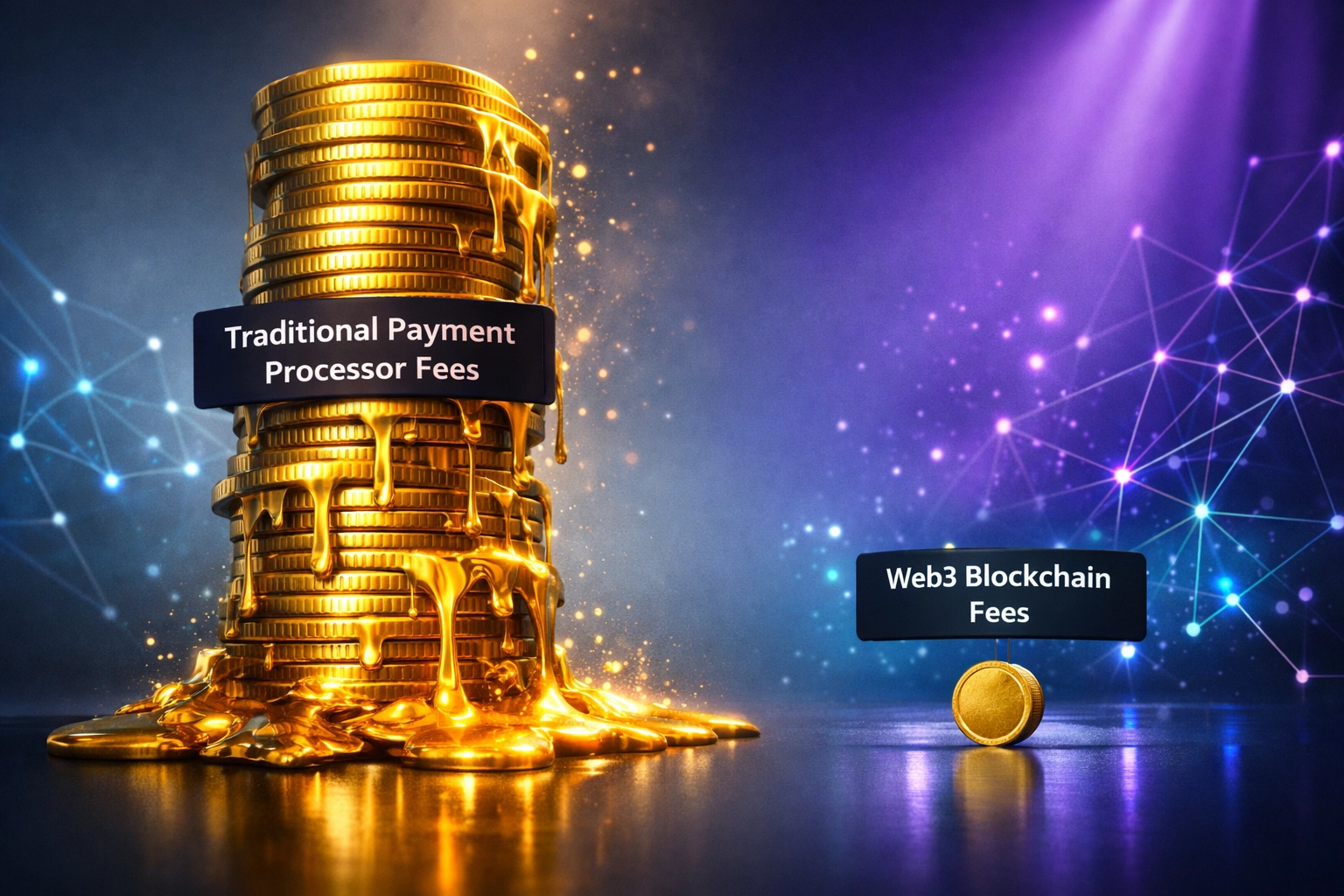
Credit card networks charge 3-4% per transaction. That's after layering fees from card networks, issuing banks, and payment processors.
For a $5,000 sale, you're paying $125-175 in fees. Process $500,000 monthly? You're handing over $14,500 to intermediaries.
Web3 blockchain payments? Under $3 per transaction. Regardless of size.
That's a 99.3% cost reduction for high-ticket merchants.
The math isn't theoretical anymore. Merchants processing six figures monthly are reducing interchange fees by over 50% by switching to crypto-native infrastructure.
Why Larecoin Beats NOWPayments, CoinPayments & Triple-A
Three major Web3 payment processors dominate the market: NOWPayments, CoinPayments, and Triple-A.
They all solve the fee problem. But they stop there.
Larecoin goes further with master/sub-wallet architecture. Here's the difference:
Master/Sub-Wallet Structure
Traditional crypto processors give you one wallet address. You're stuck managing everything in one place.
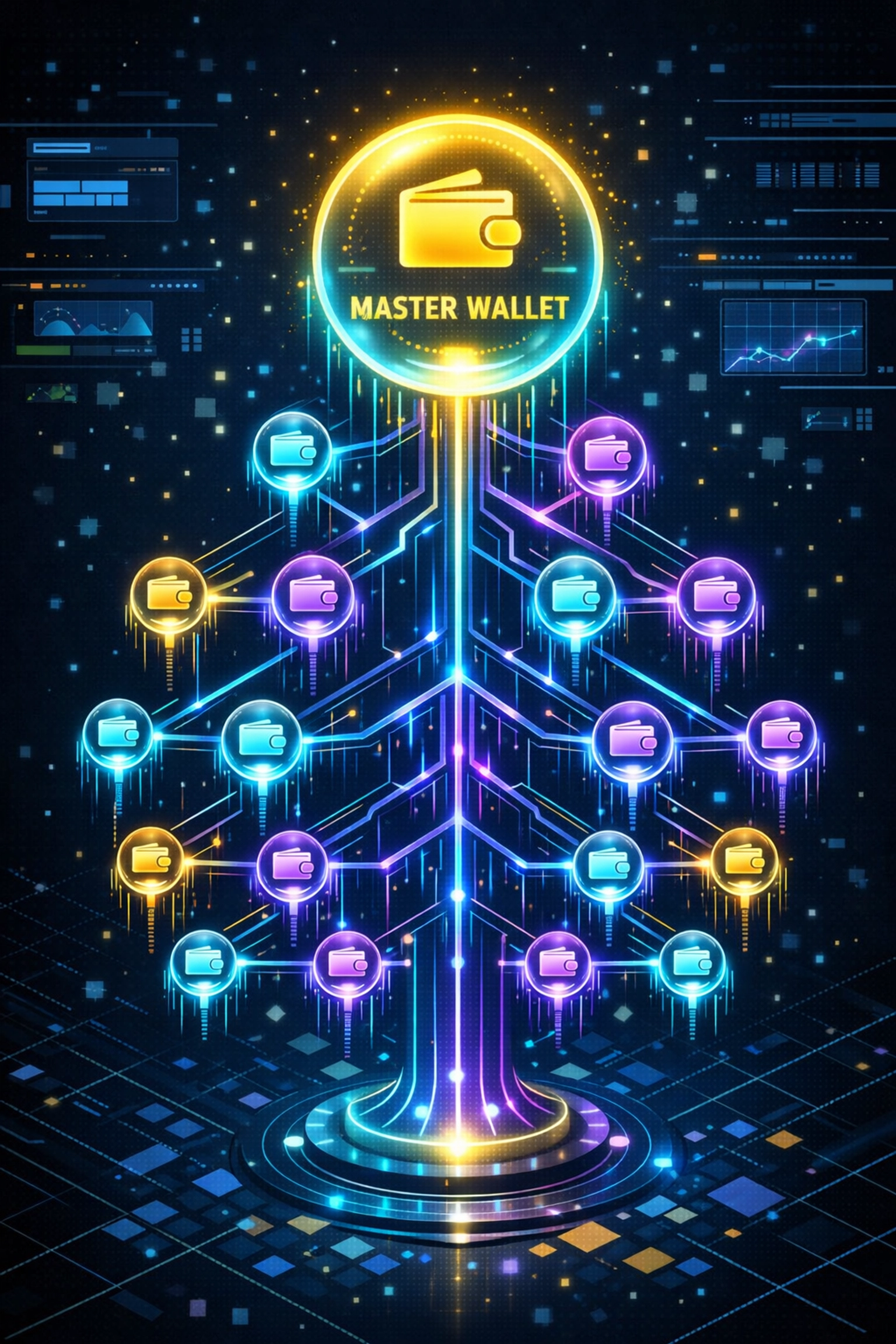
Larecoin's master/sub-wallet system lets merchants create unlimited sub-wallets under one master account. Each location gets its own wallet. Each product line gets its own wallet. Each franchise operator gets self-custody control.
Settlement happens at the master level. Reporting stays unified. But operational control stays distributed.
NOWPayments doesn't offer this. CoinPayments forces you into custodial accounts. Triple-A requires intermediary conversion to fiat.
NFT Receipt Technology
Every Larecoin transaction generates an NFT receipt. Immutable proof of purchase stored on-chain.
No more disputes about "lost receipts." No more reconciliation nightmares with chargebacks.
The NFT contains transaction metadata, timestamps, and merchant verification. It's programmatically verifiable and tradeable if the merchant enables secondary markets.
None of the legacy Web3 processors offer this feature.
LUSD Stablecoin Integration
Larecoin uses LUSD stablecoin for settlements. It's fully collateralized and decentralized: no corporate backing that can freeze accounts.
Most processors rely on USDT or USDC. Both are centralized stablecoins controlled by corporate entities. They've frozen wallets before. They'll do it again.
LUSD removes counterparty risk. Merchants get true self-custody without volatility exposure.
Gas-Only Transfers
Here's where Larecoin gets technical.
Traditional crypto payments require both the token AND native gas fees. Send USDT on Ethereum? You need ETH for gas. Send USDC on Polygon? You need MATIC.
Larecoin's gas-only transfer model eliminates this friction. Payments use the native LARE token for gas, but merchants can receive any supported cryptocurrency without holding multiple chain-native tokens.
It simplifies treasury management massively.
The Master/Sub-Wallet Advantage for Multi-Location Merchants
Franchise businesses and multi-location retailers face a unique problem: reconciling payments across dozens or hundreds of locations.
Traditional processors pool everything into one merchant account. You're stuck reverse-engineering reports to figure out which location processed what.
Web3 competitors like NOWPayments give you multiple addresses, but no hierarchical control.
Larecoin's master/sub-wallet architecture solves this:
Hierarchical Control
Master wallet at corporate headquarters
Sub-wallets for each franchise location
Sub-sub-wallets for individual POS terminals
Each level maintains self-custody. Corporate can view but not seize funds. Location managers control their own wallets. Terminal operators can't access location reserves.
Automated Settlement
Set rules at the master level. Sub-wallets auto-settle to master on schedules you define. Daily, weekly, or transaction-triggered.
No manual sweeps. No reconciliation delays.
QR-Generated POS Systems
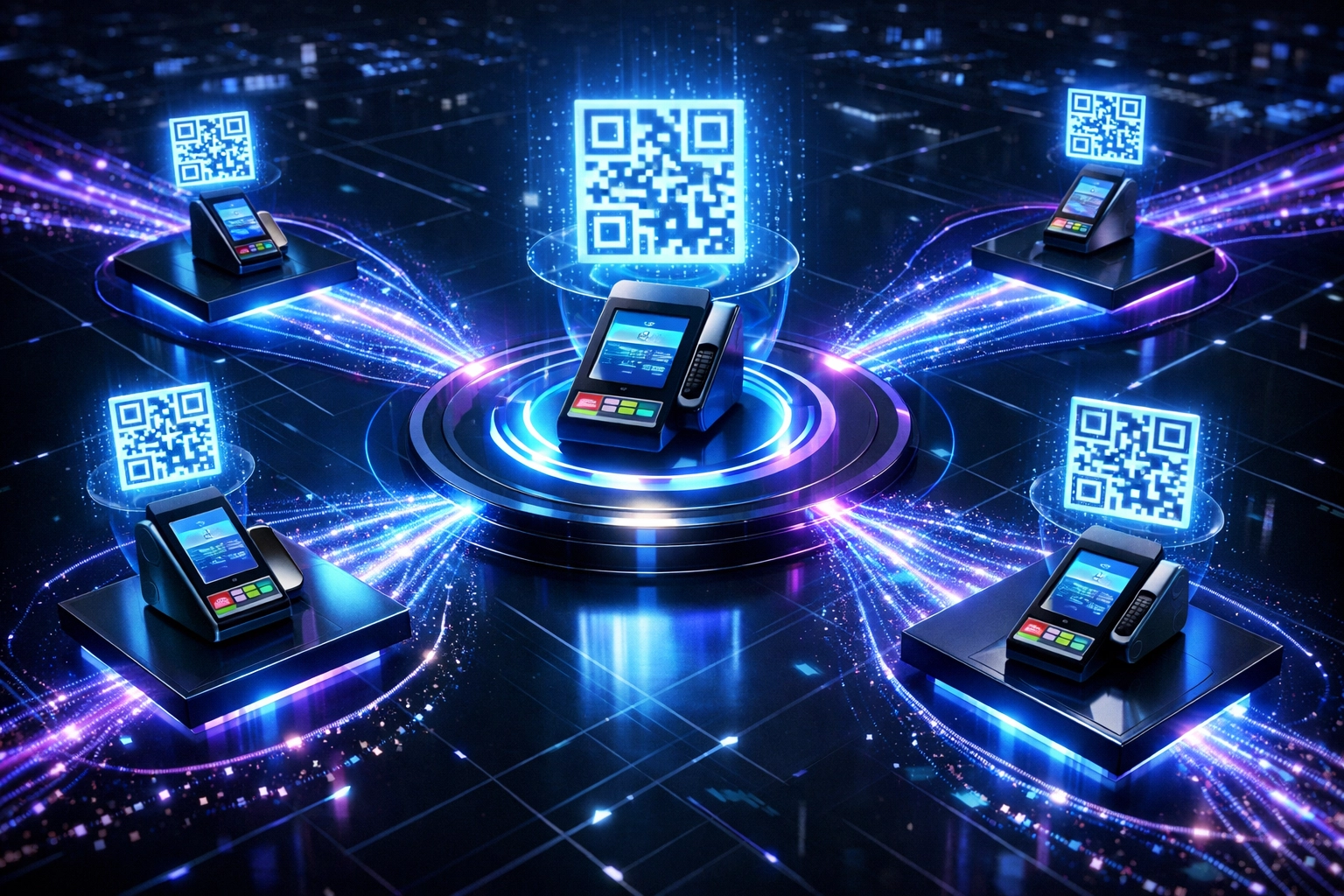
Every sub-wallet generates unique QR codes. Print them. Display them digitally. Integrate them into existing POS hardware.
Customers scan to pay. Transaction confirms in seconds. NFT receipt mints automatically.
Total setup time? Under 10 minutes per location.
Compliance Without Compromise
Here's what scares merchants about crypto payments: regulatory uncertainty.
Larecoin eliminates that risk.
Federal MSB Registration
Larecoin maintains federal Money Services Business registration. Full FinCEN compliance. Regular audits. Transparent reporting.
State-Level MTL Coverage
Money Transmitter Licenses across all major U.S. states. Texas, New York, California, Florida: covered.
Most Web3 payment processors operate in regulatory grey zones. CoinPayments faced enforcement actions. NOWPayments has limited U.S. coverage.
Larecoin builds compliance into the foundation. Merchants stay protected.
The Future: Metaverse Shopping & Social Commerce
Web3 payments aren't just about lower fees. They're the infrastructure for commerce evolution.
Larecoin's B2B2C metaverse integrates payments with social shopping experiences.
VR/AR Commerce Integration
Imagine customers browsing your inventory in virtual reality. They pick up products. Inspect them in 3D. Try them on using AR overlays.
Then they buy: instantly: using their Larecoin wallet. No checkout flow. No cart abandonment.
Settlement happens in real-time. Your sub-wallet receives payment. NFT receipt mints. Customer's virtual bag updates.
Learn more about metaverse shopping features that merchants are implementing in 2026.
Social Shopping Layers
Larecoin's metaverse isn't just storefronts. It's social spaces where customers interact before buying.
Virtual showrooms. Live product demonstrations. Community spaces where brand advocates gather.
Payments integrate seamlessly. Friend recommends a product? Click to buy. Influencer showcases their favorites? One-tap purchase through their affiliate sub-wallet.
Traditional processors can't touch this functionality. Web3 competitors focus only on checkout. Larecoin builds the entire shopping ecosystem.
Self-Custody Means True Financial Control
Here's what merchants hate about traditional processors: rolling reserves, account holds, and fund seizures.
You're at their mercy. Dispute volume spikes? They freeze your account. High-risk category? Rolling reserve locks up 10-20% of revenue for 6 months.
Web3 competitors often replicate this model. Custodial accounts. Terms of service that mirror legacy processors.
Larecoin's self-custody model changes the game:
Your Keys, Your Crypto
Sub-wallet private keys stay with you. Larecoin can't access your funds. Can't freeze your account. Can't impose rolling reserves.
You control when to convert to fiat. You control where funds flow.
No Approval Process
Traditional processors decide if you're worthy of accepting payments. They evaluate your business model. They assign risk scores. They decline merchants arbitrarily.
Larecoin's permissionless infrastructure eliminates gatekeepers. Set up a wallet. Start accepting payments. No approval needed.
24/7 Global Operations
Your customers shop at 3am. Traditional processors go offline for maintenance. Banks close on weekends.
Blockchain infrastructure runs continuously. Accept payments every hour of every day. Settle instantly regardless of banking holidays.

Real Savings: The Numbers Don't Lie
Let's break down the cost comparison for a mid-sized merchant:
Traditional Processing (Monthly)
Transaction volume: $500,000
Average fee: 2.9% + $0.30
Total fees: $14,500
NOWPayments (Monthly)
Transaction volume: $500,000
Fee: 0.5% + network gas
Total fees: $2,500 + ~$500 gas
Savings: $11,500
Larecoin (Monthly)
Transaction volume: $500,000
Fee: Gas only (LARE token)
Total fees: ~$300
Savings: $14,200
The difference? $2,800 more savings per month compared to the cheapest Web3 alternative.
Annually, that's $33,600 in additional profit. For doing nothing except switching payment rails.
Getting Started Is Stupid Simple
Most merchants delay switching because they assume technical complexity.
Larecoin proves them wrong:
Create Master Wallet (2 minutes)
Generate Sub-Wallets (1 minute per location)
Display QR Codes (30 seconds)
Accept Payments (immediately)
No developer required. No integration complexity. No middleware fees.
Your existing POS system keeps running. Add Larecoin as an alternative payment method. Let customers choose.
The Verdict: Traditional Processors Are Dying, Not Dead
Traditional payment processors still dominate by volume. But momentum shifted.
Merchants switching to Web3 payments save 50-99% on fees. They get faster settlement. They gain self-custody. They access metaverse commerce infrastructure.
Legacy systems can't compete on cost. Web3 alternatives like NOWPayments and CoinPayments close the gap but lack master/sub-wallet architecture, NFT receipts, and metaverse integration.
Larecoin combines the best of Web3 payments with infrastructure built for 2026 and beyond.
Traditional processors aren't dead yet. But they're definitely dying.
The question isn't whether to switch. It's how quickly you can implement Web3 global payments before your competitors do.
Comments