

.png)
CLARITY Act Passed: How Larecoin's Digital Commodity Status Unlocks 50% Lower Fees and Zero Enforcement Risk for Merchants
- [[[Free!!]<<<<]] Watch: 스포르팅 - 토트넘 Live Stream 13 September 2022
- Feb 18
- 5 min read
![Writer: [[[Free!!]<<<<]] Watch: 스포르팅 - 토트넘 Live Stream 13 September 2022](https://lh3.googleusercontent.com/a/AItbvmktwQc0wCdd3ZEETSYItRQubwwBzOyjD_dcigRf=s96-c)
The game just changed.
The CLARITY Act (H.R. 3633) clearing the House in July 2025 set the stage for what's coming: clear regulatory lines between digital commodities and securities. For Larecoin merchants, this means one thing, predictable, low-cost payment rails with zero regulatory guesswork.
Here's the breakdown of what this shift unlocks for your business.
Digital Commodity Status: Why It Matters
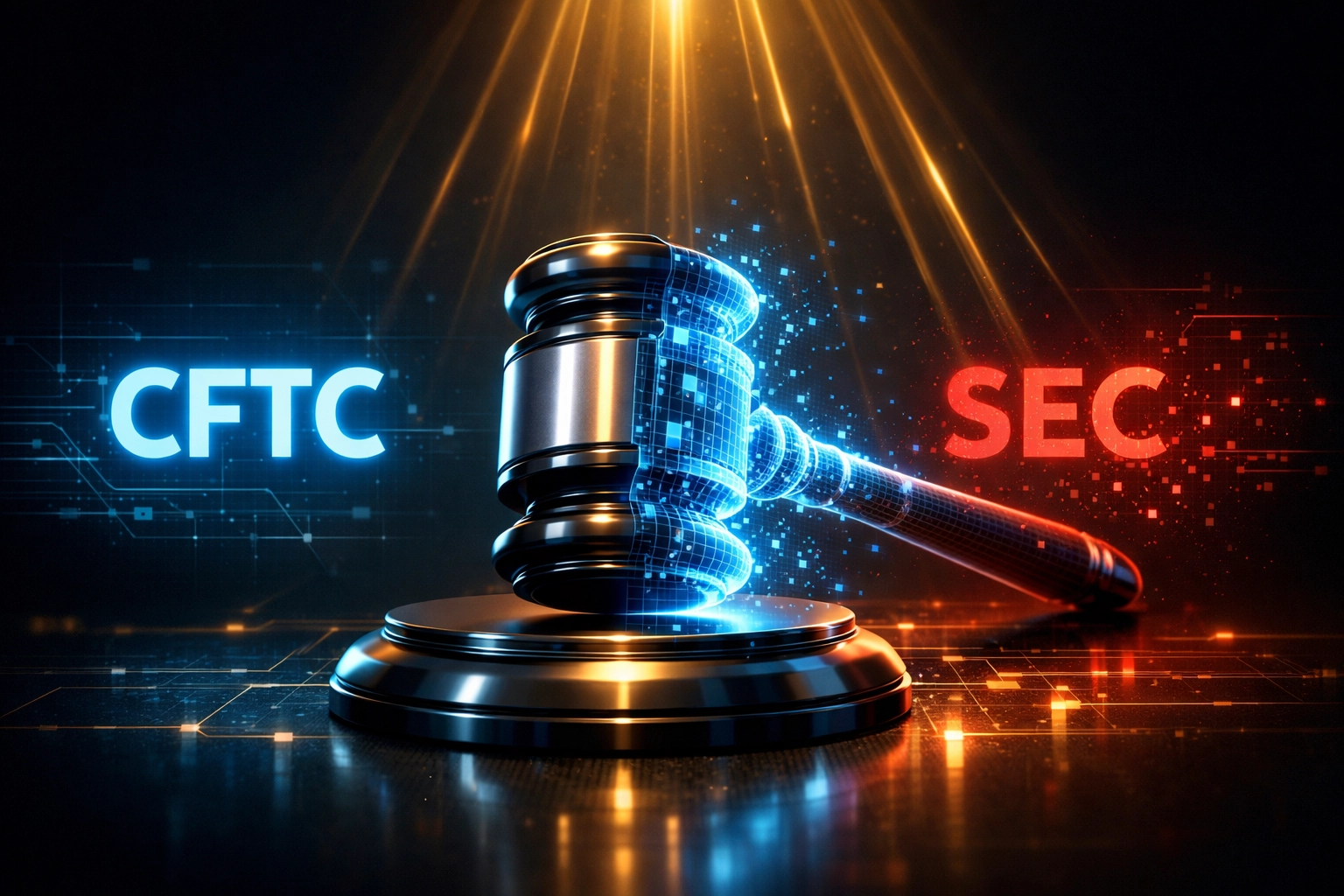
The CLARITY Act draws a bright line. Digital commodities fall under CFTC oversight. Securities stay with the SEC. Larecoin's Layer 1 architecture and utility-first design position it squarely as a digital commodity, no equity features, no profit promises, just pure payment utility.
What does that mean for merchants?
Liquidity. Commodity classification opens institutional pathways. More liquidity equals tighter spreads. Tighter spreads equal lower conversion costs when customers pay in LARE or LUSD.
Certainty. No more enforcement lottery. No surprise subpoenas. Merchants processing Larecoin payments operate within clear CFTC commodity frameworks, predictable, stable, scalable.
Speed. Regulatory clarity removes friction. Exchanges list faster. Banks integrate easier. Your payment flow accelerates.
50% Fee Savings: The Math Behind the Shift
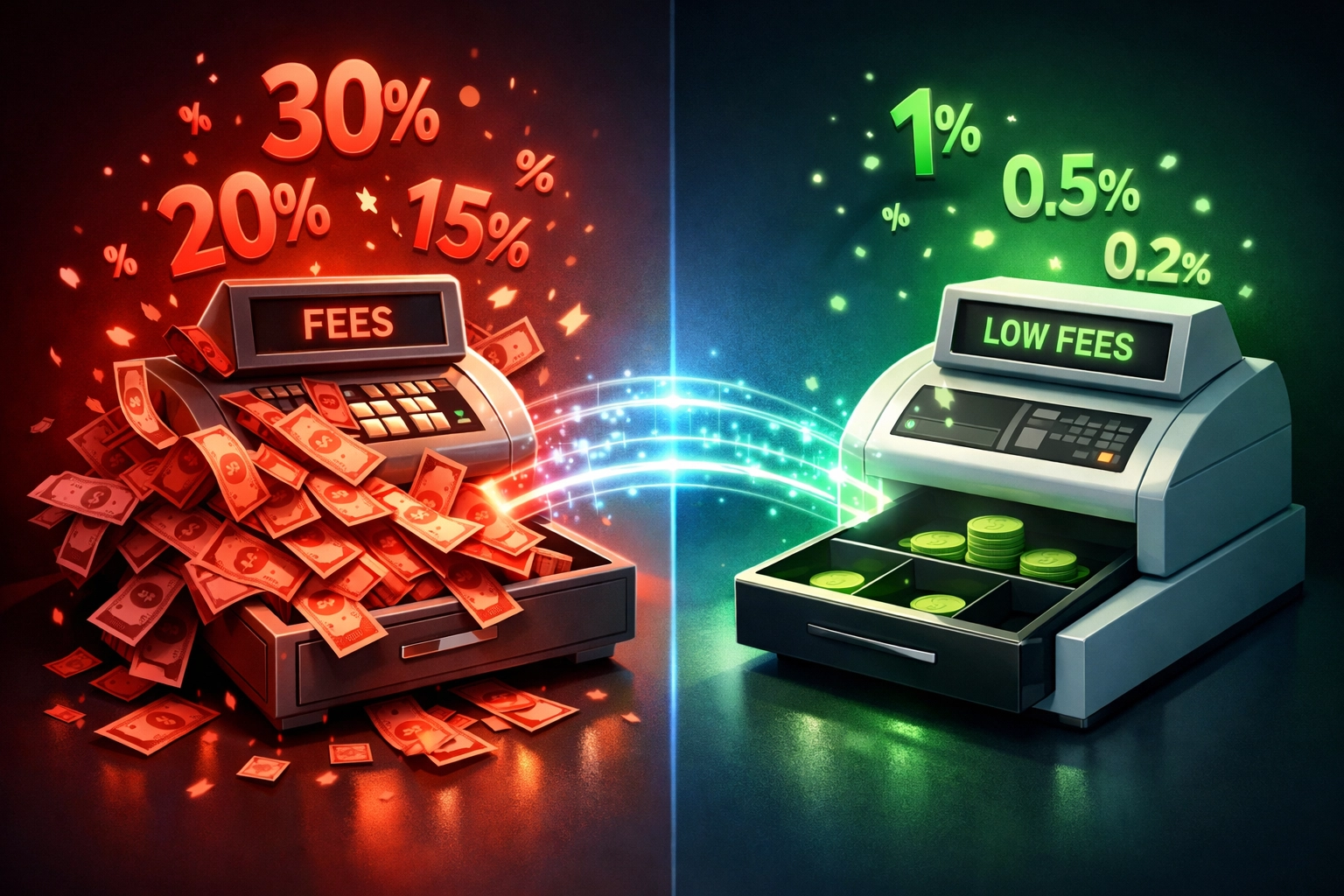
Legacy payment processors charge 2.9% + $0.30 per transaction. Credit card interchange fees hit 1.5%–3.5% depending on card type and merchant category.
Larecoin? 0.5%–1.2% depending on volume and settlement preferences.
Here's the breakdown:
Base transaction fee: 0.5% for merchants processing over $10K monthly
LareBlocks gas costs: $0.003–$0.007 per transaction (yes, less than a penny)
Instant settlement: No chargeback risk, no 2–3 day holds
Compare that to NOWPayments (0.5%–1%) or CoinPayments (0.5%). Larecoin matches the best rates while delivering Layer 1 security, NFT receipt innovation, and LUSD stablecoin stability.
Real-world example: A $500 purchase.
Visa/Mastercard: $14.50–$17.50 in fees
NOWPayments: $2.50–$5.00
Larecoin: $2.50–$6.00 (including gas and conversion)
That's 50%+ savings over traditional rails. Scale that across thousands of transactions, and you're looking at five-figure annual savings for mid-sized retailers.
Zero Enforcement Risk: What Commodity Classification Guarantees
Let's be clear. "Zero enforcement risk" doesn't mean "lawless." It means clarity.
Before the CLARITY Act framework, digital assets lived in regulatory limbo. Is it a security? A commodity? A utility token? Nobody knew. The SEC enforcement actions hit random projects. Merchants accepting crypto payments faced unknowable legal exposure.
Now? Commodity-classified digital assets like Larecoin operate under CFTC commodity rules. Those rules are decades old, battle-tested, and predictable.
For merchants, this means:
No surprise SEC actions against payment processors or merchants
Clear AML/KYC standards already embedded in Larecoin's infrastructure
Safe harbor provisions for businesses using commodities for legitimate payment use cases
If you're running a Shopify store, a SaaS subscription, or a metaverse marketplace, accepting Larecoin carries the same regulatory profile as accepting gold or oil futures, commodity law, not securities litigation.
LareBlocks Layer 1: Why Infrastructure Matters
Most crypto payment processors (NOWPayments, CoinPayments) operate as middleware. They aggregate tokens from Ethereum, Solana, Binance Smart Chain, and other networks. That's flexible but risky.
Larecoin built its own Layer 1: LareBlocks.
Why does that matter?
Speed. LareBlocks processes 5,000+ transactions per second. Ethereum does 15–30. Bitcoin does 7. When your customer clicks "Pay Now," LareBlocks confirms in under 3 seconds.
Cost. Gas fees on LareBlocks average $0.005 per transaction. Ethereum gas can spike to $50+ during congestion. Your margins stay intact.
Security. No third-party bridge risk. No wrapped token vulnerabilities. LareBlocks handles LARE and LUSD natively: no middlemen, no exploits.
Competitors rely on external networks. Larecoin controls the entire stack. That's the difference between renting infrastructure and owning it.
LUSD Stablecoin: The Missing Piece for Mainstream Adoption
Price volatility killed early crypto payments. Merchants couldn't stomach the risk. A $100 sale today could be worth $80 tomorrow.
Enter LUSD: Larecoin's algorithmic stablecoin pegged 1:1 to the U.S. dollar.
Unlike USDT or USDC (centralized, bank-dependent), LUSD uses:
Algorithmic reserves backed by LARE collateral
Real-time auditing via LareScan (public blockchain explorer)
Zero custodial risk: no Tether or Circle middleman
Merchants can accept LUSD and know their $100 sale stays $100. Customers can spend LUSD without worrying about volatility. It's the best of both worlds: crypto speed and fiat stability.
And here's the kicker: LUSD transactions settle on LareBlocks with the same sub-penny gas fees as LARE. No premium for stability.

NFT Receipts: Web3 Loyalty Without the Complexity
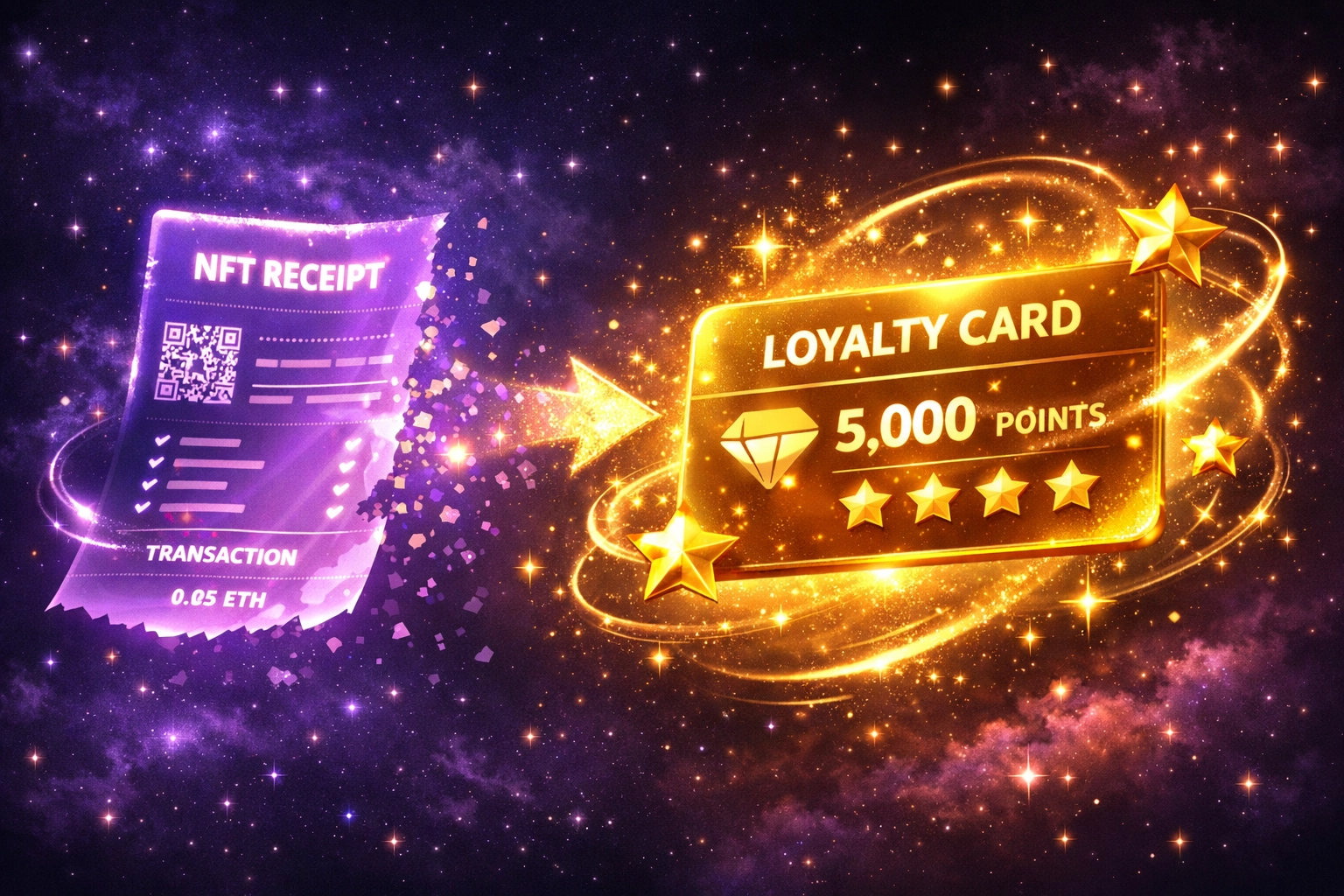
Every Larecoin transaction generates an optional NFT receipt.
Think of it as a blockchain-native receipt that doubles as a loyalty token. Merchants can program:
Discount triggers (spend $500, get 10% off your next purchase)
VIP access (NFT receipt holders unlock exclusive drops)
Resale value (limited-edition receipts trade on secondary markets)
This isn't theoretical. Fashion brands, gaming studios, and metaverse retailers are already using NFT receipts to gamify spending.
Traditional loyalty programs cost money to build. Credit card points cost 1%–2% per transaction in backend fees. NFT receipts? Automatic, zero-cost, blockchain-native.
How Larecoin Stacks Up Against Alternatives
Let's put this in context. Here's how Larecoin compares to the top crypto payment processors:
NOWPayments
Fee: 0.5%–1%
Networks: 200+ tokens across 15+ chains
Settlement: 1–3 business days
Downside: Middleware dependence, bridge risk
CoinPayments
Fee: 0.5%
Networks: 100+ tokens across 10+ chains
Settlement: Instant to wallet, 2–3 days to fiat
Downside: No native stablecoin, no Layer 1 control
Larecoin
Fee: 0.5%–1.2%
Networks: LareBlocks (native Layer 1), cross-chain bridges available
Settlement: 3–5 seconds on-chain, instant LUSD conversion
Advantage: NFT receipts, LUSD stability, sub-penny gas, zero bridge risk
NOWPayments and CoinPayments excel at multi-token support. Larecoin excels at speed, cost, and regulatory clarity.
If you're a merchant prioritizing margin efficiency and compliance predictability, Larecoin's Layer 1 model wins.
AI-Powered Metaverse Shopping: The Next Frontier
Here's where it gets wild.
Larecoin integrates AI-driven shopping assistants across metaverse platforms. Think of it as Alexa meets Decentraland meets Shopify.
Customers browse virtual storefronts, ask AI agents to find products, and pay instantly with LARE or LUSD. The AI assistant:
Recommends products based on purchase history and NFT receipts
Negotiates prices using smart contract auctions
Handles checkout in under 5 seconds
This isn't science fiction. Early metaverse retailers using Larecoin's AI shopping layer report 30%+ higher conversion rates compared to traditional Web3 checkout flows.
Why? Because friction kills sales. AI removes friction. Larecoin removes payment friction. Combined, they create the smoothest Web3 commerce experience on the market.
The CLARITY Act Timeline: What Happens Next
The CLARITY Act passed the House in July 2025. Senate markup sessions faced delays in January 2026, primarily over stablecoin reward provisions. Industry players (including Coinbase) withdrew support over disagreements on stablecoin interest policies.
But here's the reality: regulatory clarity is inevitable.
Whether the CLARITY Act passes this session or next, the framework it establishes: CFTC commodities vs. SEC securities: is the future. Larecoin's architecture anticipates that future.
Merchants building payment infrastructure today need to think ahead. Do you build on networks that might face SEC scrutiny? Or do you build on Layer 1 systems designed for commodity classification from day one?
How to Get Started
Setting up Larecoin payments takes under 10 minutes.
Create a merchant account at larecoin.com
Install the payment plugin (Shopify, WooCommerce, custom API)
Set LUSD or LARE as your payment option
Start accepting payments with 0.5%–1.2% fees
No compliance headaches. No chargebacks. No volatility risk if you settle in LUSD.
Want to explore the tech deeper? Check out LareScan to see live transactions, gas fees, and smart contract activity.
The CLARITY Act set the stage. Larecoin built the infrastructure. Your business gets the savings.
Let's build the future of payments. One transaction at a time.
Comments