

.png)
How the CLARITY Act (H.R. 3633) Changes Everything for Crypto Merchants Using Receivables Tokens
![Writer: [[[Free!!]<<<<]] Watch: 스포르팅 - 토트넘 Live Stream 13 September 2022](https://lh3.googleusercontent.com/a/AItbvmktwQc0wCdd3ZEETSYItRQubwwBzOyjD_dcigRf=s96-c)
CFTC Jurisdiction Just Made Crypto Payments Legitimate
The CLARITY Act dropped. February 2026 marks a turning point.
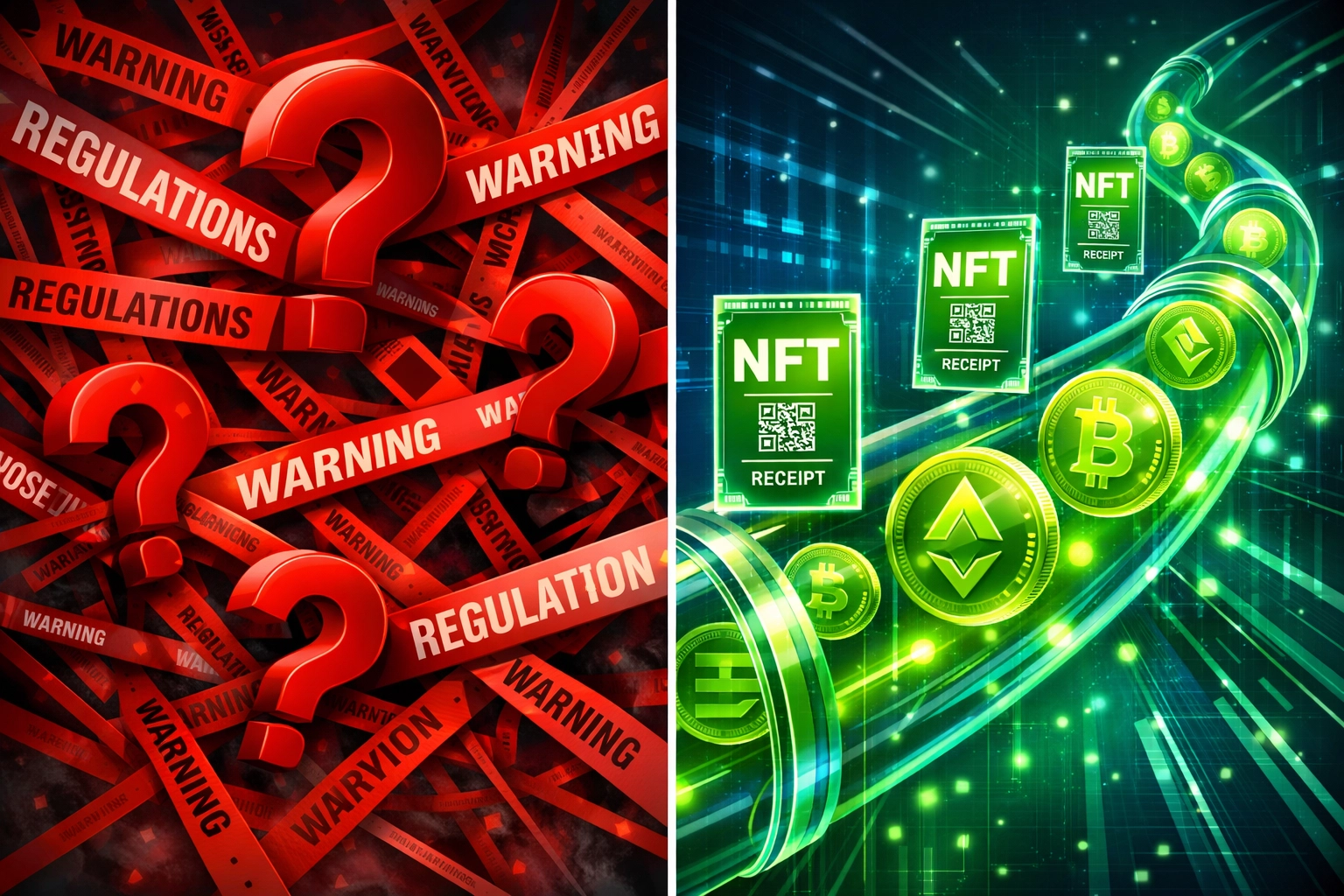
H.R. 3633 grants the CFTC exclusive jurisdiction over digital commodity spot markets. Translation? Receivables tokens like Larecoin now operate under clear federal oversight: not the murky SEC territory that's plagued crypto for years.
What This Means for Merchants:
Legal clarity on accepting crypto payments
No more guessing if your payment token is a security
CFTC oversight = lighter touch than SEC regulation
Compliance frameworks that actually make sense
Larecoin qualifies as a digital commodity under the Act's definition. Value derived from blockchain utility. Intrinsically linked to the LareBlocks Layer 1 system. Perfect fit.

Receivables Tokens vs. Traditional Crypto Payments
Legacy crypto payment processors built their models around Bitcoin and Ethereum. Both classified as commodities: but neither designed specifically for merchant transactions.
The Receivables Token Advantage:
Purpose-built for payment flows
Instant settlement on-chain
NFT receipt generation for every transaction
Built-in accounting hooks for merchants
CLARITY Act recognizes this distinction. Digital commodities designed for payments get streamlined compliance requirements. Intermediaries need registration, capital requirements, and custody standards: but these are manageable compared to securities registration.
Larecoin's receivables token model thrives under this framework. Gas-only transfers mean merchants pay cents, not dollars, per transaction. Push-to-card functionality bridges crypto to traditional banking rails.
50% Fee Savings: The Math That Matters
Traditional payment processors squeeze merchants. Credit card fees hit 2.9% + $0.30 per transaction. Sometimes higher for international orders or premium cards.
Legacy Crypto Payment Fees:
NOWPayments: 0.5% per transaction + network fees
CoinPayments: 0.5% per transaction + withdrawal fees
Hidden costs: conversion spreads, custody fees, delayed settlements
Larecoin's Structure:
0% platform fee on direct LARE payments
Network gas fees only (typically $0.002-0.01 per transaction)
LUSD stablecoin option eliminates volatility exposure
Instant settlement with NFT receipt confirmation
The savings compound. A merchant processing $100,000 monthly:
Traditional: $2,900+ in fees
NOWPayments: $500+ in fees plus spreads
Larecoin: $50-100 in gas fees
That's 96-98% reduction versus legacy systems. 90% reduction versus competing crypto processors.
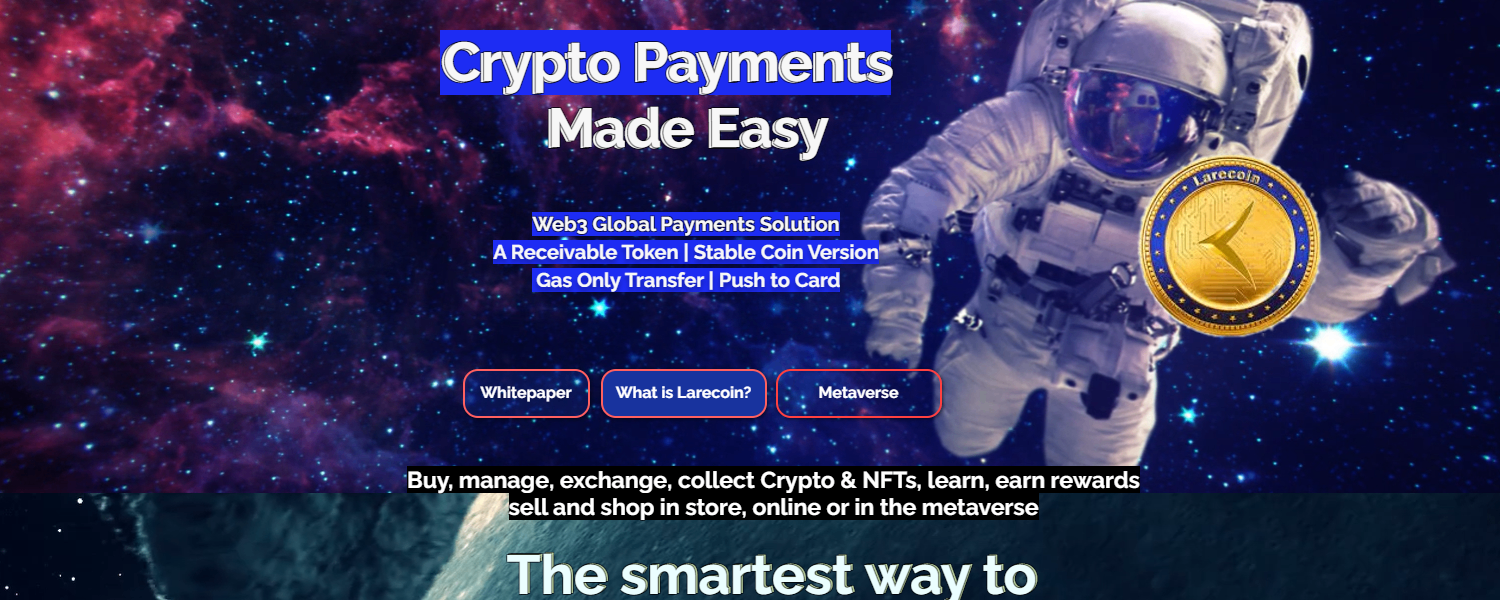
NFT Receipts: More Than Just Proof of Payment
Every Larecoin transaction generates an NFT receipt. This isn't a gimmick: it's revolutionary accounting infrastructure.
Why NFT Receipts Change the Game:
Immutable proof of transaction on LareBlocks Layer 1
Customer loyalty points embedded in metadata
Secondary market potential for limited edition purchases
Automatic integration with Web3 accounting systems
CLARITY Act compliance loves this. Transparent, auditable, timestamped. Regulators can verify transaction flows without accessing private keys. Merchants maintain self-custody while meeting CFTC intermediary requirements.
The NFT receipt also serves as gateway to metaverse experiences. Buy a product? Your NFT receipt grants access to exclusive virtual showrooms. This ties physical commerce to digital experiences: something NOWPayments and CoinPayments simply can't offer.
LUSD Stablecoin: Volatility Solved
Merchant objection #1 to crypto payments: "Bitcoin crashes 10% while my inventory sits."
LUSD stablecoin eliminates this concern. Pegged 1:1 to USD. Backed by overcollateralized reserves. Operates on the same LareBlocks infrastructure as LARE.
Merchant Options:
Accept LARE for maximum fee savings
Accept LUSD for price stability
Auto-convert LARE to LUSD at point-of-sale
Mix and match based on inventory cycles
Under CLARITY Act regulations, stablecoins get special treatment. Defined as digital commodities with stabilization mechanisms. Lighter compliance burden than securities. Heavier than pure commodities.
Larecoin's approach threads this needle perfectly. LUSD maintains CFTC compliance while offering merchant-friendly stability. Your payment processor should adapt to your risk tolerance: not force you into volatility exposure.
LareBlocks Layer 1: Self-Custody Security
Here's where competing platforms fall short. NOWPayments and CoinPayments operate as custodial intermediaries. They hold your crypto. You trust them.
CLARITY Act raises intermediary standards. Capital requirements. Insurance mandates. Custody protocols. Good for consumer protection: but adds overhead costs passed to merchants.
LareBlocks Layer 1 Alternative:
Merchants maintain self-custody wallets
Transactions settle directly on-chain
No intermediary holds your funds
Smart contracts automate compliance reporting
You control your private keys. You own your assets. The blockchain provides transparency for regulatory requirements without sacrificing sovereignty.
This architecture aligns perfectly with CFTC's digital commodity framework. The regulator wants transparency and consumer protection: not centralized control. Self-custody models with robust on-chain verification tick both boxes.
AI-Powered Metaverse Shopping: The 2026 Differentiator
CLARITY Act arrived just as metaverse commerce hits mainstream. AI agents help customers browse virtual stores. NFT receipts unlock exclusive experiences. Crypto payments flow seamlessly between physical and digital realms.
Larecoin's Metaverse Integration:
AI shopping assistants that understand customer preferences
Virtual storefronts linked to physical inventory
NFT-gated loyalty programs and member benefits
Cross-reality payment flows (in-store → online → metaverse)
Traditional processors can't replicate this. Their infrastructure predates Web3 thinking. They bolt crypto onto legacy rails instead of building native blockchain experiences.
Want the full breakdown on metaverse features? Check out 15 Metaverse Shopping Features that future-proof your business.
Competitive Analysis: Why Larecoin Wins Under CLARITY
NOWPayments:
Good: Multi-chain support, established reputation
Weak: Custodial model, higher fees, no metaverse integration
CLARITY Impact: Must meet intermediary capital requirements
CoinPayments:
Good: Merchant tools, wide crypto acceptance
Weak: Complex fee structure, withdrawal delays, legacy UX
CLARITY Impact: Compliance costs increase operational overhead
Larecoin:
Good: Purpose-built receivables tokens, 50%+ fee savings, NFT receipts, self-custody, metaverse-native
Weak: Newer platform (but backed by solid tech)
CLARITY Impact: Digital commodity status = streamlined compliance
The Act essentially validates Larecoin's architecture. Building for regulatory clarity from day one pays dividends when regulations crystallize.
Implementation: Getting Started Today
CLARITY Act goes into full effect over 18 months. Early adopters gain competitive advantage while others scramble.
Merchant Onboarding Steps:
Set up self-custody wallet on LareBlocks
Configure payment preferences (LARE, LUSD, or both)
Enable NFT receipt generation
Connect to metaverse storefront (optional)
Start accepting crypto payments with full CFTC compliance
The entire process takes hours, not weeks. No lengthy approval process. No custody handovers. No complex fee negotiations.
Visit Larecoin to explore merchant solutions and see real-world implementations.
The Regulatory Clarity Merchants Have Been Waiting For
H.R. 3633 changes the game. Receivables tokens get recognized. Digital commodities get clear frameworks. Merchants get certainty.
Larecoin built for this moment. Purpose-designed payment infrastructure. CFTC-aligned digital commodity classification. Fee structures that actually save merchants money.
The 10-year marathon continues. Every hour brings new innovations. Every transaction proves the model works.
Traditional payment processors had their era. CLARITY Act opens the next chapter. Crypto-native. Self-custody focused. Merchant-first design.
The question isn't whether to adopt crypto payments. It's whether to lead the transition or watch competitors capture market share.
Choose wisely.
Comments