

.png)
Is Metaverse Shopping Really the Future? Here's How Larecoin's B2B2C VR/AR Platform Works Today
![Writer: [[[Free!!]<<<<]] Watch: 스포르팅 - 토트넘 Live Stream 13 September 2022](https://lh3.googleusercontent.com/a/AItbvmktwQc0wCdd3ZEETSYItRQubwwBzOyjD_dcigRf=s96-c)
The metaverse retail market is projected to hit $1 trillion by 2030. That's not a maybe. That's happening.
But here's the problem: Most crypto payment processors are stuck in 2016. They're clunky. They charge insane fees. They don't even think about immersive commerce.
Larecoin is building something completely different. A B2B2C VR/AR shopping platform where merchants reduce interchange fees by over 50%, customers get NFT receipts, and everyone shops in virtual storefronts like they're browsing Instagram: except you can actually walk through the store.
Let's break down exactly how this works today.
Why NOWPayments, CoinPayments, and Triple-A Miss the Mark
Traditional crypto payment gateways solve one problem: accepting crypto. That's it.
NOWPayments offers 200+ currencies but still charges 0.5% per transaction plus withdrawal fees. No metaverse integration. No VR/AR. Just basic payment rails.
CoinPayments has been around forever. Legacy interface. Clunky merchant tools. And they take 0.5% on every transaction with zero innovation on immersive commerce.
Triple-A focuses on compliance and fiat conversion. Great for traditional e-commerce. Terrible for Web3-native merchants who want self-custody and metaverse readiness.
None of them offer:
NFT receipts as proof of purchase
Gas-only transfer models
Master/sub-wallet hierarchies for enterprise merchants
VR/AR shopping experiences
Social commerce in virtual environments
Larecoin does all of this. Out of the box.
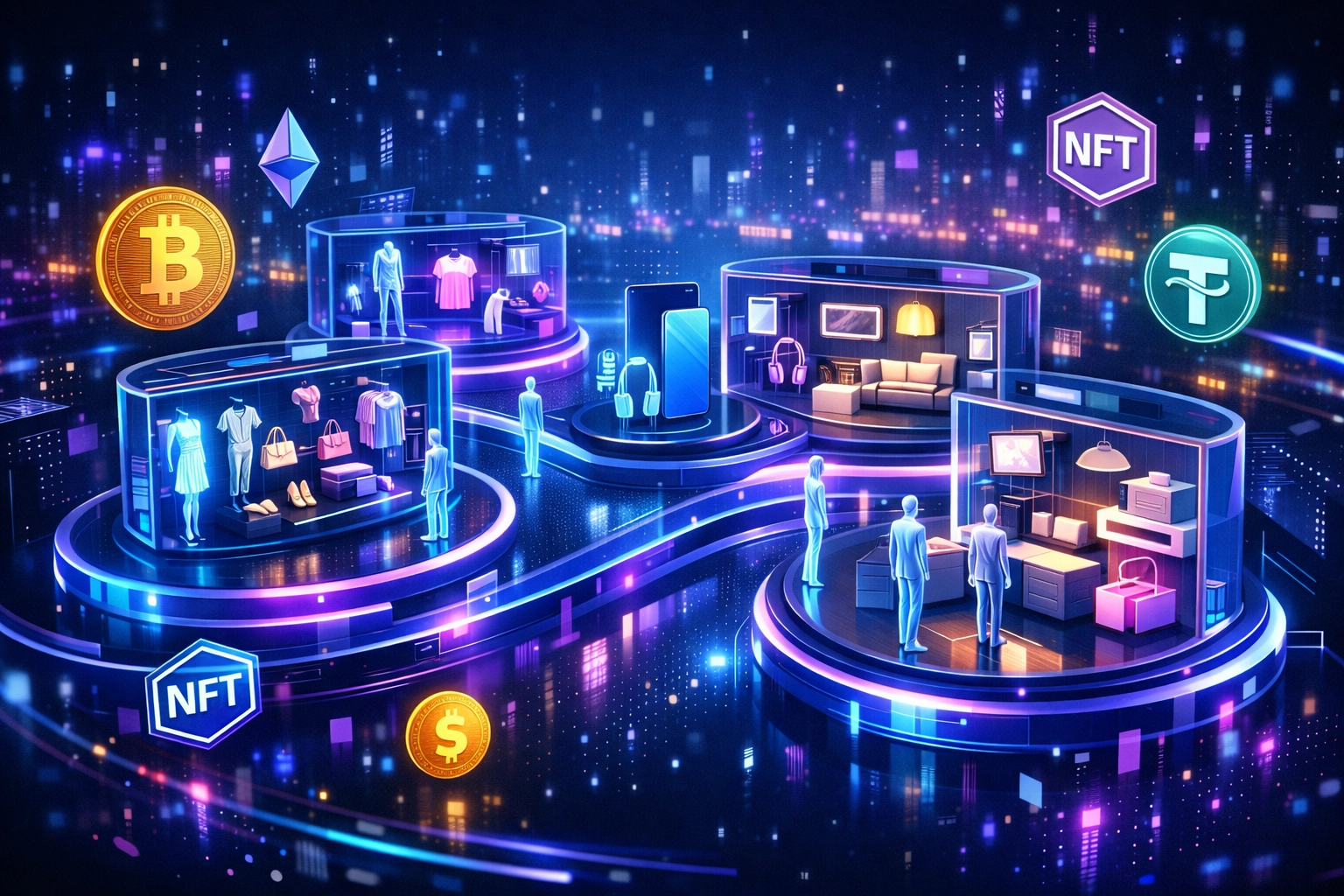
How Larecoin's B2B2C Metaverse Platform Actually Works
Think of Larecoin as three layers stacked together.
Layer 1: Merchant Infrastructure Business-to-business tools. Master wallets with unlimited sub-wallets. QR-generated point-of-sale systems. Real-time settlement in LARE or LUSD stablecoin.
Layer 2: Payment Rails Business-to-consumer transactions. Self-custody. Gas-only transfers that eliminate processing bloat. Push-to-card for instant liquidity.
Layer 3: Metaverse Storefronts VR/AR shopping environments. Customers browse virtual aisles. Try on digital wearables. Purchase physical goods with crypto. All transactions recorded as NFT receipts.
This isn't theoretical. Merchants are deploying this today.
Technical Advantages That Actually Matter
NFT Receipts
Every purchase generates an NFT receipt. Immutable proof of transaction. Perfect for warranties, authenticity verification, and loyalty programs.
Traditional receipts? Lost in your email spam folder.
NFT receipts? Stored in your wallet forever. Transferable. Resellable. Programmable.
LUSD Stablecoin Integration
Volatility kills crypto payments. Merchants don't want to accept Bitcoin today and lose 15% tomorrow.
Larecoin supports LUSD: a decentralized, overcollateralized stablecoin pegged to USD. No centralized issuer. No bank freeze risk. Just stable value.
Customers pay in LARE. Merchants receive LUSD. Volatility eliminated.
Gas-Only Transfers
Here's where Larecoin gets technical.
Most crypto payments have two costs:
Transaction fee (charged by the processor)
Gas fee (charged by the blockchain)
Larecoin eliminates #1. You only pay gas. That's it.
For merchants processing $100K monthly, that's $500+ saved compared to traditional processors charging 0.5%.
Self-Custody Architecture
Your keys. Your crypto. Your control.
NOWPayments and CoinPayments hold your funds. You're trusting a third party. That's the opposite of crypto's promise.
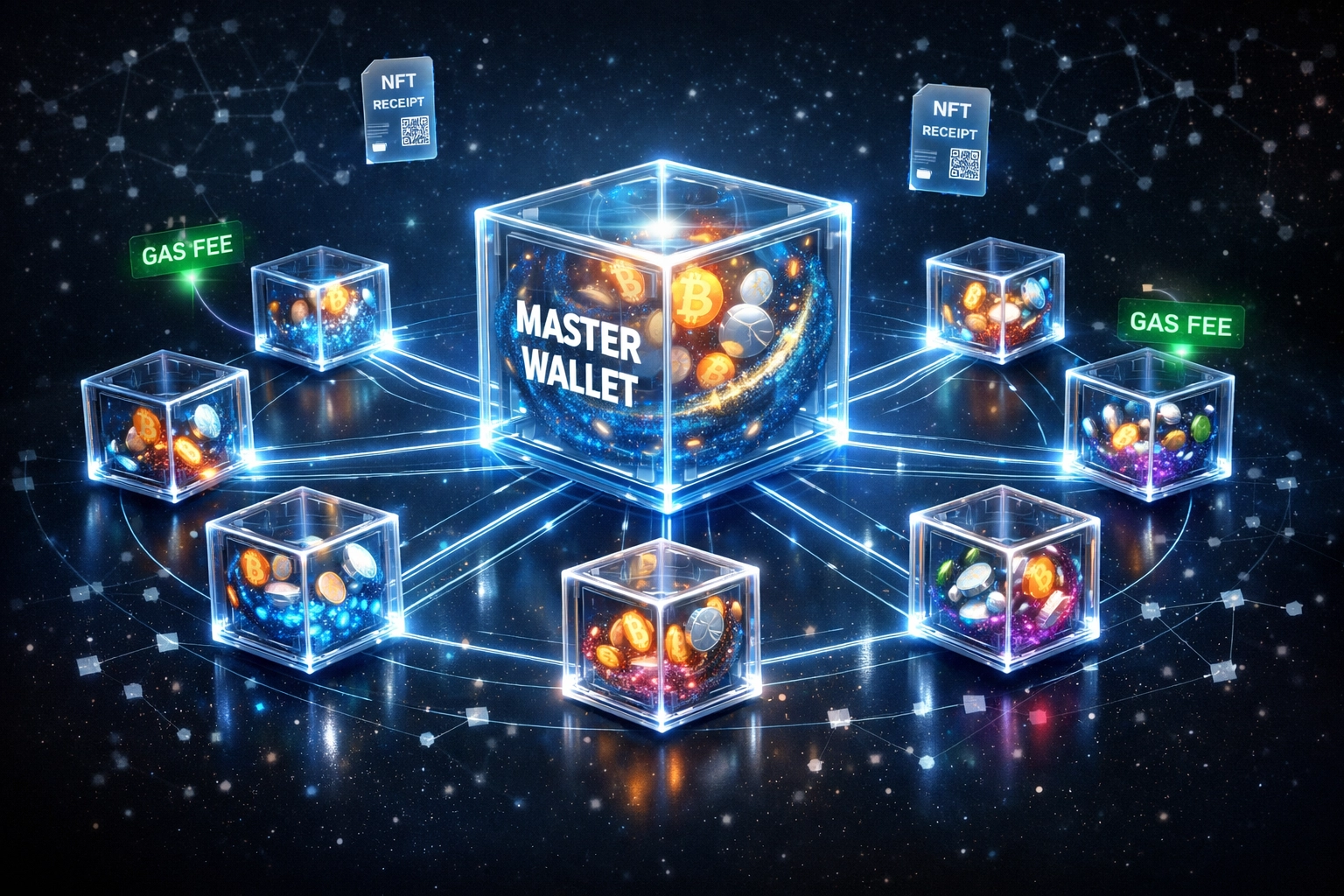
Larecoin uses master/sub-wallet structures. Merchants maintain custody. Multi-sig options for enterprise security. No intermediary holding funds.
This is how crypto payments were supposed to work from day one.
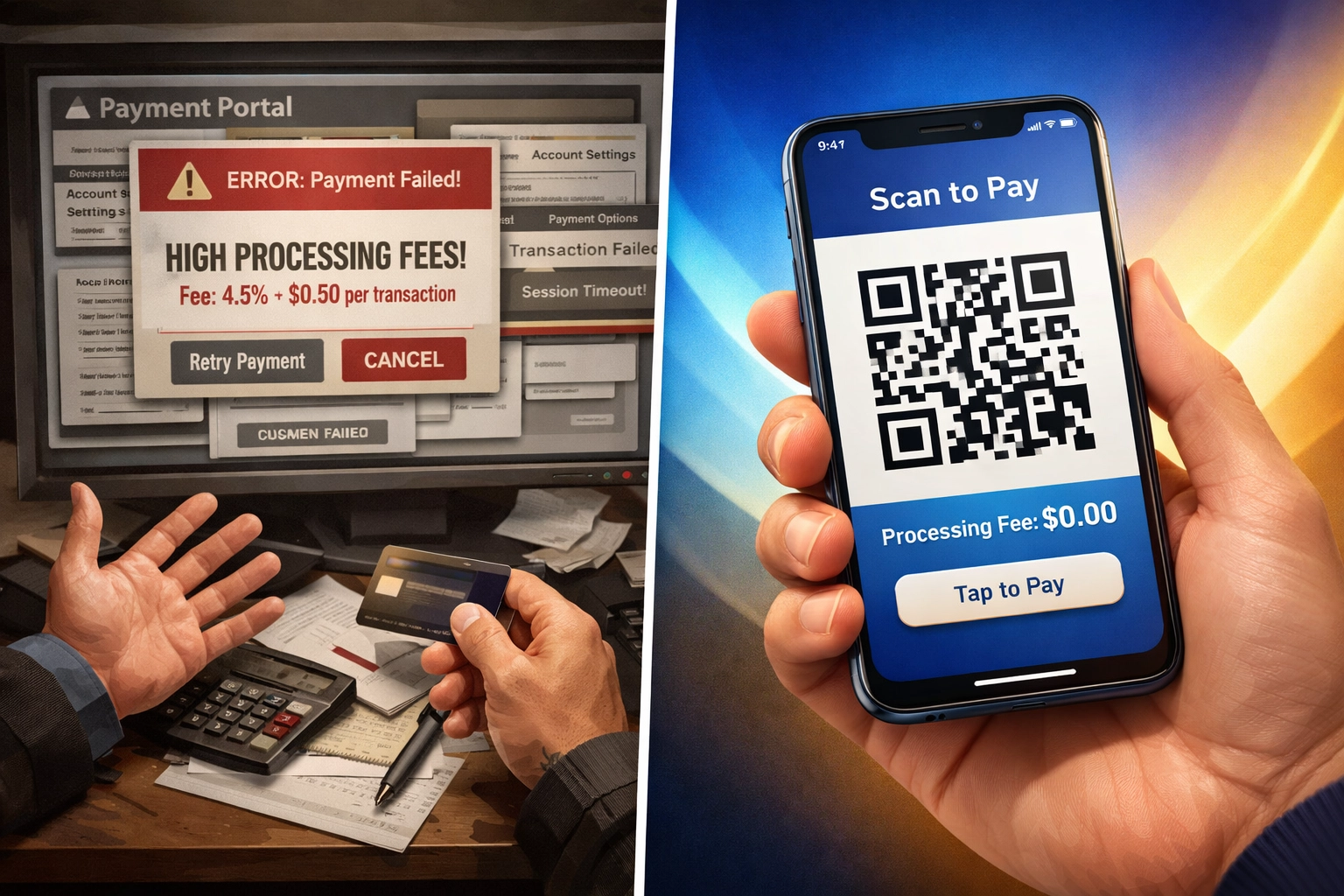
Merchant Benefits: Fee Savings That Scale
Let's talk numbers.
Traditional payment processors (Visa, Mastercard, PayPal) charge 2.9% + $0.30 per transaction. For a $50 sale, that's $1.75 in fees.
Crypto processors like CoinPayments? 0.5%. Better, but not revolutionary. For that same $50 sale, you're paying $0.25 plus gas.
Larecoin? Gas only. Depending on network congestion, that's $0.02 to $0.10 on Solana or Binance Smart Chain.
Fee reduction: Over 90% compared to traditional rails.
Master/Sub-Wallet Hierarchies
Enterprise merchants need structure. Franchises. Multi-location retailers. Marketplaces with hundreds of vendors.
Larecoin's master wallet system lets you create unlimited sub-wallets. Each location gets its own wallet. All funds flow upward to the master account. Real-time reconciliation. Zero manual transfers.
QR-Generated POS Systems
No expensive hardware. No monthly terminal fees.
Merchants generate QR codes through the Larecoin dashboard. Customers scan. Transaction completes. NFT receipt generated.
Works in-store, at pop-ups, at events. Anywhere you have a smartphone.
Total cost? Zero for the merchant.
Social Shopping in the Larecoin Metaverse
Here's where it gets wild.
Larecoin isn't just a payment processor. It's building a B2B2C metaverse shopping environment where merchants create virtual storefronts and customers shop with avatars.
How It Works
Merchant sets up a VR/AR storefront in the Larecoin metaverse
Customers enter with their Web3 wallet connected
Browse products in 3D. Pick them up. Rotate them. Try them on.
Add to cart. Checkout with LARE or LUSD.
Receive NFT receipt + physical product shipped to your door.
91% of Gen Z shoppers are interested in AR experiences. This isn't niche. It's mainstream consumer behavior.
Social Commerce Features
Group shopping sessions with friends
Live product launches with interactive Q&A
Virtual try-ons for fashion, accessories, cosmetics
Gamified loyalty programs with collectible NFTs
In-metaverse influencer collaborations
Traditional e-commerce is isolating. You browse alone. Click. Buy. Done.
Metaverse shopping is social. It's experiential. It's memorable.
And it converts 94% better according to early AR shopping data.
Want to see what this looks like? Check out our 15 Metaverse Shopping Features guide.
Compliance and Trust: Federal MSB + State MTL Coverage
Crypto's Wild West days are over. Regulators are watching. Merchants need legitimate, compliant infrastructure.
Larecoin operates as a federally registered Money Services Business (MSB) with state-level Money Transmitter Licenses (MTL) across the United States.
What does that mean for you?
Legal Protection
You're not using some offshore payment processor with zero regulatory oversight. Larecoin complies with FinCEN requirements, state regulations, and AML/KYC standards.
Bank-Level Security
Multi-signature wallets. Cold storage options. Encrypted transaction data. Regular third-party audits.
Merchant Confidence
Your customers trust you. You need to trust your payment infrastructure.
Larecoin's compliance coverage means you can accept crypto payments without legal gray areas. No surprise shutdowns. No frozen accounts.
This is institutional-grade infrastructure for forward-thinking merchants.

What Happens Next
The metaverse isn't coming. It's here.
Major brands are already experimenting with virtual storefronts. Nike. Gucci. Walmart. They see the trillion-dollar opportunity.
But here's the thing: They're using clunky, proprietary systems. Closed ecosystems. No interoperability. No self-custody.
Larecoin is building the open infrastructure layer. Any merchant can deploy a metaverse storefront. Any customer can shop across the entire ecosystem. All powered by transparent, self-custodial Web3 payments.
You can wait for the big players to figure it out. Or you can start building today with tools that actually work.
Fee savings over 50%. NFT receipts. LUSD stablecoin stability. Federal MSB registration. VR/AR shopping experiences.
This is how commerce evolves.
Ready to explore the Larecoin ecosystem? Start at larecoin.com or join the conversation in our Community Discussion.
The future of shopping is immersive, decentralized, and happening right now.
Comments