

.png)
Larecoin Vs CoinPayments: Which Is Better For Your Crypto POS System?
- [[[Free!!]<<<<]] Watch: 스포르팅 - 토트넘 Live Stream 13 September 2022
- 1 hour ago
- 4 min read
![Writer: [[[Free!!]<<<<]] Watch: 스포르팅 - 토트넘 Live Stream 13 September 2022](https://lh3.googleusercontent.com/a/AItbvmktwQc0wCdd3ZEETSYItRQubwwBzOyjD_dcigRf=s96-c)
Choosing a crypto POS system isn't just about accepting Bitcoin anymore.
It's about fees. Self-custody. Freedom. And keeping more of what you earn.
CoinPayments has been around since 2013. They've built a solid reputation. But the crypto payments landscape has evolved dramatically.
Enter Larecoin.
A Web3-native solution built for merchants who want independence. No middlemen holding your funds. No excessive fees eating into your margins.
Let's break down both options so you can make the smartest choice for your business.
CoinPayments: The Established Player
CoinPayments knows the game. They've been processing crypto transactions for over a decade.
What they bring to the table:
40+ supported cryptocurrencies including Bitcoin, Ethereum, and stablecoins like USDT/USDC
Ready-made plugins for Shopify, WooCommerce, and Magento
MPC infrastructure with two-factor authentication
GAP600 instant confirmation technology
98% accuracy in real-time blockchain analysis
Their fee structure sits at 0.5-1% per transaction depending on the asset. Service fees for payouts? 0%.
Sounds reasonable on paper.
But here's where things get interesting.
Larecoin: The Decentralized Disruptor
Larecoin wasn't built to copy existing payment processors.
It was built to replace them.
The core philosophy? Merchant freedom above everything.
No custodial wallets holding your crypto hostage. No waiting for withdrawals. No permission needed to access your own money.
Larecoin's key differentiators:
True self-custody from transaction to settlement
NFT receipts for every purchase
LUSD stablecoin integration for volatility protection
Gas-only transfers keeping costs minimal
Push-to-card functionality for instant fiat conversion
Contactless POS designed for Web3
This isn't incremental improvement. It's a fundamental rethinking of how crypto payments should work.
Fee Breakdown: Where Your Money Actually Goes
Let's talk numbers.
CoinPayments charges 0.5-1% on every transaction. Process $100,000 monthly and you're looking at $500-$1,000 in fees. Every single month.
That adds up fast.
Larecoin operates differently. Gas-only transfers mean you pay network fees: nothing more. No percentage-based cuts eating into your revenue.
Monthly processing comparison ($100K volume):
Platform | Fee Structure | Monthly Cost |
CoinPayments | 0.5-1% | $500-$1,000 |
Larecoin | Gas-only | Variable (significantly lower) |
For growing merchants, these savings compound. $6,000-$12,000 annually. That's real money back in your pocket.
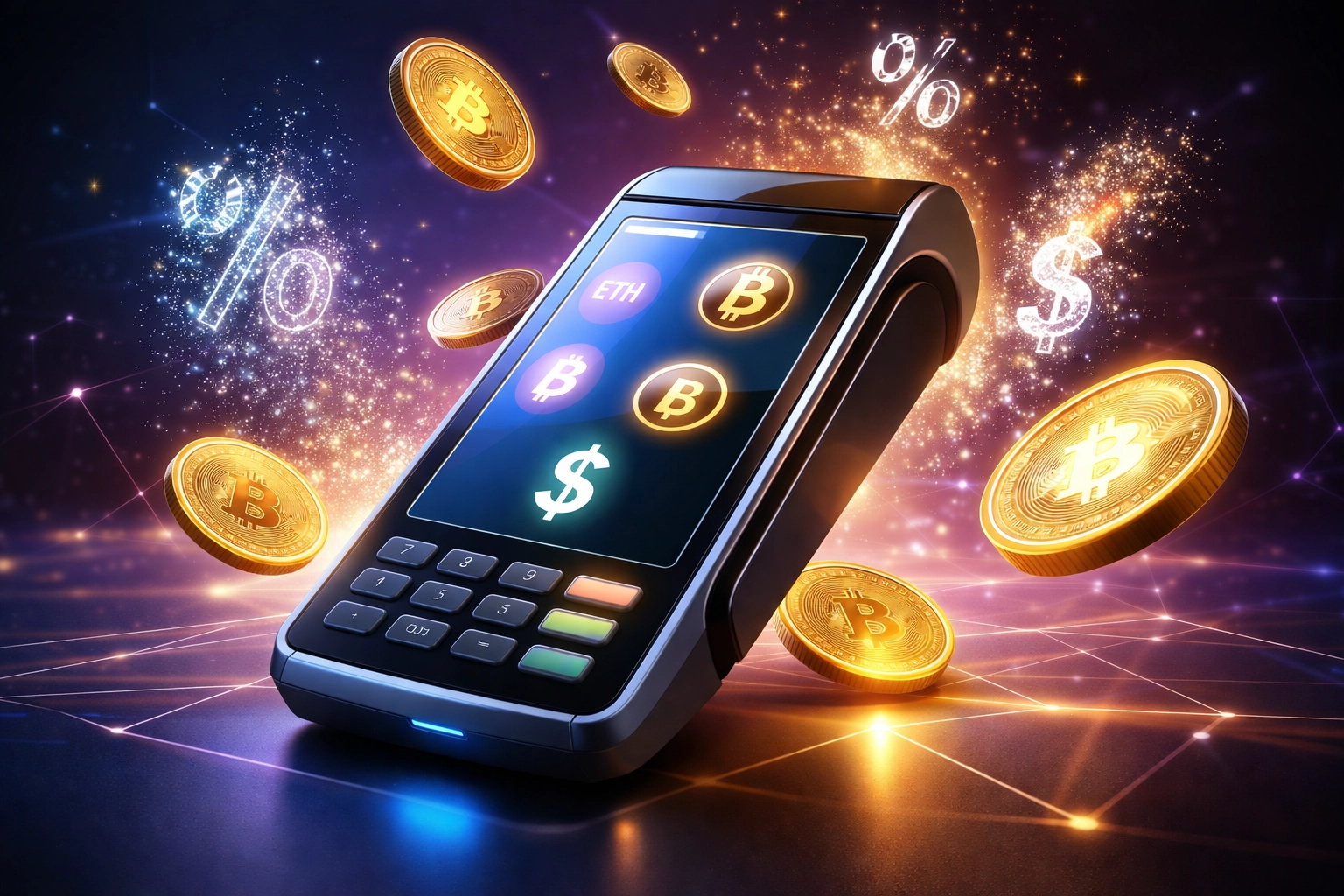
Self-Custody vs. Custodial: Who Controls Your Crypto?
This is the big one.
CoinPayments operates a custodial model. Your crypto sits in their wallets until you withdraw. They control the keys. You trust them to release your funds.
Sound familiar? It should. It's the same model traditional banks use.
Larecoin flips this entirely.
Self-custody means:
Your keys, your crypto: always
No withdrawal requests or waiting periods
No counterparty risk
Full control over settlement timing
Independence from third-party solvency
We've all seen what happens when crypto platforms fail. FTX. Celsius. The list goes on.
Self-custody isn't just a feature. It's protection.
Your business shouldn't depend on someone else staying solvent.
NFT Receipts: More Than Just a Gimmick
Every Larecoin transaction generates an NFT receipt.
Why does this matter?
For merchants:
Immutable proof of every transaction
Automatic warranty tracking
Enhanced customer loyalty programs
Transparent audit trails
Reduced dispute resolution time
For customers:
Proof of purchase that can't be lost
Easy returns and exchanges
Collectible transaction history
Enhanced trust in merchant relationships
CoinPayments doesn't offer this. Traditional payment processors definitely don't.
NFT receipts aren't about being trendy. They're about creating verifiable, permanent records that benefit everyone involved.
LUSD: Stability When You Need It
Crypto volatility scares merchants. Understandably so.
Accept $500 in Bitcoin. Watch it become $450 by end of day. That's a real concern.
LUSD solves this.
Larecoin's stablecoin integration lets merchants settle in stable value. Accept any crypto. Convert to LUSD instantly. No volatility stress.
LUSD advantages:
Pegged stability for predictable accounting
Seamless conversion within the ecosystem
Lower conversion fees than external stablecoin swaps
Native integration with Larecoin's POS system
CoinPayments supports USDT and USDC. But they're not native to the platform. You're dealing with third-party stablecoins and additional conversion steps.
LUSD keeps everything in-house. Simpler. Cheaper. Better.
Integration and Setup: Getting Started
CoinPayments has been around longer. Their plugin ecosystem is extensive.
Shopify. WooCommerce. Magento. OpenCart. PrestaShop.
If you're running a major e-commerce platform, integration is straightforward.
Larecoin takes a different approach.
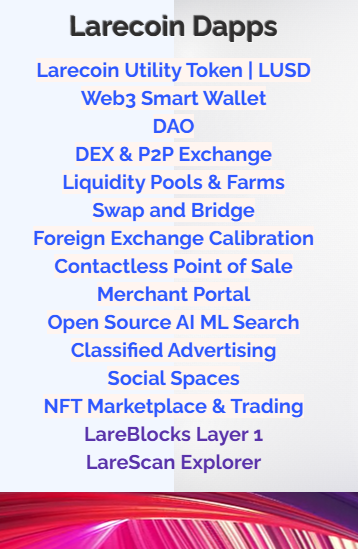
The Larecoin ecosystem includes:
Contactless POS for in-store payments
Merchant portal for transaction management
Smart wallet integration
API access for custom implementations
Decentralized exchange connectivity
Liquidity pools and swap functionality
It's not just a payment processor. It's a complete Web3 commerce infrastructure.
Setup requires a Web3 mindset. Connect your wallet. Configure your settlement preferences. Start accepting payments.
No lengthy approval processes. No waiting for merchant account verification. No permission needed.

Security: Trust Models Compared
CoinPayments invests heavily in security. MPC infrastructure. Two-factor authentication. Real-time blockchain analysis.
Impressive tech. But still centralized.
You're trusting their security team. Their infrastructure. Their protocols.
Larecoin's security model is fundamentally different.
Decentralized security means:
No single point of failure
No honeypot of funds to target
Individual wallet security
Blockchain-native protection
Trustless transaction verification
You're not trusting Larecoin with your funds. You're trusting the blockchain. That's a significant philosophical and practical difference.
Which Platform Wins?
It depends on what you value.
Choose CoinPayments if:
You want plug-and-play e-commerce integration
You're comfortable with custodial arrangements
You prioritize established track record
You don't mind percentage-based fees
Choose Larecoin if:
Self-custody is non-negotiable
Fee savings matter to your margins
NFT receipts add value for your customers
You want Web3-native infrastructure
Merchant independence is a priority
The crypto payments space is evolving. What worked in 2013 isn't necessarily optimal in 2026.
Larecoin represents where the industry is heading. Decentralized. Self-custodial. Merchant-first.
Making the Switch
Ready to explore what merchant freedom actually looks like?
The Larecoin ecosystem is built for businesses tired of paying middlemen. Tired of asking permission. Tired of trusting third parties with their revenue.
Visit larecoin.com to explore the full platform. Check out the crypto section for detailed tokenomics.
Your crypto. Your keys. Your business.
That's the Larecoin promise.
Comments