

.png)
Looking For a CoinPayments Alternative? Here Are 10 Things You Should Know About Self-Custody
- [[[Free!!]<<<<]] Watch: 스포르팅 - 토트넘 Live Stream 13 September 2022
- 1 hour ago
- 4 min read
![Writer: [[[Free!!]<<<<]] Watch: 스포르팅 - 토트넘 Live Stream 13 September 2022](https://lh3.googleusercontent.com/a/AItbvmktwQc0wCdd3ZEETSYItRQubwwBzOyjD_dcigRf=s96-c)
The crypto payments space is evolving. Fast.
If you're a merchant exploring alternatives to CoinPayments, you've probably noticed something. Most payment processors want to hold your money. They call it "custody." We call it a liability.
Self-custody isn't just a buzzword. It's the foundation of financial sovereignty in Web3. And if you're not paying attention, you're leaving money: and control: on the table.
Here are 10 things every merchant needs to know about self-custody before choosing a crypto payment solution.
1. Self-Custody Means YOU Control Your Funds
Let's start with the basics.
Self-custody = your keys, your crypto. No middleman. No waiting periods. No withdrawal limits imposed by a third party.
When you use a custodial payment processor, they hold your funds. You're trusting them to keep your money safe. You're trusting them to stay solvent. You're trusting them to not freeze your account.
That's a lot of trust.
With self-custody solutions, funds transfer directly from customer wallet to merchant wallet. No intermediary touching your revenue.
2. Third-Party Custody = Third-Party Risk
Remember FTX? Celsius? BlockFi?
Millions of users learned the hard way. When someone else holds your crypto, you're exposed to their failures. Their hacks. Their mismanagement. Their bankruptcy proceedings.
CoinPayments operates as a custodial service. So does NOWPayments in many configurations. That means your funds sit in their wallets until you withdraw.
What happens if they go down? You wait. You hope. You pray.
Self-custody eliminates this risk entirely.
3. Not All "Crypto Payment Processors" Offer True Self-Custody
Here's where it gets tricky.
Some processors market themselves as non-custodial. But read the fine print. Many still route transactions through their wallets first. Some hold funds for "verification." Others charge fees to release your own money.
True non-custodial means direct wallet-to-wallet transfers. No holding. No delays. No permission needed.
Larecoin was built this way from day one. Direct transfers between customer and merchant wallets. Period.
4. Self-Custody Slashes Your Interchange Fees by 50%+
This is where merchants really win.
Traditional payment processors charge 2.5%–3.5% per transaction. CoinPayments charges around 0.5%–1%. NOWPayments sits in a similar range.
Sounds good, right?
Now consider this. Larecoin merchants see interchange fee reductions of 50% or more compared to legacy crypto processors. Why? Because we're not maintaining massive custodial infrastructure. We're not holding your funds. We're not managing withdrawal queues.
Lower overhead = lower fees. Simple economics.
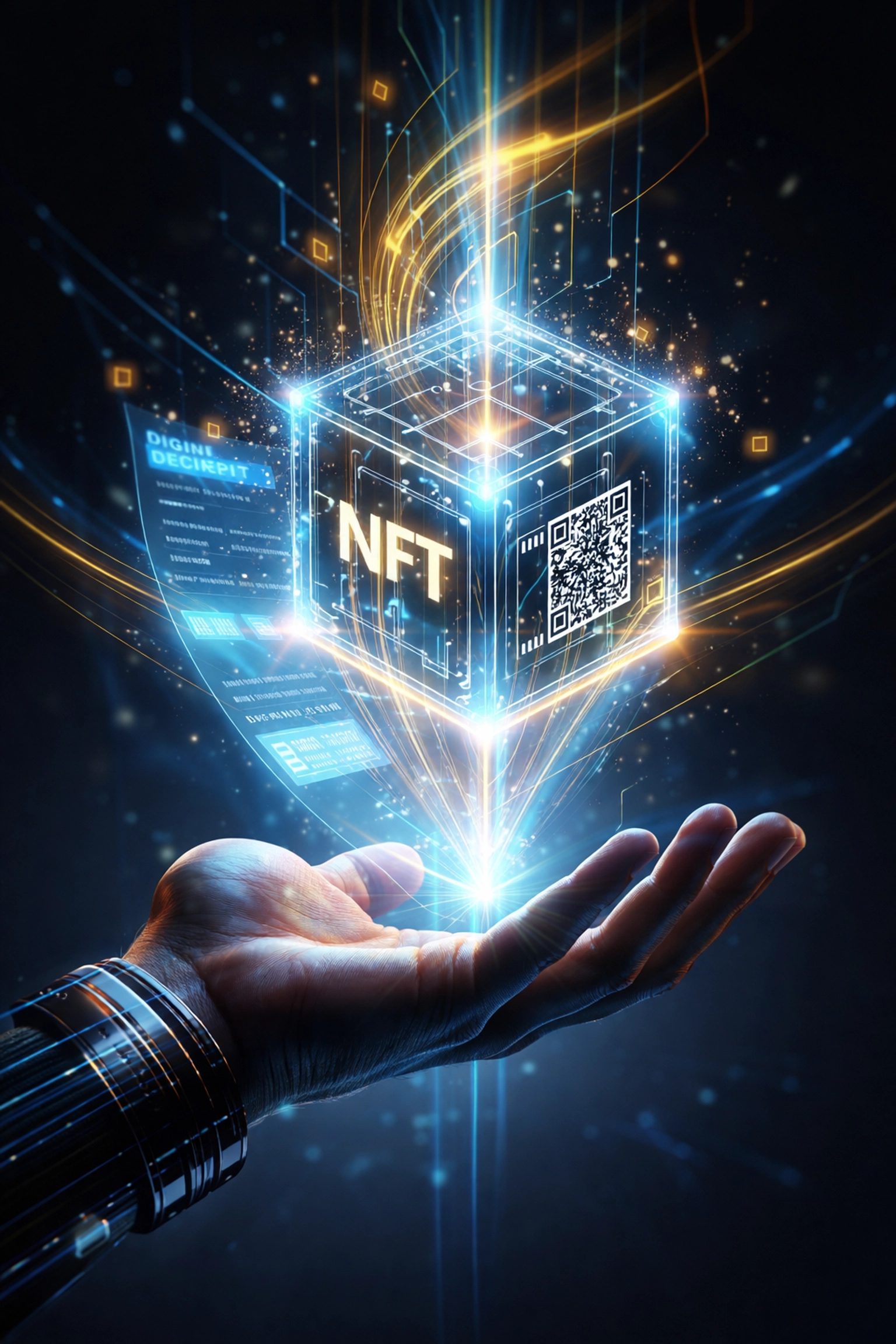
5. NFT Receipts Are the Future of Transaction Records
Here's something CoinPayments and NOWPayments can't offer.
NFT receipts.
Every transaction on Larecoin generates a verifiable, on-chain receipt as an NFT. Immutable. Transparent. Permanent.
For merchants, this means:
Bulletproof transaction records
Easy dispute resolution
Automated audit trails
Customer loyalty tracking built-in
No more spreadsheets. No more PDF receipts lost in email. Every transaction lives on-chain forever.
6. LUSD Stablecoin Eliminates Volatility Risk
Crypto volatility kills merchant adoption. Everyone knows this.
Accept $100 in BTC today. Wake up tomorrow to $85. That's not sustainable for business operations.
Enter LUSD: Larecoin's native stablecoin.
LUSD maintains a 1:1 peg with USD. Merchants can accept any supported crypto and instantly settle in LUSD. No volatility exposure. No conversion delays. No third-party stablecoin dependencies.
CoinPayments offers fiat settlements, but you're back to custodial risk and banking delays. NOWPayments supports various stablecoins, but you're still trusting external protocols.
LUSD keeps everything in-ecosystem. Self-custodied. Stable. Yours.
7. CoinPayments Has Limitations You Need to Understand
Let's be direct about CoinPayments.
The Good:
Supports 100+ cryptocurrencies
Been around since 2013
Decent API documentation
The Problems:
Custodial model with all associated risks
Withdrawal fees add up
Limited self-custody options
No NFT receipt functionality
Higher fees for premium features
Fiat conversion requires additional steps
CoinPayments served the market well for years. But Web3 has evolved. The expectations have changed. Merchants need more.
8. NOWPayments Comparison: Close But Not Quite
NOWPayments positions itself as a modern alternative. And it's decent.
They offer:
Non-custodial options (in some configurations)
Subscription payment support
API integrations
But here's what's missing:
No native stablecoin for instant settlement
No NFT receipt generation
Higher fees for full non-custodial setup
Limited merchant growth tools
NOWPayments works for basic crypto acceptance. But if you're building a serious business in Web3, you need infrastructure that grows with you.
9. Self-Custody Enables True Financial Sovereignty
This goes beyond business operations.
Financial sovereignty means no one can freeze your funds. No government. No corporation. No payment processor having a bad day.
For merchants operating globally, this matters. A lot.
Custodial services must comply with various jurisdictions. They can freeze accounts. They can demand documentation. They can delay withdrawals indefinitely.
Self-custody puts you in control. Your revenue. Your timeline. Your rules.
Larecoin's merchant solutions were designed around this principle. Because merchants deserve to actually own their money.
10. The Future of Payments Is Self-Custodied
Let's zoom out.
The entire crypto movement started with one idea: be your own bank.
Yet most crypto payment processors operate like traditional banks. They hold your money. They charge you fees. They control your access.
That's not Web3. That's Web2 with extra steps.
The future belongs to protocols that respect user sovereignty. That means:
Direct wallet-to-wallet transfers
On-chain transaction records
Native stablecoins for stability
Zero custodial risk
Larecoin isn't just another CoinPayments alternative. It's a fundamental rethink of how crypto payments should work.
Making the Switch
Ready to take control?
Here's your action plan:
The Bottom Line
CoinPayments and NOWPayments served their purpose. They brought crypto payments to the mainstream.
But the standard has changed.
Self-custody isn't optional anymore. It's essential.
Lower fees. Zero counterparty risk. NFT receipts. LUSD stability. True financial sovereignty.
That's what Larecoin delivers.
The question isn't whether you need a CoinPayments alternative. The question is whether you're ready to actually own your revenue.
Comments