

.png)
Looking For a Decentralized Crypto Payment Solution? Here Are 10 Things You Should Know About Receivables Tokens
- [[[Free!!]<<<<]] Watch: 스포르팅 - 토트넘 Live Stream 13 September 2022
- 2 hours ago
- 5 min read
![Writer: [[[Free!!]<<<<]] Watch: 스포르팅 - 토트넘 Live Stream 13 September 2022](https://lh3.googleusercontent.com/a/AItbvmktwQc0wCdd3ZEETSYItRQubwwBzOyjD_dcigRf=s96-c)
Decentralized crypto payments are changing how merchants handle money.
No middlemen. No custody. No permission needed.
Receivables tokens sit at the heart of this revolution. They're not your typical payment solution. They're programmable NFT receipts that give merchants total control over their transactions.
If you're tired of platforms like NOWPayments and CoinPayments holding your funds and charging processing fees, receivables tokens offer something different.
Here's everything you need to know.
1. They're Programmable NFTs, Not Paper Receipts
Forget traditional invoices.
A receivables token is a programmable NFT representing a payment claim. Each transaction generates a unique on-chain token that proves payment happened.
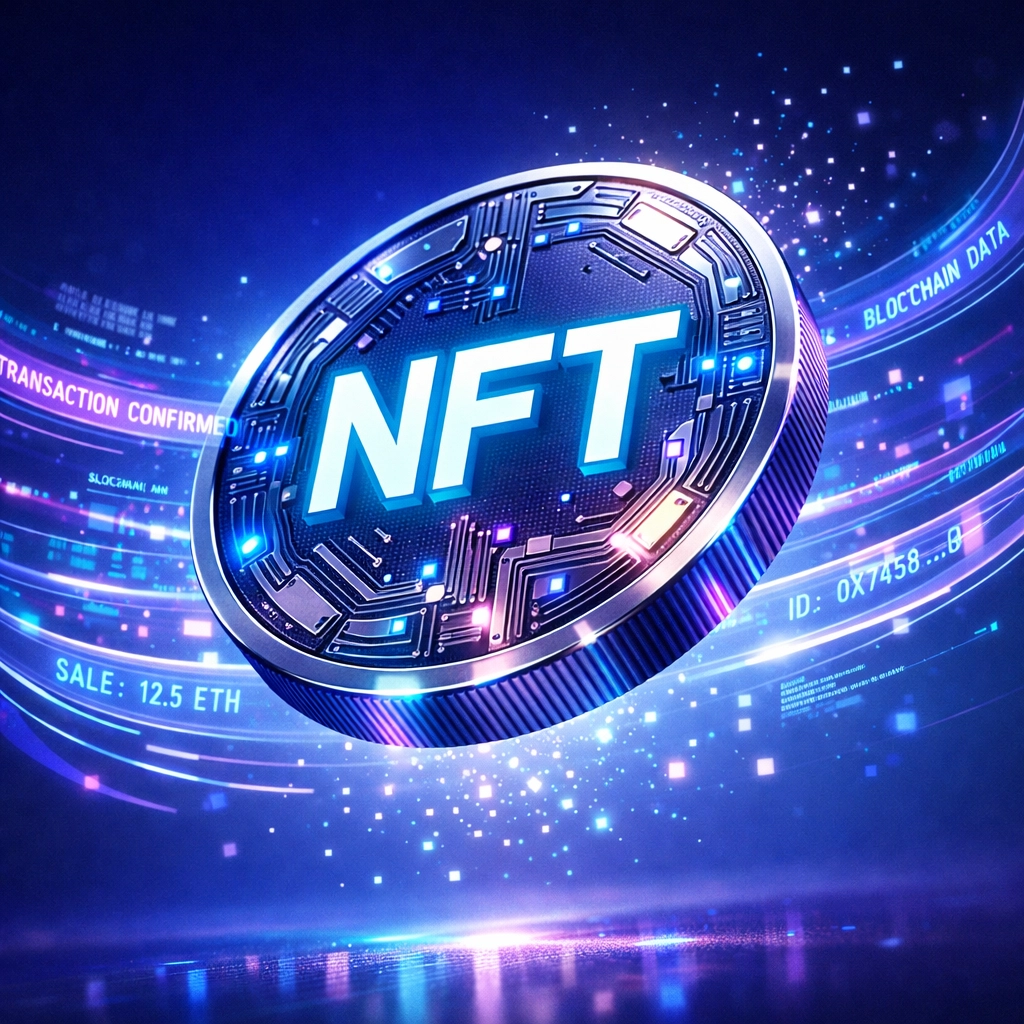
Think of it as a digital receipt with embedded value and smart contract functionality. You can program conditions, transfer ownership, or use it as collateral.
This isn't static paperwork locked in a filing cabinet. It's a living digital asset on the blockchain.
NOWPayments gives you a transaction ID in their database. CoinPayments emails you a receipt. With receivables tokens, you own an NFT that lives in your wallet forever.
2. Middlemen Are Completely Eliminated
Payment processors exist to route money and verify transactions.
Receivables tokens make them obsolete.
Instead of routing payments through networks like Visa that charge tolls, you create a direct digital receipt with real value. No third-party approval. No fund holding. No gatekeepers deciding if you're allowed to receive payments.
Traditional flow: Customer → Payment Processor → Bank Network → Your Account (minus fees)
Receivables token flow: Customer → Your Wallet (instant)
The difference? Freedom.
Platforms like CoinPayments hold your crypto in their custody. They decide when you withdraw. They control your access.
Receivables tokens give custody back to merchants where it belongs.
3. Cost Reduction Is Game-Changing
Traditional payment processing costs 2.5% per transaction on average.
Receivables tokens reduce this to gas fees only. That's a 99.9% cost reduction.
A $100 sale costs you $2.50 through traditional processors. Through receivables tokens? About $0.05 in gas fees.

NOWPayments charges 0.5% for crypto payments. Sounds low until you process volume. On $100,000 in monthly sales, that's $500 in fees.
With receivables tokens paired with stablecoins like LUSD, you pay only network costs. No percentage cuts. No hidden fees. No monthly minimums.
Your money. Your wallet. Your rules.
4. Settlement Is Truly Instant
"Instant settlement" on traditional platforms means 1-3 business days.
That's not instant. That's delayed.
Receivables tokens hit your wallet the moment a transaction completes. Zero settlement delays. Zero temporary holds. The blockchain handles verification and payment atomically in a single transaction.
CoinPayments processes your withdrawal request. Then you wait. Then they approve. Then blockchain processes.
With receivables tokens, the transaction IS the settlement. No waiting period. No withdrawal requests. The customer pays, the NFT receipt generates, and funds land in your wallet simultaneously.
This matters for cash flow. Real businesses need real-time access to real money.
5. You Maintain Complete Self-Custody
Self-custody isn't just a buzzword. It's financial sovereignty.
You control the token completely. Hold it. Transfer it. Convert it. No one can freeze your account or deny your withdrawal.
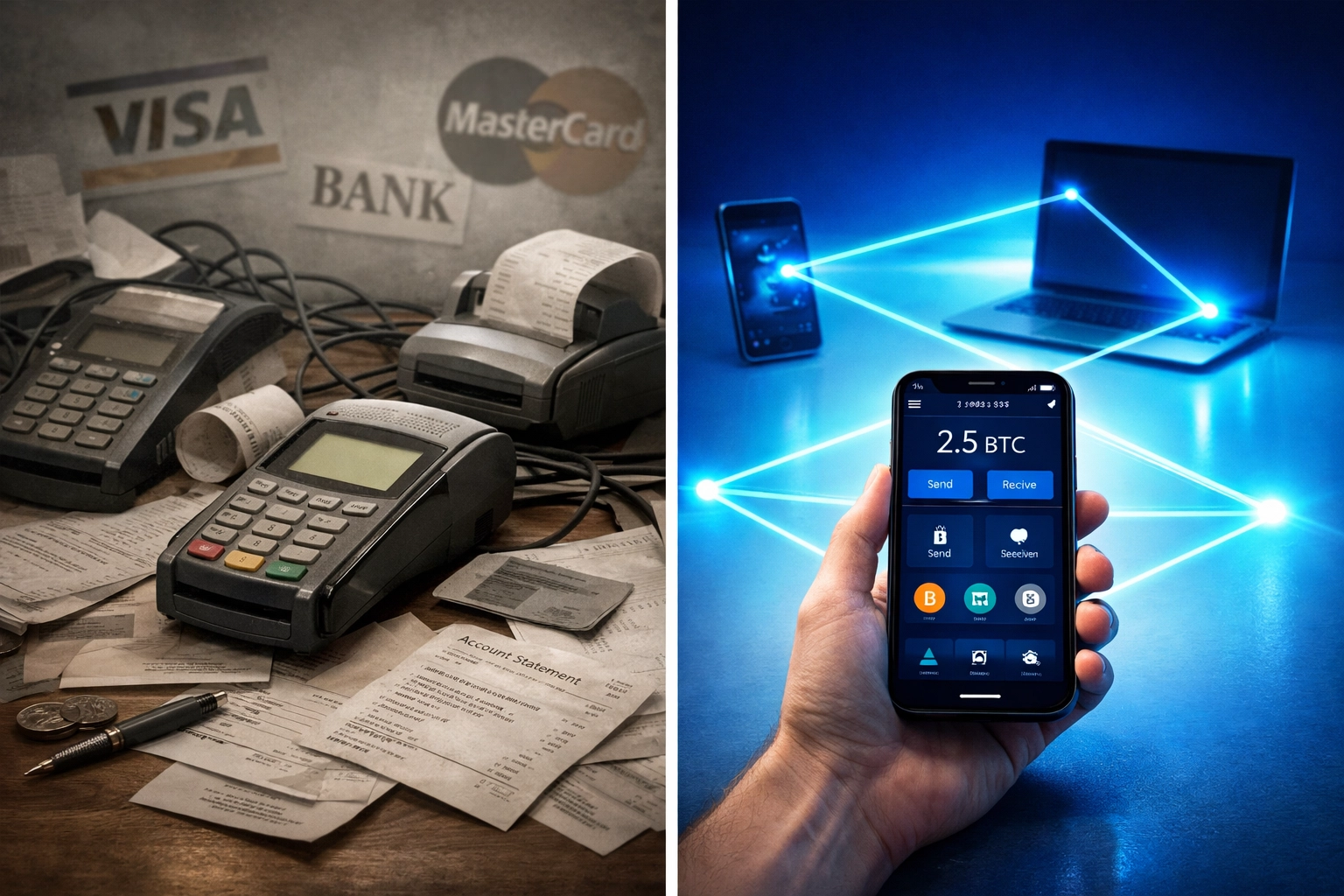
Traditional crypto payment processors are custodial by design. They hold your crypto in their wallets. You're trusting them with your money.
NOWPayments custodial model: They control the keys to your funds.
CoinPayments custodial model: Same story, different brand.
Receivables tokens self-custody model: You own your wallet. You hold your keys. You control everything.
This is the difference between asking permission and being sovereign.
6. Transactions Are Permanently Chargeback-Proof
Chargebacks destroy merchant profitability.
Receivables tokens eliminate them entirely.
Each transaction generates immutable cryptographic proof stored on-chain. The blockchain record provides definitive evidence that a transaction occurred and completed.
No customer disputes about "unauthorized charges." No fraudulent chargebacks draining your revenue. The NFT receipt proves payment happened.
Traditional payment processors side with customers in disputes 80% of the time. They have to: it's how card networks work.
Crypto payment platforms like NOWPayments can't prevent blockchain chargebacks, but they still deal with customer service disputes and potential platform-side reversals.
Receivables tokens? The code executed. The payment cleared. The NFT generated. End of story.
7. Transparent On-Chain Records Replace Opaque Databases
All transaction data lives on-chain and remains accessible through smart contracts.
This enables automated accounting, complete transaction history for tax purposes, and total data ownership via NFT receipts.
With traditional processors, your transaction data sits in their proprietary database. Want to analyze it? Use their dashboard. Want to export it? Follow their format. Want to keep it forever? Hope they don't shut down.
Receivables tokens store everything on-chain permanently. Your data. Your access. Your control.
Pull transaction histories anytime. Verify payment details independently. Build custom analytics without asking permission.
Data sovereignty matters as much as financial sovereignty.
8. Multiple Secondary Use Cases Unlock Hidden Value
Payment processing is just the beginning.
Receivables tokens enable:
Loyalty programs: Hold 10 receipt NFTs, unlock automatic discounts on future purchases.
Warranty tracking: NFT contains product details and purchase dates: instant proof of purchase that never gets lost.
Resale verification: Prove authentic purchases for secondary markets. Combat counterfeits with on-chain provenance.
Collateral: Use tokens for DeFi lending. Your receipts become productive assets earning yield.
Analytics: On-chain data reveals true customer lifetime value without privacy invasions.
NOWPayments processes payments. That's it.
CoinPayments processes payments. Same limitation.
Receivables tokens process payments AND unlock entirely new business models. The NFT receipt becomes a multifunctional digital asset that grows in utility over time.
9. Implementation Is Surprisingly Simple
Decentralized doesn't mean complicated.
For online merchants, API integration takes approximately 30 minutes. For brick-and-mortar stores, POS systems integrate receivables token generation with instant wallet settlement.
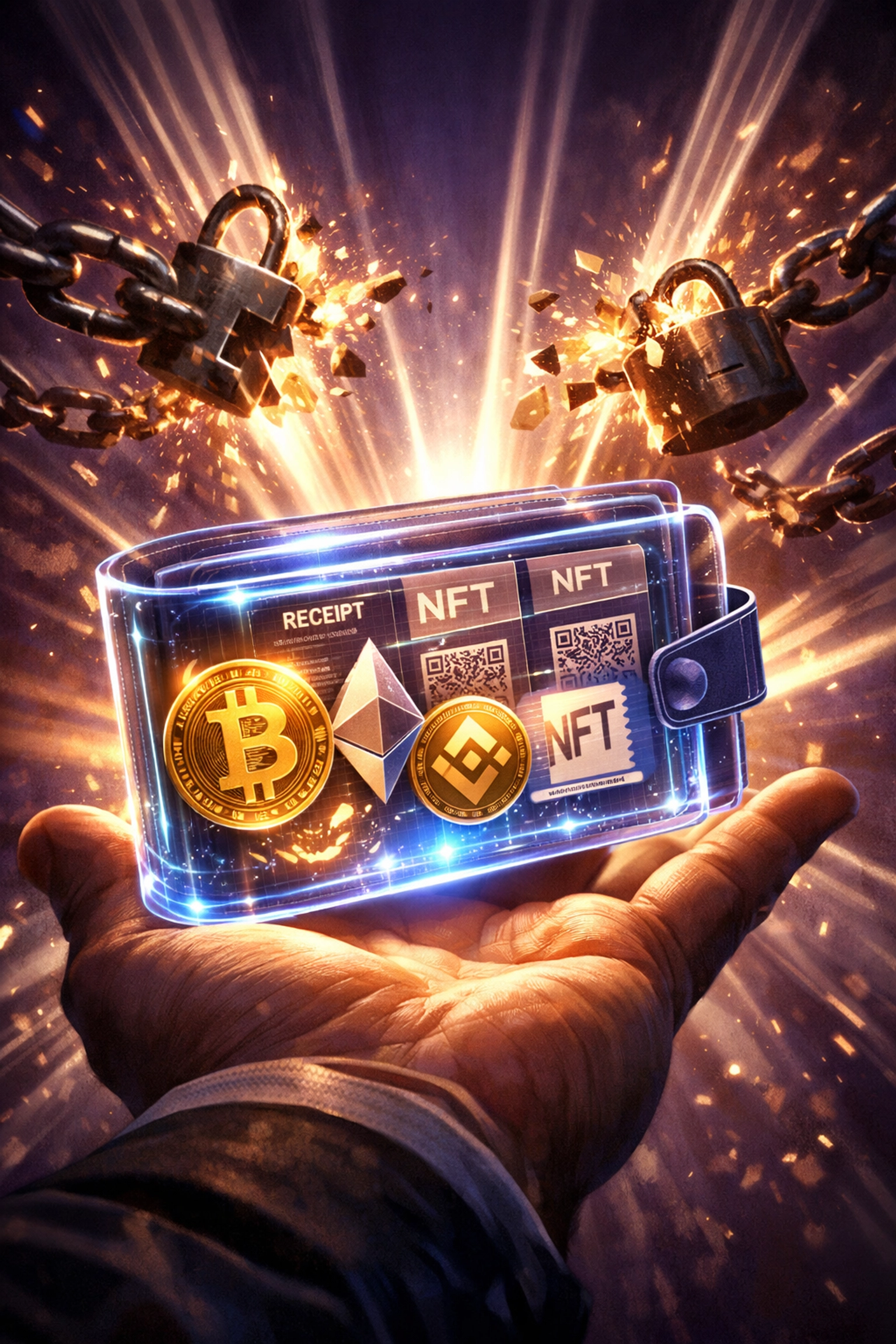
Receivables tokens automatically contain transaction metadata for dispute resolution. You're not building blockchain infrastructure from scratch: you're plugging into existing smart contracts.
Compare this to traditional crypto processors:
NOWPayments setup: Create account, verify identity, integrate API, set withdrawal preferences, wait for approval.
Receivables tokens setup: Connect wallet, integrate smart contract, start accepting payments.
The decentralized approach is actually simpler because there's no bureaucracy. No KYC delays. No account approval process.
Just code that works.
10. Smart Contracts Handle Everything Automatically
Smart contracts automate what payment processors do manually.
Transaction verification? Automated. Fund distribution? Automated. Fee calculations? Automated. Settlement? Automated.
Tokens build on standards like ERC-3475 for real-world asset functionality combined with ERC-3643 for regulatory compliance where needed.
The system emits structured event logs at critical stages: token creation, funding completion, payment receipt, and settlement. This enables transparent tracking throughout the receivable lifecycle.
Traditional platforms require human intervention at multiple points. Account reviews. Withdrawal approvals. Compliance checks.
Smart contracts execute code deterministically. If conditions are met, actions happen. No human gatekeepers. No arbitrary decisions. No waiting for someone to process your request.
This is what true decentralization looks like in practice.
The Future Is Decentralized Payments
Receivables tokens represent merchant independence.
No more custody surrender. No more percentage fees. No more settlement delays. No more permission requirements.
Just direct, peer-to-peer, self-custodial crypto payments with NFT receipts that unlock additional value.
Platforms like NOWPayments and CoinPayments served a purpose during crypto's centralized era. But we're moving beyond that model.
Decentralized crypto payment solutions built on receivables tokens, stablecoins like LUSD, and self-custody principles are the next evolution.
Merchants deserve financial sovereignty. Receivables tokens deliver it.
Ready to explore truly decentralized payments? Visit Larecoin to learn more about building merchant freedom through Web3 infrastructure.
The revolution isn't coming. It's already here.
Comments