

.png)
NOWPayments vs CoinPayments vs Larecoin: Which Crypto POS System Saves Small Businesses the Most on Fees?
- [[[Free!!]<<<<]] Watch: 스포르팅 - 토트넘 Live Stream 13 September 2022
- 2 hours ago
- 4 min read
![Writer: [[[Free!!]<<<<]] Watch: 스포르팅 - 토트넘 Live Stream 13 September 2022](https://lh3.googleusercontent.com/a/AItbvmktwQc0wCdd3ZEETSYItRQubwwBzOyjD_dcigRf=s96-c)
Fee Hemorrhage Is Killing Your Margins
Every crypto payment processor promises "low fees."
Then the invoices arrive.
Transaction fees. Conversion spreads. Withdrawal penalties. Network charges. Before you know it, 1-2% of every transaction vanishes into custodial payment rails.
Small businesses can't afford that math. Not in 2026.
Let's break down the real cost difference between NOWPayments, CoinPayments, and Larecoin: with actual dollar figures at every processing tier.
The Fee Structure Reality Check
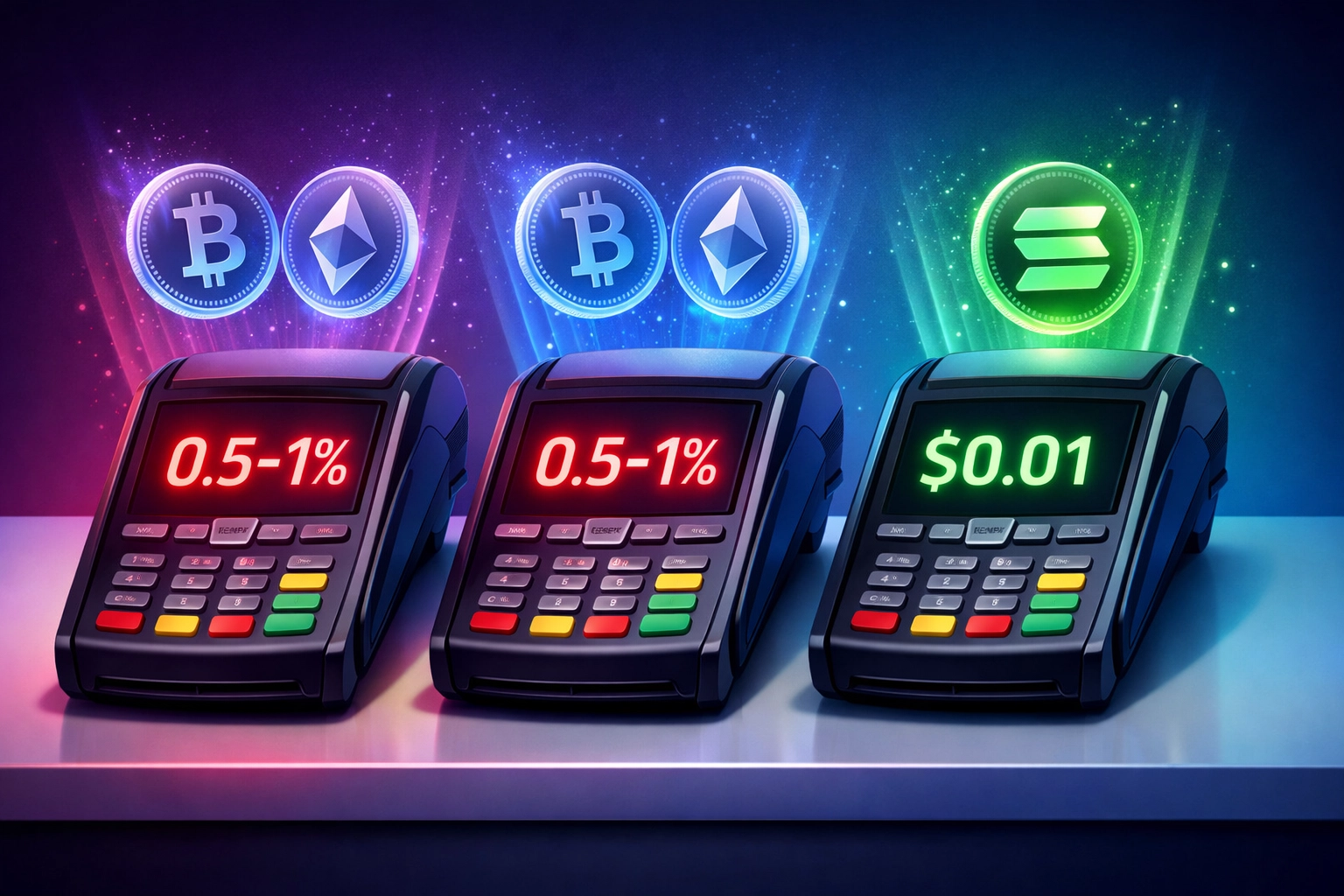
NOWPayments and CoinPayments: 0.5-1% transaction fee plus network fees, withdrawal charges, and conversion spreads. Custodial model means your funds sit in their wallets until withdrawal: triggering additional fees.
Larecoin: Zero percentage fees. You pay Solana gas costs only: typically pennies per transaction. Self-custody from transaction one. Your crypto, your keys, immediate access.
The difference isn't subtle.
It's the gap between sustainable crypto adoption and fee-induced bankruptcy.
What You Actually Pay At Different Volumes
Let's stop talking percentages and start counting dollars.
Processing $100,000 Annually:
NOWPayments/CoinPayments: $750-$1,000 in fees
Larecoin: $300-$400 in gas costs
Your savings: 50-60%
Processing $500,000 Annually:
NOWPayments/CoinPayments: $2,500-$5,000 in fees
Larecoin: Under $2,000 in gas costs
Your savings: 50-60%
Processing $1.2 Million Annually:
NOWPayments: $6,000-$9,000 in fees
CoinPayments: $6,000-$12,000 in fees
Larecoin: ~$2,000 in gas costs
Your savings: 67-83%
Processing $5 Million Annually:
NOWPayments/CoinPayments: $25,000+ in fees
Larecoin: ~$5,000-$6,000 in gas costs
Your savings: 80%+
Notice the pattern? The more you process, the more you save with gas-only pricing.
Traditional percentage-based fees scale with your success. Larecoin's model doesn't penalize growth.
Why The Math Works Differently
NOWPayments and CoinPayments built their business models on credit card logic: take a percentage of every sale.
That made sense in 2017 when crypto payments were niche experiments.
It makes zero sense in 2026 when blockchain infrastructure costs pennies.
Here's what you're really paying for with traditional processors:
Custodial infrastructure (holding your funds)
Corporate overhead and profit margins
Legacy payment rails integration
Intermediary wallet systems
Conversion and withdrawal processes
Here's what Larecoin charges for:
Solana network gas fees
That's it
No middleman. No custody premium. No withdrawal penalty when you want to access your own money.
Self-custody isn't just about security. It's about eliminating rent-seeking intermediaries from your payment stack.
Beyond Fees: What Traditional Processors Can't Match
Fee savings matter. But Larecoin's ecosystem delivers value that percentage-based processors fundamentally can't replicate.
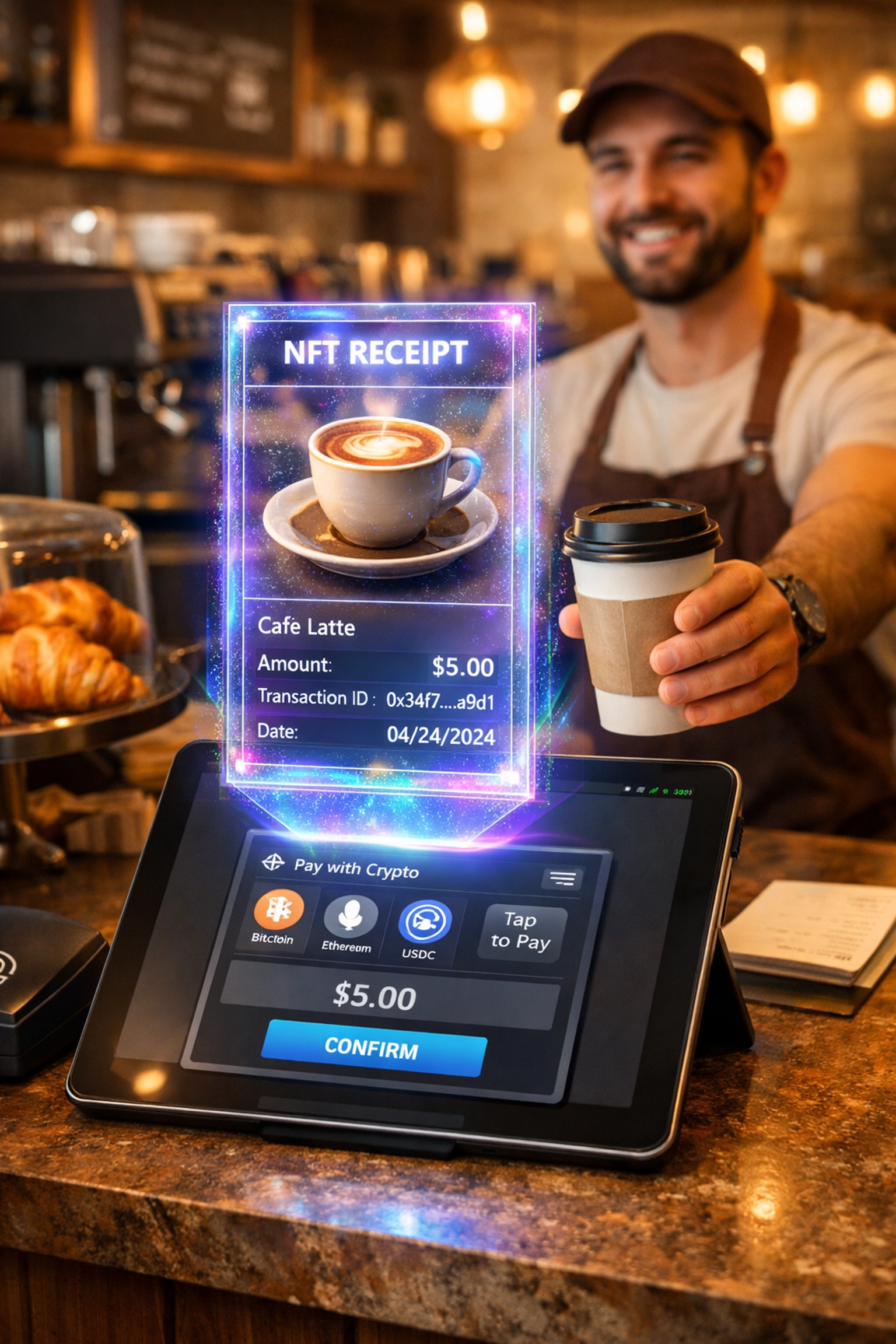
NFT Receipts: Every transaction generates a blockchain-verified NFT receipt. Not as a gimmick: as proof of purchase, warranty records, and customer engagement tools. Your receipts become programmable, tradeable digital assets.
NOWPayments and CoinPayments? Standard email receipts. Zero Web3 innovation.
LUSD Stablecoin Integration: Accept and hold payments in LUSD without conversion volatility. True stablecoin infrastructure built into the payment layer: not bolted on through third-party services.
Traditional processors force you through conversion fees to access stablecoins. Larecoin treats LUSD as a native payment method.
True Self-Custody: Your wallet. Your keys. Your funds. Instantly accessible without withdrawal requests, processing delays, or custodial risk.
NOWPayments and CoinPayments hold your crypto until you withdraw it. That's not your money: it's their liability on their balance sheet.
Merchant Independence: No KYC surveillance. No account freezes. No terms of service that change overnight. Decentralized payment infrastructure means you own the relationship with your customers.
Custodial processors can deplatform you anytime. Larecoin can't: because there's no central authority to revoke access.
The Custody Tax You're Not Calculating
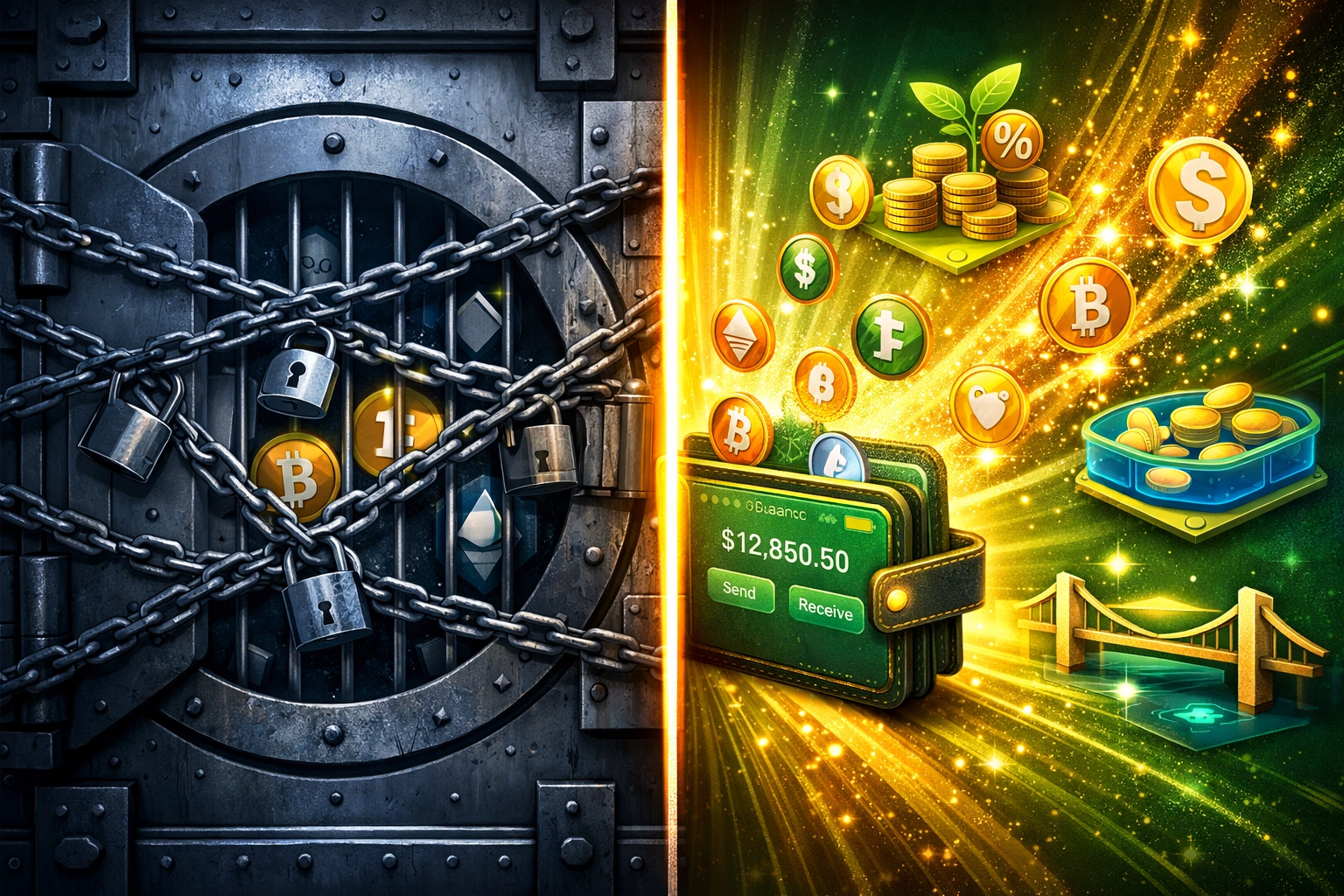
Here's the hidden cost nobody talks about: opportunity cost of custodial control.
When NOWPayments or CoinPayments holds your funds, you can't:
Deploy capital into DeFi yield strategies
Use funds as liquidity pool collateral
Bridge to other chains instantly
Access money during processor downtime
Avoid mandatory conversion to fiat
Every hour your crypto sits in their custody is an hour you're not earning yield, not optimizing treasury management, not controlling your own financial destiny.
With Larecoin's self-custody model, funds hit your wallet immediately. You decide when and how to deploy capital: not a payment processor's withdrawal schedule.
Who Wins At Each Processing Tier?
Under $50k annual processing: Fee differences are small but custody matters more. If you value financial sovereignty and Web3-native features, Larecoin wins. If you need extensive legacy integrations, traditional processors might fit existing workflows better.
$50k-$500k annual processing: Fee savings become material. Larecoin saves you $1,000-$3,000 annually while delivering better custody and NFT features. Clear winner for growth-stage businesses.
$500k-$2M annual processing: Fee savings hit $3,000-$10,000 annually. At this tier, Larecoin's gas-only model pays for entire salary positions compared to percentage-based alternatives.
$2M+ annual processing: Percentage fees become existential threats to margins. Saving $15,000-$40,000+ annually while maintaining self-custody makes Larecoin the only logical choice for high-volume merchants.
What About Network Congestion?
Valid question. Gas fees fluctuate with blockchain activity.
Solana gas costs during peak congestion: Still pennies. Literally $0.01-$0.05 per transaction even during network stress.
Compare that to 0.5-1% percentage fees that never go down, never adjust for market conditions, never reward efficiency.
Gas-only pricing means you benefit from blockchain scalability improvements. Percentage pricing means you pay forever regardless of infrastructure costs.

The 2026 Merchant Independence Movement
Fee optimization matters. But this comparison reveals something bigger.
Traditional crypto payment processors replicated legacy payment rails with custodial control and percentage-based extraction. They brought crypto UX improvements without blockchain philosophy.
Larecoin represents actual decentralization: self-custody, gas-only costs, programmable NFT receipts, true merchant independence.
The choice isn't just about saving money. It's about which payment infrastructure you want to build your business on.
Custodial percentage-based systems that profit from your growth? Or decentralized gas-only infrastructure that treats you as the sovereign owner of your payment stack?
Next Steps For Cost-Conscious Merchants
Calculate your annual processing volume. Run the numbers against fee structures above.
If you're processing $100k+, the savings justify switching immediately. If you're processing $500k+, the savings cover multiple employees annually.
Set up a Larecoin wallet. Start accepting payments with self-custody from day one. Issue NFT receipts to customers. Hold LUSD without conversion penalties.
Join merchants who've eliminated percentage-based fees entirely. Build on infrastructure that respects your financial sovereignty.
The fee comparison isn't close. The custody model isn't comparable. The Web3-native features aren't available elsewhere.
Larecoin wins on cost, custody, and innovation simultaneously.
Time to stop paying rent to payment processors. Start at larecoin.com.
Comments