

.png)
Looking For a Web3 Payment Gateway? Here Are 10 Things You Should Know About Receivables Tokens
- [[[Free!!]<<<<]] Watch: 스포르팅 - 토트넘 Live Stream 13 September 2022
- 2 hours ago
- 4 min read
![Writer: [[[Free!!]<<<<]] Watch: 스포르팅 - 토트넘 Live Stream 13 September 2022](https://lh3.googleusercontent.com/a/AItbvmktwQc0wCdd3ZEETSYItRQubwwBzOyjD_dcigRf=s96-c)
Receivables tokens are changing how merchants handle crypto payments.
Not another payment processor. Not another middleman taking cuts.
A completely different approach to Web3 payments.
1. Receivables Tokens Are Programmable Payment Claims
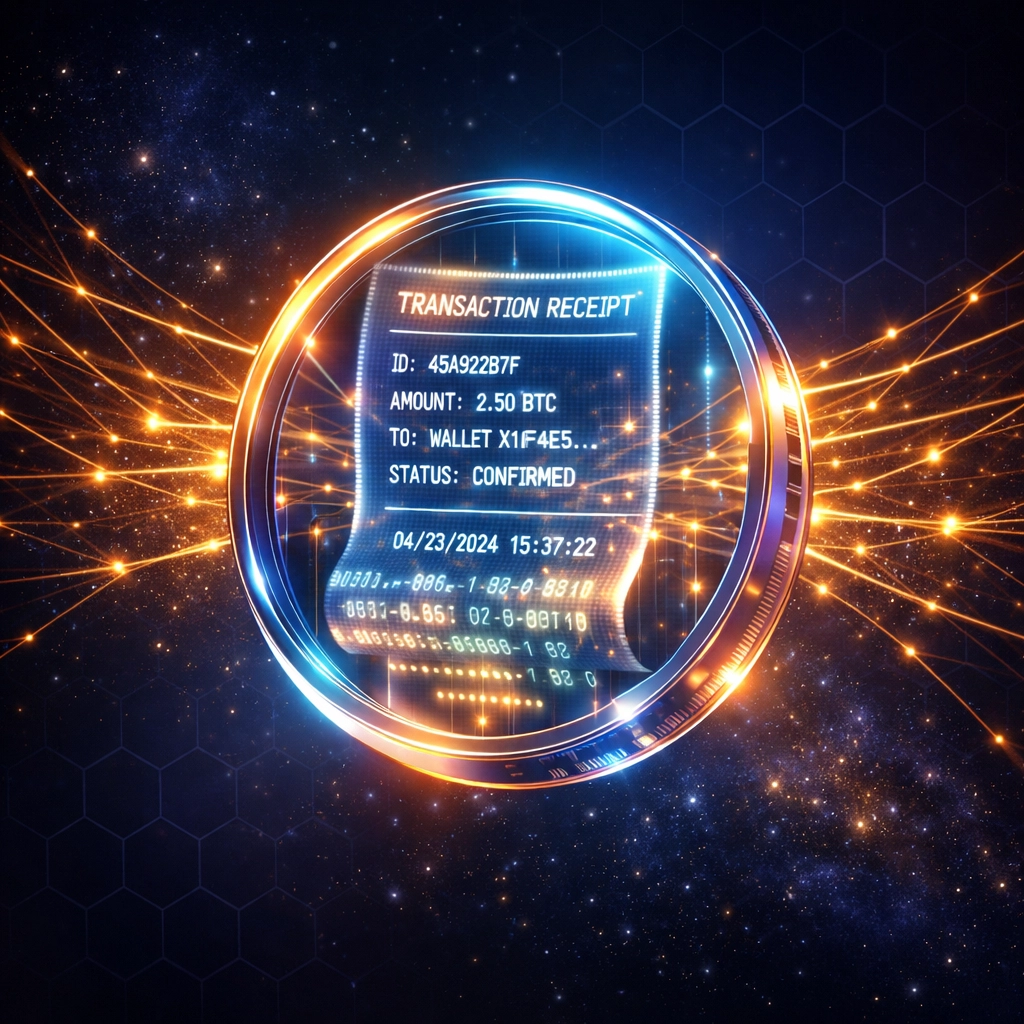
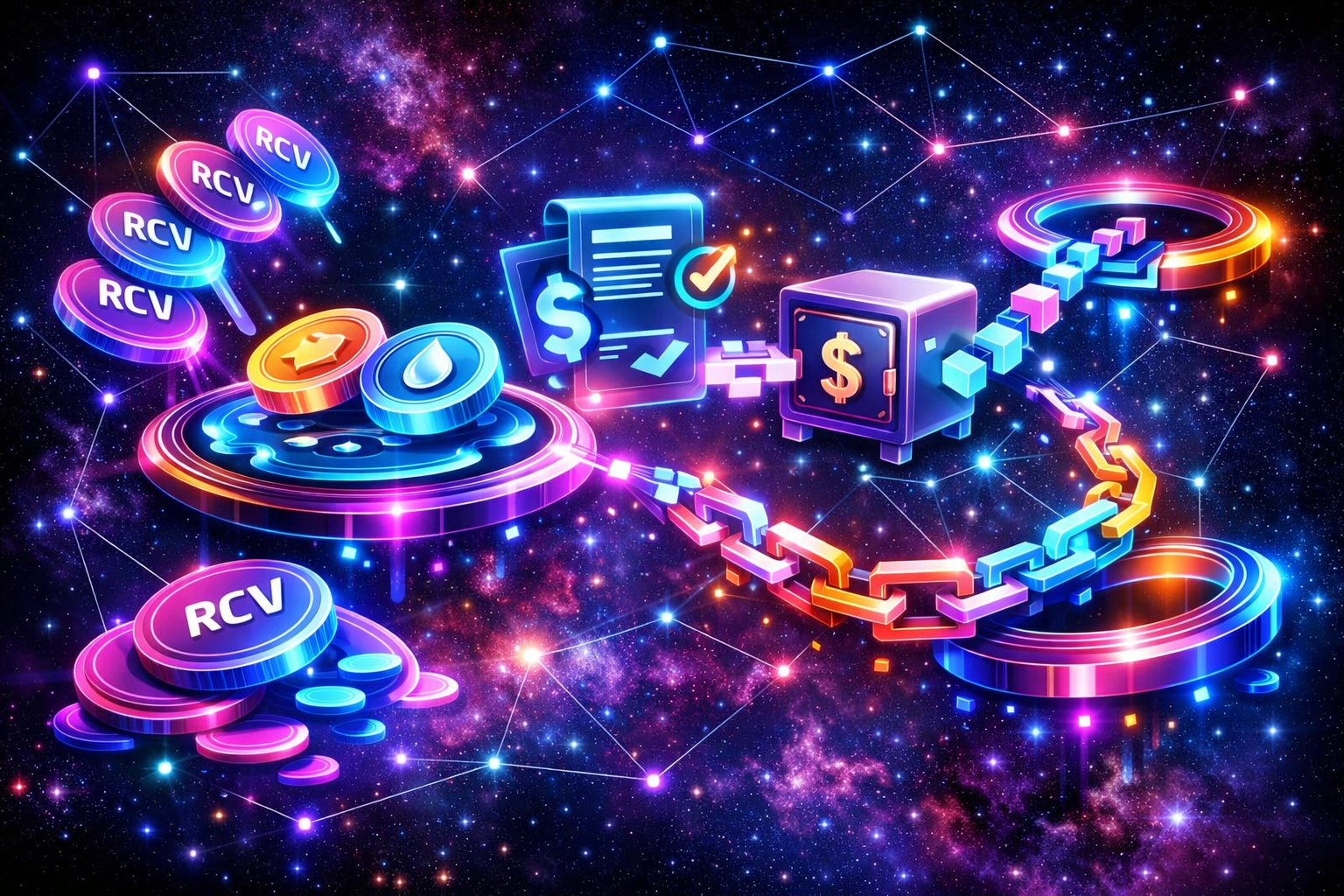
Think of a receivable token as a digital IOU that lives on-chain.
When a customer pays you, the transaction creates a tokenized proof of payment. This token represents the merchant's claim to those funds.
Unlike NOWPayments or CoinPayments where your payment data sits in their database, receivables tokens exist on the blockchain. You control them. You custody them. You decide what to do with them.
The difference:
Traditional gateways: They hold your data
Receivables tokens: You hold your proof
Result: Complete merchant independence
2. Zero Platform Fees Change The Economics
NOWPayments charges 0.5% per transaction minimum.
CoinPayments takes 0.5% plus additional fees for withdrawals.
Receivables tokens on Larecoin? Just gas fees. That's it.
Do the math on $100,000 monthly volume:
NOWPayments: $500/month minimum
CoinPayments: $500+ with withdrawal costs
Larecoin receivables: ~$20-50 in gas fees
Annual savings: $5,000-6,000
This isn't marginal improvement. This is structural cost elimination.
3. NFT Receipts Create Verifiable Payment History
Every receivables token doubles as an NFT receipt.
Permanent. Immutable. Transferable.
Your payment history becomes a blockchain asset you actually own. Not stored on some company's server that could disappear tomorrow.
Use cases:
Accounting audits without middleman data requests
Instant payment verification for customers
Transferable proof for factoring or financing
Tax documentation that can't be lost
Traditional payment processors lock you into their reporting systems. Receivables tokens set you free.
4. LUSD Integration Eliminates Volatility Risk
Here's the problem with most crypto payment gateways:
Customer pays in ETH. Price drops 5% during settlement. You lose money.
Larecoin's receivables tokens can be denominated in LUSD: a decentralized, over-collateralized stablecoin.
No bank account required. No USD bank wire. Pure DeFi stability.
When customers pay, the receivable token automatically reflects LUSD value. Your revenue stays stable while maintaining self-custody.
NOWPayments and CoinPayments offer stablecoin payments, sure. But they still custody your funds during settlement. You're trusting their systems. Their security. Their business continuity.
LUSD receivables tokens? Self-custody from the moment of payment.
5. Self-Custody Means You're Actually In Control
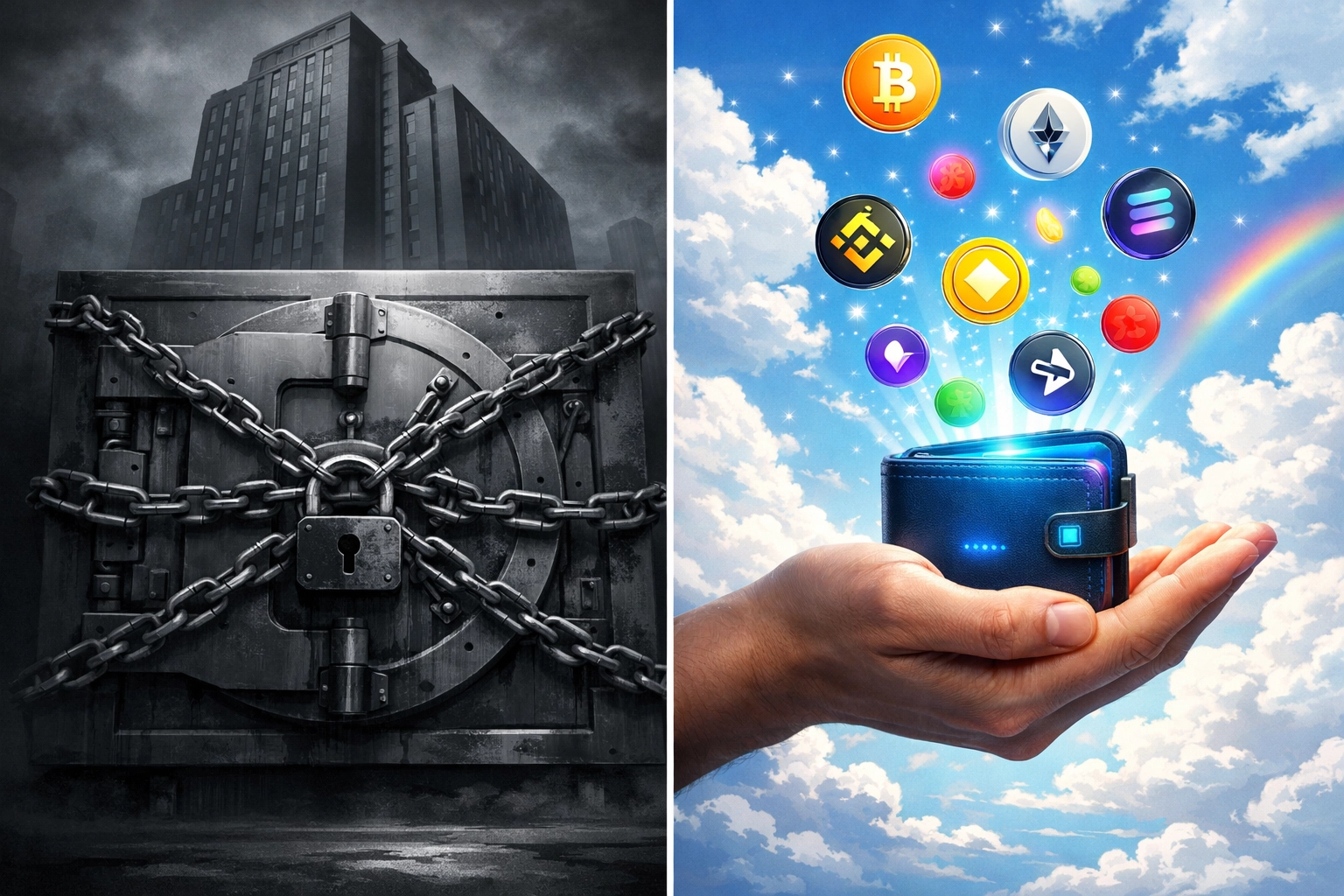
Most "crypto" payment processors aren't actually giving you crypto control.
They're giving you fiat-thinking wrapped in blockchain marketing.
Traditional gateway flow:
Customer pays crypto
Gateway custodies funds
You request withdrawal
They process (maybe)
You finally receive
Receivables token flow:
Customer pays crypto
You receive receivables token instantly
Done
Your keys. Your crypto. Your timeline.
6. Instant Settlement vs. Days Of Waiting
NOWPayments settlements: 24-48 hours typical.
CoinPayments withdrawals: Manual processing, can take days.
Receivables tokens: Instant. Blockchain confirms, you have the token.
This changes cash flow management completely.
Imagine running a high-volume store and actually having access to your funds the moment customers pay. Not "pending." Not "processing." Actually yours.
The old model was built for fiat banking rails. Receivables tokens are built for crypto-native speed.
7. Tokenization Enables New Financial Products
Here's where it gets interesting.
Receivables tokens aren't just payment records. They're tradeable assets.
Future possibilities:
Sell receivables tokens for instant liquidity
Use as collateral for DeFi loans
Create liquidity pools for merchant financing
Build credit scores from on-chain payment history
Traditional payment processors give you data. Receivables tokens give you financial instruments.
This is the difference between Web2 and Web3 thinking.
8. No KYC For Basic Operations
Want to accept crypto payments on NOWPayments? Submit KYC documents.
CoinPayments? Same story. ID verification. Business documentation. Approval waiting.
Larecoin receivables tokens work differently.
Deploy a wallet. Start accepting payments. That's it.
The token system doesn't care who you are: it cares about valid cryptographic signatures.
Obviously, if you're converting to fiat or operating in regulated spaces, compliance matters. But for pure crypto-to-crypto operations? No middleman approval needed.
This is merchant freedom. No deplatforming. No account freezes. No arbitrary rules changes.
9. Smart Contract Automation Reduces Overhead
Receivables tokens run on smart contracts.
This means automatic execution without manual processing.
Examples:
Auto-split payments to multiple parties
Instant royalty distributions
Automated accounting triggers
Programmed escrow releases
Traditional gateways require APIs, webhooks, and custom integrations for this stuff. Then you're dependent on their uptime and their system changes.
Smart contracts execute deterministically. Write the logic once, it runs forever.
10. Composability With DeFi Ecosystem
Last point, most important for forward-thinking merchants:
Receivables tokens are composable with the entire DeFi ecosystem.
You're not locked into one payment processor's feature set. Your receivables tokens can interact with:
DEXs for instant swaps
Lending protocols for liquidity
Yield farming for passive income
Cross-chain bridges for multi-chain operations
NOWPayments and CoinPayments are walled gardens.
You use their features, their timeline, their ecosystem.
Receivables tokens are LEGO blocks. Combine them with any protocol. Build custom solutions. Create new financial products.
The Real Question
Are you choosing a payment gateway?
Or are you choosing financial infrastructure for the next decade?
Traditional processors optimize for today's fiat-dominated world. Receivables tokens optimize for tomorrow's crypto-native economy.
The choice:
Keep paying platform fees to centralized middlemen
Keep waiting days for settlement
Keep trusting someone else with custody
Or embrace programmable, self-custodial, composable payment infrastructure.
Receivables tokens aren't just a feature. They're a fundamentally different architecture.
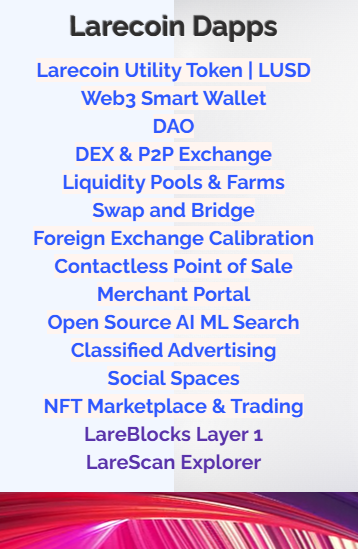
Ready to stop renting infrastructure and start owning it? Check out Larecoin's Web3 payment solutions and see how receivables tokens work in practice.
The future of merchant payments isn't about better processors. It's about eliminating processors entirely.
Comments