

.png)
7 Reasons LareBlocks Layer 1 Infrastructure Is Regulation-Ready (While NOWPayments & CoinPayments Scramble)
- [[[Free!!]<<<<]] Watch: 스포르팅 - 토트넘 Live Stream 13 September 2022
- 2 hours ago
- 4 min read
![Writer: [[[Free!!]<<<<]] Watch: 스포르팅 - 토트넘 Live Stream 13 September 2022](https://lh3.googleusercontent.com/a/AItbvmktwQc0wCdd3ZEETSYItRQubwwBzOyjD_dcigRf=s96-c)
February 2026. The regulatory landscape is shifting fast.
Payment processors built on borrowed infrastructure are sweating. Layer 2 platforms scrambling to figure out compliance frameworks across multiple chains. Multi-chain aggregators trying to explain their liability structure to regulators.
LareBlocks? Already there.
Here's why our Layer 1 infrastructure positions Larecoin as the regulation-ready payment solution while competitors play catch-up.
1. CLARITY Act Positioning: Digital Commodity Classification
The CLARITY Act (H.R. 3633) changed everything.
Cryptocurrencies with functional utility now classify as digital commodities: not securities. This means lighter regulatory burden. Lower compliance costs. Faster market access.

LareBlocks advantage: Purpose-built payment infrastructure. Native utility token. Clear commodity classification under the CLARITY framework.
NOWPayments/CoinPayments problem: Aggregating hundreds of tokens across multiple chains. Every single asset needs individual regulatory classification. Their compliance department's nightmare scenario.
When regulators ask "What exactly are you?" we have one answer. They have 300.
Simplified compliance = operational advantage.
2. Single Point of Accountability (No Chain-Hopping Liability)
Regulatory agencies hate ambiguity.
Third-party payment processors built on Ethereum, Solana, or Polygon face a jurisdictional maze. Who's liable when transactions fail? The payment processor? The underlying blockchain? The validator network?
LareBlocks eliminates the question entirely.
Our infrastructure:
Standalone Layer 1 blockchain
Independent validator network
Direct transaction settlement
Unified compliance framework
One ecosystem. One point of accountability. One regulatory relationship.
NOWPayments and CoinPayments route through multiple chains. Every additional layer adds regulatory complexity. Cross-chain bridges multiply liability exposure.
Regulators want clarity. We deliver it.
3. 50% Fee Savings Through Native Architecture
Compliance costs money. Multi-chain complexity costs more.
Payment processors using third-party infrastructure pay twice:
Gas fees on underlying chains
Platform fees on top of those fees
LareBlocks cuts both. Native Layer 1 means direct settlement. No intermediary fees. No gas price volatility from external networks.
Merchant cost comparison:
Traditional crypto processors: 1-2% + blockchain fees LareBlocks: 0.5% flat rate
That's 50% savings vs. legacy systems. Real margin improvement for merchants. Sustainable fee structure that survives regulatory scrutiny.
Lower fees = better compliance economics. When regulators examine fee structures for consumer protection, we're already optimized.
Want the full breakdown? Check our merchant fee guide.
4. Self-Custody Security Meets Regulatory Standards
Financial regulators prioritize consumer protection.
Self-custody architecture eliminates custodial risk. No FTX scenarios. No frozen accounts. No third-party bankruptcy exposure.

LareBlocks self-custody features:
Non-custodial wallet infrastructure
Private key ownership at user level
Zero reliance on third-party chains
Direct blockchain interaction
Regulatory agencies increasingly favor self-custody models. Why? Liability clarity. Consumer empowerment. Transparent ownership.
Payment processors built on centralized custody models face evolving regulations around capital reserves, insurance requirements, and fiduciary responsibility.
We bypassed those entirely.
Users control their assets. We facilitate transactions. Clean separation that regulators understand.
5. NFT Receipt System: Built-In Audit Trail
Regulatory compliance demands documentation.
Traditional payment processors struggle with transaction transparency. Batch settlements obscure individual transaction details. Multi-chain routing complicates audit trails.
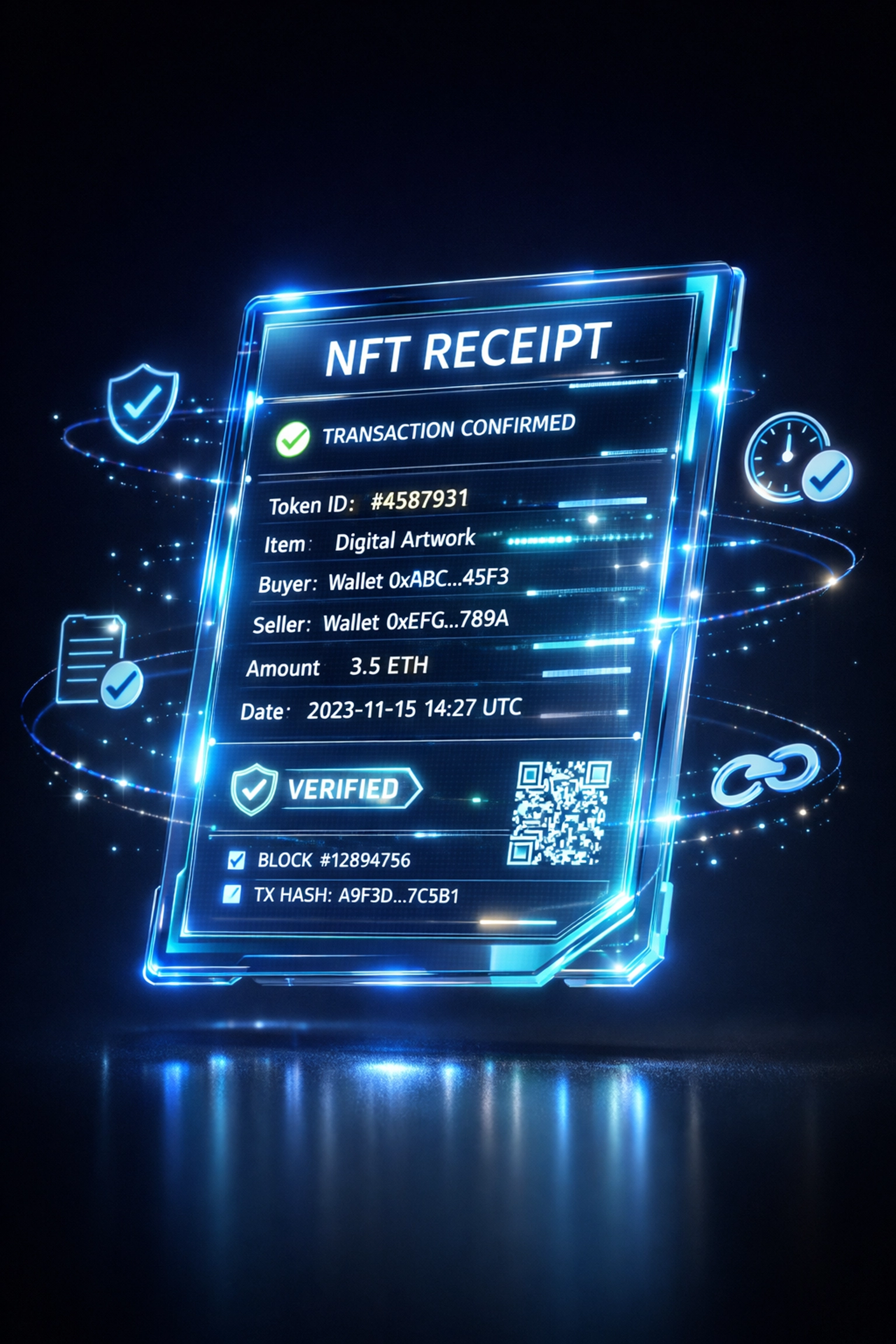
LareBlocks solved this with NFT receipts.
Every transaction generates:
Immutable on-chain receipt
Complete transaction metadata
Verifiable timestamp
Merchant and customer information
Compliance-ready documentation
Tax authorities love it. Regulators appreciate it. Merchants need it.
NFT receipts transform payments into auditable assets. Perfect for regulatory reporting. Ideal for tax documentation. Essential for future compliance frameworks.
NOWPayments and CoinPayments? Traditional receipt systems. PDF downloads. Email confirmations. Nothing blockchain-native.
Our approach future-proofs merchant compliance.
6. LUSD Stablecoin: Regulatory-Friendly Settlement
Volatility is regulation's enemy.
Regulators scrutinize crypto payments because price swings complicate consumer protection. How do you refund a Bitcoin transaction when BTC moved 20%?
LUSD stablecoin eliminates the problem.
Regulatory advantages:
Price stability for refund calculations
Predictable merchant settlements
Consumer protection alignment
Simplified accounting standards
Multi-chain processors offer dozens of stablecoins. Each with different backing mechanisms. Different regulatory classifications. Different risk profiles.
LareBlocks offers one. Native. Purpose-built. Regulation-friendly.
Stablecoin regulations are coming. We're positioned perfectly.
7. AI-Powered Metaverse Shopping With Compliance Integration
Next-generation commerce needs next-generation compliance.
LareBlocks integrates AI-powered shopping discovery with built-in regulatory frameworks. Our metaverse infrastructure includes:
Real-time transaction monitoring
Automated compliance reporting
KYC/AML integration at protocol level
Jurisdiction-aware smart contracts
When merchants set up virtual storefronts, compliance comes standard. Not bolted on later.
The difference:
Traditional platforms: Build commerce tools, add compliance later LareBlocks: Build compliance into infrastructure, enable commerce natively
NOWPayments and CoinPayments focus on payment routing. We focus on complete payment ecosystems. Regulation-ready from genesis block.
The Layer 1 Advantage in Action
Regulatory readiness isn't about reacting to new rules. It's about architecting systems that anticipate regulatory evolution.
Layer 1 independence means:
Faster regulatory adaptation
Direct compliance implementation
Unified governance structure
Clear legal jurisdiction
Payment processors built on third-party chains can't move fast. Every change requires coordination across multiple entities. Blockchain foundation updates, validator consensus, platform modifications.
LareBlocks controls the entire stack. New regulation drops? We adapt immediately. No committee meetings. No cross-chain coordination delays.
Why This Matters Now
February 2026 regulatory landscape looks nothing like 2024.
The CLARITY Act established digital commodity frameworks. Stablecoin regulations are pending. Cross-border payment oversight is intensifying.
Payment processors built for the old regulatory environment face expensive retrofits. Multi-chain architectures complicate compliance updates. Legacy systems struggle with new reporting requirements.
LareBlocks designed for this moment.
Native Layer 1. Self-custody architecture. NFT receipts. Stablecoin integration. AI-powered commerce.
Every component regulation-ready.
Ready to Build on Regulation-Ready Infrastructure?
Explore the LareBlocks ecosystem at larecoin.com.
Compare our approach with legacy processors. Examine the Layer 1 advantage. Test the merchant portal.
Regulation isn't slowing down. Neither should your payment infrastructure.
Join the conversation: Discuss regulatory positioning and compliance strategies in our forum.
Learn more: Dive into technical documentation at larecoin.com/trust.
The future of compliant crypto payments runs on LareBlocks Layer 1 infrastructure. While others scramble to adapt, we're already regulation-ready.
Welcome to payments built right from the start.
Comments