

.png)
Metaverse Shopping Secrets Revealed: How B2B2C VR/AR Commerce Will Transform Your Revenue by 2030
- [[[Free!!]<<<<]] Watch: 스포르팅 - 토트넘 Live Stream 13 September 2022
- 2 hours ago
- 5 min read
![Writer: [[[Free!!]<<<<]] Watch: 스포르팅 - 토트넘 Live Stream 13 September 2022](https://lh3.googleusercontent.com/a/AItbvmktwQc0wCdd3ZEETSYItRQubwwBzOyjD_dcigRf=s96-c)
The $236 Billion Opportunity Nobody's Talking About
The metaverse retail market hits $236.67 billion by 2033.
That's not a prediction. That's a 35.6% CAGR reality already unfolding.
Right now, 25% of consumers shop in metaverse environments. By 2026? That doubles. By 2030? It's the new normal for B2B2C commerce.
Here's what most merchants miss: Traditional payment infrastructure wasn't built for VR/AR transactions. Swiping cards in a virtual mall? Clunky. Processing cross-border payments with 3%+ interchange fees while your customer explores your digital showroom? Revenue-killing.
Why Legacy Payment Processors Fail in Metaverse Commerce

NOWPayments, CoinPayments, and Triple-A handle crypto transactions. That's table stakes.
But metaverse B2B2C commerce demands more:
Speed kills deals. A customer trying on virtual clothing in your AR fitting room won't wait 10 minutes for blockchain confirmation. Gas fees spike during peak shopping hours. Transaction costs balloon. Sales vanish.
No receipt infrastructure. Traditional processors can't issue NFT receipts that double as loyalty tokens or exclusive metaverse access passes. They're stuck in 2015 thinking while VR commerce accelerates past them.
Compliance gaps. Most crypto payment processors operate in regulatory gray zones. Federal MSB registration? Maybe. State-level MTL coverage across all 50 states? Rarely.
The metaverse doesn't need another payment button. It needs a complete commerce ecosystem.
How Larecoin's Technical Stack Transforms VR/AR Revenue
Gas-Only Transfers: The Speed Advantage
Larecoin runs on Solana and Binance Smart Chain. That means sub-second finality.
Your customer grabs a virtual product. Taps to buy. Transaction completes before they finish the gesture.
Gas-only transfers eliminate the interchange fee structure that bleeds merchants dry. Traditional processors charge 2.9% + $0.30 per transaction. Larecoin? Just network gas fees. That's 50%+ savings on every single sale.
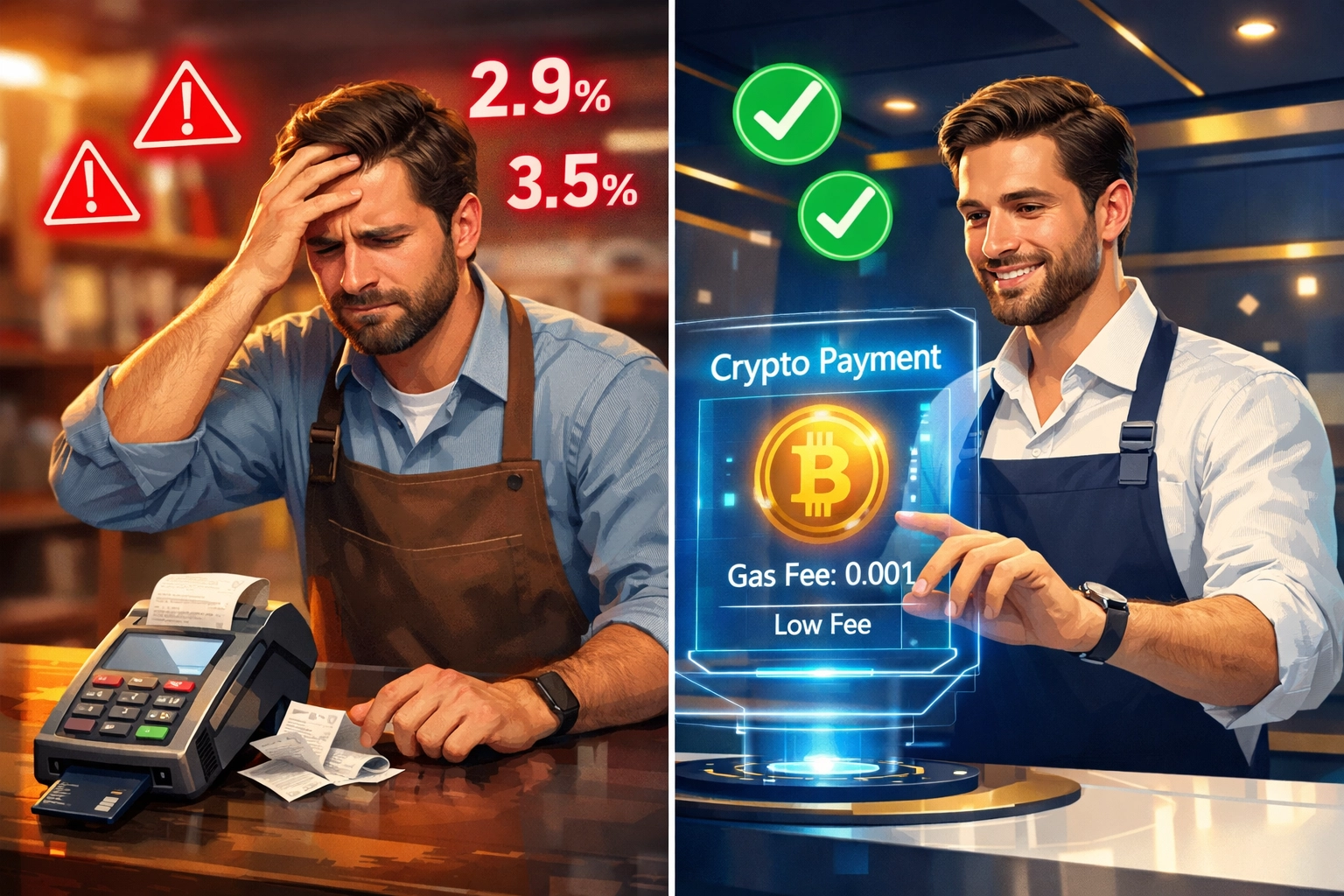
Do the math: $1 million in annual metaverse sales saves you $29,000 minimum. By 2030 when your metaverse revenue hits $10 million? You've saved $290,000 that goes straight to your bottom line.
LUSD Stablecoin: Price Stability in Virtual Worlds
Customers don't want price volatility when shopping for digital fashion or virtual real estate.
LUSD stablecoin keeps transactions predictable. List a virtual item for $50. Customer pays $50. No slippage. No conversion anxiety. No "check the chart before checkout" friction.
This matters more than merchants realize. Research shows consumers pay 40% more for products they can examine in 3D. But that premium evaporates if crypto volatility adds uncertainty to the purchase.
NFT Receipts: Beyond Transaction Confirmations
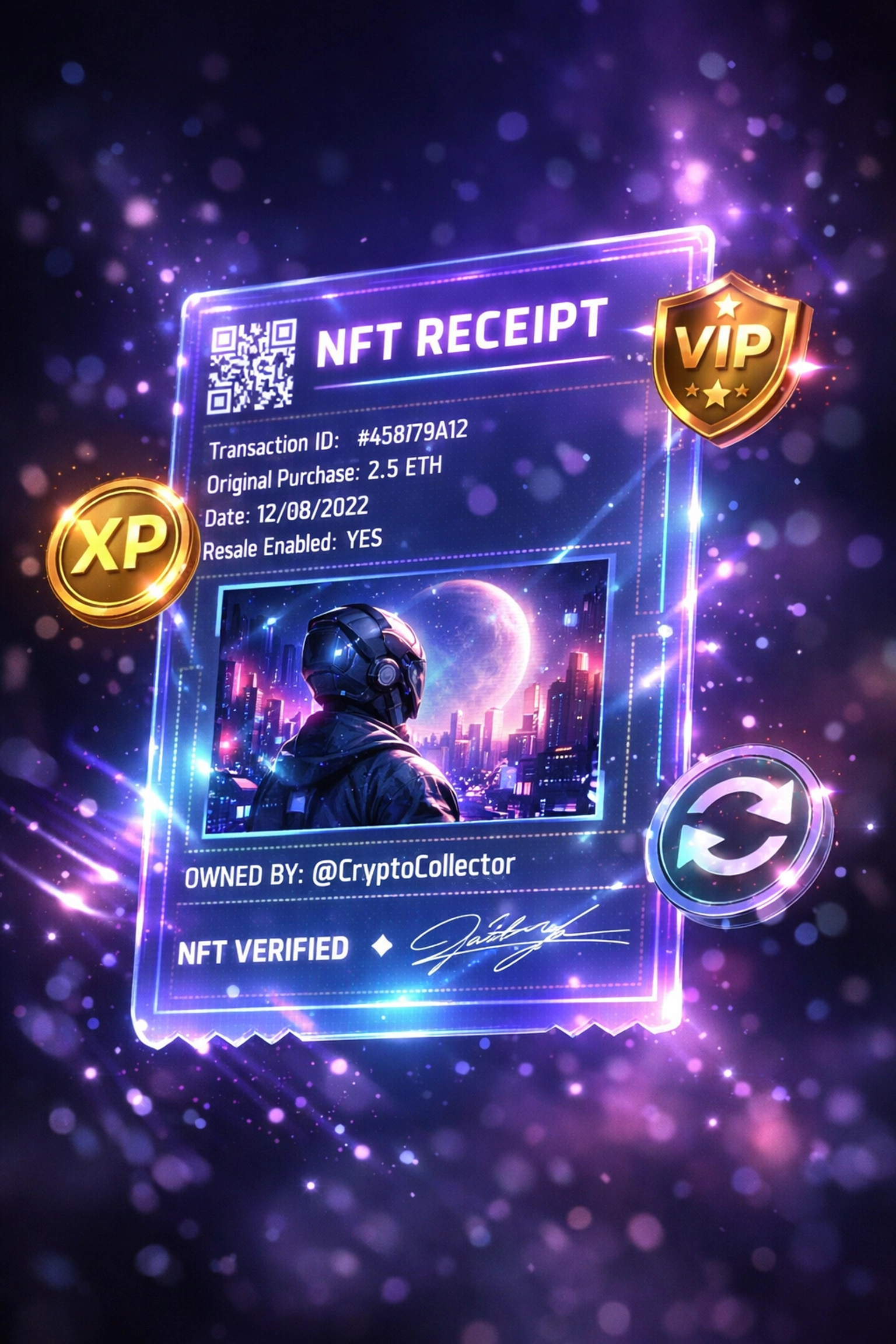
Every Larecoin transaction generates an NFT receipt. That's not just proof of purchase.
It's a programmable asset.
Use cases exploding right now:
Loyalty programs: Each purchase NFT accumulates points automatically
Exclusive access: Receipt NFTs unlock VIP metaverse shopping areas
Resale royalties: Set perpetual commissions on secondary market trades
Social proof: Display purchase NFTs as status symbols in virtual worlds
NOWPayments and CoinPayments can't do this. They're processing payments. Larecoin's building commerce infrastructure.
Self-Custody: The Trust Factor
Customers control their wallets. Merchants control their revenue.
No third-party custodian holding funds. No surprise account freezes. No "under review" purgatory while your metaverse storefront stays live.
Self-custody means true ownership. In B2B2C models where platforms connect businesses to consumers, that autonomy becomes non-negotiable.
Master/Sub-Wallets: Built for B2B2C Scaling
You're not just running one store. You're operating a platform where other merchants sell.
Master wallet controls platform operations. Sub-wallets manage individual merchant accounts. Revenue splits happen automatically via smart contracts.
Set commission structures once. Let code handle distribution. Your B2B2C metaverse marketplace scales without hiring a payment ops team.
Traditional processors like Triple-A force you into single-merchant models. Want to onboard 100 sellers to your VR mall? That's 100 separate integrations. Nightmare fuel.
Larecoin's architecture handles unlimited sub-wallets. Onboard merchants in minutes with QR-generated POS systems. They scan. They're live. Simple.
The 2030 Metaverse Shopping Experience
Picture this:
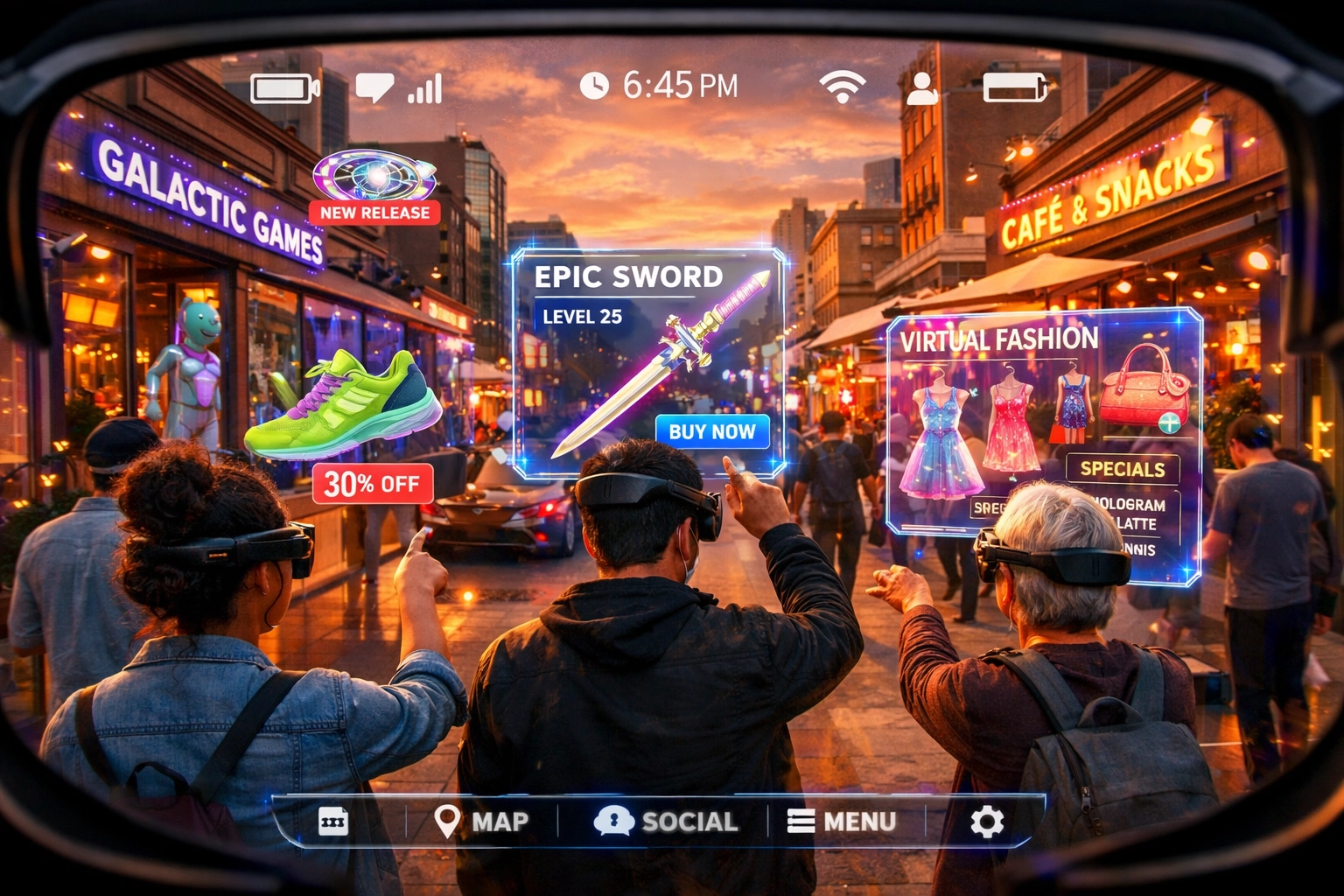
Your customer puts on their AR glasses. Walks through their neighborhood. Your storefront appears overlaid on physical space. They step inside.
Virtual products float in 3D. They grab items. Examine from every angle. Try combinations. Share with friends in real-time who join the shopping session from across the globe.
Group shopping becomes social commerce. Four friends pick outfits together. Split costs instantly. Each gets their NFT receipt. The experience creates viral loops traditional e-commerce can't touch.
Current adoption rates prove this isn't sci-fi: 30% of businesses already have metaverse-specific products in 2026. That percentage grows exponentially as VR/AR hardware reaches critical mass.
Federal MSB Registration + 50-State MTL Coverage
Here's what separates real infrastructure from crypto experiments:
Larecoin holds Federal MSB registration with FinCEN. That's not a checkbox. That's comprehensive anti-money laundering compliance, suspicious activity reporting, and full regulatory transparency.

Add state-level Money Transmitter License coverage across all U.S. states. When you process payments through Larecoin, you're not gambling on regulatory approval. You're operating with established legal clarity.
NOWPayments? Offshore entity with unclear U.S. compliance. CoinPayments? Similar gray areas. Triple-A has some licensing but incomplete state coverage.
This matters exponentially more in metaverse commerce where cross-jurisdictional transactions happen constantly. One customer in California. Merchant in New York. Platform operator in Texas. Everyone needs legal protection.
Revenue Transformation Mechanisms Through 2030
The B2B2C metaverse model creates three revenue multipliers:
Conversion efficiency jumps: That 40% premium on 3D-viewable products compounds with reduced return rates. Customers try virtually first. Fit issues drop. Color mismatches vanish. Return processing costs plummet.
Geographic boundaries disappear: Your virtual storefront serves global customers simultaneously. No shipping times. No international payment headaches. Instant delivery of digital goods and experiences.
Operational costs collapse: 50%+ fee savings on payments. Automated revenue splits through smart contracts. Zero physical inventory management for digital products. Margins expand while reaching more customers.
Real numbers: Metaverse retail market growing at 46.7% annually. Your revenue doesn't just grow. It compounds.
Building Your Metaverse Commerce Stack Today
You don't need to wait for 2030. The infrastructure exists now.
Set up your Larecoin merchant account. Generate QR POS codes for easy onboarding. Configure master/sub-wallet architecture if you're building a platform. Choose LUSD for price stability or LARE for crypto-native customers.
The merchants winning metaverse commerce in 2030 are building their presence today. They're learning customer behaviors. Testing product visualizations. Optimizing conversion funnels.
While competitors debate whether the metaverse is "real," smart operators capture market share.
The Edge You're Not Seeing
Every payment processor talks about fees. Few talk about compliance, NFT receipts, or B2B2C architecture.
That's the difference between processing transactions and enabling commerce.
Larecoin built Web3 payment infrastructure specifically for the next decade of retail evolution. Self-custody. Gas-only efficiency. Programmable NFT receipts. Master/sub-wallet scaling. Federal and state-level compliance.
The metaverse shopping revolution isn't coming. It's here.
Your revenue transformation depends on choosing infrastructure that grows with it.
Ready to reduce interchange fees by 50%+ while entering metaverse commerce?Explore Larecoin's merchant solutions or check our complete guide to Web3 global payments.
The 2030 winners start building today.
Comments